

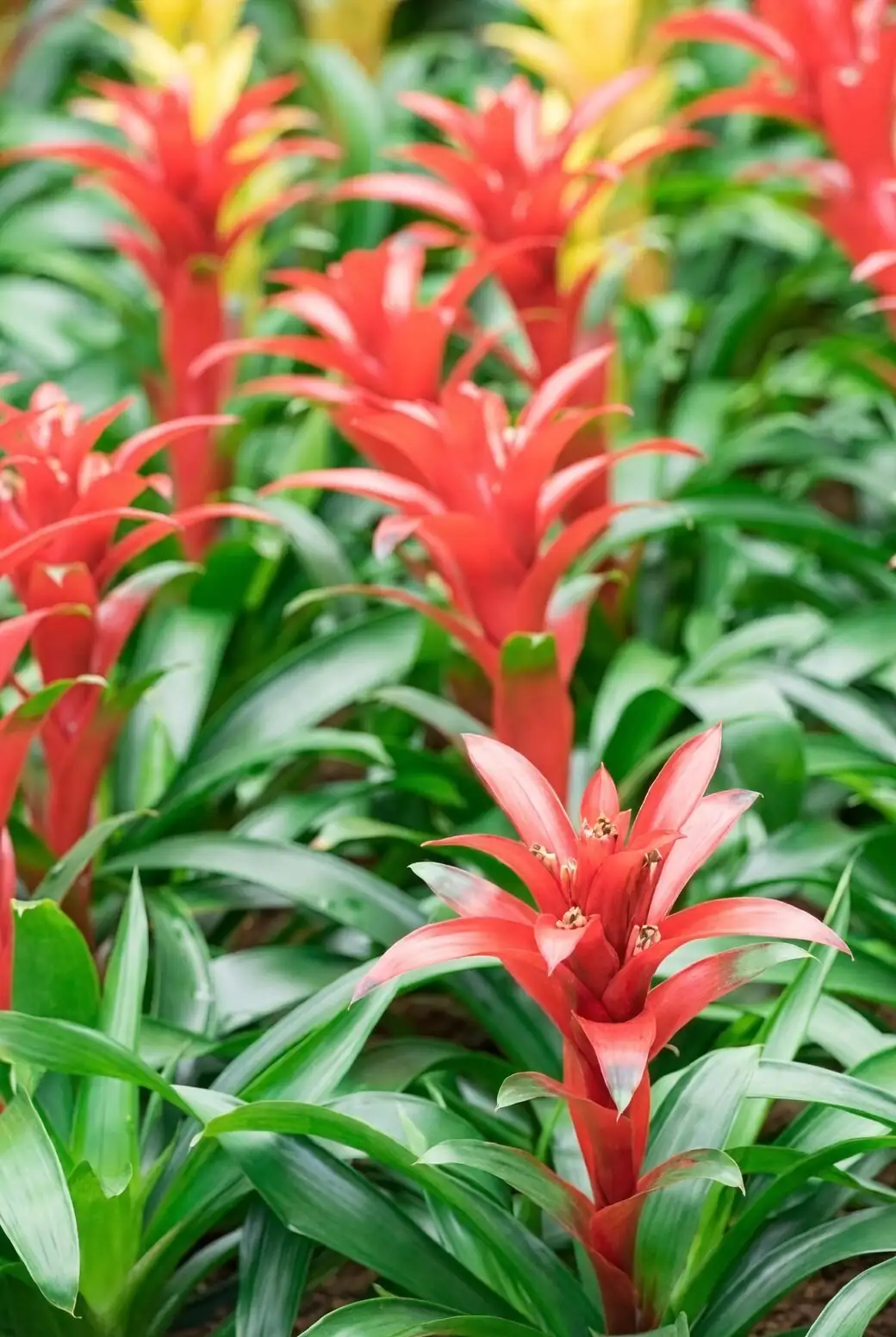
Step into any flower market before Lunar New Year and you’ll see them: torch-like rosettes blazing in red, orange, and hot pink. These are ornamental bromeliads—often Guzmania, Vriesea, and Aechmea—sold under the catchier banner “bromeliad.” Their bold bracts last for weeks, their silhouettes look like sculpted fire, and their modern flower language (hua yu) is a fascinating blend of Chinese idiom, color symbolism, savvy marketing, and a dash of New World lore about pineapples and hospitality. Here’s how those threads entwined—and how to place, gift, and care for them so the symbolism feels alive, not ornamental.
First, what you’re really seeing
- The “flower” on many bromeliads is primarily a show of colorful bracts—leaf-like structures in red, orange, pink, or yellow—that can stay vibrant for weeks to months. The true flowers are smaller and appear from within.
- Growth is a tight, vase-like rosette. Many popular kinds are naturally epiphytic—perched on trees in the wild—so they demand excellent drainage indoors.
- Origin: Tropical and subtropical Americas (many beloved houseplant types hail from Central and South America).
- Indoors, they prefer bright, indirect light, warmth, and an airy, barky mix—think “orchid mix with extra air,” not heavy potting soil.
“Hong Yun Dang Tou”: How a phrase crowned the bromeliad king of New Year
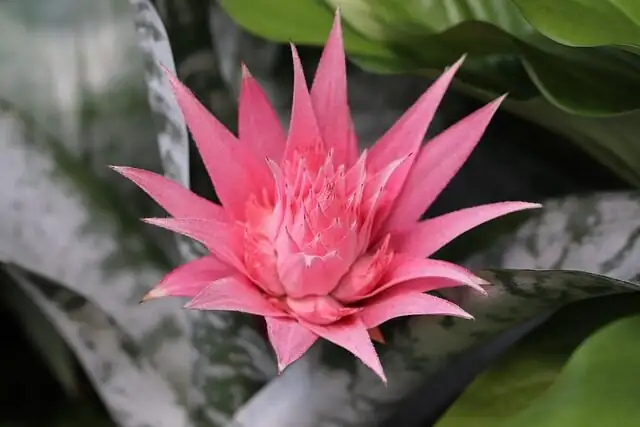
Across Chinese-speaking regions, red-bracted Guzmania and Aechmea took on the auspicious name 红运当头 (Hong Yun Dang Tou). Literally, “good fortune at the head/top,” it’s a jubilant idiom meaning “luck is at its peak.” Nurseries leaned into the perfect visual pun: a rosette crowned with a red “top”—exactly the look the phrase conjures.
Why it stuck
- Color speaks first. Red is the color of prosperity, vitality, and celebration. A bromeliad’s fiery bracts read as an instant beacon of good luck during the 15-day New Year period.
- The crown is literal. The head-high splash of color sits at the top of the rosette, mirroring 当头 (at the head).
- Long-lasting displays. Those bracts remain showy for weeks to months—perfect for a holiday season when fresh flowers often fade too fast.
Is this ancient flower language?
Not exactly. While classical Chinese culture is rich in plant symbolism, the specific hua yu of “Hong Yun Dang Tou” is a contemporary blend of idiom, color symbolism, and horticultural marketing. As bromeliads became widely available (thanks to growers in the Americas, Europe, and Asia), sellers paired this living “red crown” with an auspicious phrase people already loved. It’s modern, yes—but it harmonizes effortlessly with older traditions that prize good-luck plants at New Year.
The pineapple thread: From the Americas with “Welcome”
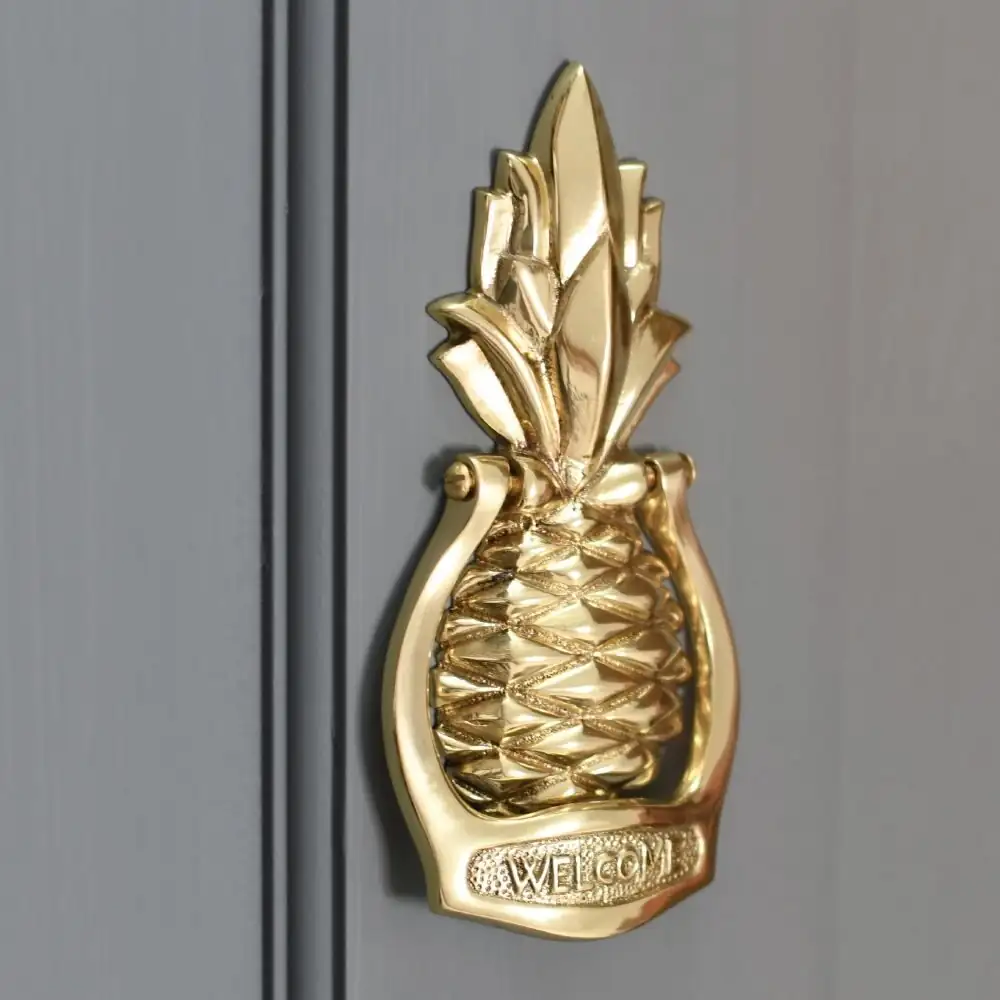
The bromeliad family includes the pineapple (Ananas comosus). In the Americas—especially from Caribbean ports to colonial New England—the pineapple became an emblem of hospitality. Sea captains returning from voyages would display a pineapple to signal, “Guests welcome,” and the fruit’s rarity turned it into a gracious, generous sign. That motif spread into architecture and home decor: pineapples on door knockers, bedposts, and table centerpieces all meant you were entering a warm, welcoming space.
Why this matters for bromeliads today:
- Family ties. Offering an ornamental bromeliad nods to the same family as the hospitality icon. It’s a living welcome—ideal for housewarmings, host gifts, and lobby displays that say “Come in, you’re among friends.”
- East–West resonance. The pineapple’s hospitality symbolism pairs naturally with the Chinese New Year prosperity theme. Together, they frame bromeliads as plants that both invite good fortune and make guests feel at home.
Gift-giving, decoded
- For Lunar New Year:
- Choose red-bracted Guzmania or Aechmea labeled “Hong Yun Dang Tou.”
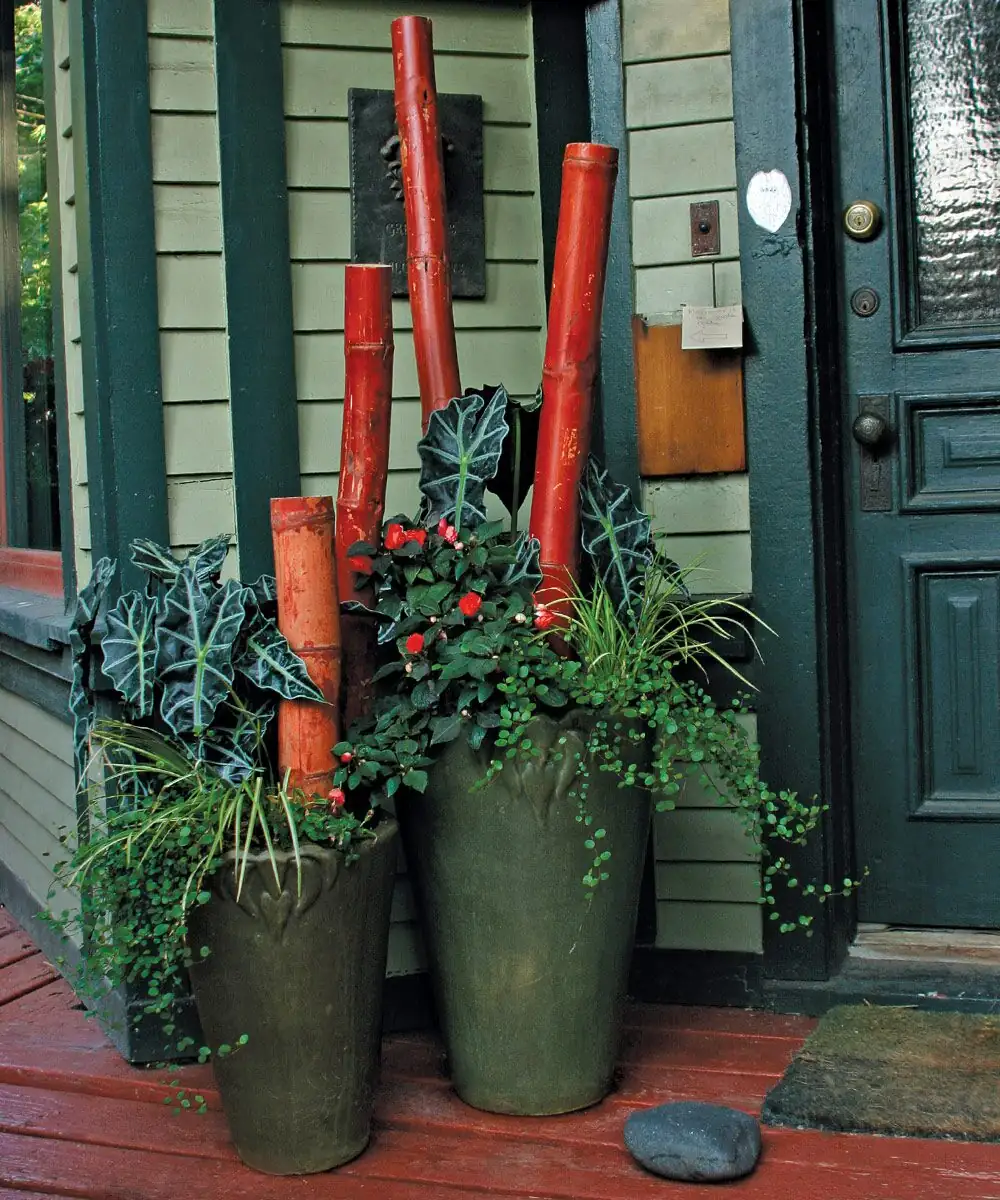
- A pair feels extra-auspicious for entryways. Gold or red planters amplify the festive message.
- Include a simple care note: bright, indirect light; keep a little clean water in the central cup (refresh weekly); never let the pot sit in water.
- For housewarmings and hospitality:
- A bromeliad is a subtler, long-lived nod to the pineapple tradition—welcoming yet easy to maintain.
- Perfect for reception desks, dining rooms, and living spaces where it can greet guests.
- Corporate and client gifts:
- Long-lasting bracts keep spaces vibrant without constant replacement. The symbolism (prosperity + welcome) suits openings, milestones, and New Year greetings.
Etiquette tips:
- Avoid gifting plants with fading or browned bracts right at New Year—fresh vigor symbolizes fresh fortune.
- Add a handwritten tag with the phrase 红运当头 if recipients appreciate the cultural nod.
Feng shui placement that feels—and looks—right
Think of bromeliads as small indoor hearths: they carry “fire” energy through their color and form. Place them where you want warmth, visibility, and momentum.
- Best locations:
- Entryway console: invites auspicious qi and hospitality the moment guests arrive.
- Living room focal points: coffee table, sideboard, or mantle where the red crown is easily seen.
- Southeast (wealth) or south (fame/recognition) zones are common traditional picks for red-bracted plants.
- Conditions to respect:
- Bright, indirect light—an east- or north-facing window, or a south/west exposure softened by a sheer.
- Keep the central cup’s water fresh; stagnant water looks and feels like stagnant qi.
- What to avoid:
- Harsh midday sun that scorches leaves and fades color.
- Cramped, shadowy corners where the plant can’t “shine.”
- Spiny-edged types (some Aechmea) in tight hallways or bedrooms where you brush past—choose smoother-leaved kinds there.
Quick care refresher to keep the luck glowing
- Light: Bright, filtered light. A touch of gentle morning sun is fine; avoid burning midday rays.
- Temperature: 18–28°C (64–82°F). Keep away from cold drafts; protect from temps below 10°C (50°F).
- Humidity: Moderate to high (around 50–70%). Grouping plants or a small humidifier helps prevent brown tips.
- Watering:
- Potting mix: water lightly, let excess drain, never let it sit in a saucer.
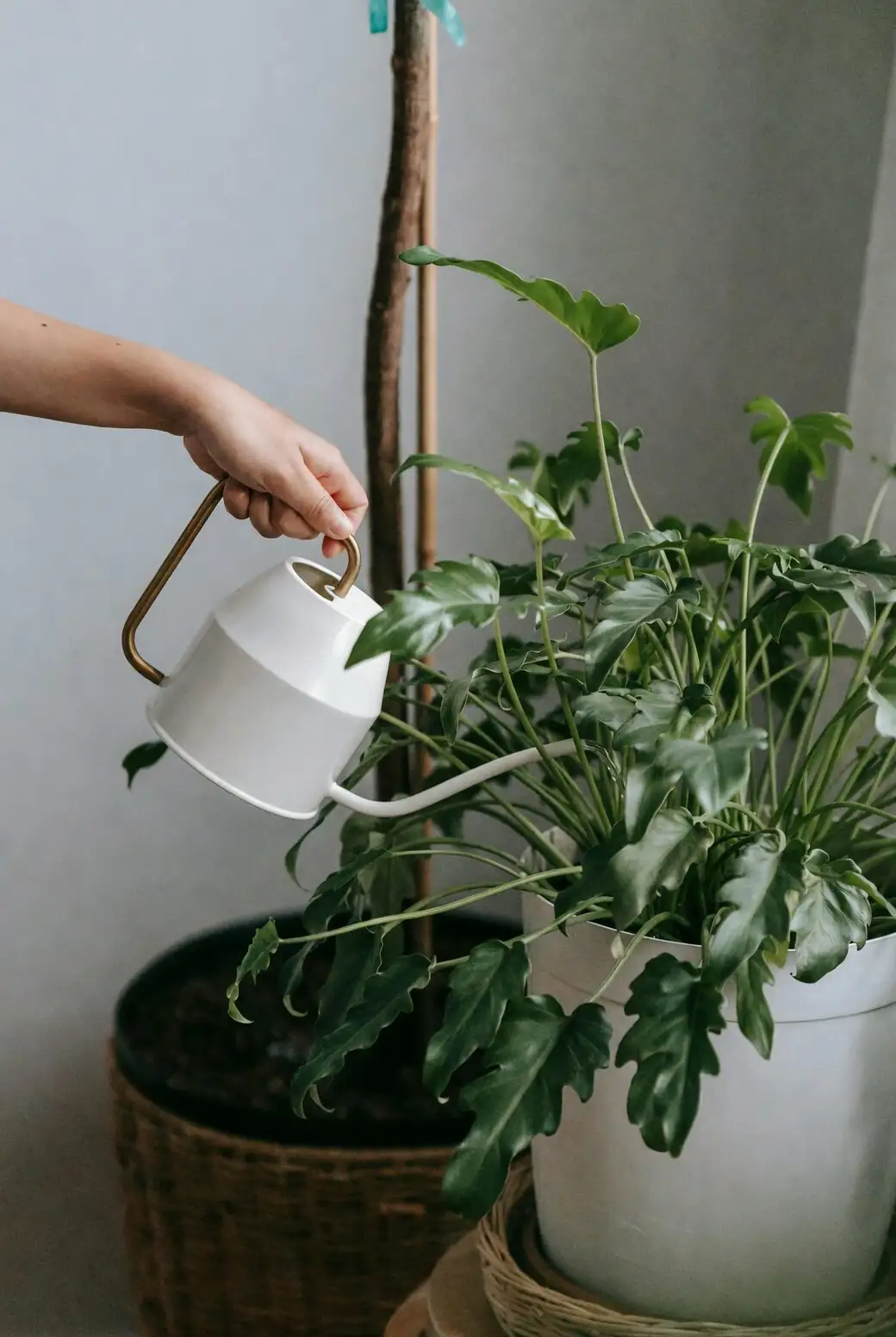
- “Tank” (cup-forming) types: keep a small amount of clean water in the center and refresh weekly. In cool, low-light periods, reduce or empty the cup to lower rot risk.
- Soil: Airy, free-draining, orchid-bark style mix with perlite. Avoid heavy, soggy substrates.
- Feeding: Light touch—balanced fertilizer at about 1/4 strength every 4–6 weeks in active growth.
- After the show: Many popular bromeliads are monocarpic—after flowering, the mother rosette slowly declines but produces pups (offsets). Separate pups when they’re 1/3–1/2 the size of mom, and the “family line” carries on—an auspicious symbol in itself.
- Safety: Generally considered non-toxic to people and pets. Do watch out for spiny leaf margins on some varieties.
How the symbolism lands today
- Prosperity you can see: Red-bracted bromeliads embody “Hong Yun Dang Tou,” delivering a celebratory, long-lived centerpiece for the New Year season.
- Welcome at the doorstep: As kin to the pineapple, they carry a quiet but clear message of hospitality—perfect for homes, hotels, and offices.
- Culture that keeps growing: An American-born plant family, an Asian New Year idiom, and global houseplant love—bromeliads thrive at the intersection, brightening rooms and rituals alike.
In other words: one plant, two powerful stories—prosperity and welcome—brought together in a rosette that looks like a small, steady flame. Place it where people gather, keep its “cup” refreshed, and let the living symbolism do the rest.