

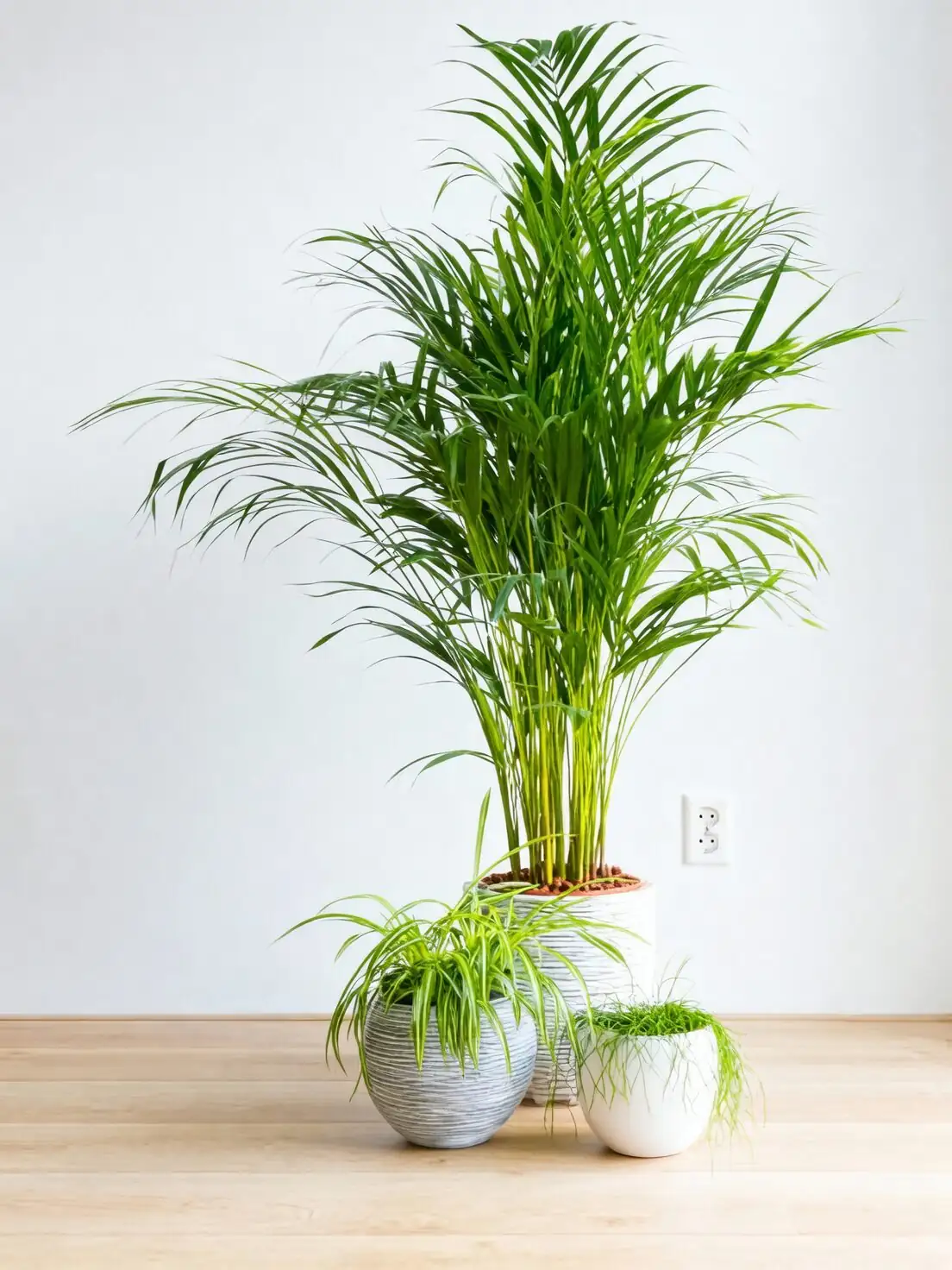
Step into a room with a Parlor Palm, and you can feel it—an immediate softening of edges, a hush of welcome, a little lift of grace. Chamaedorea elegans has been signaling hospitality and quiet elegance since the Victorian era, and today it still whispers good luck, youthfulness, and staying power in homes and offices around the world.
Meet Chamaedorea elegans: The Parlor Palm with Poise
- Origins: Native to the shaded understory of southern Mexico and Guatemala.
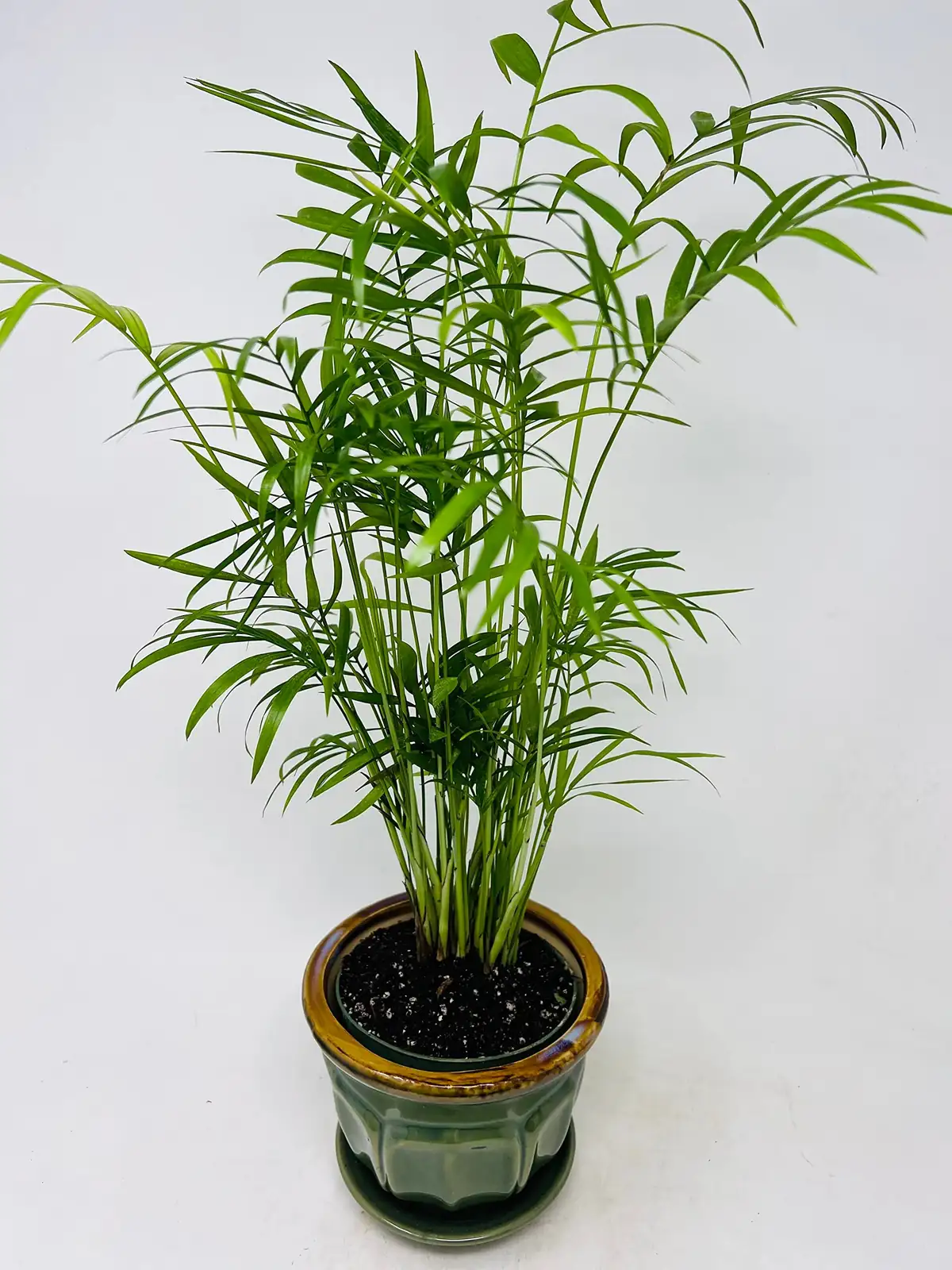
- Look: Airy, feathery fronds on multiple slender stems; dense, deep green, and effortlessly refined.
- Size indoors: Typically 60–120 cm (2–4 ft) tall, with clumps spreading about 30–60 cm (12–24 in).
- Why it became a classic: It thrives where many palms sulk—bright, filtered light or even medium to low light—making it perfect for living rooms, hallways, and desktops. Mature plants may occasionally produce small sprays of yellow flowers, but it’s cherished most for evergreen foliage.
Also known as Bella Palm, Dwarf Parlor Palm, Neanthe Bella Palm, Table Palm—and, tellingly, Good Luck Palm.
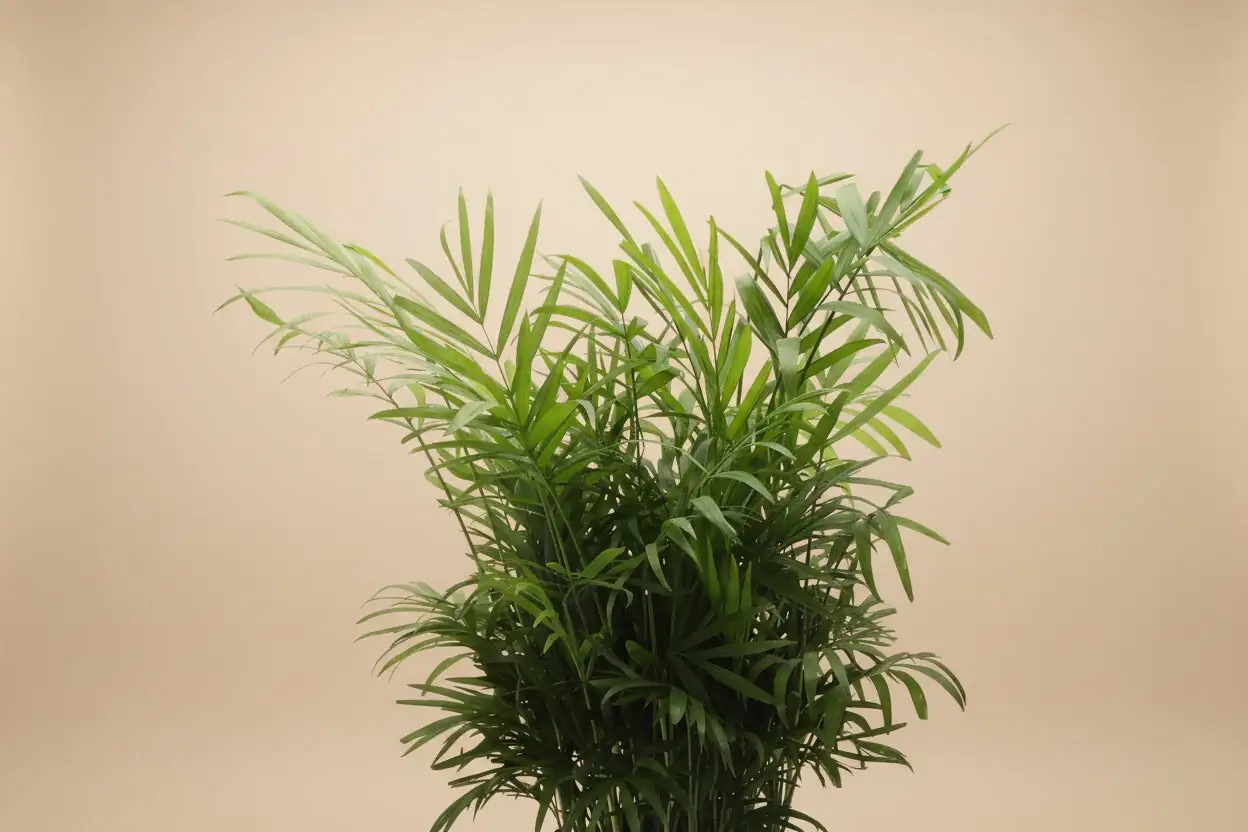
What Does It Mean? The Cultural Pathways Behind Its “Flower Language”
The “language of flowers” (花语) isn’t a single ancient code—it’s a braided tradition. For Parlor Palm, its modern meanings trace to three main threads: Victorian hospitality, evergreen longevity, and a winning trade name that stuck.
Victorian Parlors: The Silent Emblem of Welcome and Elegance
In the 19th century, parlors were where guests were greeted and conversations were savored. A palm that could look refined indoors without fuss was pure gold. Chamaedorea elegans became a darling of the parlor and conservatory—its graceful, fanlike fronds suggesting tact, composure, and tasteful gentility. This is how “welcome” and “everyday elegance” became core notes in its modern flower language.
Evergreen Youthfulness and Longevity
As an evergreen that can live with you for years, the Parlor Palm naturally reads as “staying youthful” and “long-lasting vitality.” Broader palm lore deepens this: across ancient cultures, palms conveyed endurance, victory, and long life. While Parlor Palm itself is a houseplant species, it inherits the family’s aura of resilience and continuity, translated indoors as steady vitality and calm constancy.
“Good Luck Palm”: A Trade Name That Shaped Meaning
Common names are powerful storytellers. Being widely sold as “Good Luck Palm” nudged the plant’s reputation toward prosperity and positive beginnings. Today, it’s an easy, elegant choice when you want to send supportive wishes without shouting—an auspicious green presence for a new home, a first apartment, or a fresh start at work.
The Parlor Palm’s Modern Flower Language (花语), Decoded
- Welcome and Hospitality: A gracious greeter for entryways and living rooms.
- Everyday Elegance: Understated, never showy—like good manners in plant form.
- Youthfulness: Fresh, feathery fronds symbolize staying vibrant and renewing gently.
- Longevity and Vitality: An easygoing evergreen that endures and uplifts over time.
- Good Luck: Popularly associated with smooth beginnings and supportive fortune.
- Tranquility: Its soft texture and gentle arching shape create a calm, composed mood.
Note on origins: Victorian floriography popularized the idea of plants as social signals, and evergreen houseplants like Parlor Palm baked “lasting vitality” into that code. The modern “good luck” layer rose with retail naming and gift culture—less ancient myth, more contemporary intention.
Feng Shui: Where to Place It for Meaning and Mood
The Parlor Palm is a “wood element” plant with a soft, upward growth pattern—excellent for gentle, nourishing qi. Place it where its lighting needs (bright, indirect light; tolerates medium to low) align with your intentions.
- Entryway or Foyer (Welcome): A compact palm near a bright, indirect-light spot sends a clear message of hospitality as guests arrive. Keep it several feet from harsh sun or drafts.
- Living Room (Harmony and Connection): East (Health/Family) or Southeast (Wealth/Abundance) corners suit the wood element beautifully. Use a sheer curtain if the sun is intense.
- Home Office (Clarity and Steady Growth): Near a north or east window to cultivate calm focus and “steady-upward” energy for projects.
- Bedroom (Restful Vitality): A small palm can soften corners and add restorative wood energy. Avoid floor vents or blasting AC.
- Bright Hallways and Stair Landings: Ideal as long as light is filtered and temperatures are stable.
Practical feng shui tip: Let the plant breathe—no cramped corners or stagnant, dusty fronds. Clean leaves invite fresh, supportive energy.
The Art of the Gift: When a Parlor Palm Says Exactly the Right Thing
- Housewarming or First Apartment: Signals “welcome,” “prosperity,” and “may your home thrive.”
- New Job, Promotion, or Launch: The Good Luck Palm quietly cheers on progress and steady growth.
- Weddings and Anniversaries: Evergreen elegance for love that lasts and stays fresh.
- Birthdays and Baby Celebrations: Youthfulness and gentle vitality without overwhelming fragrance or mess.
- For Pet Parents: Generally considered non-toxic to cats and dogs—an easy yes.
Presentation ideas:
- Choose a simple pot in natural textures (wood, ceramic, or matte stone) to play up its refined, evergreen calm.
- Include a note: “For welcome, grace, and good fortune—may this green companion grow with you.”
- For design-forward friends, consider water-culture display (roots in clean water, stem base above the waterline) for a modern, minimalist look—elegant and conversation-worthy when maintained well.
A Quick Care Capsule (So the Meaning Lasts)
- Light: Bright, indirect light is ideal; it adapts to medium or even low light with slower growth. Avoid harsh midday sun; use a sheer curtain or aim for roughly 30%–50% shade near strong windows.
- Water: Water thoroughly, then let the top 2–3 cm (about 1 in) of soil dry before watering again. Even moisture, never soggy. Reduce in autumn–winter. Use room-temperature water; if tips brown, try filtered or rainwater.
- Temperature: Aim for 18–24°C (64–75°F). Keep above 10°C (50°F) and out of drafts.
- Humidity: Prefers moderate to higher humidity; occasional misting or a pebble tray helps in dry seasons.
- Soil and Pot: Loose, well-draining houseplant mix with perlite/coarse sand and/or bark. Always use drainage holes. Repot every 2–3 years in spring—just a size up.
- Trimming: Remove fully brown or broken fronds at the base with clean pruners; avoid cutting green fronds.
- Pests: Watch for spider mites, scale, and mealybugs; act early with gentle insecticidal soap or horticultural oil.
- Bonus: Mature plants may produce small sprays of yellow flowers indoors—a subtle, happy surprise.
Hydro-style option: Rinse off soil, trim any rot, keep roots in clean water (stem base above water), refresh frequently—about every 3–5 days in summer, 10–15 in cooler months—then add a light hydro nutrient once it’s stable.
Why This Plant Still Feels So Right
Some plants broadcast; the Parlor Palm converses. It doesn’t demand attention—it rewards it. Born in dappled tropical understories and beloved in Victorian parlors, Chamaedorea elegans carries forward a simple promise: welcome in grace, grow gently, and stay. As a gift, a feng shui ally, or a faithful companion on a shelf, it embodies what we hope our rooms will say about us—elegant, warm, and quietly full of life.