

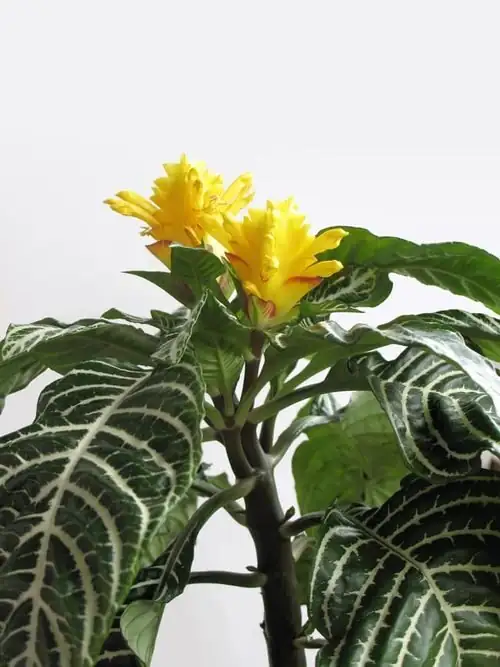
Imagine a glossy green canopy boldly striped in cream, suddenly erupting with a candle of golden bracts and tiny orange trumpets—your Zebra Plant’s standing ovation. If Aphelandra squarrosa has ever refused to reprise that performance, this is your practical, step‑by‑step action plan to secure reliable blooms every year: dial in warmth, bathe it in bright filtered light, keep the root zone steadily moist (never soggy), and prune with purpose after the show.
Meet the star: Aphelandra squarrosa (Zebra Plant)
- Origin: The humid, dappled understory of Brazil’s Atlantic Forest.
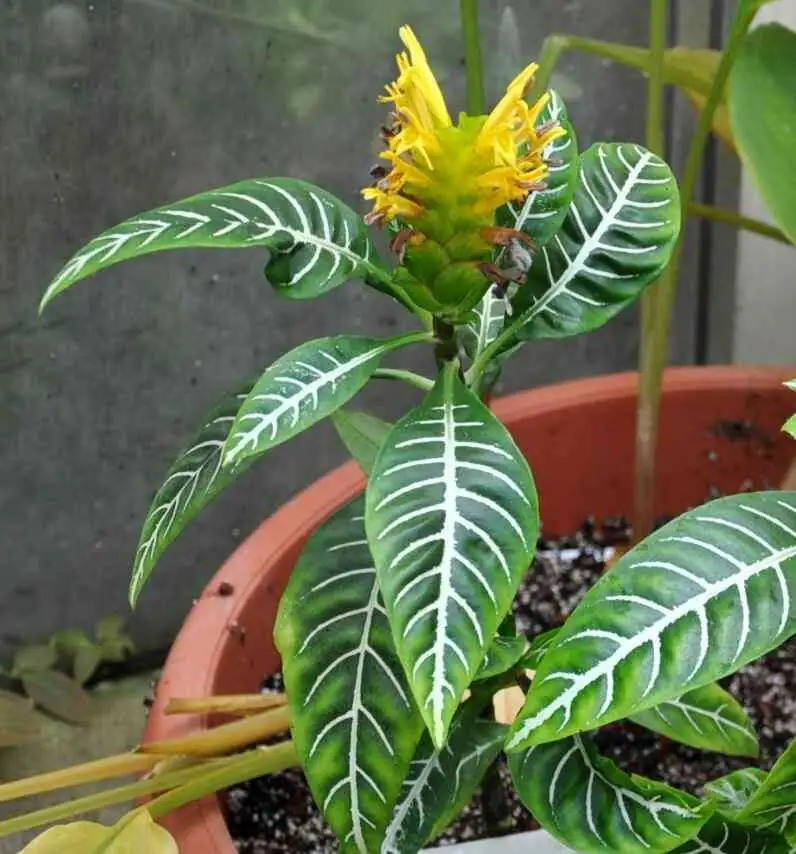
- Look: Deep-green, glossy leaves with creamy-white “zebra” veins; upright spikes of vivid yellow bracts holding small, orange tubular flowers.
- Habit: Compact, upright, and bushy indoors—usually around 60 × 60 cm (24 × 24 in), easily kept tighter with tip pinching.
- Bloom window: Often late summer to autumn indoors; the bracts hold for weeks, so the display looks “in bloom” longer than the flowers themselves.
The bloom-reliability action plan
1) Light: very bright, filtered, all day
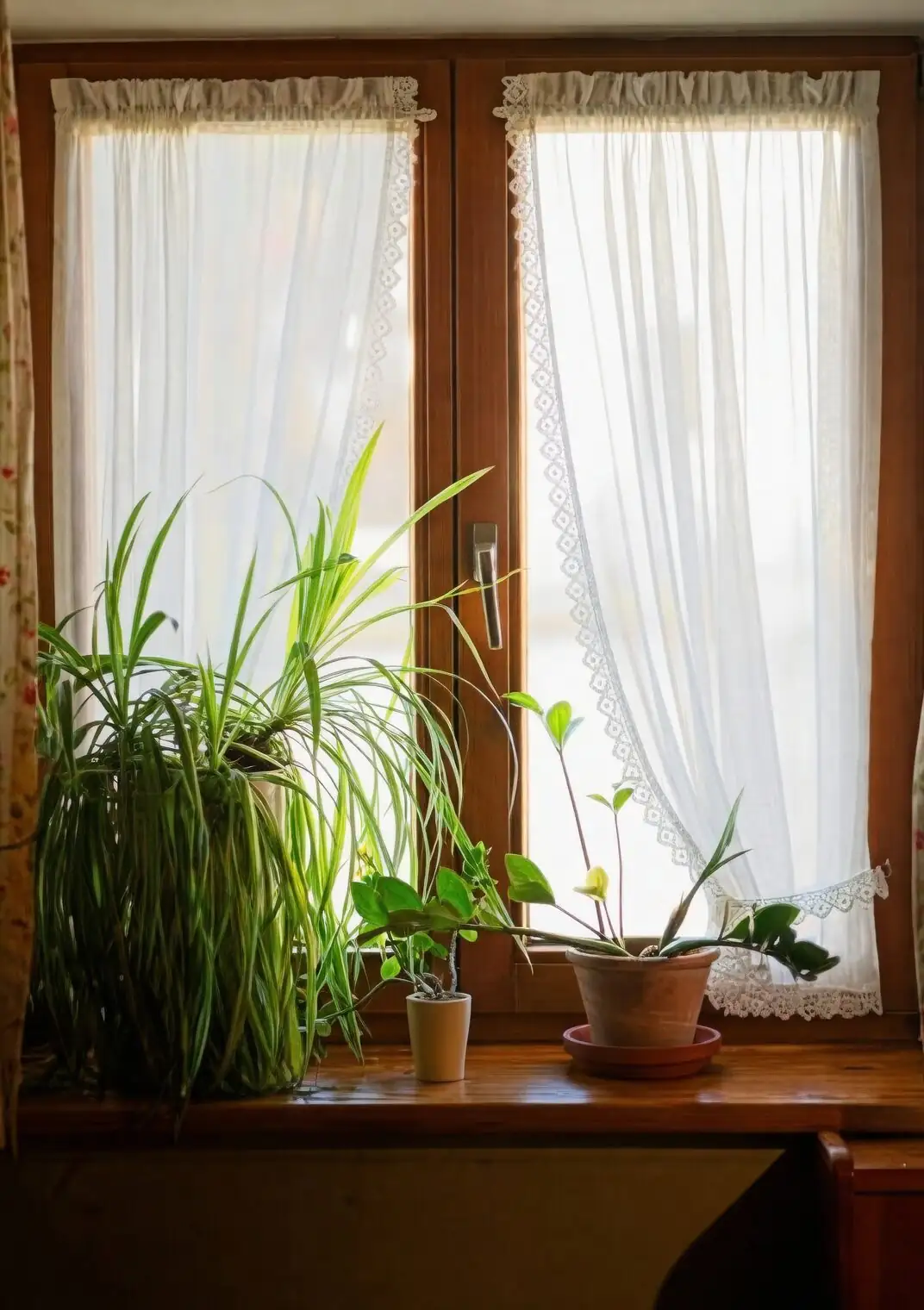
- Target: Bright, indirect light to gentle morning sun. Think east-facing window, or a bright south/west exposure softened by sheer curtains. North windows can work in summer if the room is bright.
- Avoid: Harsh midday/afternoon sun (leaf scorch) and dim rooms (leggy growth, weak color, poor bud set).
- Simple test: You should easily read a book without artificial light and see a soft, defined shadow throughout most of the day.
2) Warmth thresholds: keep it cozy for buds
- Sweet spot: 15–27°C (59–81°F) year-round.
- For bud set: Keep it consistently warm—many growers find the plant initiates buds more reliably above about 20°C (68°F).
- Winter safety net: Aim to keep at or above 10–13°C (50–55°F). Brief dips near 7°C (45°F) can be survived by established plants, but expect stress and leaf drop.
- Big no-no: Drafts and temperature swings. Warm, steady conditions beat short bursts of heat.
3) Humidity: more rainforest, less desert
- Baseline: 50–60% RH; happiest around 60–80%.
- Easy boosts: Humidifier, pebble tray, grouping plants, and occasional gentle misting (avoid soaking leaves late in the day).
- Airflow: Humid and airy, not stagnant—this helps deter leaf spot.
4) Moisture management: even, never sopping

- Growing season rhythm: Water when the top layer just begins to dry—commonly about twice a week in warm, bright conditions. Soak thoroughly, then drain; never let the pot sit in a saucer of water.
- Winter adjustment: Let the surface become nearly dry between waterings (often every 7–14 days), but do not let the root ball fully dry out. A single drought can trigger leaf drop.
- Water quality: Rainwater or distilled is ideal to avoid mineral/salt stress.
5) The right pot and mix: rich, airy, and free-draining
- Potting mix: A moisture-retentive yet breathable blend—try 2 parts peat/coir potting soil + 1 part perlite + 1 part fine orchid bark. Or a fertile loam style base with added peat and a little sand for drainage.
- Pot size: Mature indoor plants are comfortable in 15–20 cm (6–8 in) pots with generous drainage. Don’t jump multiple sizes at once.
- Repot timing: Annually in spring (or right after flowering) into fresh mix.
6) Feeding for flower power
- Spring–summer: Balanced liquid fertilizer about every 2 weeks; many growers use half strength to prevent salt build-up.
- Autumn–winter: Reduce or pause. If the plant keeps pushing new growth in a warm, bright spot, light monthly feeding is enough.
7) Pruning and shaping: more stems, more potential blooms
- After the show: When bracts fade, remove spent spikes. Then cut each flowering stem back to just above a lower set of leaves—often leaving about two leaf pairs. This encourages branching and sets the framework for next year’s display.
- Ongoing: Pinch soft tips during spring and early summer to keep a compact, many-stemmed plant that offers more bloom sites.
A season-by-season playbook
Spring
- Repot into fresh, airy mix; resume regular watering and biweekly feeding.
- Bright, indirect light; start tip pinching to encourage branching.
- Take stem tip cuttings (8–15 cm/3–6 in) if you want backups; root warm and humid at 25–27°C (77–81°F). Expect roots in roughly 4–5 weeks.
Summer
- Peak light without scorch: east windows excel; south/west need a sheer.
- Keep evenly moist; humidity to 60–80%. Watch for spider mites during dry spells.
- Maintain warmth above 20°C (68°F) to favor bud formation.
Autumn
- This is showtime for many plants indoors. Maintain steady moisture, good light, and reduce feeding as growth slows.
- Enjoy the long-lasting yellow bracts and the little orange tubular flowers peeking between them.
Winter
- Move to the brightest, warmest spot, away from cold glass and drafts.
- Water when the surface is nearly dry; keep humidity up.
- Feed lightly or not at all unless the plant is actively growing.
Troubleshooting your bloom
- No blooms or weak spikes:
- Light too low—move closer to bright windows or add sheer-filtered southern exposure.
- Temperatures too cool—keep consistently above ~20°C (68°F) during bud initiation.
- Irregular watering—avoid both droughts and soggy soil; refresh potting mix annually.
- Bud or bract collapse:
- Drafts or sudden temperature swings.
- Acute dryness at the root ball.
- Scorched, crispy leaves:
- Direct midday/afternoon sun. Add a sheer or step back from the window.
- Sudden leaf drop:
- Drying out once, cold drafts, or big temperature swings. Re-stabilize moisture, warmth, and humidity.
Health, pests, and prevention
- Common pests: Spider mites (especially in dry air), mealybugs, scale, aphids, and occasionally thrips.
- Prevention and treatment:
- Keep humidity up with good airflow.
- Inspect leaf undersides and along veins.
- Treat early with insecticidal soap or horticultural oil; isolate if needed.
- Disease watch-outs: Root rot from overwatering; leaf spot in stagnant, overly wet conditions. Water soil, not foliage late in the day, and ensure excellent drainage.
Placement that plants the win
- Indoors: A humid bathroom or kitchen with bright, indirect light is ideal.
- Windows: East is often perfect; north can work in summer; south/west with a sheer. In winter, use the brightest warm spot—often near a south window but away from drafts and cold glass.
Quick specs for success
- Size indoors: Typically to about 60 × 60 cm (24 × 24 in).
- Light: Bright indirect to partial shade; gentle morning sun tolerated.
- Temperature: Best 15–27°C (59–81°F); aim for ≥20°C (68°F) to encourage flowering.
- Humidity: Baseline ~50–60%; happiest 60–80%.
- Hardiness: Not frost hardy; outdoors year-round only in very warm climates (roughly USDA 11–12).
- Safety: Not widely listed as seriously toxic to pets; sap may irritate sensitive skin. Keep out of reach as a precaution.
Post-bloom pruning, reset, and next year’s show
1) Remove fading spikes and cut back flowering stems to just above lower leaves (leave about two leaf pairs).
2) Resume bright filtered light, steady warmth, and moderate feeding through spring/summer.
3) Pinch new tips to build a fuller canopy with more potential flowering points.
4) Repot into fresh mix in spring to refresh nutrients and aeration.
5) Maintain consistent moisture and humidity; no droughts, no cold drafts.
Propagation: insure your investment
- Take 8–15 cm (3–6 in) tip cuttings in spring to early summer.
- Strip lower leaves, place in a moist, airy medium, and cover for humidity or use a propagator.
- Keep warm at about 25–27°C (77–81°F); roots form in ~4–5 weeks.
Symbolism and the “flower language” note
Zebra Plant often symbolizes boldness and vibrant energy—hardly surprising given the high-contrast leaves and luminous golden bracts. As for formal “flower language” traditions, this species isn’t rooted in classic Victorian floriography; its modern meaning grows out of houseplant culture, where those billboard-bright bracts read as confidence and showmanship. In short: a living exclamation point for spaces that value drama done tastefully.
Your 10-minute weekly routine
- Rotate the pot a quarter turn for even light.
- Check the top centimeter of soil; water thoroughly if it’s just turning dry.
- Top up humidity if RH dips below 50%; aim for 60–80% during active growth and bud set.
- Wipe leaves to keep stomata clear and the zebra pattern gleaming.
- Inspect for pests along midribs and undersides.
- Nudge room temperature back into the warm, steady zone if needed.
Follow this cadence—warmth above 20°C through the budding phase, bright filtered light, evenly moist roots, and a decisive post-bloom prune—and Aphelandra squarrosa will reward you with reliable, long-lasting spikes of golden bracts and tiny orange flowers, year after year.