

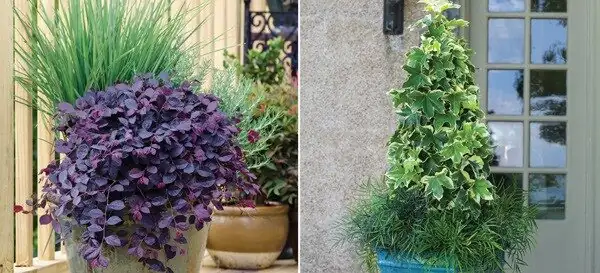
Lemon-bright flowers opening over clovery leaves on cool mornings—Cape shamrock (Oxalis pes-caprae) can turn late fall through spring into a buttercup-yellow celebration. But this is a guest with gusto. In many regions it multiplies fast from bulbs, sometimes enough to earn “invasive” status outdoors. The good news: with smart containment, you can craft dazzling, well-behaved seasonal carpets and containers—no escape, no regrets.
Here’s your blueprint: secure setups that keep bulbs where you plant them, companion choices that amplify color without adding spread risk, and regional do’s/don’ts for invasive-prone areas.
Meet Cape Shamrock (Oxalis pes-caprae)
- What it is: A bulb-forming perennial in the Oxalidaceae with bright green, shamrock-like leaves and soft, buttercup-yellow flowers.
- Origin: Southern Africa, especially the Cape region.
- Size and habit: Typically 10–30 cm (4–12 in) tall, forming dense clumps 20–60 cm (8–24 in) wide over time via multiplying bulbs.
- Bloom window: Autumn to spring (fall through spring).
- Light: Full sun to very bright light; flowers best with strong light and good ventilation. Tolerates partial shade with fewer blooms.
- Hardiness: Roughly USDA 9–11. Brief dips to about -5°C (23°F) are tolerated once established, but protect pots from hard freezes.
- Best uses: Containers, window boxes, seasonal groundcover displays in mild-winter climates.
Why gardeners love it: It’s easy, vigorous, and throws masses of cheerful yellow flowers when the rest of the garden is catching its breath.
Why gardeners worry: It spreads by bulbs (and tiny bulb pieces), naturalizing quickly in some regions—excellent in pots, risky in open soil where it’s invasive.

Design it like you mean it: eye-popping cool-season carpets (that behave)
Where this plant truly shines
- Balcony boxes, terrace troughs, bulb pans, and patio pots
- Lined, closed-bottom raised planters
- Courtyards and hardscape beds where containers sit on stone, not soil
These settings let you paint swaths of yellow without granting bulbs a pathway into surrounding ground.

Color recipes that flatter buttercup-yellow
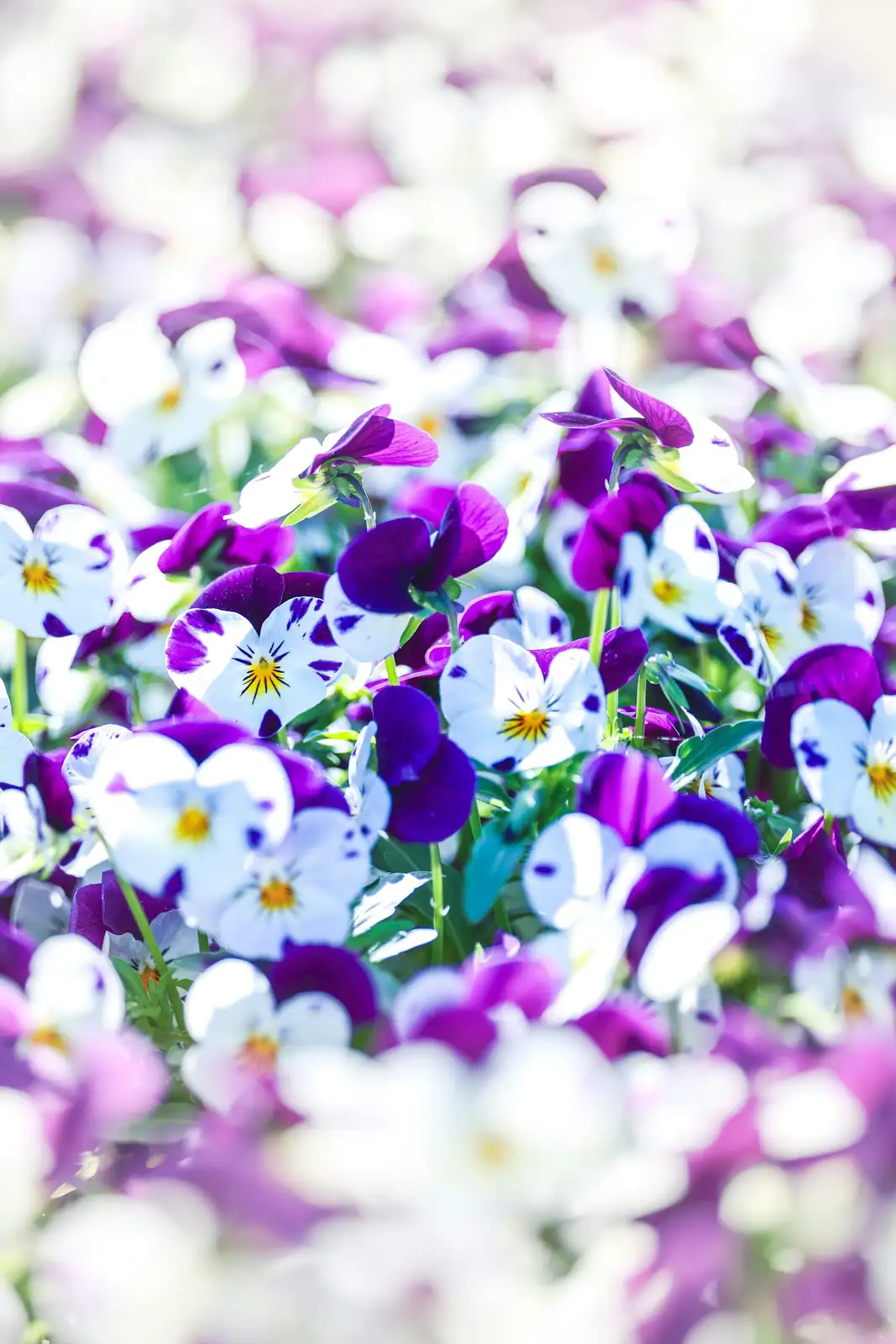
- Violet crush: Violas/pansies in deep purple, Nemesia in plum, or Lobelia erinus in cobalt to make the yellow pop.
- Citrus duet: Calendula (tangerine to apricot tones) for a warm, sunlit blend.
- Cloud-and-sun: Iberis (candytuft) or white alyssum for contrast and a fresh, spring-clean look.
- Texture mix: Dusty miller (Centaurea cineraria) or a compact heuchera for cool-toned foliage that steadies the brightness.
- Spring bulb chorus (contained): Dwarf Narcissus ‘Tête-à-Tête’ in the same planter for layered bloom.
Tip: Keep companions equally tidy and non-spreading. Annuals and small perennials are perfect teammates in closed containers.
Containment blueprint: enjoy the bloom, block the escape
Cape shamrock’s superpower is vegetative spread. In many invasive-prone areas, it expands primarily by bulbs and bulb pieces, not seed—meaning even tiny bulb offsets can restart a patch. Build your plan around that.
1) Start in secure vessels
- Choose closed-bottom pots, bulb pans, window boxes, or sealed raised planters.
- Pot size and spacing: A 15–20 cm (6–8 in) wide pot suits a small display; plant about 1–3 bulbs per pot for a full look.
- Planting depth: Typically 2–3 cm (0.8–1.2 in) deep for bulbs; offsets can be set 4–5 cm (1.6–2.0 in) deep.
- Mix: Use a free-draining, airy potting blend—peat-based with added perlite/vermiculite. Good drainage prevents rot and keeps bulbs healthy.
Set containers on hardscape (stone, deck boards) with a saucer if needed, not directly on soil.
2) Use barriers for any bed work
- If you must bed-plant for a show, sink a nursery pot or bulb basket with the rim sitting above the surrounding soil; backfill around it. This creates a neat “invisible pot-in-bed.”
- In raised planters, line the bottom with geotextile or mesh over a solid base so bulbs can’t pass through.
3) Practice spotless bulb hygiene
- Work over a tarp when dividing or repotting to capture every offset; even small bulb pieces with a visible “eye” can sprout in about a month.
- Never compost bulbs, offsets, or potting mix that held bulbs. Bag and dispose with household trash.
- Use fresh, bagged potting mix (not garden soil), and clean tools afterward. Don’t share clumps or soil with friends—share photos instead.
4) Seasonal management that keeps it tidy
- Active growth (fall–spring): Keep evenly moist (not soggy). Feed every 2 weeks with a balanced fertilizer; when flower stems appear, one feed slightly higher in phosphorus/potassium supports blooms. Remove yellowing leaves and spent flowers to keep the display crisp.
- Summer dormancy: Reduce watering to keep the mix only slightly moist and stop fertilizing. Store pots in a dry, shaded spot—off bare soil—to prevent stealthy escapes.
5) Why the fuss is worth it
In Mediterranean-climate coasts (like parts of California) and other mild regions, this species has a well-documented habit of forming persistent bulb banks. Cultivation and soil movement can inadvertently spread bulbils far and wide. Smart containment lets you keep the cheer without the chase.
Regional do’s and don’ts
- Mediterranean-climate coasts (e.g., coastal California, parts of the Mediterranean Basin, coastal Australia, New Zealand)
- Do: Grow only in closed containers on hardscape; keep pots well away from natural areas.
- Do: Bag all green waste, bulbs, and potting mix for the trash.
- Don’t: Plant directly in the ground or dispose of bulbs in green-waste/yard-waste streams where spread is a risk.
- Do: Check your local invasive species guidance before planting.
- Mild-winter zones (USDA 9–11 away from wildlands)
- Do: Use closed planters, patios, and roof decks; monitor for any stray bulbs.
- Don’t: Site containers where runoff can carry soil into adjacent beds.
- Colder zones (below USDA 9)
- Do: Treat as a seasonal houseplant or cool-season container on porches/patios; bring pots in before hard freezes.
- Note: Cold reduces outdoor persistence, but protected niches can still harbor bulbs—maintain container-only discipline and trash spent soil/bulbs.
Care essentials (fast and foolproof)
- Light: Full sun to very bright light; best flowering with strong light and good airflow.
- Temperature: Thrives around 20–28°C (68–82°F). Avoid hot, very dry heat. Brief cold to about -5°C (23°F) is tolerated; protect pots from hard freezes.
- Water: Keep evenly moist in active growth; never waterlog. In dormancy, scale back to slightly moist.
- Feeding: Every 2 weeks in active growth; one bloom-boosting feed (a bit higher in P and K) when stems appear. Stop feeding in dormancy.
- Grooming: Remove yellowing leaves; pinch off spent blooms for neatness and less mess.
- What not to wet: Avoid spraying water directly onto open flowers—petals can spot and brown.
- Pests/disease watch: Botrytis (gray mold), leaf spot, and root rot favor stagnant air and soggy soil—add airflow and drainage. In hot, dry spells, spider mites may stipple leaves; increase humidity and use insecticidal soap/horticultural oil or a suitable miticide as directed.
Safety check
This plant contains oxalates and is mildly to moderately toxic if eaten—especially to pets (cats/dogs) and grazing animals. Possible symptoms include drooling, vomiting, and stomach upset. Keep bulbs and foliage out of reach of children and pets.
Buying and propagation notes
- Choosing plants: For potted selections, look for rich green foliage that fills the pot and plenty of buds (bonus if 2–3 flowers are open). Avoid plants with damage or signs of pests/disease.
- Choosing bulbs: Pick clean, firm, plump bulbs with visible growth points (“eyes”) and no soft spots or blemishes. A circumference around 3–4 cm (1.2–1.6 in) or more is a solid benchmark.
- Propagation (container-contained!): Divide offset bulbs around the mother bulb and pot them up. Plant offsets 4–5 cm deep; whole bulbs 2–3 cm deep. Bulbs can be cut into sections if each piece has at least one eye. New leaves often appear in about a month, and spring-planted bulbs can flower the same year.
- Containment reminder: Do not share divisions or dispose of them in compost. Bag and trash any extras.
Companion picks that play nicely
- Cool-season annual partners (container-friendly):
- Violas/pansies (purple, blue, or white)
- Nemesia or Diascia (pastels to magenta)
- Lobelia erinus (sky to cobalt blue)
- Calendula (tangerine to butter yellow)
- Pericallis (cineraria) for a jewel-tone punch
- Dusty miller for silvery texture
- Small evergreen anchors:
- Compact heuchera cultivars
- Ornamental kale/cabbage for sculptural foliage
- Prefer to skip Oxalis entirely in high-risk areas? Try a “sun-and-silver” cool-season mix of pansies/violas + dusty miller + white alyssum, or ask your local extension/native plant society for non-invasive, regionally appropriate groundcovers (choices vary by region).
Symbolism and story
Those shamrock-like leaves earned Cape shamrock a reputation for “good luck,” though it isn’t Ireland’s true shamrock. Its cheerful persistence made it a sentimental stand-in—and its vigor explains the folklore: resilience, sunny optimism through the gray season, and a knack for returning year after year when conditions suit it. That same vitality is why containment matters wherever it’s prone to escape.
Quick do/don’t checklist
- Do grow in closed containers or lined planters on hardscape.
- Do use a sharp-draining mix and bright light with airflow for months of bloom.
- Do bag all bulbs, offsets, and used potting soil for the trash—never compost.
- Don’t plant in the ground in invasive-prone regions or near natural areas.
- Don’t spray open flowers with water; avoid soggy soil and stagnant air.
- Do keep away from pets and children; contains oxalates.
Cape shamrock can be the sparkliest highlight of the cool season—if you give it a beautiful stage and a firm backstage door. Plant with intention, contain with care, and you’ll get sunshine on stems all winter long, no weeding saga required.