

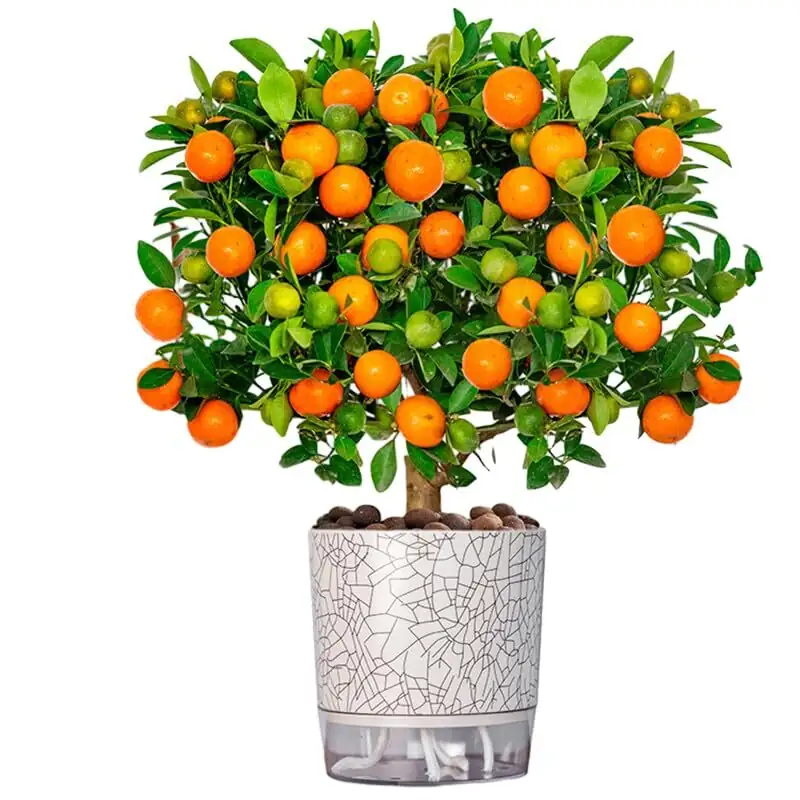
If you’ve ever wanted a citrus that behaves beautifully in a pot, perfumes spring air with starry blossoms, and hangs itself with golden fruits right when the house needs cheer—meet Citrus japonica, the kumquat. It’s compact, charming, and wonderfully edible (peel and all). With a few seasonal tweaks—sun with sensible midday protection, moisture you dial like a pro, a clever early-summer “water-withholding” nudge, indoor humidity boosts, and a smart feeding plan—you can keep it fruiting and festive year after year.
Meet Citrus japonica (kumquat), your compact, celebratory citrus
- What it is: A glossy, evergreen citrus loved for bite-sized, sweet‑peel/tangy‑flesh fruits.
- Where it shines: Pots on sunny balconies, patios, bright south- or east-facing windows, and conservatories.
- Size sense: Usually kept 2–5 ft (0.6–1.5 m) in containers; many display plants are in 8–10 in (20–25 cm) pots.
- Light and warmth: Bright light to full sun with a little midday shade in hot spells; happiest at 68–77°F (20–25°C).
- Not frost‑hardy: Keep above 45°F (7°C) in winter; brief dips below freezing can damage it.
- Difficulty: Moderate—very rewarding once you match light, moisture, and feeding to the season.
Your seasonal kumquat game plan
Late winter → early spring: After the show
This is when fruits are finishing or still glowing on the tree.
- Light
- Indoors: Brightest possible spot (south or east window). Clean the glass for extra lumens.
- Outdoors (mild climates): Keep it bright but shield from cold drafts.
- Water and humidity
- Keep soil just slightly drier than summer but never bone‑dry. Avoid “floods and famines.”
- Aim for steady moisture and moderate humidity; a pebble tray helps in heated rooms.
- The winter fruit‑drop trap (avoid it now, too)
- Big swings between very dry and very wet soil.
- Low light or cold, wet mix.
- Drafts or sudden temperature changes.
- Remedy: Max light, gentle and even watering, and no cold feet.
- Reset in early spring
- Remove any lingering fruits.
- Repot (about every 2 years) into a fresh, free‑draining citrus mix. Step up pot size only as needed.
- Prune before the spring flush: keep about 3 strong framework branches; on each, retain 3–4 plump buds near the base. Pinch tips once new shoots reach ~8 in (20 cm).
- Feeding
- When buds break and new leaves begin, start feeding about every 2 weeks.
Spring: Build a strong, compact canopy
- Light
- Give bright sun; in regions with intense sun, introduce outdoor light gradually and offer gentle midday protection to prevent leaf or young-fruit scorch.
- Water and humidity
- Aim for evenly moist, never waterlogged. Established plants handle a short dry spell better than soggy roots.
- Indoors, boost humidity with a tray or light morning misting plus good airflow.
- Training
- Pinch again once a new shoot has 5–6 leaves to encourage branching and fruiting wood.
- Remove weak or wayward shoots promptly.
Early summer: The “water‑withholding” nudge for flower buds
A classic grower’s trick to shift energy from leafy growth to flower‑bud formation.

- How to do it, step by step
- Wait until the plant is actively growing and weather is warm, with strong light.
- For 7–14 days, let the top 2/3 of the potting mix dry between waterings (use a finger or moisture meter). Watch closely.
- Signs you’re in range: leaves feel firmer and slightly less glossy, but do not allow full wilting or leaf curl.
- As buds begin to appear, they’ll look plump and slightly lighter. The moment they swell, return to normal, even moisture.
- Maintain bright light, but protect from harsh midday sun in heatwaves.
- Pro tips
- This is a controlled dry‑down, not a drought. If leaves flag noticeably or curl, water right away.
- Avoid high‑nitrogen feed during this nudge; you want buds, not more leafy shoots.
Late summer → early autumn: Prime for bloom and set
- Feeding
- Provide a stronger pre‑bloom feed to support flowering and fruit set.
- Water and humidity
- Keep moisture consistent—no extremes now. A little extra humidity supports bloom.
- Pollination
- Indoors, hand‑pollinate: use a soft brush or cotton swab to move pollen among the sweet, white flowers to improve fruit set.
Autumn → winter: Fruit sizing, coloring, and the “no‑drop” rules
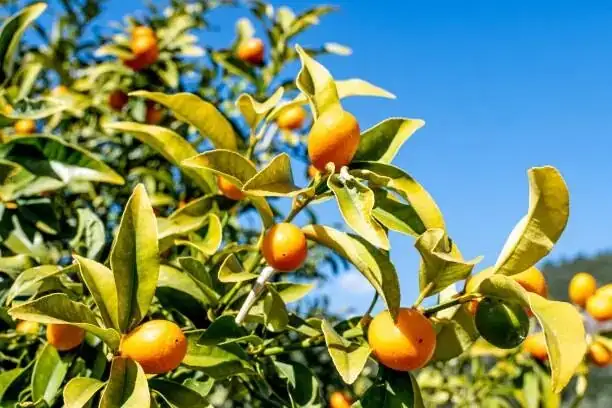
This is kumquat’s glory season.
- Feeding for fruit sizing
- As fruits enlarge, feed about every 10 days with a citrus fertilizer favoring phosphorus and potassium (lower nitrogen).
- Stop feeding once fruits reach full color and begin to ripen.
- Water and humidity
- Keep moisture steady—avoid dramatic swings that trigger fruit drop.
- Slightly drier than summer yet never parched; empty saucers so roots don’t sit in water.
- Indoors, raise humidity (pebble trays, grouping), but avoid late‑day leaf wetting.
- Light and temperature
- Maximum light is non‑negotiable for good color. Keep above 45°F (7°C).
- Avoid cold, wet soil—this combination often leads to leaf or fruit drop.
- The classic winter fruit‑drop checklist
- Don’t: Overwater in low light, let it go bone‑dry, move it constantly, or park it near blasts from radiators or exterior doors.
- Do: Keep it bright, evenly moist, slightly on the dry side, and draft‑free.
Light like a pro: bright sun with sensible midday protection
- Aim for strong sun (east or south exposure). Outdoors in hot summers, filter the midday blaze with sheer cloth, dappled shade, or a shift to morning sun + bright afternoon shade.
- Under‑lit signs: lanky growth, sparse flowering, dull leaves.
- Over‑lit/heat signs: leaf edge scorch or pale patches, especially on young fruits. Add a bit of midday protection and ensure even moisture.
Watering and humidity, decoded
- The even‑moisture method
- Water thoroughly, then let the top inch or two of mix dry before watering again in active growth.
- In winter, let the mix get slightly drier, but never to dust.
- Lift the pot: it should feel lighter before you water. A moisture meter can help learn your plant’s rhythm.
- Humidity indoors
- Target moderately humid air—use a pebble tray, group plants, or lightly mist in the morning.
- Maintain airflow to deter disease; avoid chronically wet foliage late in the day.
Soil, pot, and repot rhythm
- Mix recipe (well‑aerated yet moisture‑retentive)
- A fertile citrus blend that drains fast: loam/compost or leaf mold + peat/coir + coarse sand or similar grit.
- Container savvy
- Use a pot with ample drainage; step up gradually to avoid a large volume of wet, cold mix around the roots.
- Repot about every 2 years, right after the display season ends and fruits are removed. Keep as much of the original root ball intact as possible.
Pollination and fruiting tips indoors
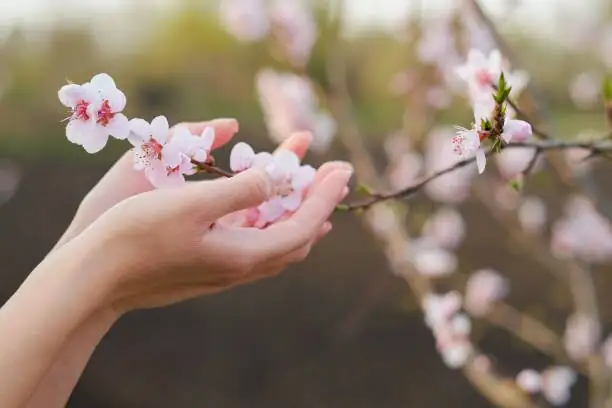
- Kumquats are self‑fertile, but indoor air is still air—help it along.
- During bloom, gently brush from flower to flower once daily.
- Keep the room warm and moderately humid for best pollen viability.
Pruning, shaping, and training (spring)
- Structure first: Maintain about 3 strong framework branches.
- Pinch tips at ~8 in (20 cm), then again after 5–6 leaves on new shoots.
- Remove dead, weak, or out‑of‑season autumn shoots promptly so energy goes to fruiting wood.
Feeding calendar at a glance
- Early spring (new growth): Feed every ~2 weeks.
- Late summer to early autumn (pre‑bloom): Increase feeding strength to support flowering and set.
- Fruit enlargement: Feed every ~10 days, favoring higher P/K to size and color fruit.
- When fruits fully color: Stop feeding until the next growth cycle.
Troubleshooting quick hits
- Sudden fruit drop
- Usual culprits: dry/wet extremes, low light, cold drafts, or cold wet soil in winter.
- Fix: Brighten light, stabilize watering, and keep the root zone warm and aerated.
- Leaf scorch or pale patches
- Intense midday sun + heat; add temporary shade and keep moisture steady.
- Yellowing leaves with green veins
- Possible soggy roots or alkaline mix; improve drainage and consider a chelated iron supplement.
- Sticky leaves or speckling
- Scale or spider mites. Treat early with horticultural oil or insecticidal soap; repeat as directed.
- Disease watch
- Citrus canker or scab may appear as raised lesions or scabbed spots. Improve airflow, avoid late‑day leaf wetting, remove infected bits, and where permitted, use copper‑based preventives (follow local rules and labels).
Buy well, start strong
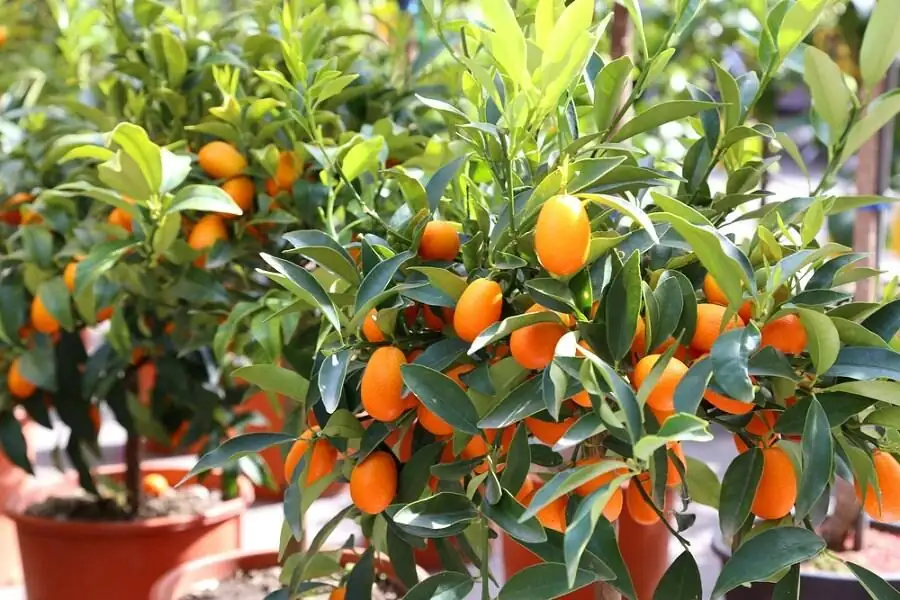
- Choose a plant with a balanced canopy and evenly distributed, plump, bright fruits.
- Skip specimens that look freshly potted into loose, brand‑new mix—they often shed leaves and fruit soon after purchase.
Advanced corner: propagation and grafting windows
- Best results come from grafting to maintain cultivar traits and accelerate fruiting.
- Cleft/branch grafts: March–April
- Approach grafts: around June
- Bud grafts: June–September
- Common rootstocks include trifoliate orange and sour citrus types; seed growing is possible but slower and variable.
Safety, harvest, and flavor
- Safety: Generally considered non‑toxic for typical household exposure; citrus oils in leaves/peel can mildly irritate sensitive skin, and pets that chew a lot may get minor stomach upset.
- Harvest: Pick when fruits turn fully golden‑orange and feel firm.
- How to eat: Pop the whole fruit—sweet peel meets tangy flesh for a zesty, candy‑citrus bite.
A little lore (and “flower language” with context)
Kumquat is a beloved Lunar New Year plant. Clusters of golden fruits symbolize prosperity and good fortune, so a fruit‑laden tree by the door practically beams “welcome and wealth.” While there isn’t a classical “flower language” tradition specific to kumquat blossoms, its cultural symbolism is deep: bright gold equals abundance, and the long‑lasting winter display stands for steadfast luck in the new year.
—
With bright light and a touch of midday tact, water that’s steady (with that early‑summer nudge), a humidity hug indoors, and a targeted feeding plan, Citrus japonica will repay you with glossy leaves, fragrant spring blooms, and winter bowls of sweet‑peel sunshine.