

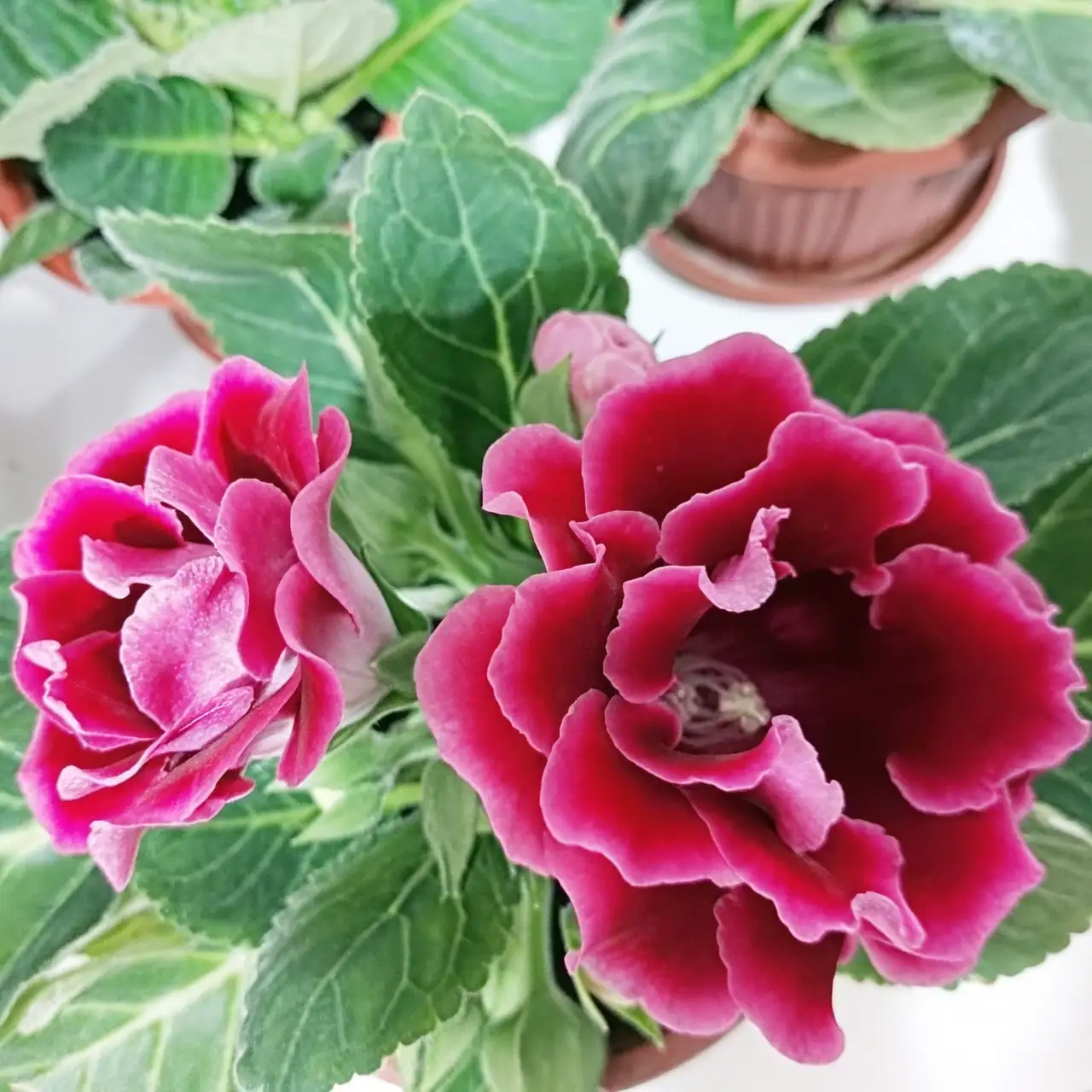
Velvet trumpets, plush leaves, and an old-fashioned name that just won’t quit—no wonder florist’s “gloxinia” has charmed windowsills for two centuries. Here’s the twist: those lush, gift-ready plants in bloom are not true Gloxinia at all. They’re Sinningia speciosa—Brazilian by birth, Victorian by fame, and totally deserving of their own story. Let’s untangle the myth, trace how the mislabeling stuck, and turn that history into practical, modern care that keeps your plant flowering for months.
Gloxinia vs. Sinningia: The myth, the mix-up, the facts
- The plant most people buy as “gloxinia” is Sinningia speciosa, a tuber-forming member of the Gesneriaceae (the African violet family).
- True Gloxinia is a different genus (think Gloxinia perennis), most often rhizomatous and quite unlike the compact, rosette-forming florist’s plant.
- The common name stuck through pure horticultural inertia—decades of print, popularity, and marketing—despite the botanical correction.
How the label stuck
- 1815: Plants arrive in England from Brazil.
- 1817: Published and illustrated as Gloxinia speciosa in influential periodicals. The look matched the “gloxinia vibe,” and the nickname took off.
- 1877: W.P. Hiern formally transfers it to Sinningia. By then, it’s a household favorite; catalogs and gardeners keep calling it “gloxinia.”
- Result: Two hundred years on, “florist’s gloxinia” remains the beloved (if inaccurate) stage name for Sinningia speciosa.
Spot the real difference at a glance
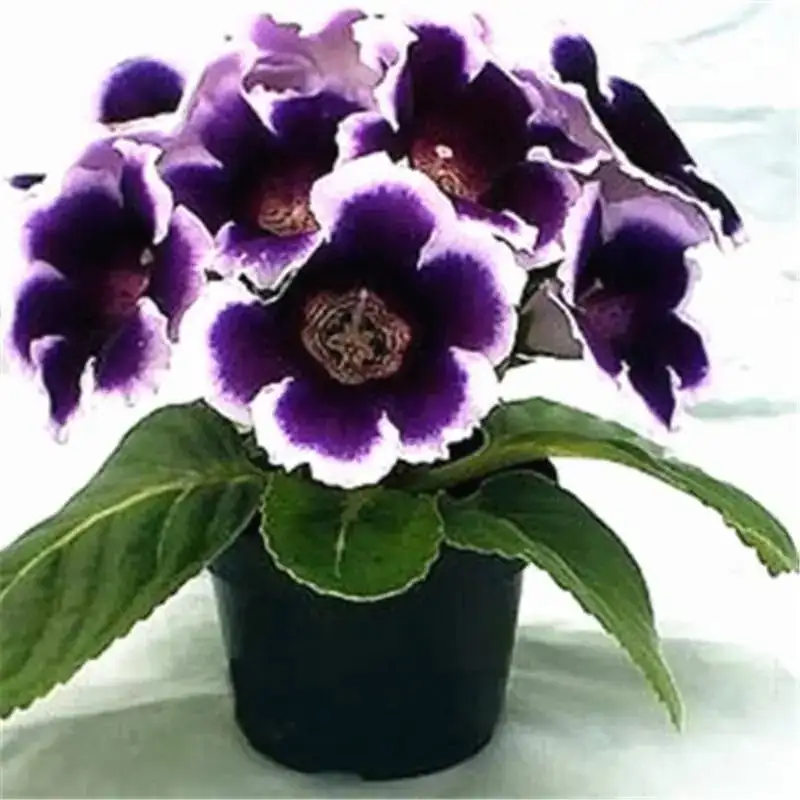
- Storage organ
- Sinningia speciosa: Tuber (like a rounded, energy-storing bulb).
- True Gloxinia: Rhizome (often scaly in species like G. perennis).
- Growth habit
- Sinningia speciosa: Compact rosette of velvety leaves; showy, bell-to-trumpet blooms rise above.
- True Gloxinia: Generally more upright, cane- or rhizome-derived growth, different overall silhouette.
- Culture and display
- Sinningia speciosa: Classic indoor pot plant with months-long floral displays in rich reds, pinks, purples, whites, bicolors, and doubles.
Meet Sinningia speciosa, the modern star
Native to Brazil, S. speciosa grows on warm, rocky outcrops in tropical forests. As a houseplant it stays compact—about 15–30 cm (6–12 in) tall and wide—with thick, plush leaves (sometimes reddish underneath, and occasionally variegated) and large, velvety funnels of bloom. Given bright filtered light, steady warmth, and careful watering that never wets the leaves, it can stage an indoor flower show from late spring into autumn, occasionally pausing in midsummer heat.
Care, not guesswork: the essentials that keep it blooming
Light
- Best: Bright, indirect/filtered light.
- Ideal spots: East window; south window with a sheer curtain.
- Avoid: Harsh midday sun (scorches) and dim corners (weak, pale growth and fewer flowers).
Temperature and humidity
- Active growth: 16–24°C (61–75°F).
- Heat note: In hot, muggy midsummer, plants may slow or go semi-dormant—normal. Ease watering and let them rest.
- Winter rest: Cooler and drier is best—about 10–12°C (50–54°F). Some growers manage a lighter rest around 15–17°C (59–62°F). Always keep above 5°C (41°F).
- Humidity: 50–70% with good airflow. Skip leaf misting—use a pebble tray or a humidifier instead.
Watering
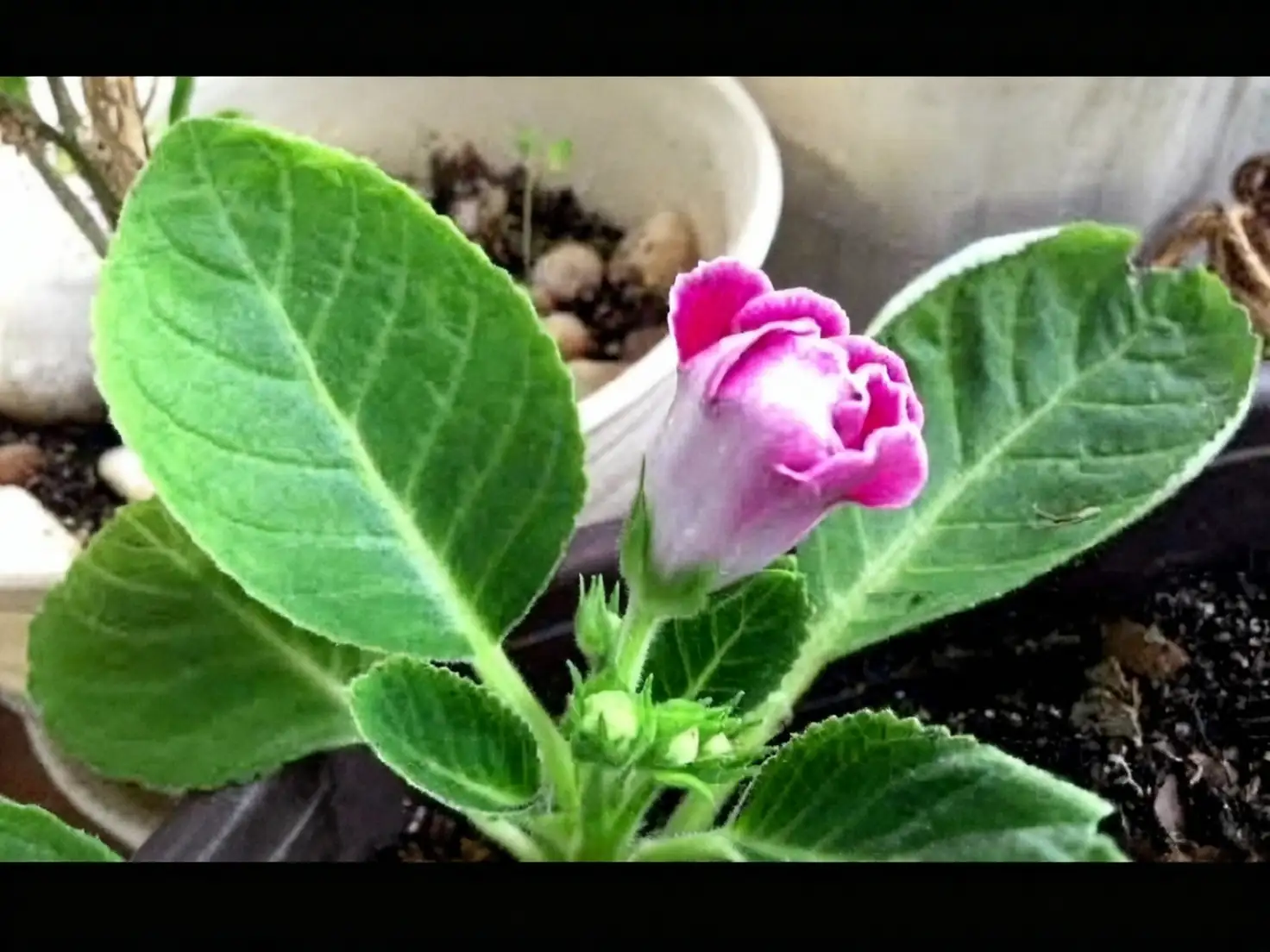
- During growth and bloom: Keep the potting mix evenly moist, never soggy. In many homes that’s roughly twice per week—adjust for pot size, temperature, and airflow.
- Technique matters: Water at the soil level (around the pot edge or between leaves) or bottom-water. Do not leave the pot standing in water.
- Why so careful? The velvety leaves and petals spot and rot easily if wet.
Feeding
- Feed every 2 weeks during growth and flowering.
- Start balanced, then switch to a bloom-leaning formula higher in phosphorus and potassium once buds form (for example, around 15-15-30).
- Always feed onto moist soil—and keep fertilizer off the foliage.
- Pause feeding during dormancy or semi-dormancy.
Soil and potting
- Mix: A loose, fertile, well-drained blend—think African violet mix (peat or coco coir with perlite). Enrich lightly with compost/leaf mold if desired; add coarse sand/perlite for airflow.
- Tuber placement: At or slightly above the soil surface.
- Pot size: Many cultivars thrive in 12–15 cm (4.7–5.9 in) pots. A snug fit can encourage better blooming.
- Repot timing: In spring as the tuber sprouts, or after flowering finishes. Refresh mix every couple of years.
Placement smarts
- Indoors: Bright windowsills, tabletops, and offices with filtered light and steady warmth.
- Keep away from: Heating vents, blasts of hot/cold air, and ripening fruit. Ethylene gas from fruit can trigger bud drop and shorten the display.
- Outdoors: Only in truly frost-free climates (roughly USDA Zone 10–11; sometimes cited as 11–12 with perfect microclimate). Protect from cold snaps.
A year in the life: simple calendar
- Spring: Tuber wakes (often April). Repot if needed; begin watering gradually; start feeding when new growth is underway. Sow seed at 15–21°C (59–70°F).
- Late spring to autumn (often May–October): Peak growth and flowering. Keep evenly moist; bright filtered light; feed every 2 weeks; deadhead faithfully.
- Midsummer heat: Blooming may pause; growth may ease up. Offer bright shade, cooler air if possible, and reduce water/feeding.
- Winter: Provide a cool, drier rest (about 10–12°C / 50–54°F). Keep above 5°C (41°F). Resume more regular watering and feeding as new growth returns.
More flowers, longer show
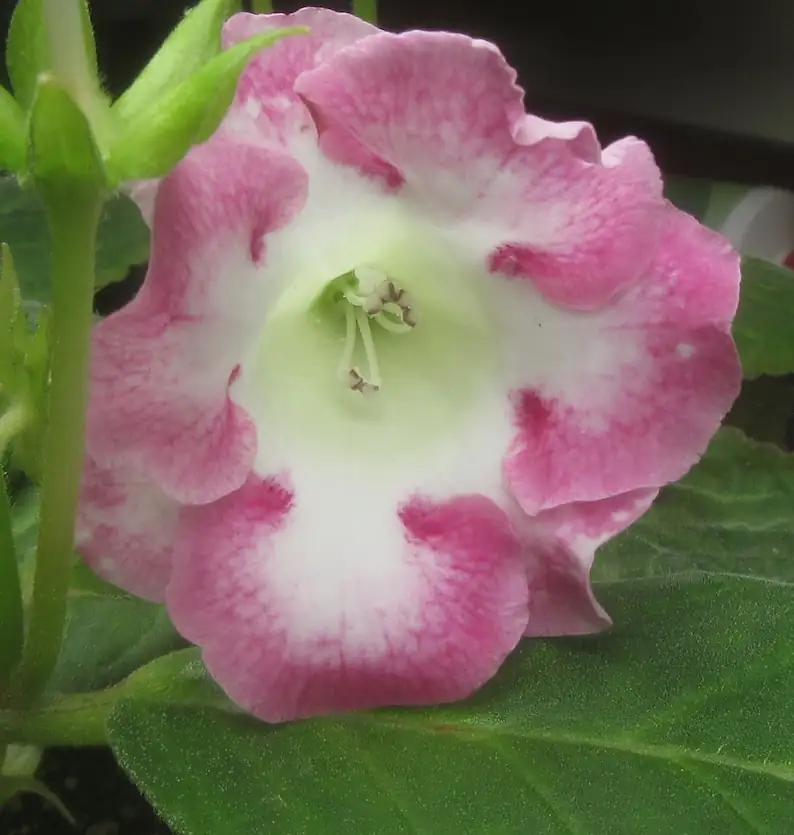
- Deadhead promptly. Remove spent blooms and cut the stalks; don’t let the plant waste energy on seed unless you’re breeding.
- If you do want seed: Hand pollination boosts success. Use a soft brush to move pollen to the stigma, remove petals afterward to reduce rot, and expect capsules to ripen in about 30–40 days.
- Color and longevity tips: Bright filtered light holds rich hues; avoid ethylene from fruit and stale, damp air.
Propagation you can actually do
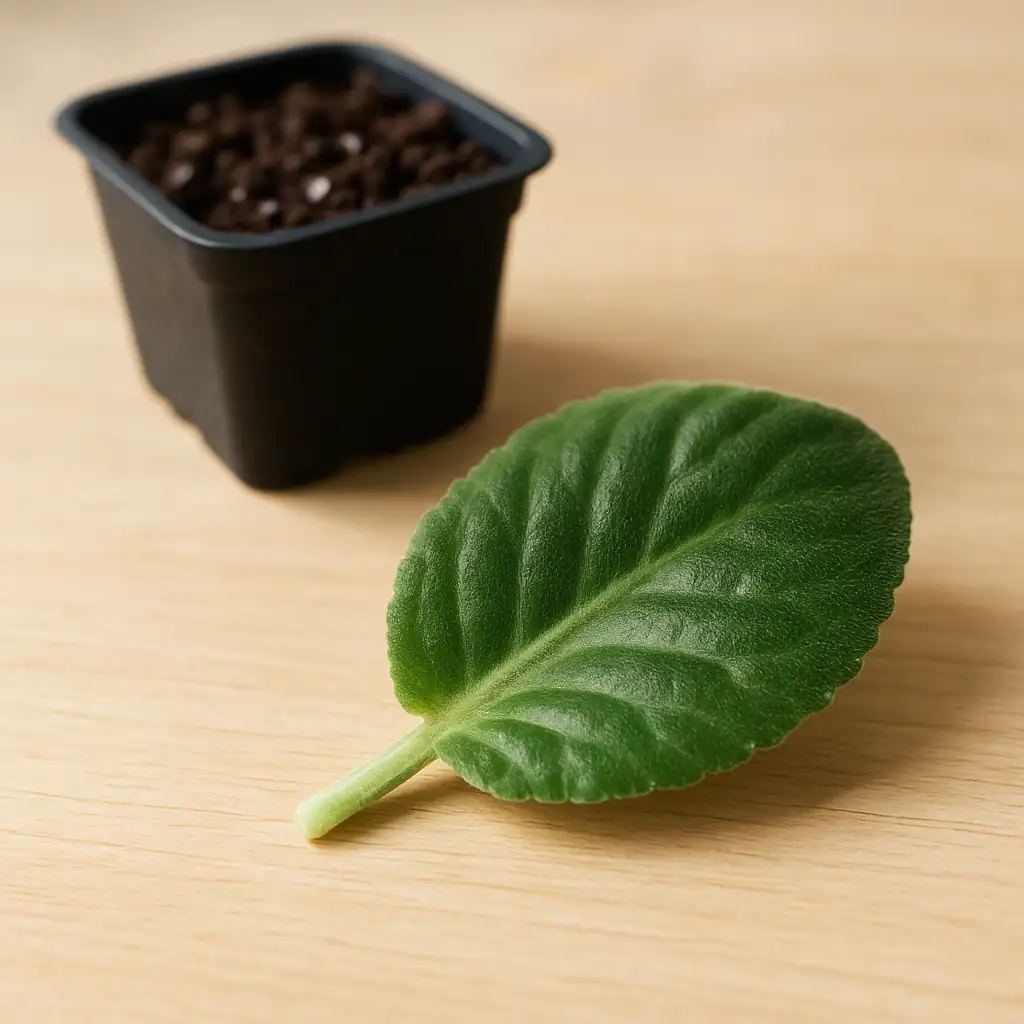
- Leaf cuttings (fast and satisfying)
- Take a healthy mature leaf with about 1 cm (0.4 in) of petiole.
- Let the cut dry briefly in the shade, then insert into perlite/coarse sand or a light mix.
- Keep warm, shaded, and humid; roots often appear in 10–15 days.
- Seed (spring)
- Dust-fine seed—sow on the surface; do not cover.
- Germinate at 15–21°C (59–70°F); sprouts commonly appear in 2–3 weeks.
- Pot up when seedlings have ~6–7 true leaves; many will flower by autumn.
- Tuber division (spring)
- Divide as growth starts. Use sterile tools and clean media—especially important if nematodes or damping-off have been issues.
- Tip from some growers: Keep one strong sprout per tuber for maximum flower power.
Troubleshooting: myths to ditch, fixes to try
- “They love a good mist.” Not these leaves. Misting spots velvety foliage and invites rot. Raise humidity around the plant, not on it.
- “Full sun equals more flowers.” Not so. Harsh sun scorches and stalls. Bright, indirect light is your sweet spot.
- “They always die after blooming.” They’re tuberous perennials. Many gift plants are tossed, but with a cool, drier rest they rebound and bloom again.
- “It’s all just ‘gloxinia’ anyway.” Botanically, no. Your florist’s favorite is Sinningia speciosa; true Gloxinia is a different genus.
- “Any old spot on the table will do.” Keep them away from fruit bowls—ethylene gas can cause bud blast—and provide fresh air without cold drafts.
Pests, diseases, and prevention
- Common pests: Mealybugs, spider mites, aphids, fungus gnats; occasional chewing pests on tender growth. Root mealybugs can occur in the mix.
- Diseases to watch: Leaf spot, gray mold (Botrytis), powdery mildew, crown/root rot. Seedlings can damp off; foliar nematodes are serious when present.
- Prevention basics:
- Bright filtered light and steady airflow.
- Water at soil level; never soak the crown or leaves.
- Free-draining mix; don’t let the pot sit in water.
- Quarantine new plants; disinfect tools and pots.
Buying and handling like a pro
- Choose compact plants with plush, unblemished leaves and a mix of open flowers plus green buds for a longer show.
- Strong, upright stalks and saturated color indicate good culture. Doubles, bicolors, and variegated foliage forms are especially striking.
- Buying dormant tubers? Pick fresh, firm, plump ones (ideally ≥2 cm / 0.8 in in diameter); avoid shriveled or soft tubers.
Safety note
Toxicity for Sinningia speciosa isn’t strongly documented and is generally treated as low concern, but it’s smart to prevent pets and children from chewing or ingesting any part of the plant.
Symbolism: why “love at first sight” fits
Victorian floriography loved bold, tactile beauty, and Sinningia speciosa delivered velvet drama on a windowsill. That likely underpins its common associations with “love at first sight,” admiration, and show-stopping elegance. In modern gifting, it still reads as ardent and theatrical—just remember that flower language is a cultural construct, not a scientific rulebook, and meanings shift with context.
Quick reference cheat sheet
- Light: Bright, indirect (east window ideal; sheer-filtered south works).
- Water: Evenly moist in growth; never soggy; keep foliage dry.
- Temperature: 16–24°C (61–75°F) in growth; cooler, drier rest around 10–12°C (50–54°F).
- Humidity: 50–70% with airflow; no foliar misting.
- Feeding: Every 2 weeks; switch to bloom-leaning when buds form; stop during rest.
- Soil: African violet-style mix; tuber at/slightly above surface.
- Pot: 12–15 cm; snug is fine. Repot in spring or after bloom.
- Don’t forget: Deadhead; avoid fruit-bowl ethylene; protect from heat waves and cold drafts.
Myth busted, plant rescued: Sinningia speciosa may wear the “gloxinia” name in shops, but it has its own identity—and when you honor that with the right light, cool rests, and dry leaves, it will repay you with months of velvety bloom.


