

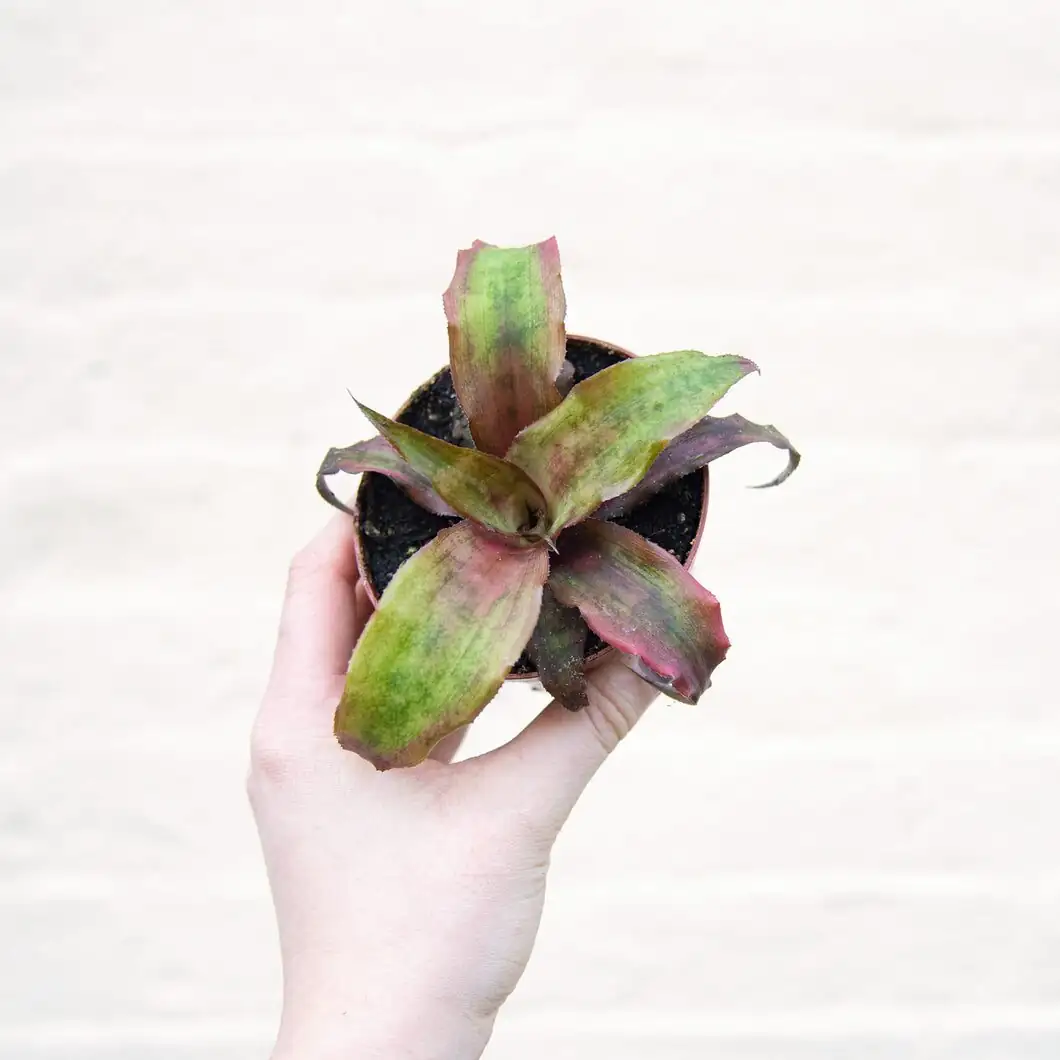
Earth star (Cryptanthus bivittatus) is the pocket-sized bromeliad that behaves like a living firework—compact, starry, and shockingly colorful when you get the light, water, and humidity just right. Follow this dialed-in guide to bring out those vivid pinks and reds without flirting with rot, plus a foolproof plan to acclimate yours to a sunny windowsill and use rainwater or distilled water year-round.
Meet the Earth Star: small stature, big impact
- What it is: A terrestrial bromeliad from eastern Brazil’s warm, humid Atlantic Forest.
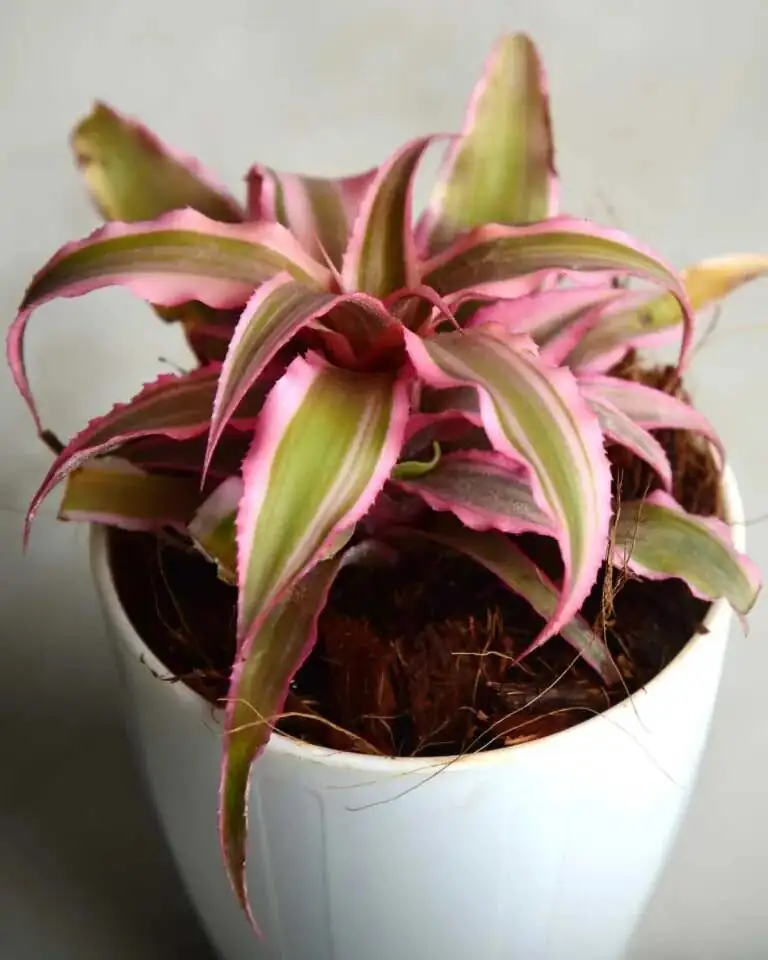
- Look and size: A flat, star-shaped rosette about 15 × 15 cm (6 × 6 in), with rippled, lightly toothed leaves striped and flushed in greens, pinks, reds, oranges, or purples depending on light and variety.
- Flowers: Small, usually white, tucked in the center; grown primarily for foliage. Indoors, blooms are intermittent—most common in warmer months.
- Habit: Low and compact; produces offsets (pups) slowly over time.
- Pet-friendliness: Generally considered non-toxic to people and pets (sap may mildly irritate sensitive skin).
Light that paints it pink (without crisping the tips)
Brighter light equals richer color. Indoors, aim for bright light with some direct sun. A sunny windowsill is ideal—as long as you acclimate.
What “bright” looks like
- Best spots: East or west windows; a south window with a sheer curtain or some distance back.
- Goal: Several hours of bright light daily; gentle morning sun is gold. Colors intensify in stronger light.
- Watch-outs: Too little light = greener leaves and looser form. Too much, too fast = bleached patches or crispy tips.
Windowsill acclimation plan (2–3 weeks)
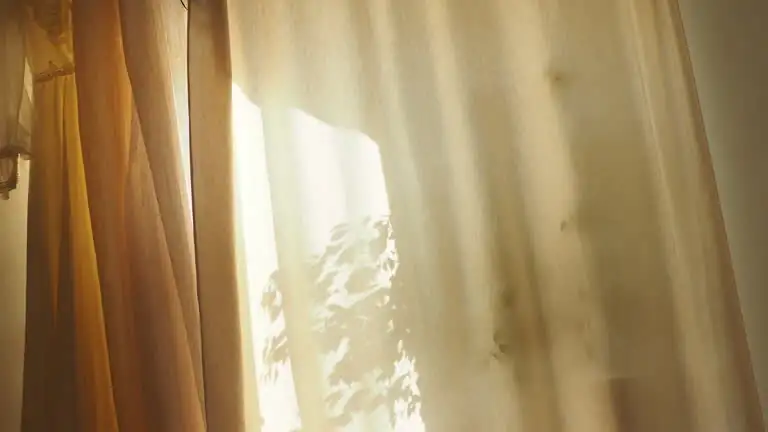
- Week 1: Place 1–1.5 m (3–5 ft) from a sunny window or behind a sheer curtain. Give bright, indirect light plus 30–60 minutes of soft morning sun.
- Week 2: Move closer—within 0.5–1 m (1–3 ft). Add another 30–60 minutes of direct morning sun.
- Week 3: Park it on the sill. In strong climates, keep a sheer curtain for midday. In gentler sun, it may handle several hours of direct light.
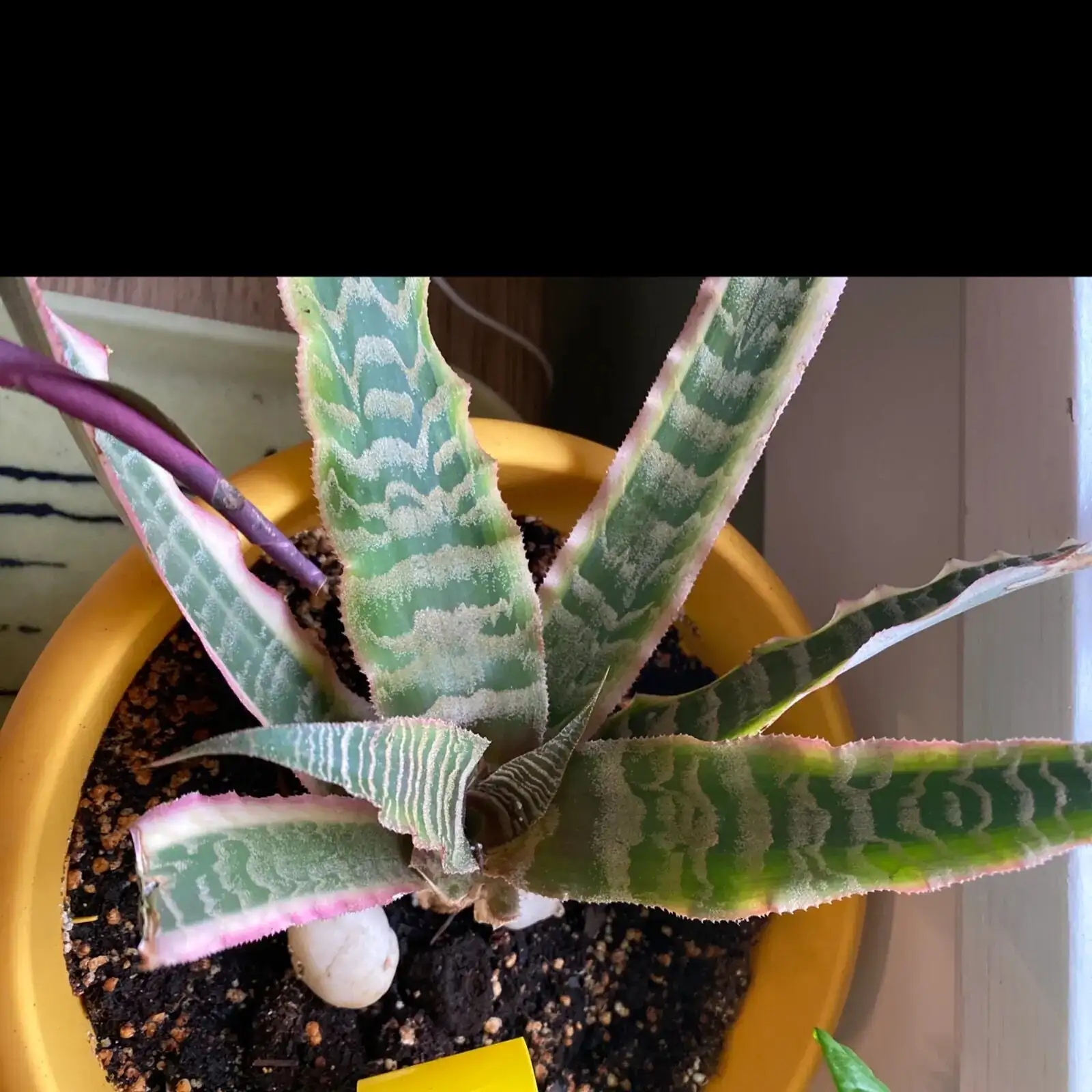
- Signals to adjust: Fading color or stretching = not enough light. Silvered/bleached patches or crispy edges = scale back direct sun, add sheer, or move a bit off-sill.
- Pro tip: Rotate the pot a quarter turn weekly to color evenly.
Watering that prevents rot and mineral spots
Earth stars like consistent moisture in the growing season—but hate being waterlogged. Use rainwater or distilled water for best leaf quality and color.
Your year-round water routine
- Spring–summer: Keep the mix evenly moist, never soggy. Water when the top 1–2 cm (½–¾ in) is dry.
- Autumn–winter: Let the mix approach “just barely moist.” Water less often.
- How to water:
- Moisten the potting mix thoroughly, then let excess drain freely. Never leave the pot standing in water.
- Avoid leaving water pooled in the rosette/crown. If it splashes in, tip the plant to drain it or blot gently.
- Why rainwater or distilled: Reduces mineral buildup and chlorine/chloramine exposure that can dull colors and brown leaf edges.
- Misting: If indoor air is dry, lightly mist with lukewarm rainwater/distilled water in the morning so leaves dry by evening.
Humidity and airflow: plump leaves, no mush
- Sweet spot: Moderate humidity is fine; higher humidity improves leaf quality and sheen.
- Easy boosts: Group plants, use a pebble tray with rainwater/distilled water, or run a nearby humidifier. Keep airflow moving; stagnant air invites rot.
- Terrariums: Works in warm, airy terrariums with ventilation. Avoid sealed setups that trap constant moisture.
The mix and the pot: air under every root
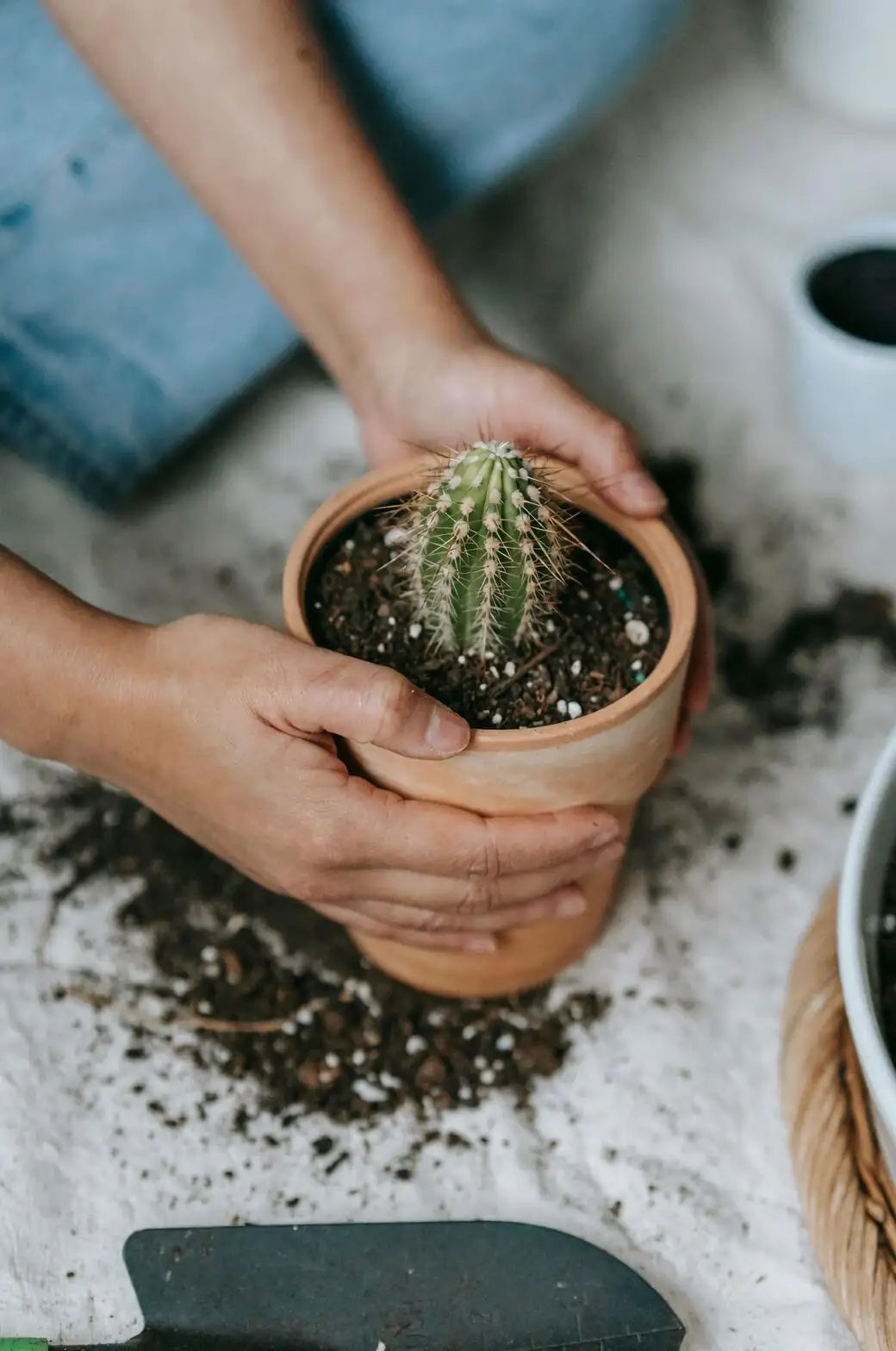
- Pot size: A 10 cm (4 in) pot suits most rosettes; they like being a bit snug.
- Soil recipe (bromeliad-style, very free-draining):
- Equal parts orchid bark, perlite, and coco coir; or a 1:1 blend of orchid mix and a high-quality all-purpose potting mix.
- Planting depth: Keep the rosette base slightly above the media; never bury the crown.
- Repotting: Every 2–3 years in spring or sooner if the mix breaks down. Refresh the mix to keep it airy.
Feeding for color, not flab
- When: Spring through late summer.
- How often: Every 2–3 months.
- What: A balanced liquid fertilizer at 1/2 strength.
- Why light feeding: Too much fertilizer makes softer growth and can mute those electric pinks and reds.
Temperature and hardiness
- Indoors: 16–27°C (61–81°F) is perfect.
- Minimum: Avoid prolonged chills below about 10°C (50°F).
- Outdoors: Not frost-hardy; grow outdoors only in warm climates roughly USDA Zone 10–11.
Unlocking jewel tones: the simple formula
- Brighter light (acclimated) + soft water (rain/distilled) + airy mix + light feeding = saturated pinks/reds.
- Keep moisture steady in warm months and airflow good to avoid rot.
Offsets, pruning, and keeping the line going
- After flowering, the mother rosette often slows growth and channels energy into pups.
- Separating pups: Wait until a pup is about 1/3–1/2 the size of the mother and has its own roots. Gently detach and pot into a small container with the airy mix above.
- Pruning: Remove only dead or damaged outer leaves. No regular pruning needed.
Troubleshooting: quick fixes
- Leaves turning greener, color fading: Increase bright light gradually; reduce fertilizer strength/frequency. Make sure you’re using rainwater or distilled water.
- Brown, crispy tips: Too much direct, hot sun, underwatering, low humidity, or mineral-heavy water. Ease the sun, water consistently, bump humidity, switch to rain/distilled.
- Soft base or a blackened center: Rot. Unpot, trim away mushy roots, repot into fresh airy mix, and improve drainage/airflow. Avoid standing water in the crown.
- Pests (mealybugs, scale, spider mites): Check leaf axils. Treat with insecticidal soap or horticultural oil; repeat weekly until gone. Isolate until clear.
Seasonal playbook
- Spring–summer:
- Light: Bright with some direct sun (after acclimation).
- Water: Evenly moist with rain/distilled water; never soggy.
- Humidity: Mist lightly if air is dry.
- Feed: 1/2-strength balanced fertilizer every 2–3 months.
- Autumn–winter:
- Light: Keep as bright as possible near a window.
- Water: Scale back—keep just barely moist.
- Air: Maintain airflow; avoid cold drafts. Keep above 10°C (50°F).
Buying smart
- Choose a plant with a tight, symmetrical rosette and firm, ripple-edged leaves.
- Avoid: Mushy bases, blackened centers, or a constantly wet crown (classic rot warnings).
- Inspect leaf axils for mealybugs or scale before bringing it home.
Where it shines
- Bright windowsills with gentle morning sun and good airflow.
- Dish gardens and warm, ventilated terrariums where its starry form pops against bark and stone.
Symbolism and “flower language”
Earth stars are often associated with resilience and dynamic, “starburst” energy—apt for a plant that stays compact yet radiates bold color when conditions are right. While there’s no deep, centuries-old flower language tied to Cryptanthus, modern houseplant culture embraces it as a symbol of steady strength and brightness: small footprint, big glow.
Quick-start recipe for vivid color, zero rot
- Light: Bright, acclimated sun on a windowsill; rotate weekly.
- Water: Rainwater or distilled—moist in warm months, barely moist in winter. Never let the crown sit wet.
- Mix: Orchid bark + perlite + coco coir (very airy).
- Pot: 10 cm (4 in) with drainage; no saucers of standing water.
- Feed: 1/2 strength, every 2–3 months, spring to late summer.
- Air: Moderate humidity with good airflow; ventilate terrariums.
Follow this playbook and your Earth star will repay you with saturated pinks and reds, a tidy silhouette, and a long, healthy life—no drama, just glow.