

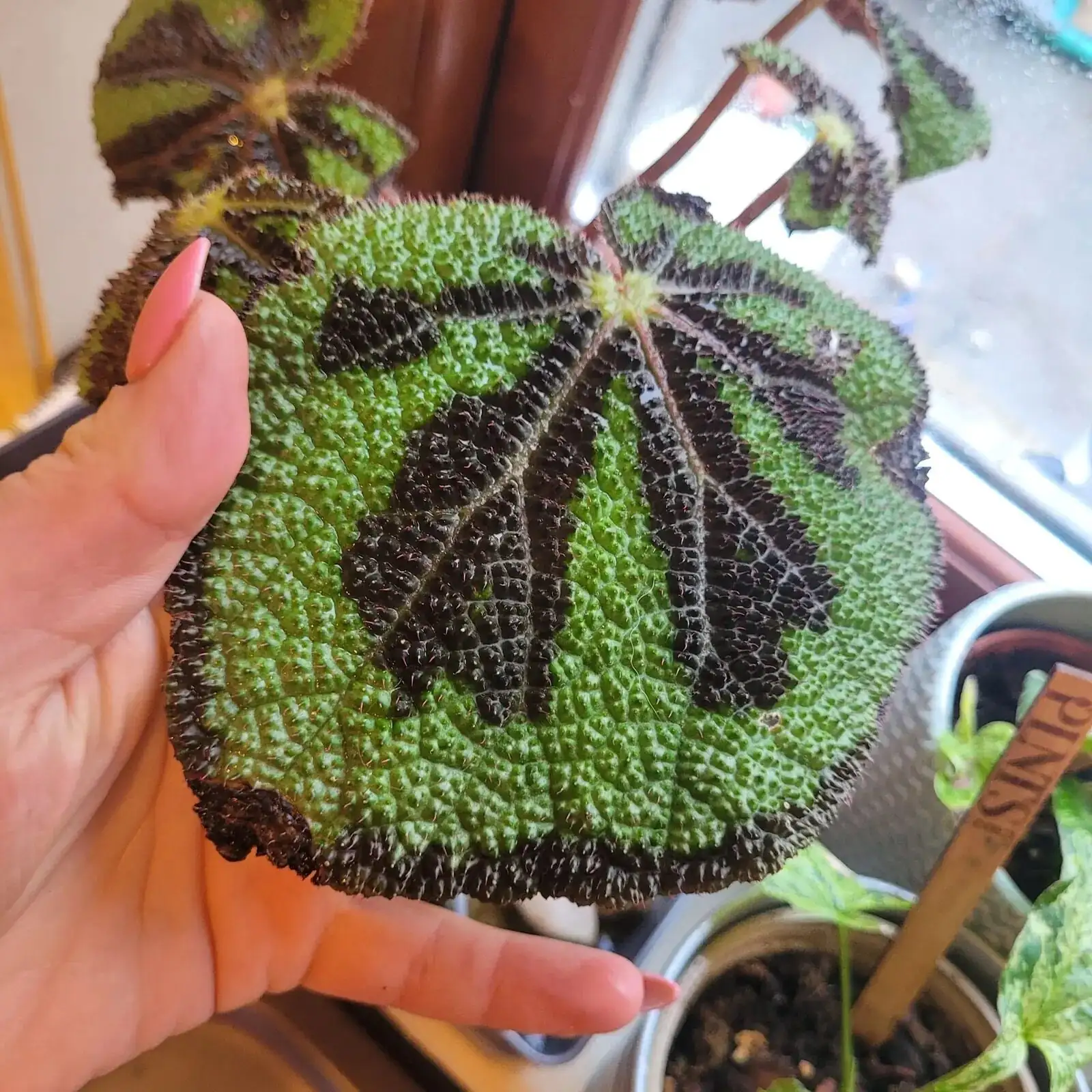
Meet the Iron Cross begonia (Begonia masoniana), a compact, rhizomatous show‑off whose velvet leaves wear a bold, dark cross like a stamp of approval. Want that pattern crisp and drama‑ready year‑round? Here’s a practical, no‑guesswork routine that nails the 50–70% shade sweet spot, spells out when to water every 3–4 days, shows you how to cruise through winter rest, and packs humidity hacks that ward off yellowing and scorch.
The 10‑Second Game Plan
- Light: Bright, indirect light to partial shade (about 50–70% shade; think 30–50% of full sun). East or north windows are ideal; soften south/west with a sheer curtain.
- Water: In summer, water roughly every 3–4 days to keep the mix evenly moist—never soggy. Adjust for heat, pot size, and drying speed.
- Humidity: Aim 60–70% to prevent yellowing and crispy patches. Use a humidifier or pebble tray; keep away from drying vents.
- Temperature: Best at 14–22°C (57–72°F); never below 10°C (50°F).
- Soil: Loose, airy, fast‑draining mix (potting compost + peat/coco + coarse sand/perlite) in a pot with drainage.
- Feeding: April–August, balanced fertilizer every 2 weeks at label dilution. Ease off in cooler months.
- Winter rest: Growth slows or pauses—water very sparingly or stop temporarily; keep warm and humid with filtered light.
Light That Locks In the Cross Pattern (50–70% Shade)
A crisp cross needs steady, filtered brightness without the burn.
Indoors
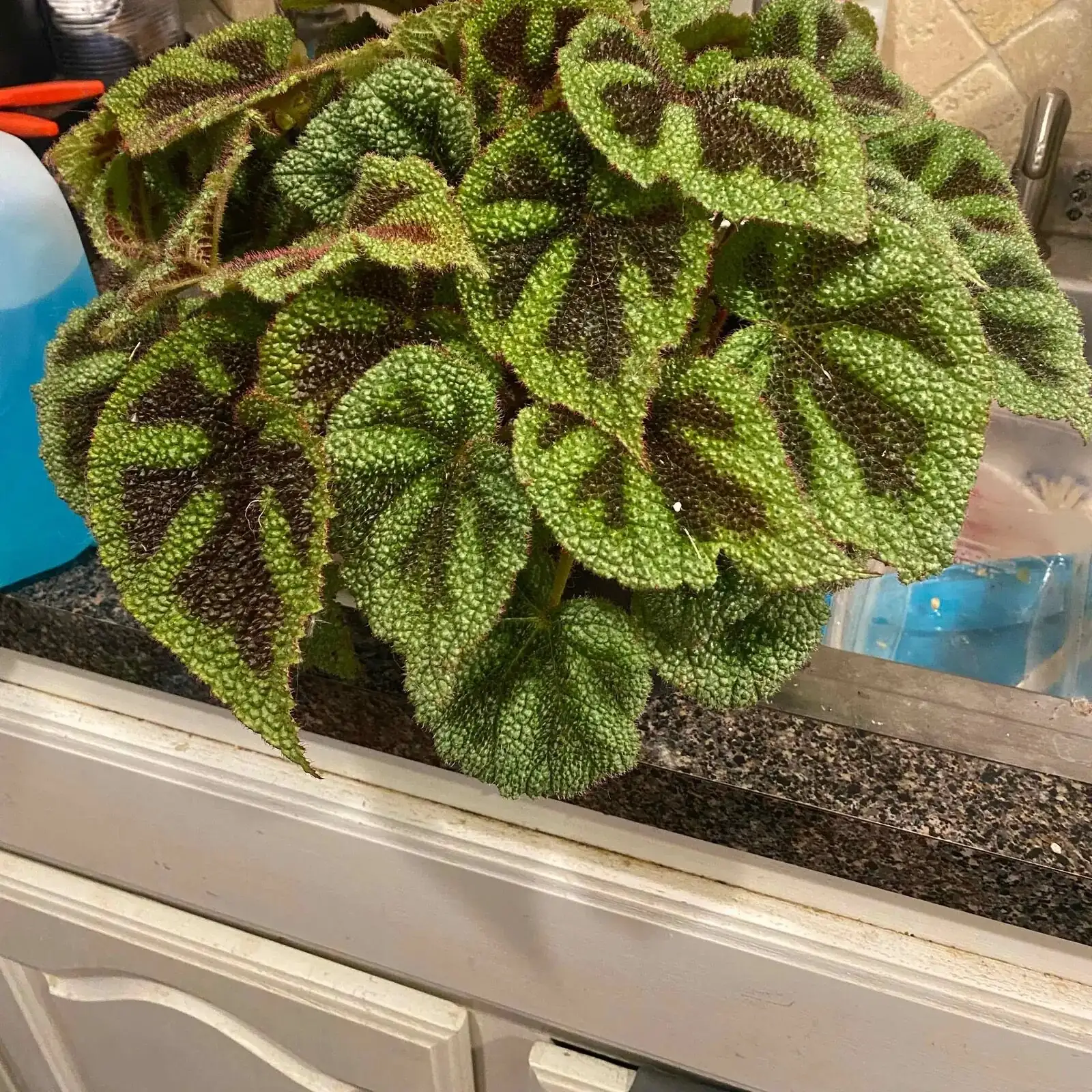
- Place near an east‑ or north‑facing window.
- For south or west windows, hang a sheer curtain and set the pot a little back from the glass.
- Signs to watch:
- Too much sun: yellowing, scorchy patches, crispy edges.
- Too little light: stretched petioles, dull pattern, slow new leaves.
Outdoors (warm climates only)
- Hardiness: Frost‑tender; suitable year‑round only in about USDA Zones 10–12.
- Tuck under trees or in sheltered, dappled shade. Avoid midday sun and wind.
Watering Without Guesswork
The rhizome stores moisture, so think “consistently moist, never waterlogged.”
Growing season rhythm (spring–summer)

- Frequency: About every 3–4 days in warm weather is common.
- Method:
- Check the top 2–3 cm (about an inch): if it feels just dry, water thoroughly until a little drains out.
- Empty saucers; never leave roots standing in water.
- Water in the morning so splashes on leaves can dry by night.
Smart adjustments
- Faster drying: small pots, warm rooms, moving air → water a bit more often.
- Slower drying: larger pots, cool rooms → stretch the interval.
- Tip: Avoid repeatedly soaking the leaves. If you like to mist, mist the air nearby, not the foliage.
Humidity Hacks That Stop Yellowing and Scorch
Bright light plus dry air is the classic recipe for pale, patchy leaves. Keep the ambiance lush.
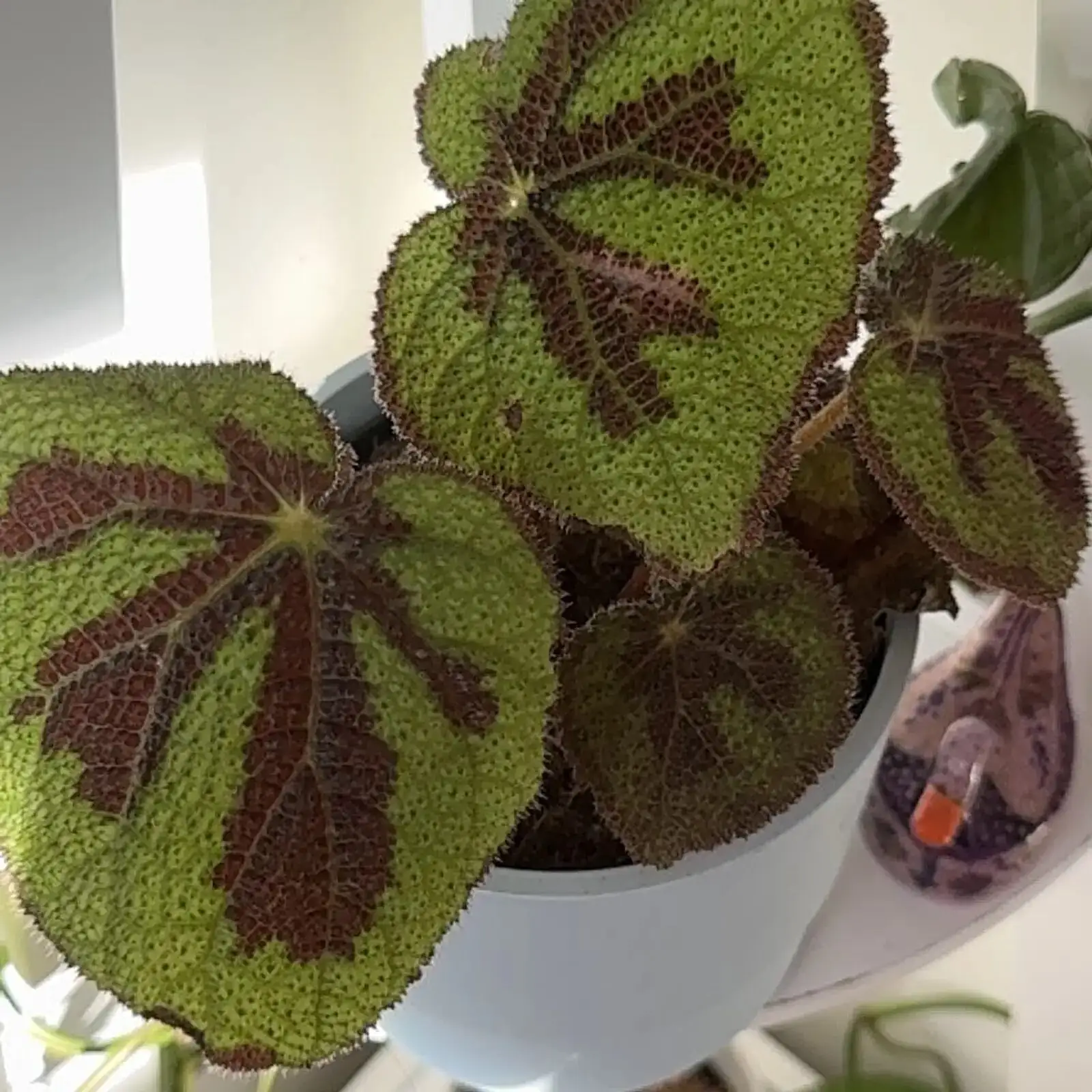
- Run a humidifier at 60–70% near the plant; this is the simplest, most reliable fix.
- Pebble tray: Fill a tray with pebbles and water to just below pot base; evaporation boosts local humidity.
- Group plants to create a moister microclimate.
- Shield from hot or cold drafts; vents dry leaves and exaggerate scorch.
- Use a sheer curtain to cut radiant heat and keep leaf surfaces cooler.
- Gentle airflow (small fan on low, not blasting the plant) reduces fungal risk without desiccating leaves.
Temperature and Placement
- Ideal range: 14–22°C (57–72°F). Growth slows above ~32°C (90°F).
- Never let it drop below 10°C (50°F). Chilling injury shows up as brown, crispy margins and scorch‑like patches.
- Keep away from furnace/AC blasts and leaky windows.
Soil, Potting, and Repotting
- Mix: Potting compost + peat or coco coir + coarse sand/perlite for air and quick drainage.
- Pot: Always choose one with drainage holes; 12–15 cm (4.7–5.9 in) suits most mature plants.
- Repot annually in spring:
- Refresh the mix and remove some older leaves to open the clump.
- Divide if crowded (see propagation below).
Feeding for Foliage You’ll Want to Show Off
- April–August: Feed every 2 weeks with a balanced fertilizer (e.g., 20–20–20 at label dilution).
- Pause or greatly reduce feeding in cooler, low‑light months; leaves won’t use the extra nutrients.
Riding Out Winter Rest (And Keeping Your Cool)
It’s normal for Iron Cross begonia to ease off in winter. Leaves may stall or thin—don’t overreact with water.
- Light: Keep bright but filtered.
- Water: Very sparingly; some growers pause until you see tiny new leaves. The rhizome dislikes sitting in cold, wet soil.
- Warmth: Maintain above 10°C (50°F); around 16–20°C (60–68°F) is comfortable.
- Humidity: Hold 60–70% for better cool‑season leaf quality.
- No repotting or fertilizing until growth resumes.
- Optional short‑term help: a ventilated humidity cover or clear dome for a week or two can assist recovery, but ensure airflow to avoid gray mold (Botrytis).
Propagation—Share the Cross
This plant is famously generous; one leaf can start a new colony.
Division (spring, often during repotting)
- Lift the plant and slice the rhizome into ~10 cm (4 in) sections, each with a growing tip.
- Let cut surfaces dry briefly.
- Pot 2–3 pieces per pot; each piece should carry 4–5 leaves.
- Water lightly and keep in partial shade until established.
Leaf cuttings (early summer)
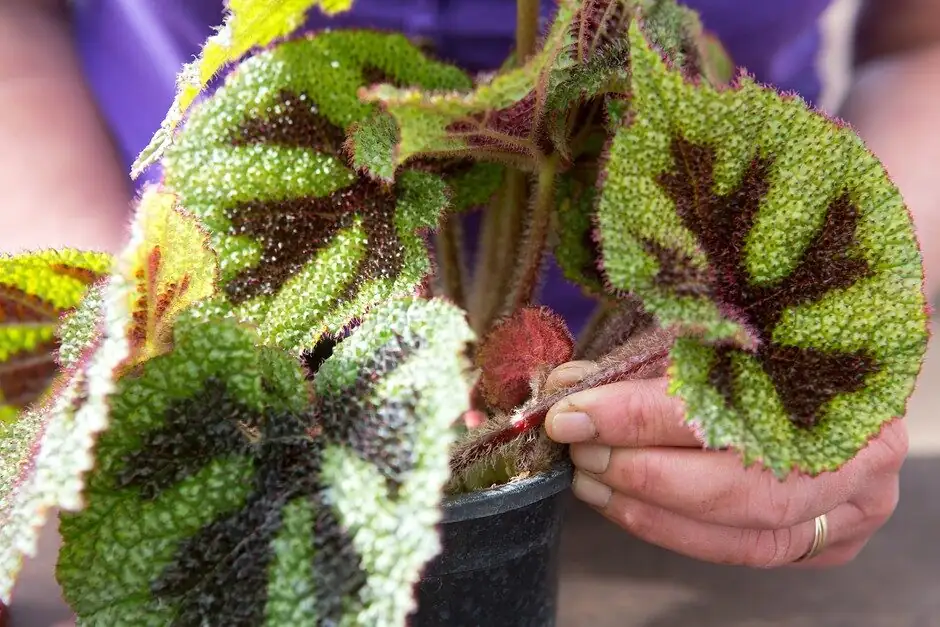
- Take a mature, healthy leaf and cut it about 1 cm (0.4 in) from the petiole.
- Insert 6–7 cm (2.4–2.8 in) sections into moist, sterile mix or sand with part of the leaf above the surface.
- Roots often appear in ~3–4 weeks.
- Transplant after about 2 months when plantlets have produced a couple of new leaves.
Troubleshooting: Fast Fixes
- Sudden yellowing: Most often cold, dry air, or too much sun. Move to bright, indirect light; keep above 10°C (50°F); raise humidity to 60–70%.
- Scorched patches: Harsh sun or chilling injury. Add shade, warm the room, and block drafts.
- Powdery mildew, gray mold, leaf spot: Improve airflow, keep leaves dry, remove affected tissue. Copper‑based products are sometimes used preventively; if disease appears, apply an appropriate fungicide per label.
- Scale insects: Treat with horticultural oil or insecticidal soap; repeat as needed.
- Overwatering signs: Limp stems despite wet mix, sour smell. Let the soil dry more between waterings; repot into fresh, airy mix if needed.
Buying Guide (Quick Peek)
- Choose a compact, full plant with crisp, vivid cross markings.
- Avoid torn, spotted, or mushy leaves and any signs of rot.
- Handle gently—the soft foliage bruises easily.
Safety Note
Iron Cross begonia is considered toxic if eaten (especially rhizomes) and may irritate sensitive skin. Keep out of reach of pets and small children. Wash hands if you’re prone to irritation.
Little Lore and “Flower Language”
While not tied to a standardized flower language, Iron Cross begonia is often associated with bold beauty and quiet confidence—its dramatic cross pattern stands out even in shade. That cultural reading comes from its unmistakable foliage rather than any historic symbolism.
Seasonal Calendar Snapshot
- Spring
- Repot; divide rhizomes if needed.
- Restart feeding every 2 weeks.
- Settle into 50–70% shade; keep evenly moist.
- Summer
- Water about every 3–4 days; never let it sit in water.
- Maintain partial shade; ensure gentle airflow.
- Continue feeding; take leaf cuttings early summer.
- Autumn
- Taper feeding; keep soil lightly moist.
- Raise humidity toward 60–70% to support new leaves.
- Winter
- Semi‑dormant: water very sparingly or pause to avoid rhizome rot.
- Keep above 10°C (50°F) in bright, indirect light. No fertilizer.
Cultivated right, Begonia masoniana becomes that evergreen conversation piece on your sill—each leaf a velvet badge of honor. Set the shade, keep the rhythm, mind the humidity, and the cross will stay crisp all year.