

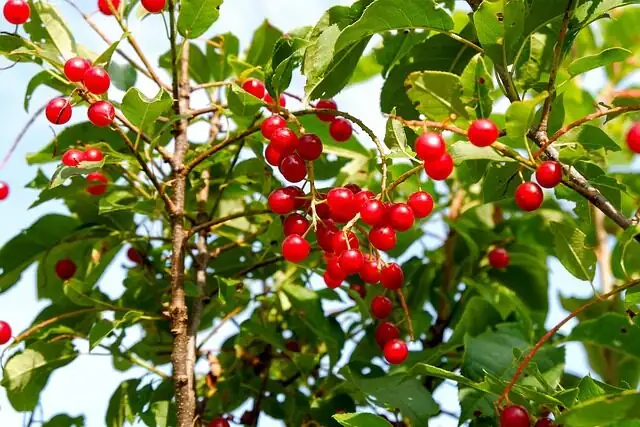
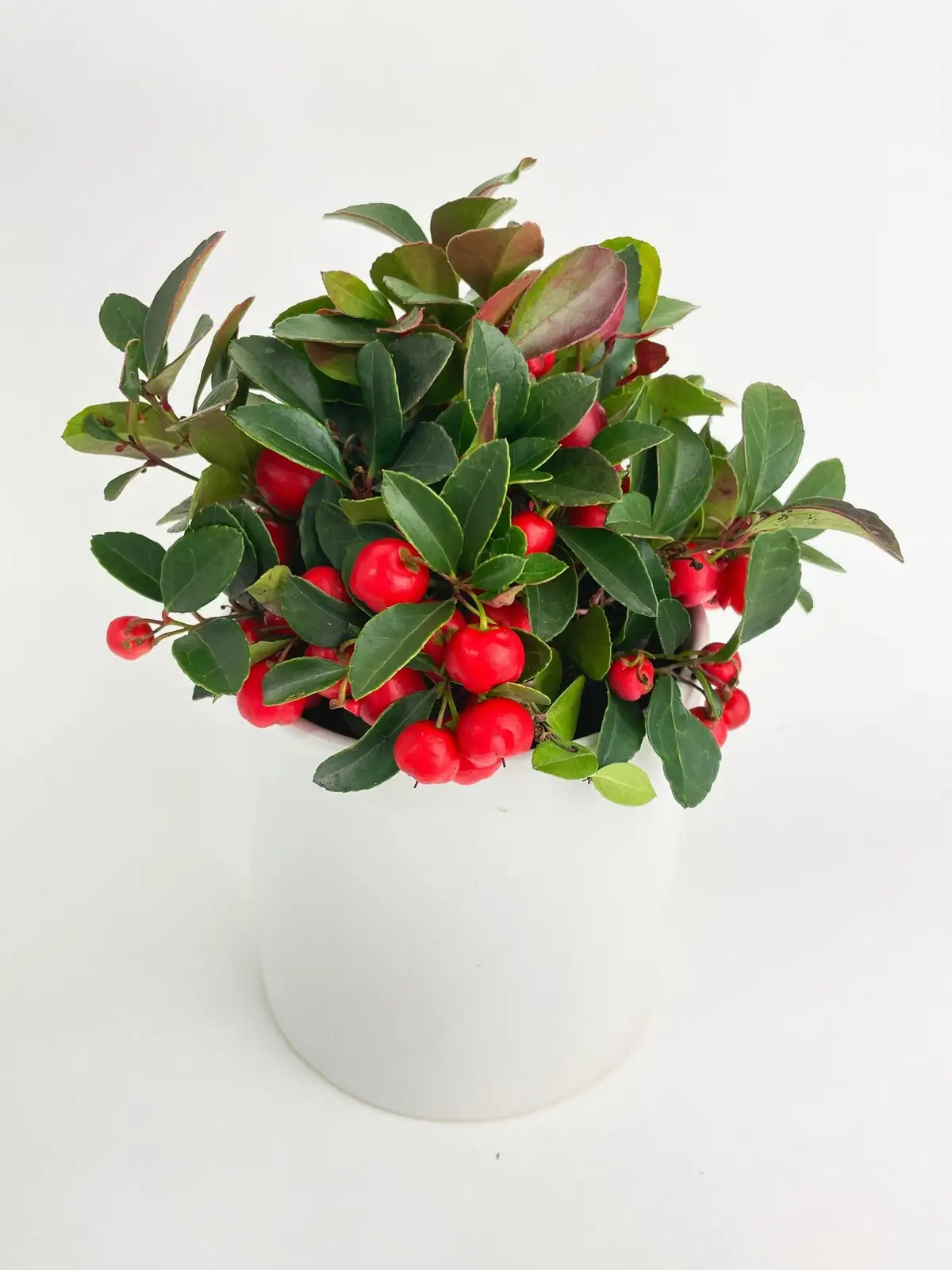
Think of Coralberry (Ardisia crenata) as a jewelry box of a plant: glossy, lacquer-green leaves as the velvet lining and those vivid red berries as the gems that gleam for months. If you’ve ever wondered why some plants carry heavy clusters of fruit while others sulk with sparse foliage or drop berries early, the answer often lives below the surface—in pH, porosity, and a smart feeding plan that shifts with the seasons. Here’s a soil-science deep dive to set your Ardisia up for lush leaves and reliable holiday-ready berries.
The pH sweet spot: slightly acidic roots, glossy tops
Ardisia crenata prefers a slightly acidic medium. Hit this bull’s-eye and the plant rewards you with deep-green foliage and consistent berrying.
- Target pH: roughly 5.5–6.5 (slightly acidic)
- If pH drifts high (alkaline): expect interveinal chlorosis (yellowing between veins), sluggish growth, and poorer flowering/fruit set
- Why it matters: At the right pH, iron and other micronutrients are more available—key for that rich green canopy
How to keep pH friendly:
- Build on naturally slightly acidic components (peat, composted bark). Coir is typically near neutral; it’s fine, just lean on acidic companions like peat/bark.
- If your tap water is alkaline, mix in some rainwater or distilled water periodically to prevent upward drift.
- Avoid liming container media for this species; it’s unnecessary and can push pH out of range.
Peat vs. coir: balancing the sponge
Both peat moss and coco coir can anchor a great Ardisia mix. Each has a personality.
- Peat moss: Naturally acidic, good water-holding, low salts, excellent for lowering pH slightly.
- Coco coir: Sustainable, resilient to rewetting, often higher in potassium and near-neutral pH. Good choice—just pair it with acidic components and solid aeration.
A simple rule: If your water is soft-to-neutral, either peat or coir works. If your water trends alkaline, give peat and/or composted bark a starring role.
Adding air: perlite, coarse sand, and the “breathability” your roots crave
Ardisia likes “evenly moist, never soggy.” That’s code for a medium with great structure. The magic lives in particle size distribution.
- Perlite: The go-to for lightness and air-filled pores. Use a coarse grade (#3-ish) if you can find it.
- Coarse sand: A small fraction of clean, 2–3 mm silica sand lowers the perched water table and improves stability. Don’t overdo it—it’s heavy.
- Composted bark fines: Adds micro-pores plus a gentle acidity and long-term structure.
Aim for a mix that drains freely yet doesn’t dry to bone dust. When you squeeze a handful of pre-moistened mix, it should clump and then easily fall apart.
The “Goldilocks” potting mix recipe
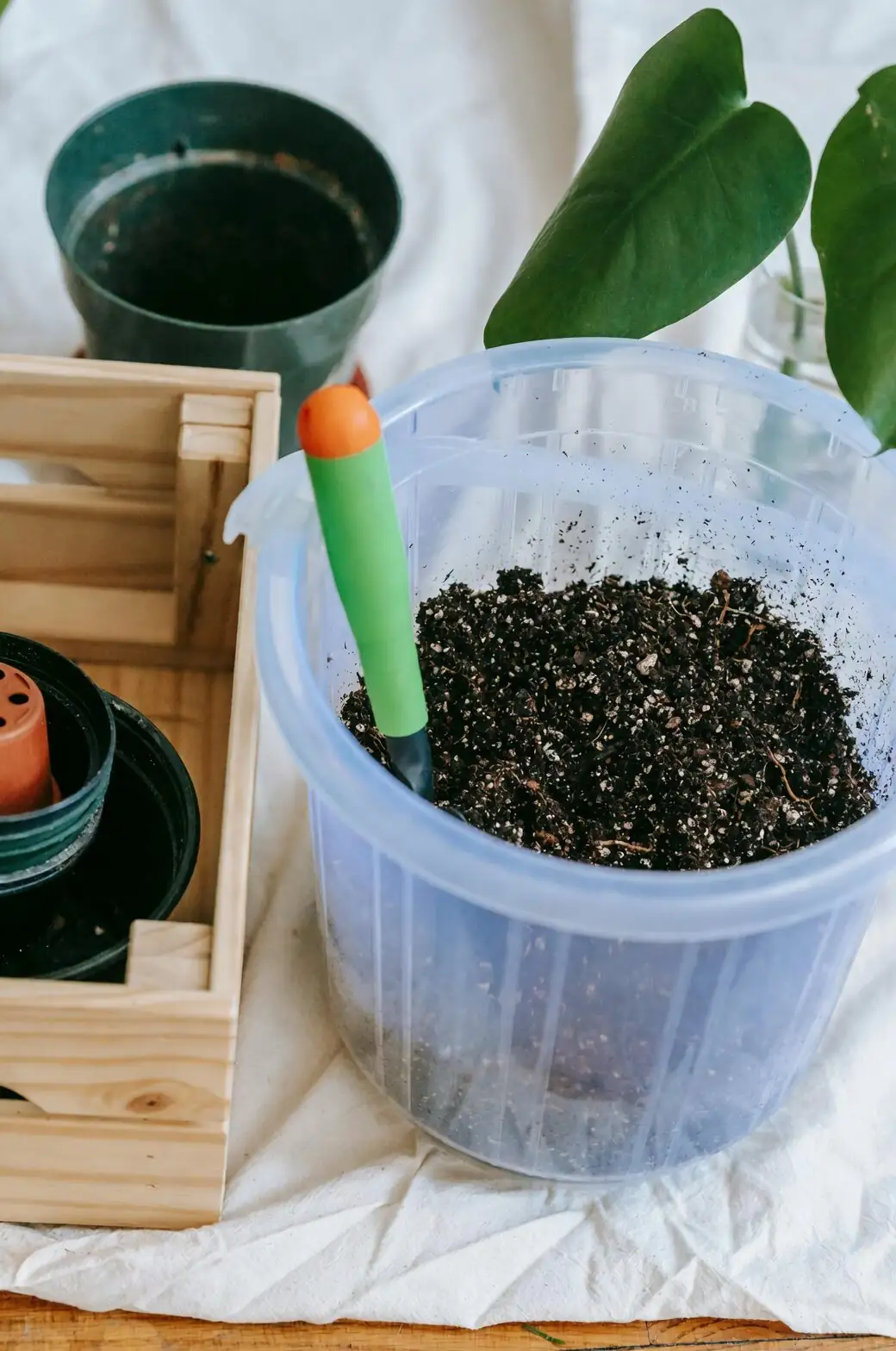
Here’s a container blend that keeps Ardisia happy through flowering and fruiting:
- 50–60% base: peat moss or coco coir (or a 50:50 blend)
- 20–30% composted pine bark fines (1–5 mm)
- 10–20% perlite (coarse)
- 5–10% coarse silica sand (2–3 mm)
Optional slow-release organic enrichments (mix lightly and evenly):
- 5–10% high-quality worm castings by volume
- 1–2 g/L kelp meal (gentle K and micronutrients)
- 2–3 g/L fish bone meal (slow P for future buds)
- A pinch of gypsum (calcium and sulfur) if desired, without raising pH
Pre-wet the blend to evenly moist before potting. This reduces dry pockets that sabotage new roots.
Slow-release organics: a steady pantry for a slow grower
Ardisia is slow and steady, so its pantry should be too. Light organic charges keep nutrients trickling without salting the root zone.
- Keep additions modest to preserve aeration.
- Organics are microbe-driven—best performance in warm seasons with good airflow.
- Refresh the top 2–3 cm with a thin layer of worm castings or fine bark each spring to re-energize biology and structure.
Feeding strategy through the year: balanced first, then a berry-boost
Think of feeding like a playlist that changes with the mood of the plant.
- Growing season baseline: Feed every 2 weeks with a balanced fertilizer at label rate.
- After buds form (late spring–summer): For the next 2–3 feed cycles, switch to a formulation higher in phosphorus and potassium to support flowering and fruit set.
- Winter pause: Once berries have turned red, stop fertilizing.
Good-to-know:
- Too much nitrogen = lush leaves with fewer flowers.
- If you see pale foliage despite balanced feeding, check pH first; then consider a chelated iron supplement.
- Indoors, reliable berry set often needs help: hand-pollinate flowers gently with a soft brush over several days.

Water, oxygen, and pot choice: “evenly moist, never soggy”
Watering is where good mixes earn their keep.
- When to water: During active growth, water thoroughly when the top 2–3 cm of mix begins to dry—often every 3–5 days in warm weather. In autumn/winter, scale back to about every 10 days, keeping the mix just slightly moist.
- Technique: Water in stages to fully hydrate the column, then let excess drain. Avoid letting the pot sit in runoff.
- Pot and drainage: Choose a pot with ample drainage holes. A 20 cm (8 in) container is common for a well-shaped specimen. Avoid oversized pots that hold too much water for the root mass.
Humidity: Aim for 50%+. Light morning misting is fine, but keep foliage dry by evening to reduce leaf-spot risk (pair any misting with airflow).
Light, temperature, and humidity—because soil can’t fix everything
- Light: Bright, filtered light to partial shade. East windows are ideal; strong midday sun can scorch leaves.
- Temperature: Best at 13–27°C (55–81°F). Keep above 5°C (41°F) in winter; near/below 0°C (32°F) triggers leaf and berry drop.
- Don’t jostle the jewels: Once heavily in fruit, avoid moving or shaking the pot—sudden disturbance invites berry drop.
Repotting and refreshing the medium
- Timing: Every ~2 years in spring.
- Method: Tease out and trim circling roots, refresh with a fertile, slightly acidic, well-drained mix.
- Why it matters: Organic components break down and compact over time, reducing air. A refresh restores structure and nutrient balance.
Troubleshooting: quick soil-centric diagnostics
- Pale, yellowing leaves with green veins: pH too high or iron lockout. Flush salts, adjust water source, consider chelated iron, and ensure mix leans slightly acidic.
- Wilting while soil is wet or a swampy smell: Poor aeration/root rot. Unpot, trim mushy roots, repot into a fresher, airier blend; water less often but more thoroughly.
- Berries dropping: Cold snaps, sudden moves, overly dry air, or waterlogging. Keep above 5°C, maintain even moisture, modest humidity, and avoid relocating a fruit-laden plant.
- No berries indoors: Low light and lack of pollination are usual culprits. Increase bright, filtered light and hand-pollinate; shift to higher P/K feeds after buds form.
- Mold/algae on soil: Reduce watering frequency, increase airflow, and rough up the surface. Top-dress with a thin layer of fine bark or coarse sand to dry the surface faster.
Pests, diseases, and safety
- Pests: Scale is the usual suspect. Remove manually and treat with horticultural oil or insecticidal soap; repeat as needed.
- Diseases: Leaf spot pops up in stagnant, wet conditions. Improve airflow, avoid late-day leaf wetness, and remove affected leaves.
- Toxicity: Treat as potentially toxic if ingested. Keep away from kids and pets.
Why Coralberry shines in winter (and a note on “flower language”)
Those red berries linger from winter into spring, making Ardisia crenata a festive favorite for Christmas and Lunar New Year. In many homes it’s a prosperity charm: glossy evergreen poise + auspicious red fruit = “may luck last.” That symbolism isn’t a botanical law, of course—it’s cultural storytelling that grew alongside the plant’s holiday popularity. But it’s also rooted in horticultural truth: few shrubs can hold a berry display so long and so well.
A final note for outdoor growers in warm regions: Ardisia crenata can be invasive in some areas. Check local guidance before planting in the ground.
—
Set the stage below the surface—slightly acidic pH, a peat/coir-and-bark backbone, perlite and coarse sand for lift, a light touch of slow-release organics—and your Coralberry will repay you above the rim of the pot with rich foliage and strings of lacquer-red fruit. Keep the moisture steady, the feeding tuned to the season, and the light kind and bright. Then let the berries do their winter magic.