
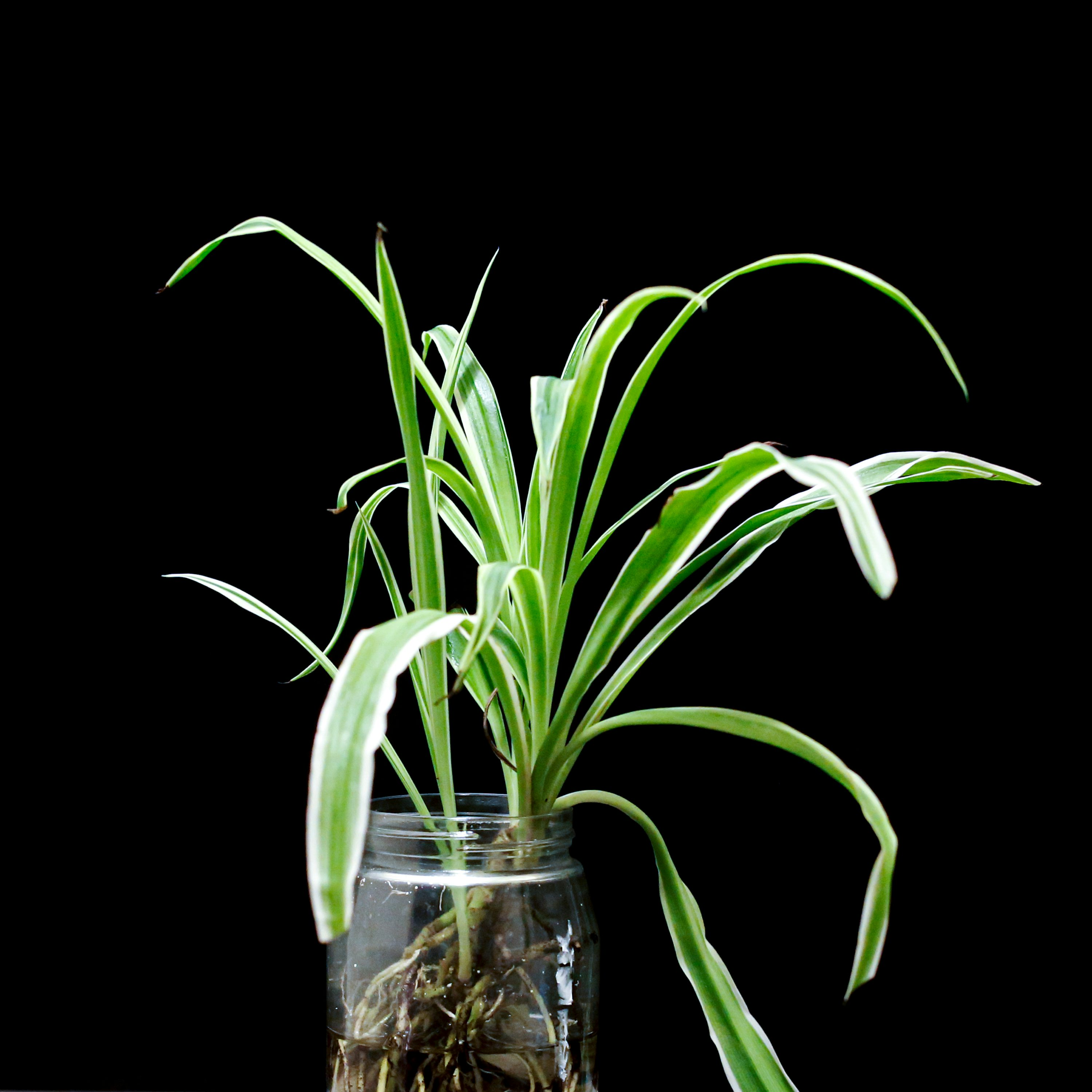
If you love the look of a spider plant’s green fountain but dread the potting mix mess, try growing Chlorophytum comosum in water. It’s tidy, fast, and oddly satisfying—like keeping a tiny, living fountain on your desk. Here’s a friendly, field-tested guide to set your waterline just right, keep the jar clean, feed lightly, and dial in light so you get fresh growth without the green slime.
H2: Meet the plant (and why it thrives in water)
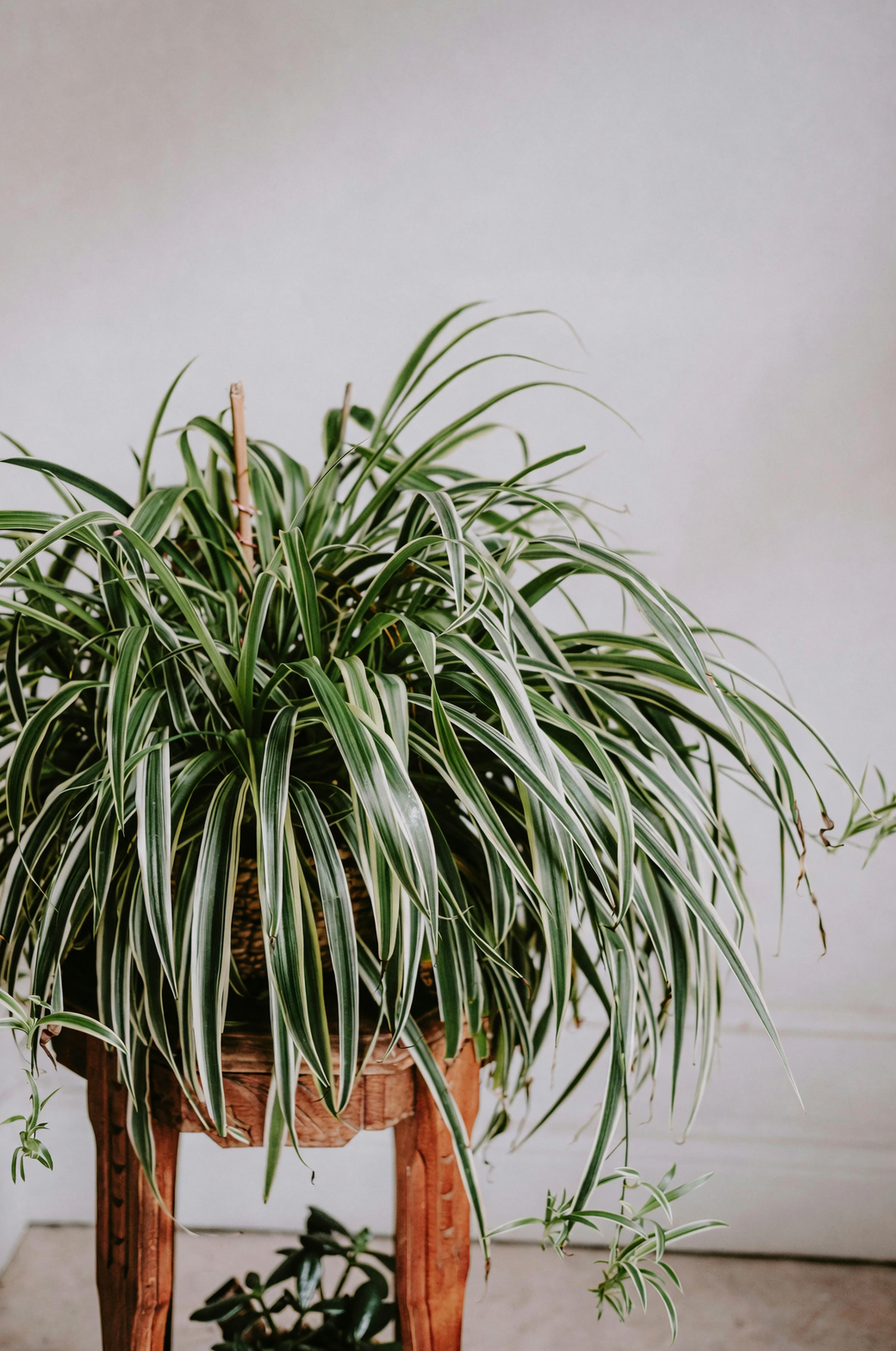
Spider plant—aka Airplane Plant, Ribbon Plant, Spider Ivy—comes from southern Africa and has a gift for adapting. Those thick, fleshy roots store water, the leaves arch into a graceful rosette, and runners hang baby plantlets like a mobile. It’s famously forgiving and perfect for bright, indirect light. Best of all for a hydro setup: it can live long-term in water, provided you keep the crown dry, the roots fresh, and the nutrients gentle.
H2: Hydro setup at a glance
- Vessel: A glass jar, amber bottle, vase, or opaque cachepot with an insert. Narrow necks help hold plantlets in place; net pots or clay pebbles (LECA) can steady bigger plants.
- Starting material: Baby spiderettes root quickly and adapt best to water culture.
- Water: Filtered, distilled, or rainwater helps prevent tip burn and keeps mineral buildup low.
- Nutrients: A balanced liquid fertilizer at a dilute rate during active growth.
- Light: Bright, indirect. Avoid harsh, hot sun on the water to discourage algae.
H2: The waterline: where to place it (and why it matters)
Think “roots in the bath, crown on the balcony.”
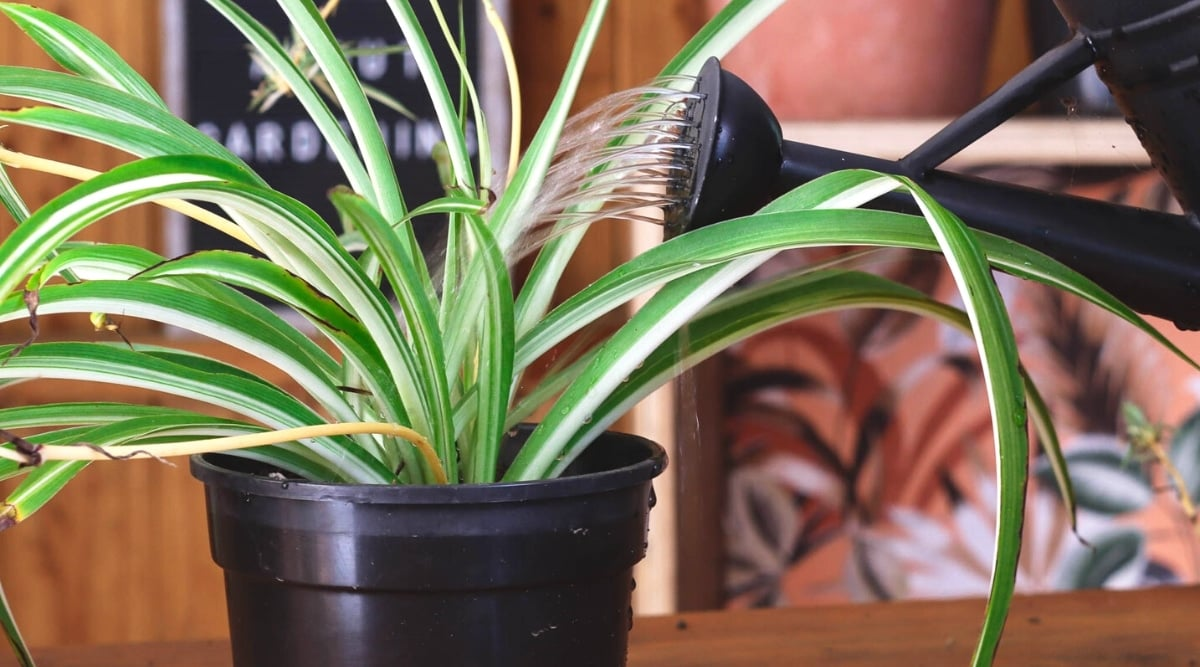
- Keep the crown (the point where leaves emerge) completely above water. Constantly wet crowns invite rot.
- Submerge only roots. If you’re starting a bare plantlet, aim to cover just the root zone.
- Leave a slim air gap. An extra 0.5–2 cm between crown and waterline improves oxygen exchange and root health.
- Top-ups between changes: If the water drops, add just enough to keep roots submerged—not the crown.
Pro tip for stability and algae control:
- Add a layer of LECA, pebbles, or a net pot lid to block light from the water’s surface while cradling the plant.
H2: Clean, fresh water: change frequency that actually works
Spider plants are unfussy, but stale water isn’t their vibe.
- Spring–Summer: Change the water every 7–10 days.
- Autumn–Winter: About every 2 weeks is usually plenty.
- Between changes: If the level drops, top up with plain water (no extra nutrients) to keep salts from creeping too high.
Why it works:
- Replenishes nutrients spider plants have used.
- Clears plant wastes and any starting off-odors.
- Resets pH drift and slows algae.
Tip for extra-easy routine:
- Rinse the container and roots with lukewarm water during each change. If biofilm forms, scrub with a bottle brush and a drop of mild, unscented dish soap, then rinse thoroughly.
H2: Nutrients: delightfully dilute beats “more, more, more”
These plants grow enthusiastically but don’t want a heavy feed—especially variegated types, which can lose crisp striping with excess nitrogen.
- During active growth (spring to early autumn): Add a balanced liquid fertilizer at 1/4–1/3 the label’s soil-grown rate every 10–14 days. You can add it right after a water change.
- In winter or low light: Reduce to monthly or pause if growth slows.
- Signs you’re overdoing it: Browning tips (also linked to minerals in tap water), limp or translucent roots, algae picking up speed.
Quick mixing rhythm:
- Change day: Fill with clean water + dilute nutrients.
- Mid-cycle top-up: Plain water only.
- Next change: Dump, rinse, refill with fresh water + dilute nutrients.
H2: Light that fuels growth—but not algae
Imagine “bright morning” rather than “hot noon.”
- Ideal placement: An east window; a bright north window; or a few feet back from a south/west window. Sheer curtains are your friend.
- Indoors in winter: Gentle sun is fine; avoid leaf scorch from harsh midday rays.
- Artificial light: A small LED grow light set to 10–12 hours/day works well. Keep the reservoir shaded (opaque sleeve, dark vase, or a lid with a net pot) so the light reaches leaves, not the water.
- Algae-lite trick: Keep the vessel out of direct sunbeams. Amber/opaque containers or a simple wrap (kraft paper, fabric sleeve) can dramatically cut algae.
H2: Step-by-step: clean, easy water culture from a baby plant
1) Pick your plantlet
- Choose a spiderette with tiny visible roots on the runner. Snip it off cleanly.
2) Prep the vessel
- Wash and rinse your jar. Add LECA or a net pot if you’d like extra support.
3) Place and set the waterline
- Seat the plant so the crown is above the rim or above your LECA layer. Add water until only roots are submerged, leaving a small air gap under the crown.
4) Move it into great light
- Bright, indirect light right away; avoid hot sun on the jar.
5) Begin gentle feeding
- After the first week, switch to water + dilute nutrients on change day, then follow the schedule above.
H2: Water quality: small tweaks, big difference
- Use filtered, distilled, or rainwater if your tap water is high in chlorine/fluoride or leaves white crusts; this also helps prevent brown tips.
- Room-temperature water (around 18–24°C / 64–75°F) keeps roots comfortable.
- If you must use tap water, let it sit overnight before use to dissipate chlorine, then keep your feeding gentle.
H2: Routine care that keeps things spotless
- Every 7–14 days: Full water change, quick rinse of roots and container, refresh dilute nutrients (if in the growing season).
- Weekly glance: Wipe the inside glass above the waterline; snip any brown leaf tips following the natural point.
- Monthly spruce-up: Remove any yellowing leaves; rotate the jar so the plant grows evenly toward the light.
- Runners and babies: Keep or trim. If you want more plants, root a spiderette in its own jar—fun, fast, and shareable.
H2: Troubleshooting: crisp leaves, clear water
- Algae party in the jar
- Cause: Light hitting nutrient-rich water.
- Fix: Opaque/amber container or a sleeve; keep waterline low; avoid direct sunbeams; change water on schedule.
- Brown leaf tips
- Cause: Minerals in water, excess fertilizer, very dry air.
- Fix: Switch to filtered/distilled/rainwater; lighten feeding; raise humidity slightly; trim tips neatly.
- Limp or mushy roots
- Cause: Crown submerged, old/stagnant water, overfeeding.
- Fix: Lower the waterline; refresh water; reduce nutrient strength; trim decayed roots.
- Pale, slow growth, few babies
- Cause: Not enough light or underfeeding in active season.
- Fix: Move to brighter indirect light; resume gentle feeding. Keep the plant slightly snug within its support for better runner production.
H2: Safety, comfort, and placement
- Non-toxic reputation: Generally considered safe around people and most pets, though cats may nibble and get mild stomach upset—place out of swatting range if your cat is a leaf connoisseur.
- Happy spots: Living rooms, bright bathrooms, offices. East windows shine; a few feet back from south/west windows also works. Hanging setups look great and keep the jar stable and shaded.
H2: Seasonal notes for hydro spider plants
- Spring: Resume regular dilute feeds; expect new runners. Water changes every 7–10 days.
- Summer: Bright indirect light, keep water cool and fresh; avoid harsh midday sun on the jar.
- Autumn: Gradually ease feeding; extend water-change interval toward 2 weeks as growth slows.
- Winter: Give the brightest indirect light available; feed lightly or pause; change water about every 2 weeks.
H2: A last word from the water garden
Spider plants are naturals at water culture when you set the waterline just below the crown, refresh on a steady rhythm, and keep nutrients whisper-light. Pair that with bright, indirect light and a vessel that hides the sun from the water, and you’ll have the clean, algae-lite, endlessly shareable “fountain” every windowsill deserves.