

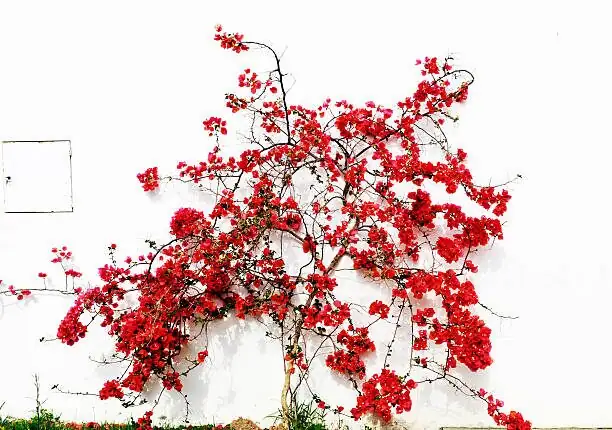
If you’ve ever dreamed of a trellis blazing with color for months on end, bougainvillea is the showpiece that makes patios and warm walls look like a street in Rio. But not all bougainvilleas perform the same. Species, hybrids, bract textures, and growth vigor all change how quickly your structure fills and how saturated that color looks. Consider this your buyer’s and collector’s field guide—so you take home the exact plant that makes your space glow the way you imagined.
Meet the bougainvillea clan
- What it is: A sun-loving, woody, often-thorny climber in the Nyctaginaceae family with spectacular, papery bracts (the “petals”) around tiny creamy-white true flowers.
- Origins: With deep roots in Brazil and South America, the plants you’ll meet in nurseries range from the species Bougainvillea glabra to South American–derived garden hybrids—especially Bougainvillea × buttiana—grown worldwide.
- Why you love it: Months-long color in full sun, tolerant of heat and lean soils, easy in containers if you give sharp drainage and let it dry a bit between deep waterings.
Field guide: telling species and hybrids apart
Nursery tags can be vague. Use these clues to read the plant in front of you.
Bougainvillea glabra — the classic “paperflower”
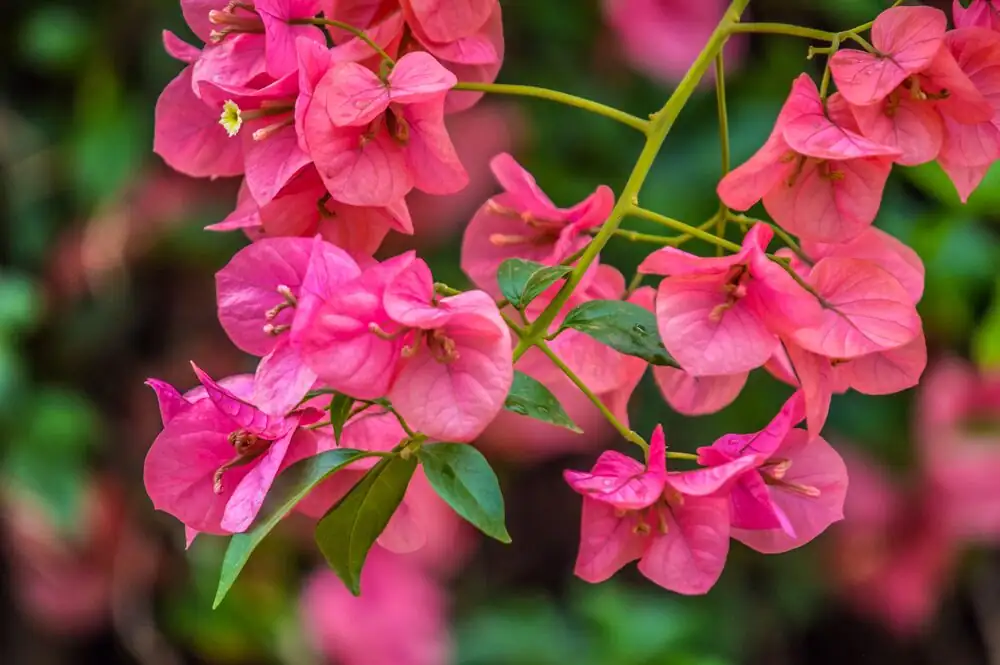
- Leaves: Typically smooth, glossy, and hairless (glabrous), small to medium. Some cultivars are cleanly variegated.
- Bracts: Often triangular and thin—crisp, parchment-like—most commonly in purple/magenta, pinks, or white.
- Thorns: Usually smaller, often with gently curved tips.
- Bloom rhythm: Repeats in multiple cycles from spring through autumn in bright, warm, frost-free conditions.
- Habit and vigor: Fast, spreading climber that trains easily over hoops, wires, or a compact trellis; great in containers, standards, hanging baskets, and bonsai-like forms.
Bougainvillea spectabilis — the plush cousin you’ll meet in gardens
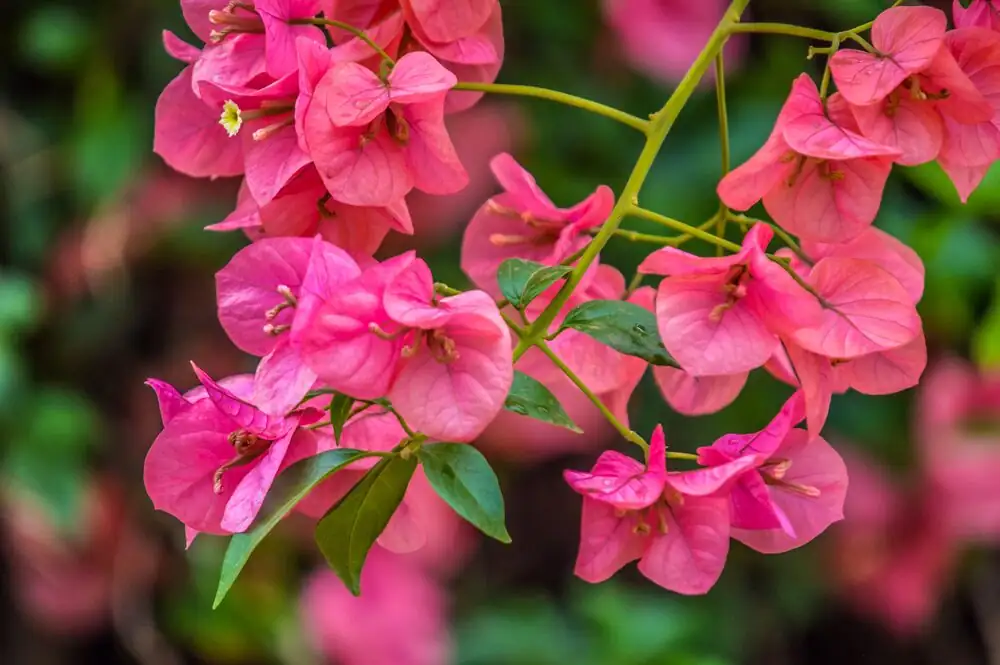
- Leaves: Larger, with noticeable hair on leaves and stems; leaf edges can look faintly rippled.
- Bracts: Thicker and showy; colors often in the deep pink–purple–red range.
- Thorns: Generally larger and more assertive.
- Bloom rhythm: Big, seasonal flushes—often following a dry spell or a cool snap.
- Habit and vigor: Dense and brawny, excellent for covering fences, pergolas, and warm walls.
Bougainvillea × buttiana — the color blender (hybrid)
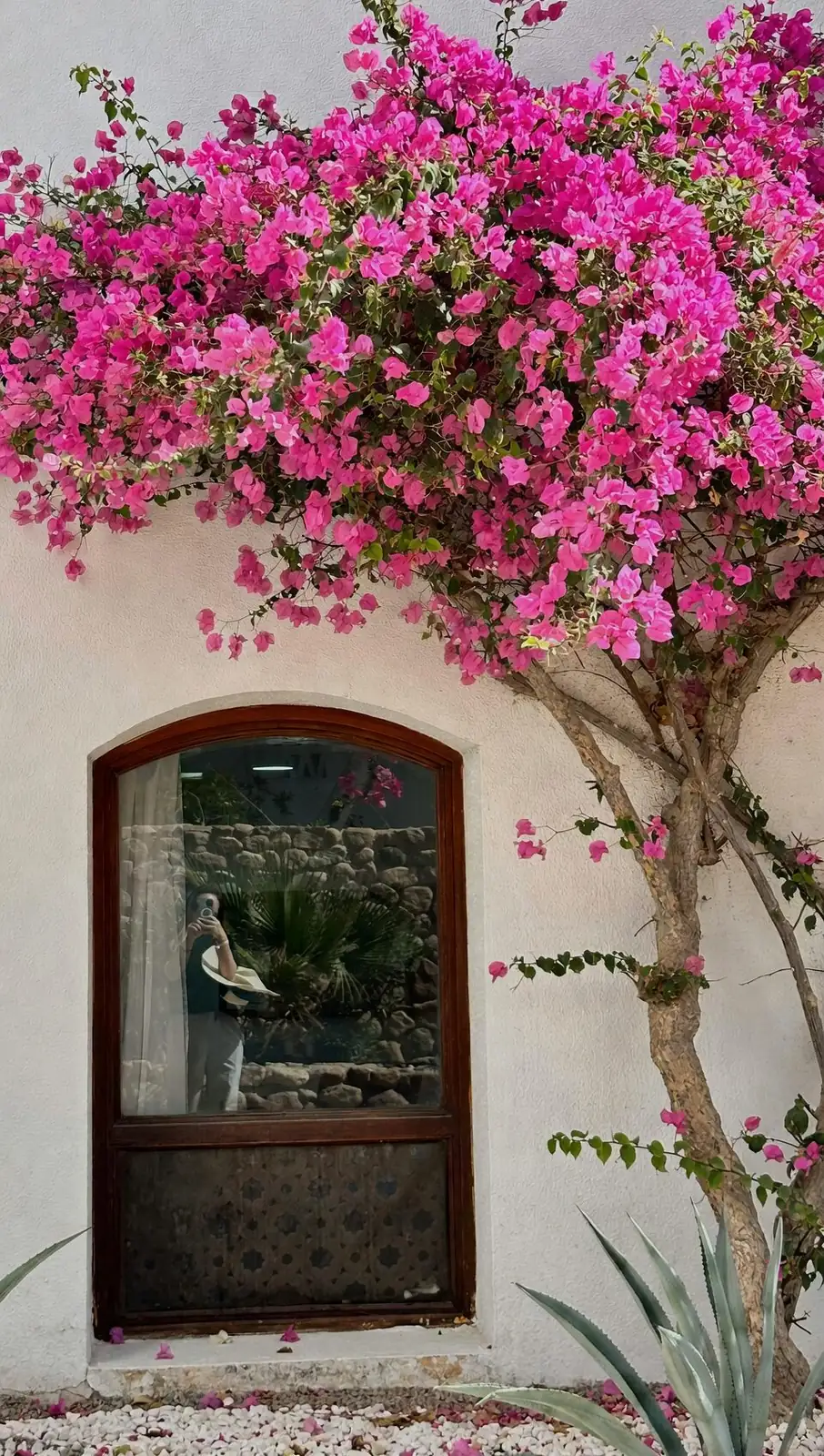
- Parentage and look: A widely grown garden hybrid with traits that sit between glabra and other South American species.
- Bracts: Often the source of those sunset shades—apricot, copper, salmon, orange—along with pinks/reds and blends.
- Leaves and texture: Intermediate leaf feel (not as glossy-smooth as glabra, not as hairy as spectabilis in many selections).
- Bloom rhythm: Performs in strong flushes; like its relatives, great light and a brief “dry-down” nudge intensify performance.
- Habit and vigor: Variable by cultivar; many selections are vigorous but still container-friendly with training.
How nurseries actually label them
- Many tags simply say “Bougainvillea.” When in doubt, feel the foliage (glossy hairless vs. softly hairy), look at bract thickness/shape, and note the color palette. Sunset oranges/apricots frequently point to hybrid selections.
Choosing bract color and texture (the look you’ll live with)
Think of bracts as colored paper lanterns—texture changes the effect as much as color.
- Pinks and magentas: The iconic bougainvillea look. Glabra types often deliver a crisp, papery, neon effect; hybrids can read a touch richer or satiny.
- Reds and crimsons: High drama for entryways and pergolas; thicker bracts often hold color longer in strong sun.
- Whites: Cool and elegant. White bracts can look almost luminous at dusk and pair beautifully with variegated foliage.
- Oranges, apricots, coppers, salmons: Typically hybrid territory—gorgeous “sunset” gardens benefit from these shades.
- Texture cues:
- Papery/parchment bracts = a clean, graphic color pop (common in glabra).
- Thicker/satiny bracts = plush, velvety depth (common in spectabilis and many hybrids).
Color intensity and abundance are driven by sun and nutrition. In strong light with bloom-leaning feeding, bracts saturate and hold better.
Bloom cycles, vigor, and the “glow math”
To get that continuous waterfall of color, stack the odds in your favor.
- Sunlight: Aim for 6+ hours of direct sun daily. Less light = leggy stems, leaf/bract drop, and sparse shows.
- Dry-down cue: Water deeply, let excess drain, then allow the mix to head toward “nearly dry” before watering again. A brief, controlled drying phase can nudge bud initiation. Don’t let it severely wilt.
- Nutrition for bloom: Avoid nitrogen-heavy feeds that push leaves. Use balanced-to-bloom formulas leaning higher in potassium during the growing season. A one-time monopotassium phosphate boost in peak bloom can intensify color.
- Root reality: Slightly root-restricted plants often bloom better. Don’t over-pot.
- Timing: Many plants flower on new growth after pinching. Expect bloom after a subsequent growth phase—think in terms of warm, bright weeks to months rather than days.
- Vigor planning:
- Containers, 1.5 × 1.5 m trellis: 1 plant, train 5–7 main canes; tie every 20–30 cm.
- Warm-wall or pergola coverage (5–6 m potential in-ground over time): pick robust spectabilis types or vigorous hybrids; establish a fan of 6–10 canes and renew laterals annually.
Buyer’s checklist: take home a performer
- Shape: Choose a plant with evenly spaced branches and a form that will train neatly onto your support.
- Foliage: Firm, healthy green (or clean variegation). Avoid yellowing, heavy leaf drop, or blackened stems.
- Bracts and buds: If buying in bloom, look for bright bracts with minimal browning and plenty of unopened buds (about one-third to one-half open is ideal).
- Roots and soil: No sour smell, no waterlogged mix. Confirm strong drainage.
- After purchase: Move it immediately to your sunniest, airy spot. In indoor setups, keep away from ripening fruit to reduce bract/leaf drop.
Site, pot, and training for a lit-up trellis
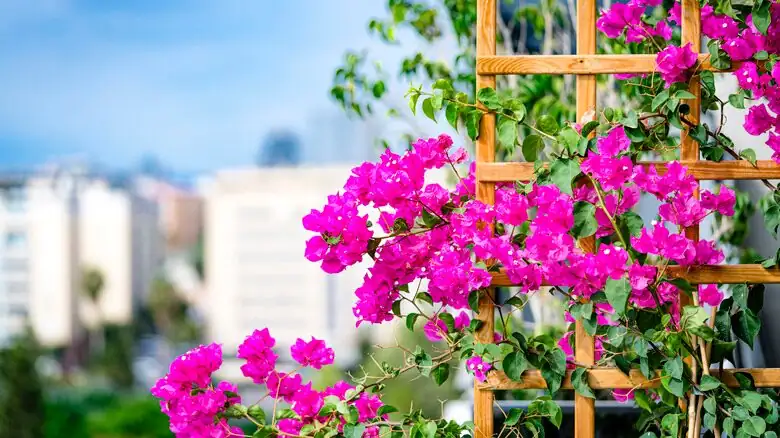
- Light and placement: Full sun outside on a balcony, patio, or warm wall. Indoors, brightest south- or west-facing window/sunroom.
- Soil and pot: Use a fast-draining, airy mix (quality potting soil with coarse sand/grit). Keep it slightly pot-bound. Young plants repot every ~2 years; mature plants often get a spring top-dress instead.
- Supports: Trellis, hoops, bamboo canes, or tensioned wires. Tie in soft growth before it hardens; guide shoots sideways to stimulate flowering laterals.
- Pruning rhythm:
- Pinch overly long soft shoots to branch and compact.
- Prune to shape after flowering; remove dead/weak or crossing stems.
- Avoid heavy cuts during peak display if you don’t want to lose color.
- Older, woody plants can benefit from occasional rejuvenation pruning.
Watering and feeding for color (not just leaves)
- Watering, growing season: Deeply saturate, drain fully, then wait until the top layer dries and the mix is close to “nearly dry” before watering again. Never keep it constantly wet.
- Watering, autumn/winter: Reduce. A slightly drier regime can encourage flowering; in winter, keep much drier and bright above 7–10°C/45–50°F.
- Fertilization:
- Option 1: Monthly with a bloom-leaning formula (e.g., higher potassium).
- Option 2: Every 2 weeks with a balanced liquid; switch every third feed to a higher-potassium bloom feed.
- Tip: Too much nitrogen = lots of leaves, fewer bracts.
Cold, pests, and safety
- Hardiness: Not frost-hardy. Best outdoors year-round in USDA 10–11 (warm 9 with protection). Best growth ~15–30°C/59–86°F.
- Humidity and air: Low to moderate humidity is fine; good airflow deters pests.
- Pests and issues: Scale, mealybugs, aphids on new growth, caterpillars, and spider mites in hot, dry indoor air. Leaf spot and root rot follow poor drainage/overwatering. Treat with horticultural oil/soap as needed and fix culture first.
- Safety: Sap can irritate skin/eyes and ingestion may upset the stomach; thorns can puncture. Wear gloves; keep away from children and pets.
Quick picks by goal
- Balcony, frequent color, tidy shape: Choose Bougainvillea glabra or compact hybrids with papery bracts; train to a hoop or slim trellis.
- Big, plush wall of color: Go for spectabilis types or vigorous hybrids; space canes and let laterals flower along wires.
- Cool, luminous entryway: White-bracted glabra or hybrids; pair with variegated foliage for contrast.
- Sunset palette lovers: Hybrids (often B. × buttiana) in apricot, salmon, copper, or orange tones.
For collectors: propagation and training tricks
- Cuttings: Softwood in spring, semi-ripe in summer, hardwood in warm weather; 15–20 cm pieces in a free-draining medium. Warmth (about 21–27°C/70–81°F) speeds rooting; a bit of IBA rooting hormone helps.
- Layering: Standard or air-layer in early summer; roots often in about 2 months.
- Grafting: Common in spring once temps stay above ~15°C/59°F—handy for combining vigorous roots with a prized cultivar.
- Design tip: Plant two or three young liners at the base of a trellis and weave them for a fuller fan—instant density, faster color.
Symbolism and name notes
Bougainvillea is widely seen as a banner of welcome, celebration, and passionate color—no surprise when a doorway explodes in fuchsia. If you see “flower language” claims, they’re modern, culture-by-culture interpretations rather than historical doctrine; the deeper resonance comes from the plant’s carnival of bracts announcing hospitality and joy. The genus is named for the French navigator Louis Antoine de Bougainville—fitting for a plant that traveled the world to become a garden icon.
FAQ for color-first growers
- Why do I have lots of leaves but few bracts?
- Usually one (or more) of these: not enough direct sun, too much water, or fertilizer that’s too high in nitrogen. Move it to max sun, let the mix dry more between deep waterings, and shift to a bloom-leaning, higher-potassium plan.
- Can I grow bougainvillea indoors year-round?
- Yes—if you can give strong, direct sun (bright south or west window/sunroom) and keep it drier in winter. Without enough direct light it will survive, but won’t bloom well and may get leggy.
- Does bougainvillea need a big pot?
- Usually not. It often blooms better slightly root-restricted. Step up one pot size at a time; top-dress mature plants instead of frequent repotting.
Give bougainvillea sun, air, sharp drainage, and smart feeding, and it will pay you back with the kind of saturated, months-long spectacle that turns any support—trellis, hoop, wire, or wall—into a fiesta.