


If you’ve ever sipped a calming “cup of chamomile” and wondered which plant to grow at home, you’re asking the right question. Most gardens (and tea tins) are built on two look‑alike cousins: German chamomile and Roman chamomile. Both smell like a sun‑warmed apple, both make lovely teas, and both charm pollinators—but they behave differently in the garden. Use this side‑by‑side guide to pick the right one for heavy harvests, for low, fragrant groundcover looks, or for a bit of both.
Meet the two chamomiles
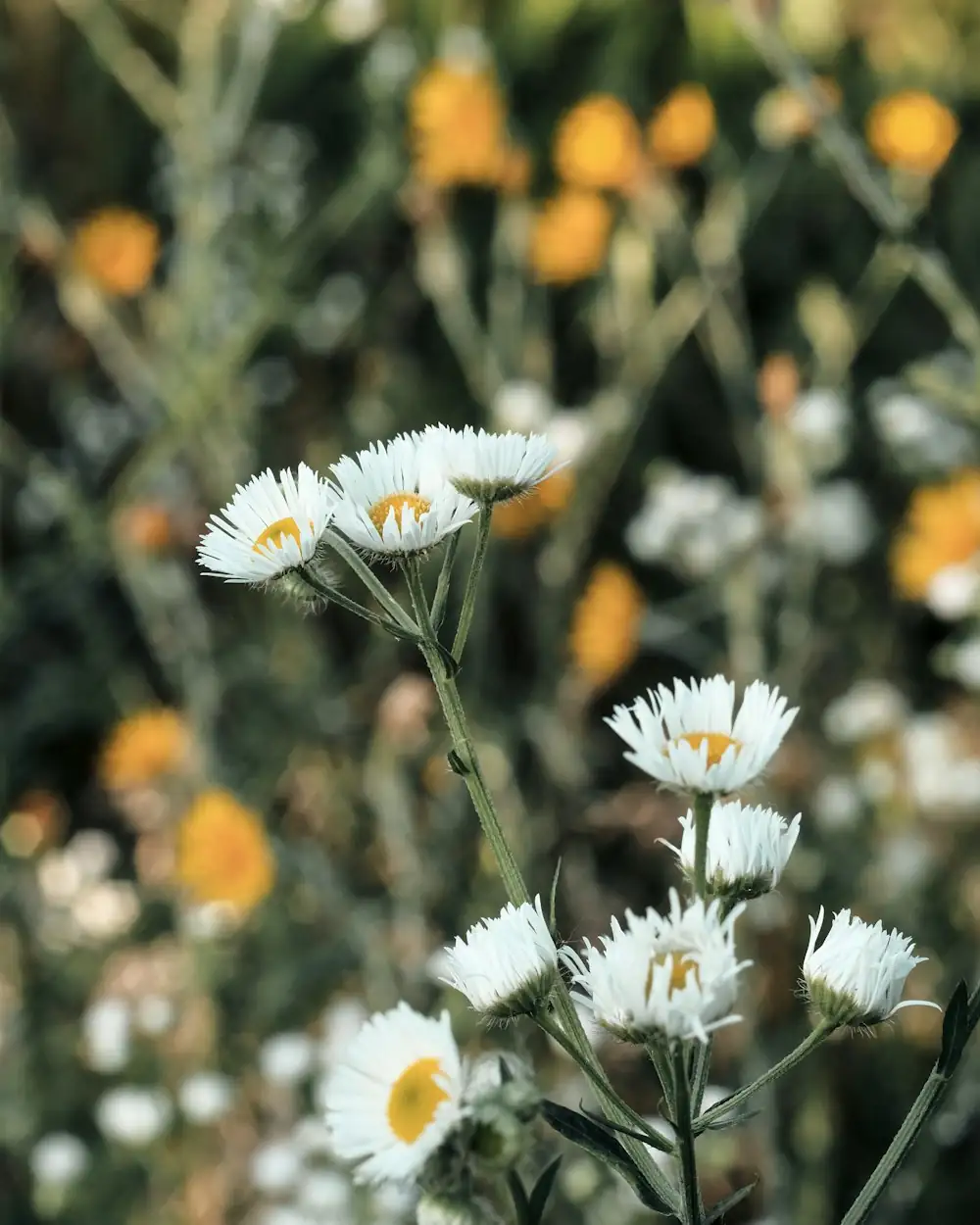
- German chamomile (Matricaria chamomilla)
- Habit: Upright, branching annual; fine, thread‑like foliage
- Size: 15–60 cm (6–24 in) tall
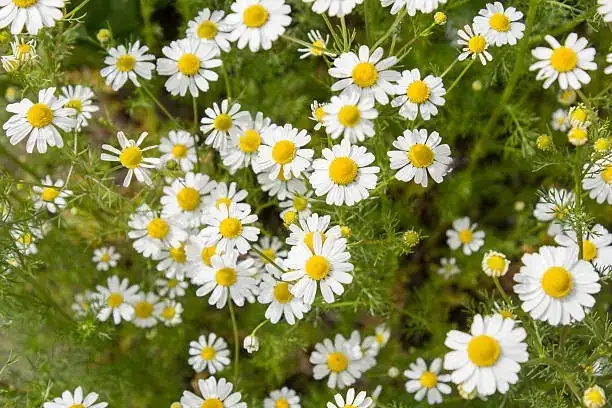
- Flowers: Classic white rays around a yellow cone; rays often droop with age; sweet fruity scent
- Best for: Prolific tea harvests, essential oil, cutting patches
- Roman chamomile (Chamaemelum nobile)
- Habit: Low, creeping perennial; mat‑forming with prostrate stems that can root as they spread
- Size: 20–30 cm (8–12 in) tall
- Flowers: Smaller daisies close to the foliage on a low, spreading plant; apple‑like fragrance
- Best for: Fragrant groundcover or path‑edge “lawnlet,” patio pots, soft edging—and light home tea use
Habit and garden role: harvests vs. groundcover looks
- German chamomile: Think airy, lacy bouquets on wands of bloom. It’s an annual that flowers generously and then often self‑seeds for a surprise encore next year. Perfect when your priority is trimming baskets of flower heads for drying.
- Roman chamomile: Think living carpet. Creeping stems knit into a cushion that softens path edges and spills between pavers. It tolerates gentle foot traffic and releases fragrance when brushed—fitting the old saying that chamomile spreads best when trodden. Use it where you want a scented, cottagey groundcover with the bonus of occasional tea pickings.
Hardiness and climate fit
- Sun: Full sun (about 6–8 hours/day) builds sturdy plants and heavy bloom. In very hot regions, a lick of afternoon shade helps prevent scorch.
- Temperature: Both are happiest around 15–20°C (59–68°F) and can handle hot spells up to ~38°C (100°F) if watered sensibly.
- Cold:
- Roman chamomile: Generally more cold‑hardy and commonly hardy to about USDA Zone 4.
- German chamomile: Frost‑sensitive because it’s grown as an annual; don’t expect it to overwinter in freezing conditions.
- Where they’re grown: Widely cultivated across temperate regions; you’ll find commercial plantings from Germany and France to Morocco and beyond.
Fragrance nuance: same apple, different accents
- Shared signature: Both release a sweet, apple‑like perfume (the old Greek nickname for chamomile translates to “ground apple”).
- Subtle differences:
- German chamomile often reads as a brighter, “greener” apple with a stronger herbal lift—especially evident in the essential oil.
- Roman chamomile skews rounder and softer, with a cushioned apple scent that lingers close to the foliage.
Aromatherapy note: After steam distillation, German chamomile essential oil famously turns deep blue thanks to chamazulene and is typically described as stronger. Roman chamomile oil is usually clear and commonly considered gentler in skincare.
Tea and essential oil: which to grow for what?
- Tea harvests
- Grow German chamomile when volume matters. It’s the classic tea workhorse with abundant, easy‑to‑pluck blooms.
- Roman chamomile also makes a lovely cup—especially for home use from a path‑edge patch—but flower production is typically lower on its low, spreading plants.
- Harvest timing: Snip flower heads as they fully open. In good conditions, bloom runs can last about 50–65 days, with individual blooms forming over ~20–25 days and often arriving in multiple flushes from spring to midsummer.
- Drying tip: Spread single layers in shade with airflow until crisp; store airtight.
- Essential oil
- German chamomile: Grown heavily for its azulene‑rich, deep blue oil prized in aromatherapy and formulation.
- Roman chamomile: Valued for a clear, gentle oil widely used in skincare and perfumery.
Label literacy: “Egyptian chamomile” on a tea or oil often refers to where German chamomile was grown, not a different species.
Maintenance: the easy care recipe
- Soil: Well‑drained and loose; neutral to slightly alkaline suits them well. Add grit or sand in heavier soils.
- Watering: Keep evenly moist while establishing (roughly 2.5 cm/1 in per week). Then let the topsoil dry a bit between waterings. Avoid soggy roots.
- Feeding: Light feeders. Overfertilizing makes them lush and floppy with fewer flowers. In pots, a diluted, balanced feed about monthly is plenty; garden beds often need none.
- Pruning:
- Deadhead to extend bloom.
- If plants get leggy, shear to about 10 cm (4 in) to trigger bushier regrowth and another flush.
- Propagation:
- From seed is most common. Sow in spring (or fall in mild‑winter areas). Seeds need light—press onto the surface and keep evenly moist; germination typically in 7–14 days.
- German chamomile readily self‑seeds.
- Roman chamomile can be divided in early spring by separating rooted runners.
- Containers and transplanting:
- Use pots at least 15 cm (6 in) deep with strong drainage.
- Transplant seedlings small (5–8 cm / 2–3 in tall).
- Avoid moving plants during peak bloom if you can.
- Airflow and humidity: Moderate humidity with good airflow keeps mildew and blight at bay.
Side‑by‑side chooser: pick your perfect chamomile
- Choose German chamomile if you want:
- Maximum flower harvests for tea and drying
- A taller, airy patch that often self‑seeds
- Stronger aromatic intensity and the striking blue essential oil
- Choose Roman chamomile if you want:
- A low, fragrant groundcover or path‑edge “lawnlet”
- A perennial that returns in many temperate gardens
- Gentle, close‑to‑the‑ground fragrance and tidy edging looks
- Grow both if you want:
- A productive cutting strip (German) backed by a scented, evergreen‑leaning carpet (Roman)
- A full spectrum of fragrance and form in one herb bed
- Tip: Give each enough room—Roman’s creeping habit can nudge into German’s space if packed too tightly.
Pests, diseases, and companion perks
- Generally trouble‑light and often praised as friendly companion plants.
- Possible pests: Aphids, thrips, or leafminers—usually easy to dislodge with a firm water spray or treat with insecticidal soap/neem.
- Diseases in damp, still air: Leaf spot, powdery mildew, botrytis, rust, or rot. Prevention is mostly sun, airflow, and avoiding constant leaf/soil wetness.
Safety: sip and sniff, but know your limits
- Generally considered non‑toxic, but members of the Asteraceae family can trigger allergies—especially if you react to ragweed or daisies. Contact dermatitis is possible in sensitive individuals.
- Go slow with concentrated extracts/essential oils. Extra caution during pregnancy, with very young infants, and if you’re taking anticoagulant medications; seek professional guidance if unsure.
Quick seasonal game plan
- Spring (Mar–May): Surface‑sow seeds, plant out starts, and expect first flowers. Divide Roman mats if they’re crowded.
- Summer (Jun–Aug): Peak bloom—harvest often, water through heat, and consider light afternoon shade in sizzling climates.
- Fall (Sep–Nov): In mild regions, fall sowing sets you up for earlier spring bloom. Gather and dry flowers; collect seed from German chamomile if you like.
- Winter (Dec–Feb): Roman chamomile rests; shield from harsh winds. German chamomile typically completes its annual cycle.
A note on meaning and lore
Across centuries, chamomile has symbolized comfort and gentle healing—the little daisy that keeps smiling even when conditions aren’t perfect. As a medieval “strewing herb,” it was scattered on floors to sweeten the air underfoot, reinforcing its reputation for resilience and cheer. Folklore often links chamomile to sun deities and to simple household luck, but remember: flower “languages” are cultural stories rather than botanical facts. What endures is chamomile’s lived meaning in gardens and kitchens—a resilient plant offering calm fragrance, friendly blooms, and cups of apple‑scented ease.
—
Bottom line: For baskets of flowers and bold aroma, plant German chamomile. For a perfumed, low green quilt you can brush past every day, plant Roman chamomile. For the best of both worlds, let them share a sunny bed—and enjoy the harvests and the looks.


