

Discover the Rainbow: Fascinating Facts About Irises
Irises, aptly named after the Greek goddess of the rainbow, are a kaleidoscope of beauty and intrigue. These perennial wonders, belonging to the genus Iris in the Iridaceae family, are native to the temperate realms of the Northern Hemisphere. As you explore the vibrant world of irises, you’ll uncover their spectral charm, storied history, and role in art and culture. Ready to dive into a garden of quirky and fascinating facts?
A Palette of Colors
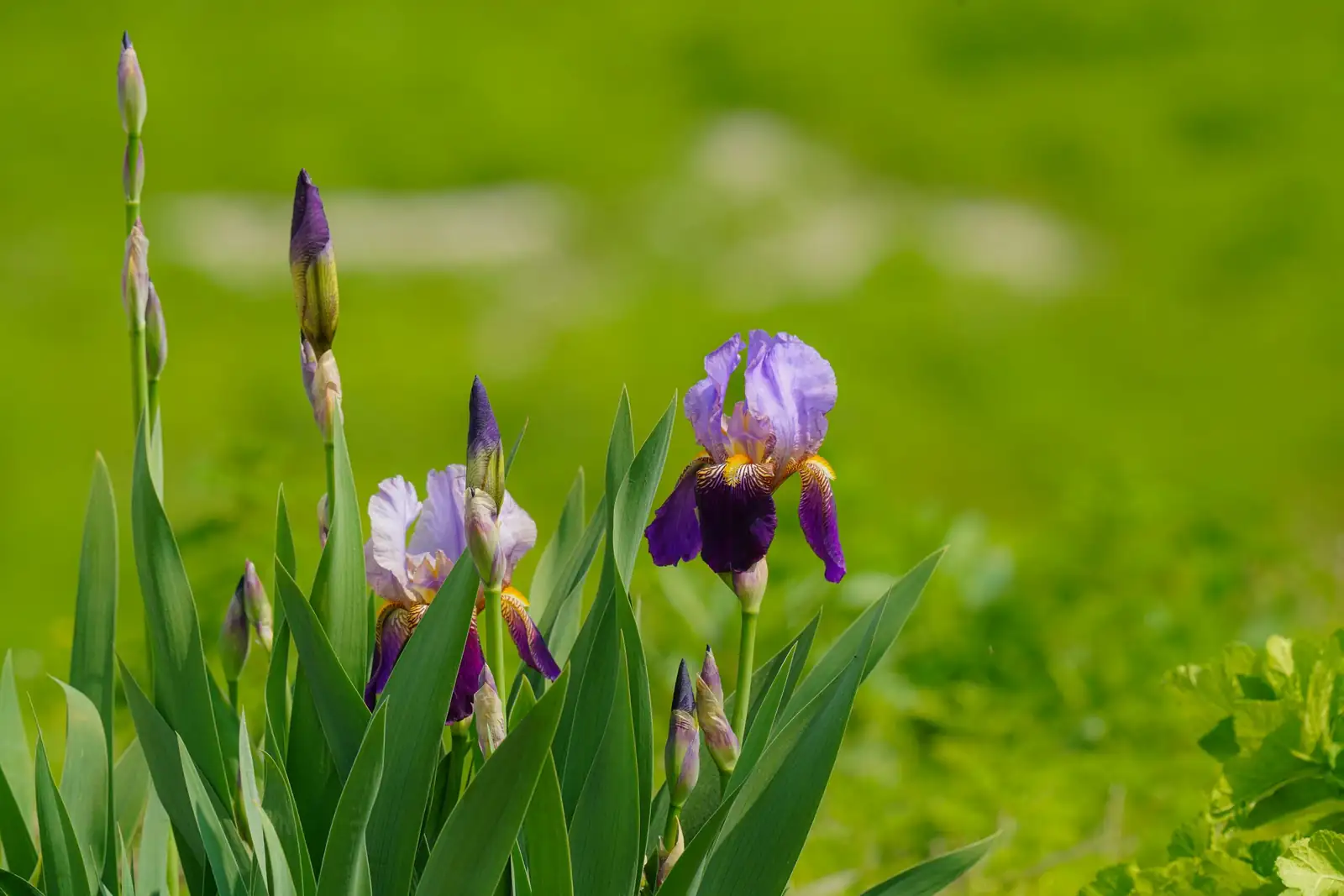
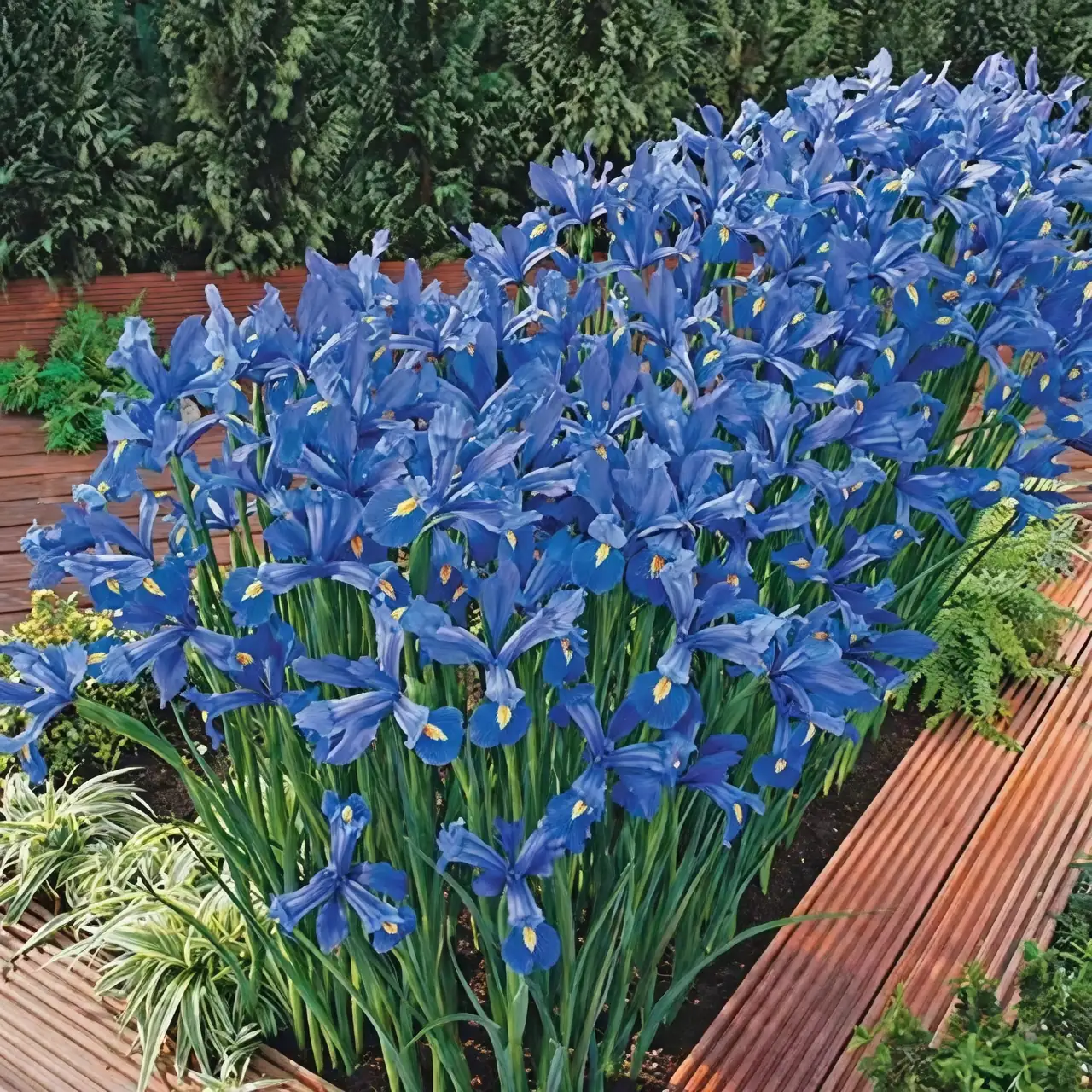
Picture a rainbow, and you’ll have an idea of the color range irises can boast. These flowers span the spectrum with hues of purple, blue, yellow, white, pink, orange, brown, and even near-black. However, despite their wide color palette, true reds are elusive in the iris family. Instead, some varieties flirt with dark, red-brown shades. Their blooms, measuring between 7–15 cm (3–6 in) across, often feature intricate patterns and veining, reminiscent of watercolor paintings.
Architecture of Elegance
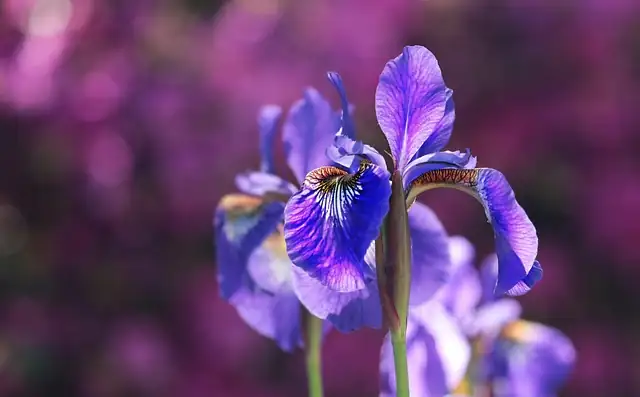
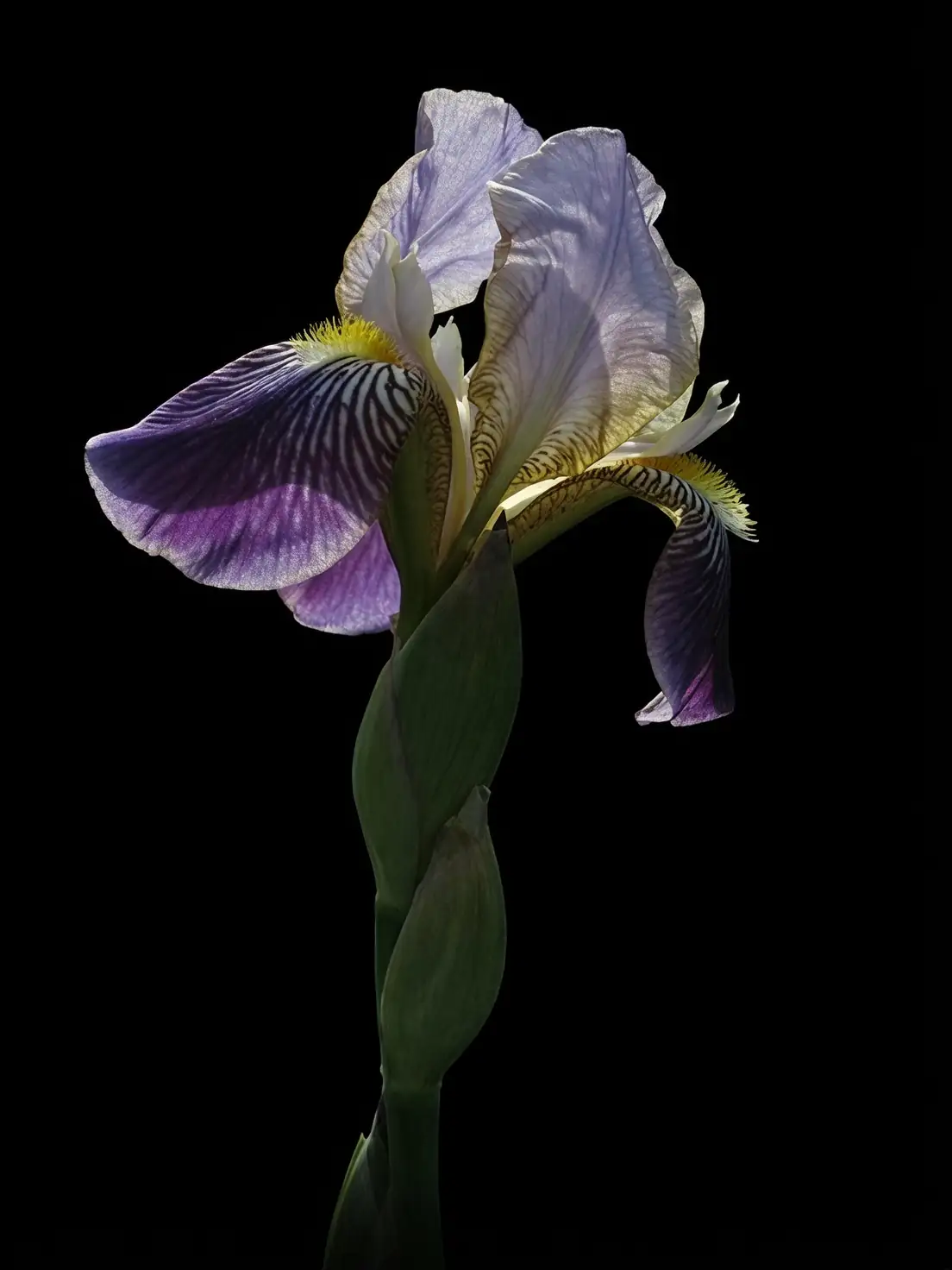
Irises are architectural marvels, with each bloom composed of six petal-like segments. The three upright “standards” and the three drooping “falls” make for a striking floral display. In many bearded varieties, a fuzzy “beard” adds a whimsical touch to the falls. These flowers sit elegantly atop sword-shaped leaves arranged in fan-like clumps, which remain attractive throughout the growing season when well cared for.
From Myth to Modern Gardens
The name “iris” is steeped in mythology. Iris, the goddess, was a divine messenger, traveling on rainbows between heaven and earth. This celestial connection imbued the flower with symbolism of communication and messages. In the language of flowers (花语), irises convey faith, wisdom, and hope. Different colors carry specific meanings: purple for royalty, blue for faith, yellow for joy, and white for purity.
Historically, irises have been cherished since antiquity. The fleur-de-lis, a symbol long associated with French royalty, is believed to be inspired by the iris. This connection extends to civic emblems, notably those of New Orleans and Florence.
An Artistic Muse
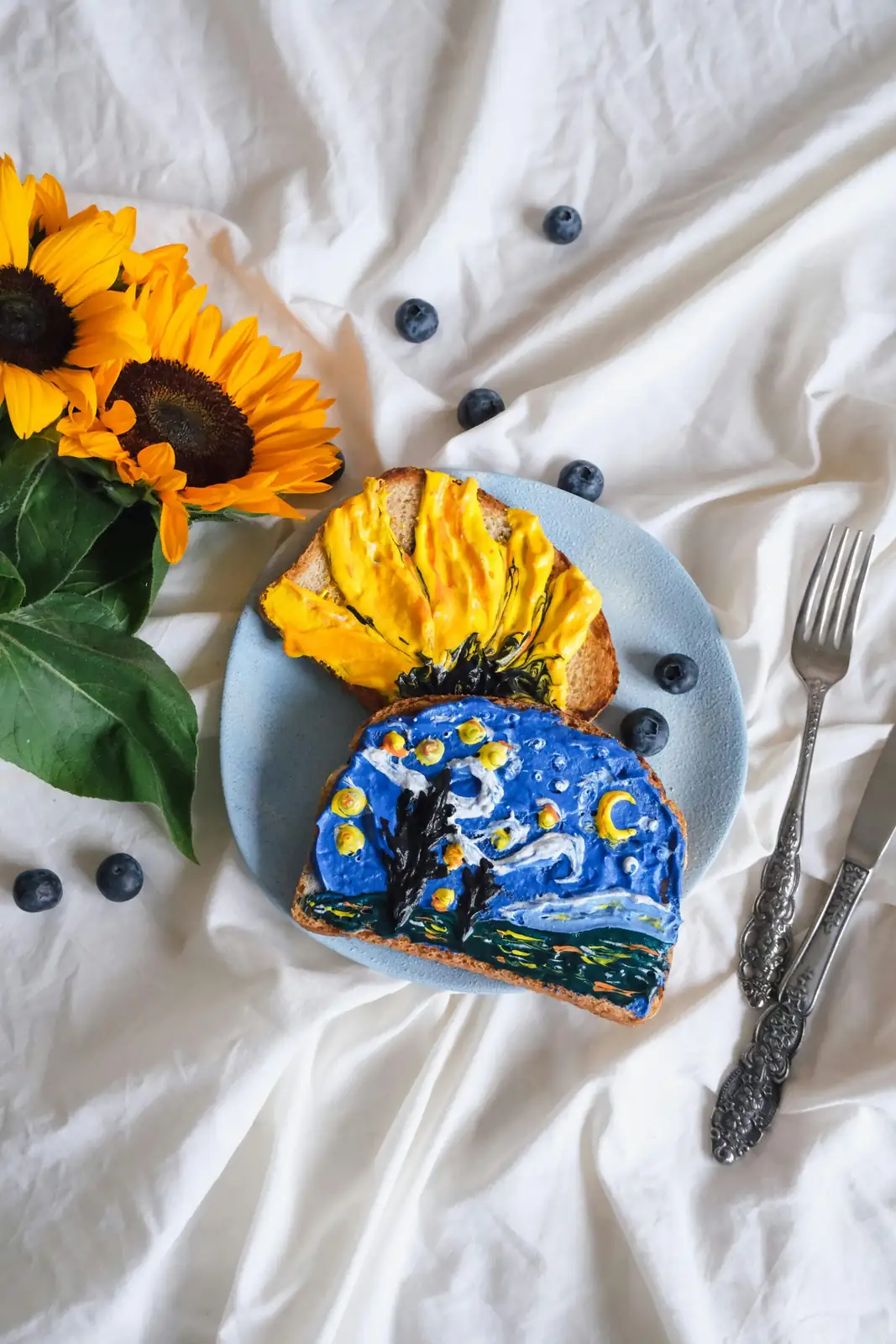
Irises have captured the imagination of artists, most famously Vincent van Gogh. His 1889 painting “Irises” is celebrated worldwide, showcasing the flower’s stunning form and rich coloration. This masterpiece underscores the flower’s role as a muse and its timeless appeal in the world of art.
Cultivating Your Own Rainbow
For garden enthusiasts, irises are a must-have. They thrive best in full sun and well-draining soil. Bearded irises, in particular, prefer drier conditions, while Siberian and Japanese varieties appreciate more moisture. These plants are generally hardy, suitable for USDA Zones 3–9, and are relatively easy to care for once established.
When planting, avoid overcrowding to ensure optimal air circulation and reduce disease risk. Deadhead spent flowers to encourage new growth and maintain plant vigor. Regular division every 2–5 years can keep your iris clumps healthy and blooming profusely.
The Scent of Orris
Beyond their visual appeal, irises contribute to the world of fragrance. The rhizomes of certain irises, known as orris root, are prized in the perfume industry. After drying and aging for several years, orris root develops a signature violet-like scent, used as a fragrance fixative. This transformation underscores the iris’s dual role as both an ornamental and a practical plant.
A Word of Caution
While irises are captivating, they come with a cautionary note. The plant is toxic if ingested, with symptoms including nausea and vomiting. The sap can also irritate sensitive skin, so gloves are recommended when handling the rhizomes.
Conclusion
Irises are not just plants; they are storytellers, artists, and scent-makers. Whether you’re captivated by their vibrant colors, intrigued by their historical significance, or inspired by their artistic legacy, irises offer a universe of discovery. So next time you stroll through a garden, let the irises draw you into their world of rainbowed wonder.


