

Meet the Marvelous Coleus: Nature’s Palette in Plant Form
If you’re searching for a plant that can instantly brighten your garden or home with a splash of color, look no further than the charming Coleus! Officially known as Plectranthus scutellarioides (though it still answers to Coleus scutellarioides in many circles), this plant has a personality as varied and vibrant as its foliage. So, let’s dive into the quirky world of coleus and uncover what makes it a favorite among gardeners worldwide.
A Tapestry of Color
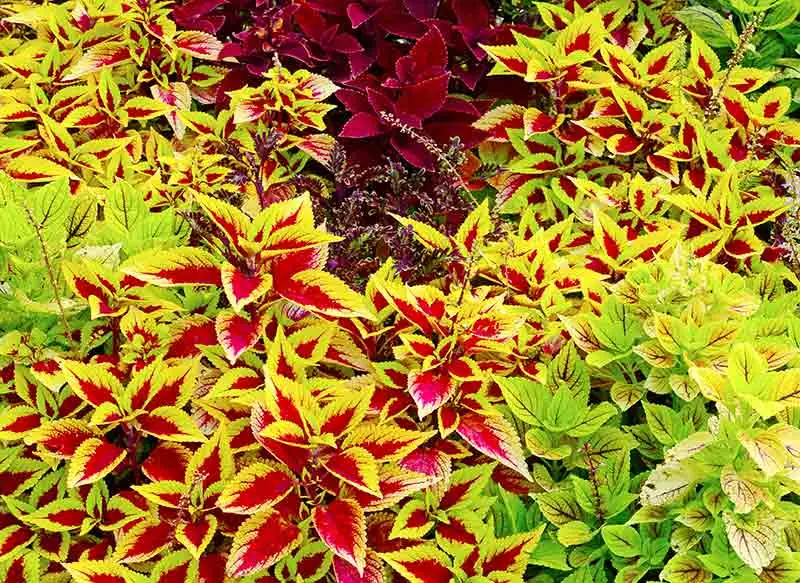
Imagine a painter’s palette, loaded with swirls of lime green, blush pink, deep burgundy, and fiery orange. Now, picture those colors not on a canvas but on the velvety leaves of a plant. Coleus, often called Flame Nettle or Painted Nettle, is celebrated for its dazzling leaves that come in a kaleidoscope of hues. These leaves often feature bold veins or contrasting edges, making each cultivar a living piece of art. Whether you’re filling a shady corner or adding drama to a sunny spot, coleus is your go-to choice for an eye-catching display.

The Victorian Obsession
Back in the Victorian era, coleus was all the rage. It wasn’t just a plant; it was a statement piece, much like a luxurious Persian rug. Victorians adored using coleus in elaborate “carpet bedding” designs, arranging the plants to create intricate mosaics of color in their gardens. They even paid extravagant sums for rare varieties, treating them like living status symbols. Talk about plant power in the parlor!
Growing with Ease
One of the reasons coleus continues to charm is its easygoing nature. It’s a fast grower, happy to spread its colorful leaves in containers, hanging baskets, or as a border plant. Just remember the golden rule: pinching! Regularly pinching back the tips encourages bushy growth, ensuring your plant stays lush and full. It’s like giving your coleus a regular haircut to keep it looking its best.
- Light: Prefers part shade to bright, indirect light. Some modern cultivars thrive in full sun, but be cautious with those delicate, light-colored leaves—they can scorch!
- Water: Keep the soil evenly moist, but not soggy. A thirsty coleus will let you know by wilting dramatically, so check the soil regularly.
- Temperature: Warmth is key. Keep your coleus cozy above 15°C (59°F).
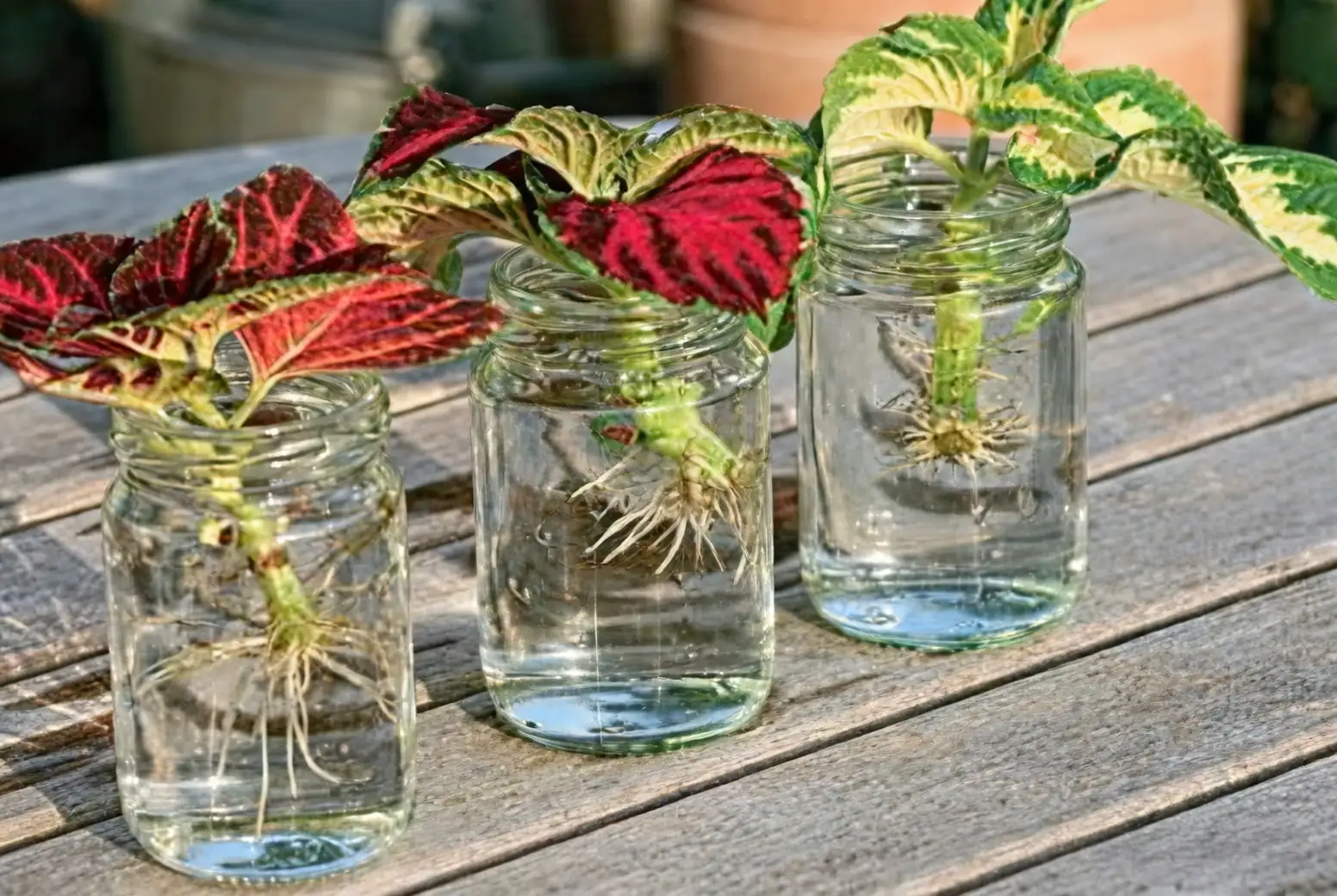
- Propagation: It’s ridiculously easy. Snip a stem, pop it in water or soil, and voilà—new plant!
Coleus in the Language of Flowers
In the enigmatic world of flower language, coleus is linked with creativity and bold self-expression. Its vivid colors symbolize daring ideas and the courage to stand out. In a more romantic twist, it’s also associated with intense, perhaps even “desperate” love—big emotions packed into a small pot!
A Modern Renaissance
The coleus is experiencing a renaissance of sorts. New cultivars are bred to tolerate sunnier spots than their ancestors, making them versatile additions to any garden. Whether you’re looking for a ground cover or a towering focal point, there’s a coleus variety to meet your needs.
Quirky Traits and Fun Facts
- Square Stems: Like all mint family members, coleus sports square stems.
- Color Shifters: Leaf colors can shift with light levels—brighter light enhances those dramatic pigments.
- Propagation Prodigy: A cutting roots in water like magic, often within two weeks.
- Victorian Hotcakes: Once, collectors paid top dollar for rare coleus varieties.
A Note on Safety
While coleus is generally low-risk for humans, its sap can irritate sensitive skin. It’s a different story for pets—keep this plant out of reach, as it can cause stomach upset if nibbled.
Embrace the Coleus
Whether you’re a seasoned gardener or just starting out, coleus offers an easy entry into the world of vibrant foliage. Its adaptability and sheer range of colors make it an indispensable part of any plant collection. So, why not invite a little Victorian glamour into your garden and let the coleus charm you with its lively hues and carefree spirit?


