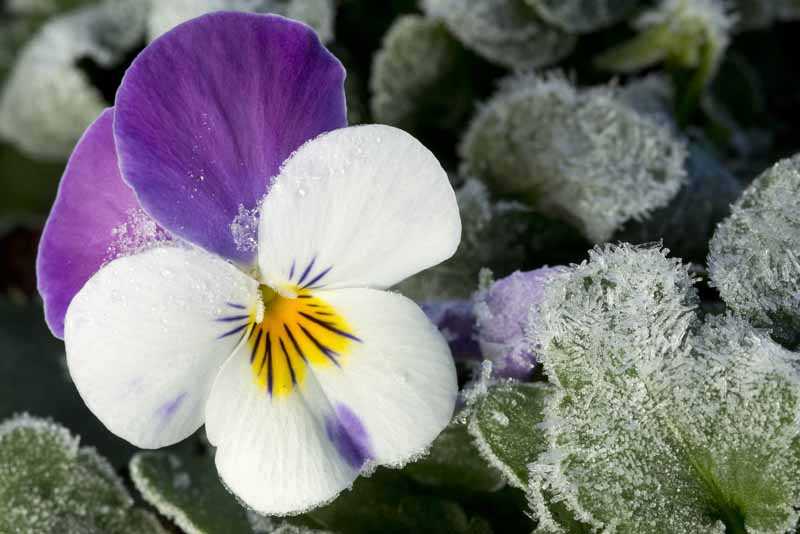
Think of winter pansies as little campfires in the cold—bright, spirited, and eager to glow if you keep their roots warm and dry. Viola × wittrockiana may love brisk air, but it hates soggy feet and roller-coaster freezes. With the right mulch, smart covers, and savvy placement for your region, you can protect roots, dodge freeze–thaw damage, and keep those “faces” smiling right through winter.
Meet your plant: pansy basics that matter in winter
- Identity: Viola × wittrockiana (garden pansy), family Violaceae. Compact mounds with iconic “face-like” blooms in almost every color.
- Size: About 15–25 cm tall and 15–30 cm wide (6–10 in by 6–12 in).
- Season: Peak in spring and fall; often flower through mild winters.
- Light: Full sun to partial shade; aim for about 6 hours of light. In warm spells, afternoon shade helps.
- Soil: Fertile, humus-rich, consistently moist but very well-drained. Slightly acidic is ideal.
- Temperatures: Best growth in cool conditions, roughly 7–15°C (45–59°F). Light frosts are usually fine; prolonged hard freezes can cause damage around -5°C (23°F) and below—especially with repeat freeze–thaw.
- Overwintering: Often treated as a cool-season annual. Performance varies by cultivar and region; containers chill faster than garden beds.
Translation for winter success: steady soil temperatures, drainage that never leaves roots waterlogged, and protection from drying winds and rapid thaw-refreeze swings.
Region-savvy placement: where you plant is half the protection
Mild-winter areas (roughly Zones 8–10)
- Placement: Full winter sun to light afternoon shade. Choose airy sites with excellent drainage.
- Microclimates: Near walls, along patios, or south/east exposures for extra warmth and cheer.
- Beds vs. containers: Both can flower all winter; containers still need drainage and occasional protection on rare hard-freeze nights.
Transitional winters (roughly Zones 6–7)
- Placement: Full sun is your friend. Avoid wind tunnels and low, wet spots that collect cold air.
- Microclimates: East-facing beds or spots backed by masonry hold just enough daytime warmth without over-thawing.
- Timing: Plant in fall early enough to root well—ideally 6–8 weeks before your first hard freeze. Strong roots ride out winter best.
Colder regions (Zone 5 and colder)
- Strategy: Treat pansies as seasonal color or overwinter only with serious protection. Choose sheltered beds (not exposed raised planters) and avoid containers outdoors through deep freezes.
- Microclimates: East or northeast exposures can reduce harsh midday thaw that re-freezes at night. In extreme cold snaps, coverings and thicker mulch are essential.
Root armor: insulating mulches that don’t smother
Mulch is your winter MVP—it buffers soil temperature, limits heaving, and preserves moisture without leaving roots soggy.
- What to use
- Pine straw (airy, dries quickly), shredded bark, leaf mold/composted leaves, or evergreen boughs.
- For containers: add a light top mulch and insulate the pot (see below).
- How much
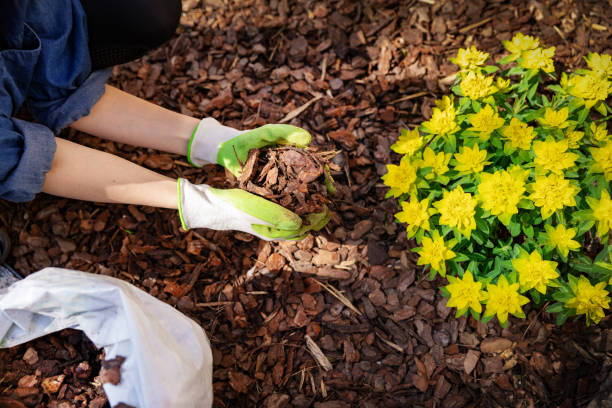
- Aim for 5–8 cm (2–3 in) deep around plants but keep a “donut hole” around the crown so it stays dry and open.
- When
- After soils cool in late fall but before the first prolonged hard freeze. Top up midwinter if settling exposes roots.
- Pro tip
- Avoid dense, matted wet leaves that suffocate crowns and invite rot.
Smart covers for cold snaps (and how to use them)

- Best tools
- Breathable frost cloth/row cover set over low hoops. Secure edges to block wind; remove or vent on mild days.
- Emergency options
- Evergreen boughs or a light layer of pine straw can shield foliage during brief extremes.
- What to skip
- Plastic directly on foliage—it traps condensation and can freeze onto blooms. If you must use plastic, keep it off plants with hoops and vent during the day.
Defeat the freeze–thaw yo-yo
Soil “heaving” occurs when the ground warms and refreezes, pushing shallow-rooted plants up and tearing roots.
- Mulch deeply (but crown-clear) to buffer temperature swings.
- Water the day before a hard freeze if the soil is dry. Moist—not soggy—soil holds heat better than dry soil.
- Re-firm any heaved plants on the next thaw. Top up mulch afterward.
- In colder regions, favor east/northeast exposures that warm gently; in milder climates, south/east exposures are fine.
Containers: winter-proofing pots and roots
Containers lose heat fast—plan ahead.
- Size and mix
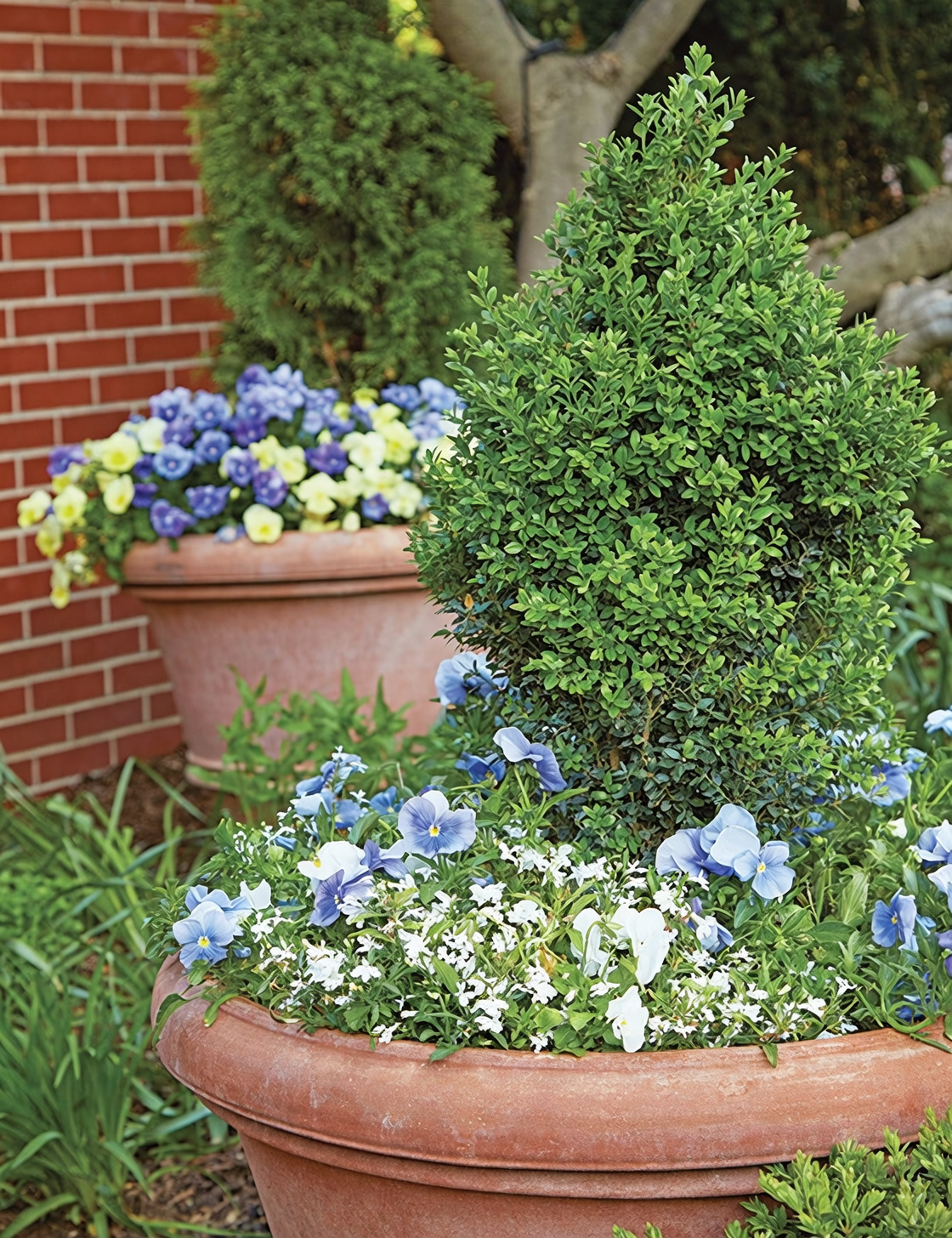
- Use larger containers with excellent drainage (peat-based or loamy mixes with perlite). Elevate pots on feet; no standing water in saucers.
- Insulation
- Group pots together, wrap with burlap or bubble wrap under burlap, or “double-pot” (a smaller pot slipped into a larger one, with insulating material in between).
- Mobility
- Stage movable planters by a bright, sheltered wall, under a porch roof, or in a cold but frost-free garage or shed during deep freezes. They don’t need warmth—just protection from the elements.
- Watering
- Water when the top 1–2 cm (0.4–0.8 in) is dry on thawed days; never water into frozen soil. Always water at soil level.
Keep the color coming (even in January)
- Light
- Give about 6 hours of winter sun; in warm snaps, a touch of afternoon shade keeps buds forming.
- Deadhead and tidy
- Pinch off spent blooms (with stems) to redirect energy into new flowers. Remove any freeze-mushed petals fast—this deters gray mold (Botrytis).
- Nutrition
- Feed lightly during active growth: a balanced fertilizer monthly, or half-strength every two weeks for containers. Shift to bloom-forward formulas and avoid high nitrogen that pushes leaves over flowers.
- Spacing
- Space plants about 15–20 cm (6–8 in) to keep airflow up and mildew down.
- Cultivar savvy
- Choose compact, well-branched plants with plump buds. Many modern lines are bred for better winter performance; trailing types can be especially vigorous. Cold-forward selections still benefit from mulch and covers during prolonged freezes.
Pests, diseases, and winter weather teamwork
- Watch for aphids and spider mites on milder winter days; use insecticidal soap if needed.
- Slugs/snails love crown-level buffets—use barriers or hand-pick on damp nights.
- Disease risks rise with wet, stagnant air: powdery/downy mildew, leaf spots, rust, and Botrytis. Water at the base, improve airflow, and promptly remove infected tissues.
A quick winter care calendar
- Early–mid fall
- Plant for root establishment; water to settle in. Apply slow-release feed if desired. Mulch after soils cool.
- Late fall
- Stage row covers; check drainage; clear crowns. Top up mulch before first hard freeze.
- Winter
- Water sparingly on thaw days; cover during prolonged freezes. Deadhead and remove mushy blooms fast.
- Late winter/early spring
- Trim leggy growth back to 7.5–10 cm (3–4 in) to refresh. Begin regular feeding as growth accelerates.
Troubleshooting at a glance
- Plant popped up from soil
- Freeze–thaw heave. Re-firm on a thaw; add mulch.
- Leaves purple-tinged and small
- Cold stress and possible low phosphorus uptake in cold soils. Wait for a thaw to feed lightly; don’t over-fertilize frozen soil.
- No buds
- Either too cold (pause is normal) or a warm spell plus too little light. Ensure full winter sun, steady moisture, and balanced feeding.
- Yellowing, mushy crowns
- Poor drainage or smothering mulch. Improve drainage, clear the crown zone, water only at soil level.
A note on meaning and memory
The name “pansy” comes from the French pensée—“thought”—which is why they’ve long signified remembrance and affectionate consideration. In Victorian flower language, they could hint at thoughtful love (sometimes even a secret one). Whether or not you lean into the lore, there’s something fitting about a flower that keeps blooming through winter’s tests: it remembers spring for us.
Bonus tips for edible blooms
Pansy flowers are widely used as edible garnishes—but only harvest from plants never treated with ornamental pesticides. Use sparingly to avoid stomach upset, and enjoy their cool-weather sweetness on cakes, salads, and cocktails.
With the right site, a crown-clear blanket of mulch, quick-draw frost cloths, and a watchful eye on soil moisture, your Viola × wittrockiana will hold its color like a seasoned winter athlete—cheerful, resilient, and ready to sprint when spring whistles.