

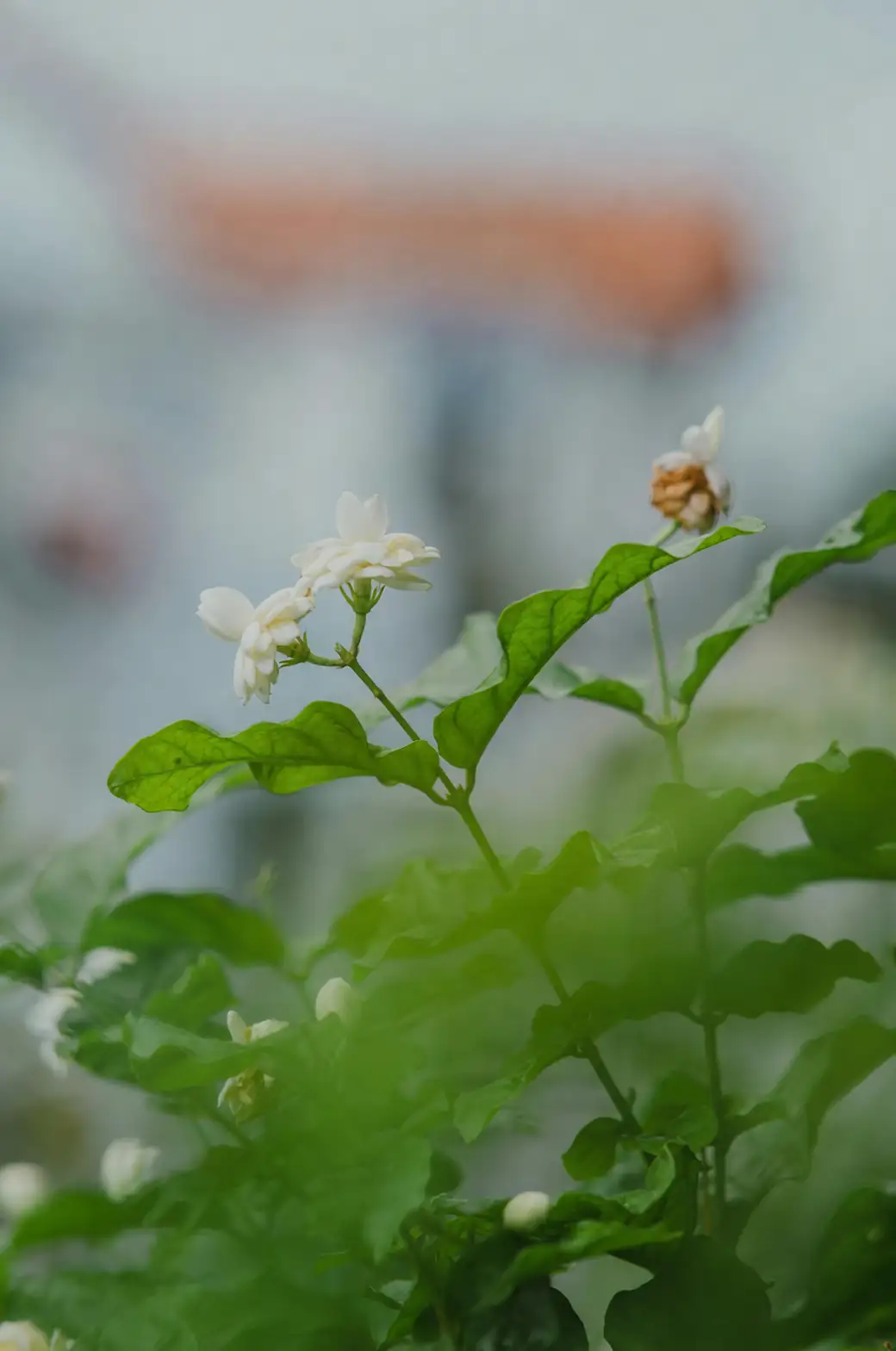
If you’ve ever paused at dusk because the air suddenly turned honeyed and velvety, chances are a Jasminum sambac—Arabian jasmine—was nearby, quietly releasing its night-sweet perfume. This small, glossy-leaved shrub has taken more sea journeys and slipped into more ceremonies, teacups, and perfumes than almost any other flower. Its story begins in tropical Asia and then rides the monsoon winds across empires, kitchens, perfumers’ labs, and islands where garlands speak without words.
Roots in tropical Asia: where sambac began
Jasminum sambac is native to tropical Asia—particularly India and Pakistan and up through the Himalayan foothills of western China. In nature and in gardens it’s an evergreen to semi-evergreen shrub that can also be trained to clamber, dressed in deep-green, glossy leaves. The flowers are famously waxy and white (sometimes starry, sometimes double and rosette-like), with a fragrance that turns richest in warm weather, especially evening.
And that name we all know—jasmine? It traces back to the Persian yasmin, often glossed as “a gift from God.” The word traveled, and so did the plant. By the time European writers were cataloging the flora of the East, the species had already coursed along trade corridors touching the Arabian Sea—hence the enduring, if geographically misleading, nickname “Arabian” jasmine.
Carried by monsoon and caravan: a living traveler of the old trade routes
Long before global shipping containers, Jasminum sambac crossed borders in clay pots and braided cuttings. Gardeners, monks, merchants, and queens moved it along the same networks that ferried spices and silk.
- Across South and Southeast Asia, it settled into courtyards and markets, woven into garlands and hair, placed on altars, and threaded through festivals.
- East into China, its blossoms became inseparable from tea culture and festive ornaments; westward, it seeped into perfumery, where its lush absolute remains foundational.
The birth (and quiet ritual) of jasmine tea
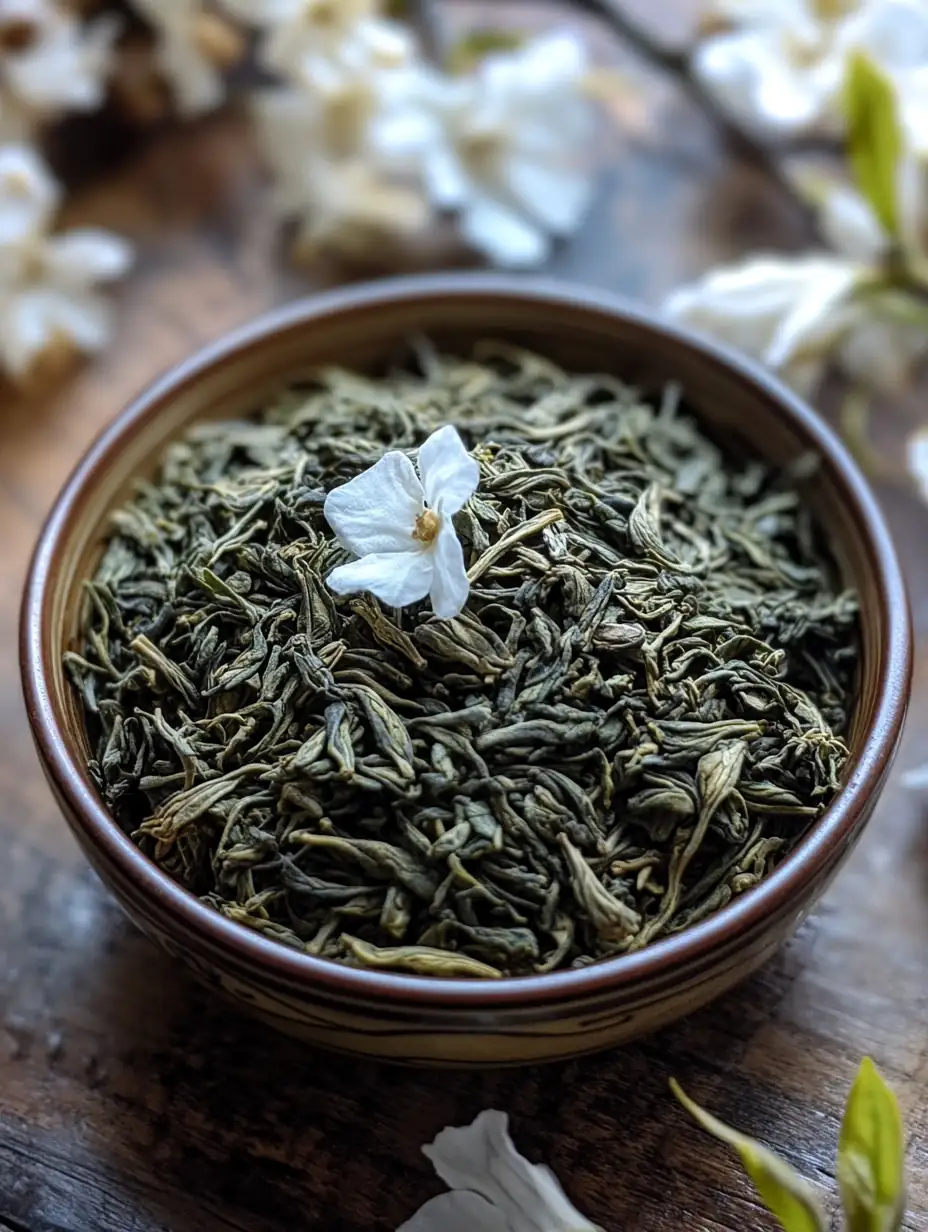
Jasmine tea is less brewed blossom than borrowed breath. Traditionally, finished tea leaves are layered with freshly picked sambac flowers; as evening cools, the blooms exhale, and the tea inhales. The flowers are replaced with new ones, sometimes over several nights, until the tea is saturated with fragrance—clean, sweet, and unmistakably jasmine. Of all jasmine species, Jasminum sambac is the most commonly used for scenting tea, which hints at just how persuasive its perfume can be.
Perfume’s petite powerhouse
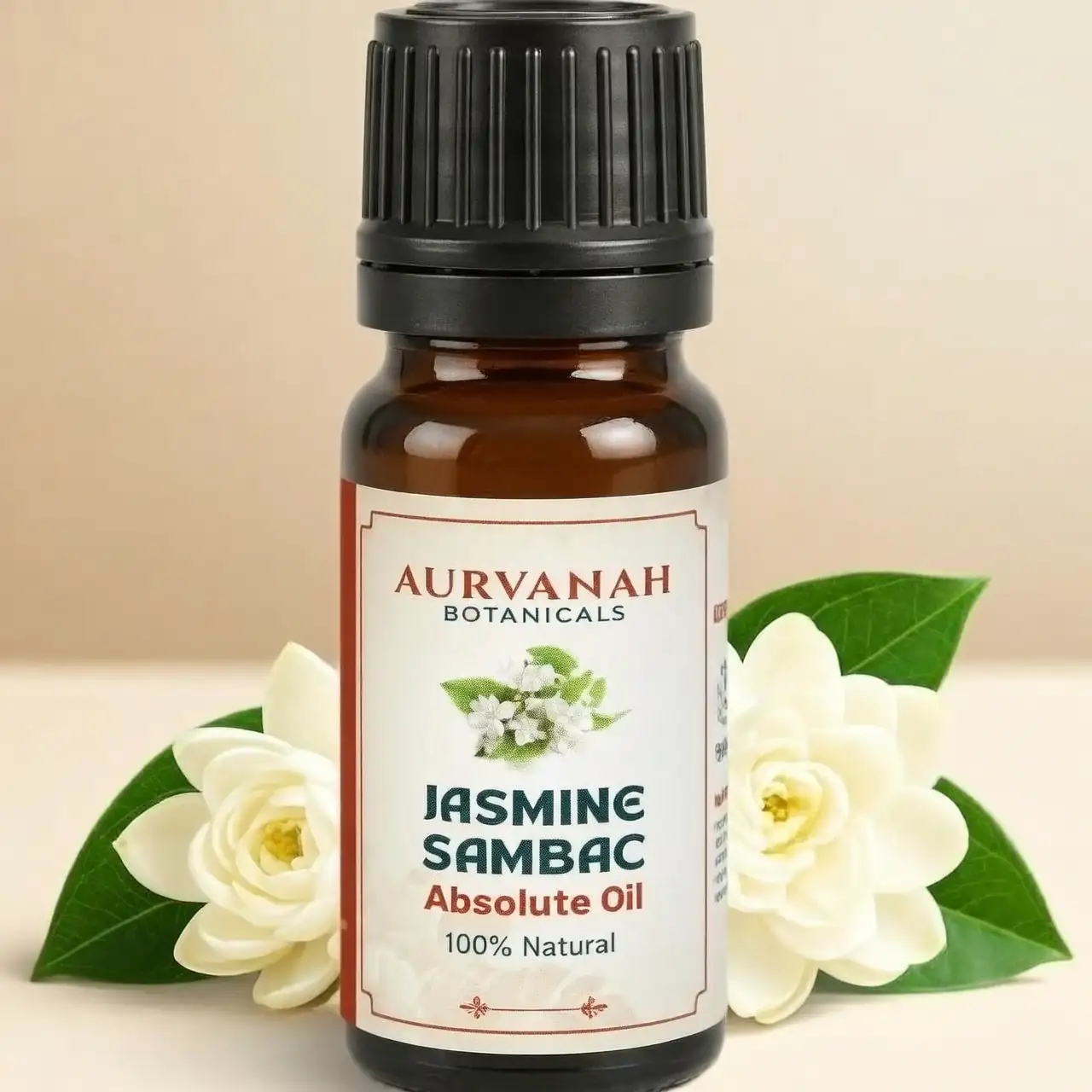
Tiny white blooms, enormous aura. Perfumers love sambac for its creamy, sun-warmed radiance—the kind of scent that can be soft as skin yet expansive as summer. In formulas, jasmine absolute from sambac can add plush floral depth, luminous lift, and the aura of night-blooming mystery to everything from classic bouquets to modern skin scents. Double-flowered cultivated forms, such as Belle of India, and the single, starry Maid of Orleans, are garden favorites whose character has inspired flacons for centuries.
Islands of meaning: Sampaguita and Pikake
Sambac has a knack for becoming a local native of the heart.
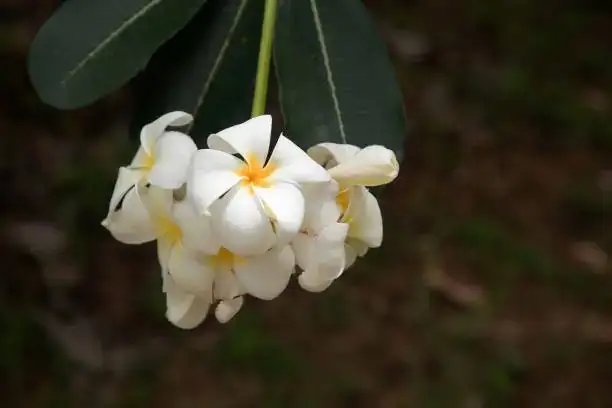
- Philippines: Under the name sampaguita, it’s famously the national flower. Strung into garlands at doorways, on icons, and in celebrations, it speaks of purity, constancy, and hospitality—quiet virtues offered with a radiant scent.
- Hawai‘i: Here it’s called pikake, a beloved lei flower that perfumes evenings with a glow as soft as the trade winds. Ask for pikake and you may be handed a lei whose scent unfolds like a lullaby; many trace the popular name to royal affection and the blossom’s enduring grace.
Flower language, decoded rather than recited
Flower language is a tapestry woven from many threads. In South and Southeast Asia, sambac’s symbolism of love, purity, and gentle devotion arises from centuries of everyday use—weddings, offerings, and welcomes—more than from any single “dictionary.” In the West, Victorian floriography later attached similar meanings to jasmine. Both traditions arrive at something true: a blossom that opens in the evening, endures summer heat, and returns after pruning naturally suggests steadfastness, tenderness, and what gardeners might call “sunshine toughness.”
From palace courtyards to your balcony
The same traits that made sambac a traveler also make it a generous housemate and patio companion. It loves warmth and light, tolerates heat, and happily lives in a pot, ready to greet you at the door with evening perfume.
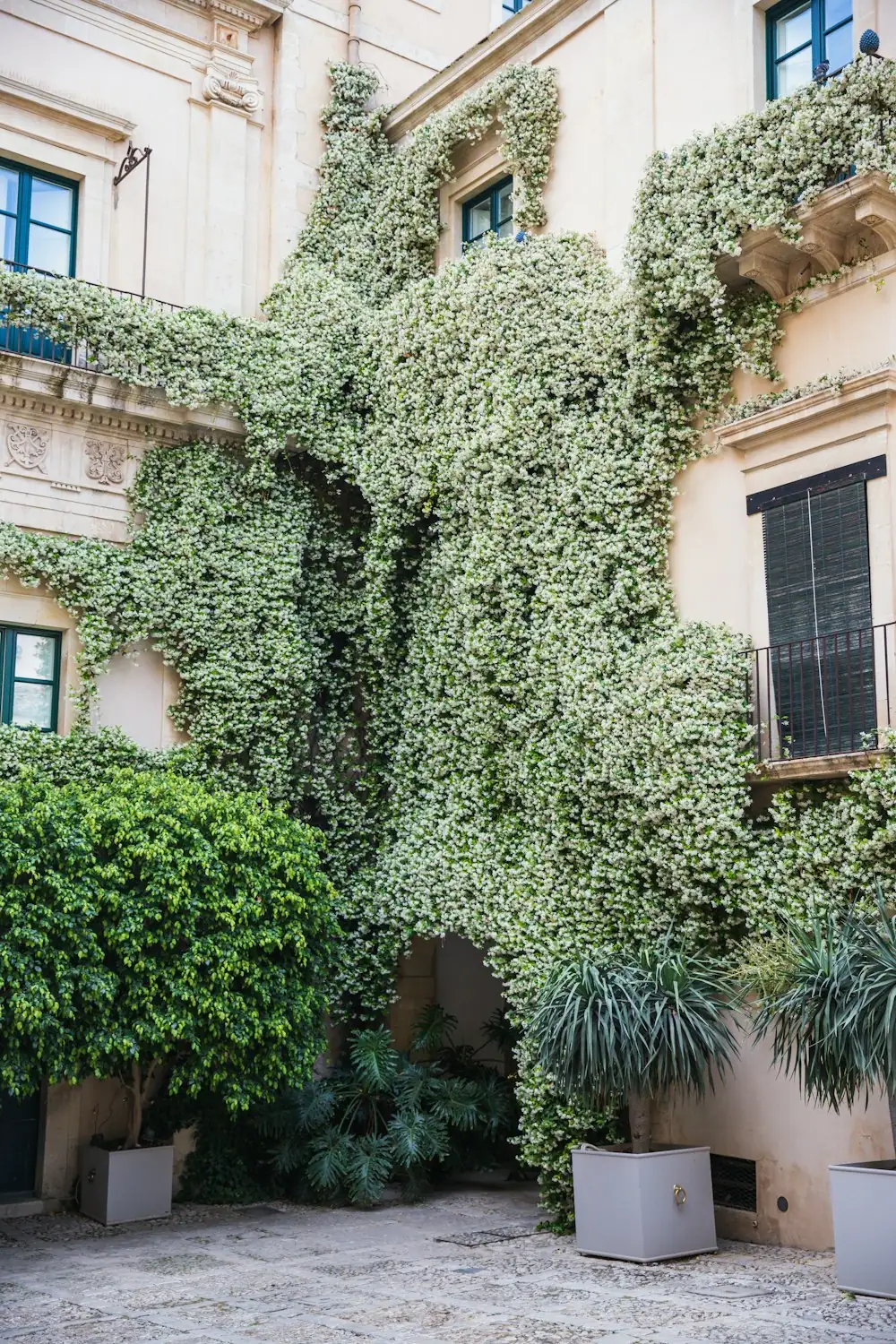
What it looks like, and when it blooms
- Habit: Evergreen to semi-evergreen shrub; can be trained as a small climber on a trellis.
- Foliage: Opposite, simple, oval to elliptic; deep, glossy green when grown bright.
- Flowers: Waxy white, often in clusters; single or many-petaled doubles. The scent is rich and sweet, often most noticeable in warm evenings.
- Season: Summer into autumn; with strong light and warmth it reblooms and, in frost-free climates, can flower nearly year-round.
Quick grower’s cheat sheet
- Sunlight: Full sun to very bright light—aim for 6–8+ hours of direct sun for best bloom and fragrance.
- Warmth: Thrives in heat; protect from cold. Best outdoors year-round in USDA Zones 10–12 (sometimes with protection in warm Zone 9). Keep above 10°C/50°F if overwintering indoors.
- Water: Keep evenly moist in the growing season; never waterlogged. Let the top 2–3 cm (about 1 in) of mix dry, then water thoroughly.
- Feeding: Regular, balanced fertilizer spring through early fall; shift to a bloom-supporting formula if buds are scarce.
- Pruning: After a big flush, prune back to prompt fresh, flowering shoots. Pinch tips to keep it bushy.
- Indoors: Park it in the brightest south- or west-facing window, add humidity if air is dry, and ensure good airflow.
Names it answers to
- Arabian jasmine (Jasminum sambac)
- Sambac jasmine
- Mogra
- Sampaguita
- Pikake
- Maid of Orleans (a single-flowered cultivar)
- Belle of India (a double-flowered cultivar)
A fragrant timeline in brief
- Persian word, Asian roots: The name yasmin hints at how treasured the plant has long been.
- Monsoon highways: Traders, gardeners, and pilgrims carry cuttings across South and Southeast Asia and into China and the Middle East.
- Teahouse alchemy: Blossoms begin scenting tea, turning cool leaves into vessels for warm-night perfume.
- Island embraces: It becomes the national flower of the Philippines (as sampaguita) and a leis legend in Hawai‘i (as pikake).
- Today: A balcony star and perfumery staple, cherished from sun-baked patios to windowsills where summer evenings still feel like stories.
Brew a cup of jasmine tea, lift a lei, or simply crack the window at dusk. One breath, and you’re connected to a centuries-old route where a small white flower has always been a passport—stamped in love, hospitality, and the sweet luxury of night air.


