

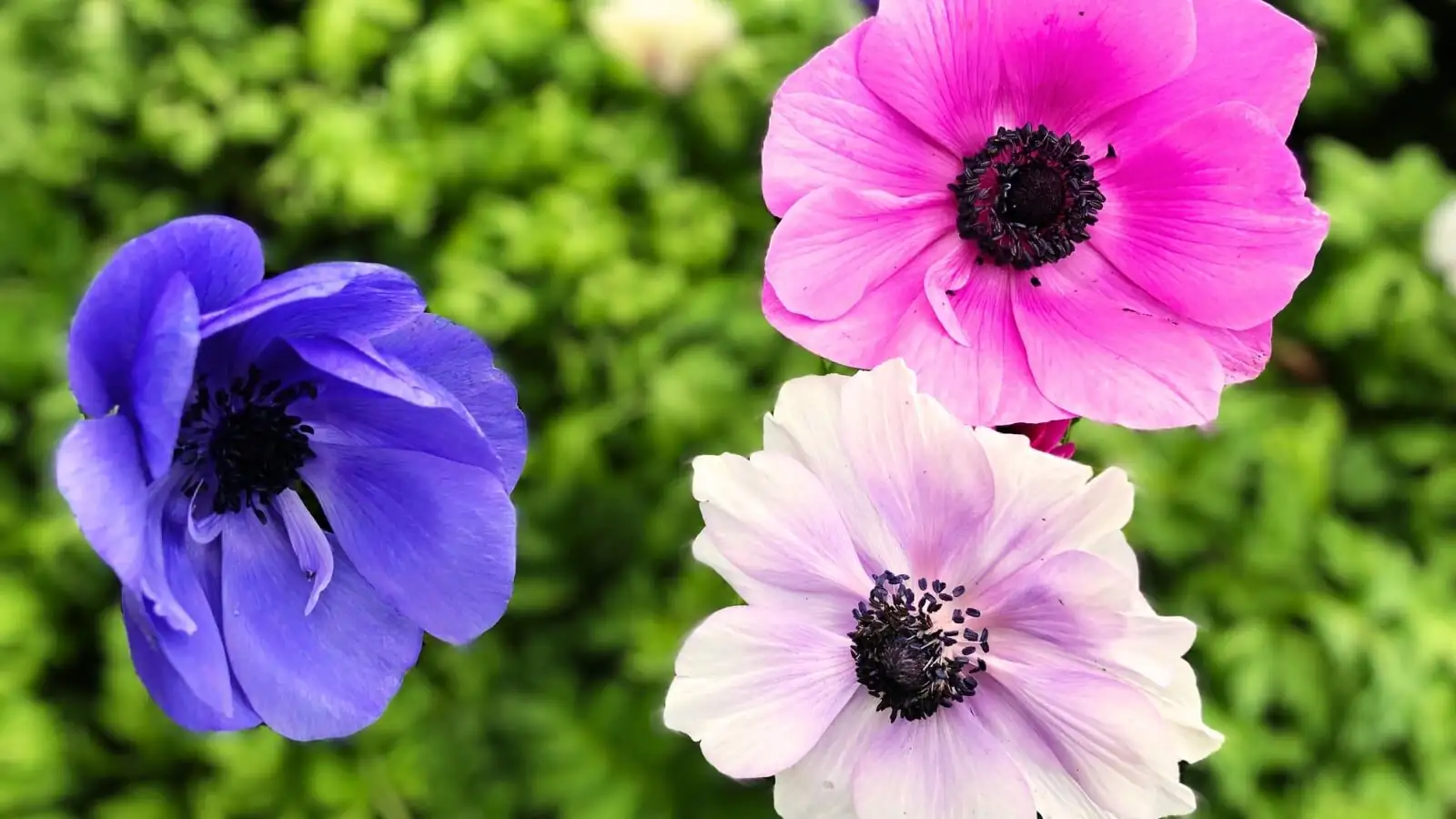
Think of Anemone coronaria (aka Poppy Anemone, Crown Anemone, Windflower) as a tiny, Mediterranean spring factory: give it cool air, bright light, and sharp drainage, and it will fling out silky, poppy-like blooms in jewel tones right when you most crave color. In this propagation masterclass, we’ll focus on the make-or-break steps that turn those gnarly little tubers into a flawless spring show: how to rehydrate correctly, which way is “down,” why depth matters, how to water (and how not to), plus how to tuck tubers away for a stress-free summer rest.
H2: Meet the plant
- Identity: Anemone coronaria (Ranunculaceae), a cool-season, tuberous perennial often grown for spring display.
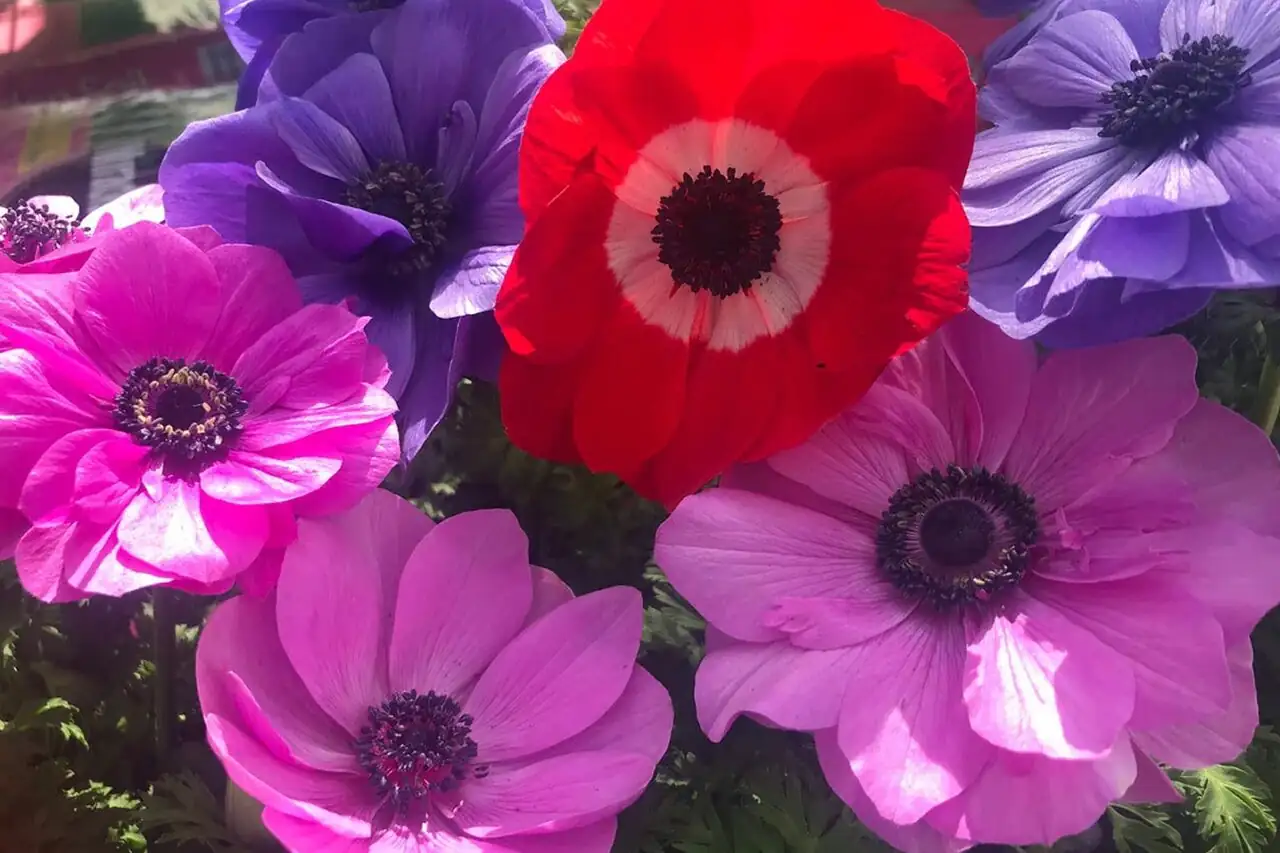
- Look: Finely divided, fresh-green foliage and papery blooms in red, pink, purple, blue, or white with striking centers.
- Habit: Compact—typically under 30 cm (12 in) in pots—perfect for containers, cutting, or spring borders.
- Rhythm: Actively grows and flowers in cool weather; naturally goes dormant in summer heat (and may also pause in very cold winter conditions).
H2: Before you plant: wake the tubers the right way
Those “shriveled acorns” are resting tubers. Waking them gently sets the whole season up for success.
H3: Rehydrate for even sprouting
- Soak tubers in room-temperature water for 3–4 hours, or nestle them in damp sand for the same period to rehydrate. They’ll plump noticeably. Don’t oversoak—soggy tubers rot.
- Advanced option: After soaking, some growers presprout in a shallow tray of moist potting mix at 4–10°C (40–50°F) for 10–14 days until tiny white rootlets appear. Keep just moist, never wet.
H3: Find the “point” and orient it down

- Each tuber has a pointed “beak.” Plant with this point facing down. Don’t invert.
- If you truly can’t tell which end is which, err on the side of shallower planting in pots and watch for the first shoots—but orienting the point down is best practice and speeds uniform emergence.
H2: Depth matters: pots vs. beds
- In pots: Plant about 1.5 cm (0.6 in) deep. Use a 12–15 cm (4.7–5.9 in) pot for three tubers.
- In garden beds: Plant deeper—about 5–7 cm (2–2.8 in). Space plants so foliage has good airflow; 10–15 cm (4–6 in) apart is a practical guide in cutting rows and borders.
- Timing: Aim to plant by late autumn; finishing by late November helps ensure timely spring flowering. Under good conditions, leaves can appear in about 20 days after planting.
H2: Watering strategy: the art of restraint
Newly planted tubers lack functional roots. Flooding them now is like handing a sponge to a stone.
- Right after planting: Do NOT drench. Water lightly—just enough to settle the soil around the tubers.
- As growth begins: Gradually increase to keep the mix evenly moist, never waterlogged. Tubers are sensitive to standing water.
- During active growth and bloom: Water when the surface of the soil dries, maintaining steady, even moisture.
- During winter rest or summer dormancy: Keep much drier to prevent rot.
H2: Soil, drainage, and the ideal container setup
- Mix: Rich yet free-draining—think compost or leaf mold blended with fertile loam and coarse sand. Avoid heavy, sticky soils.
- Drainage: Essential. Elevate beds if your soil holds water; ensure containers have large, unobstructed drainage holes.
- Light: Full sun to bright light; part shade is tolerated. In hot spells, 50–60% shade helps prevent stress and extends performance.
H2: Temperature sweet spot
- Best growth: 15–20°C (59–68°F). Cool weather suits them; hot, humid conditions lead straight to dormancy and disappointment.
- Winter protection: Not reliably hardy in severe winters outdoors without protection; they may also rest during very cold spells.
H2: Feeding for flowers and future tubers
- During active growth: Feed about once a month with a dilute, balanced fertilizer or gentle organic liquid.
- Budding and bloom: Give one feeding higher in phosphorus and potassium (for example, around 15-15-30) to support flowering and tuber development.
H2: Cutting tips for florists-at-heart
- Harvest stage: Cut when the petals are just lifting from the center—not tight buttons, not fully open—for the best vase life.
- Keep away from: Ripening fruit (ethylene shortens vase life) and daffodil stems in the same vase (their sap can soften anemone stems).
H2: After the show: dormancy and easy storage
When summer heat arrives, the foliage naturally yellows and withers. That’s your cue to let the plant rest.
H3: Lifting and storing tubers
- After leaves die back (often around June), gently lift the tubers.
- Brush off soil and store them dry in a breathable container filled with dry sand. Keep in a cool, shaded, well-ventilated place.
- Label by color/variety. Don’t seal in plastic or store damp—dry is key during summer rest.
- Replanting season: Commonly October in many regions. Before planting again, rehydrate as above for even sprouting.
H2: Troubleshooting: common pitfalls and how to avoid them
- Rot before sprouting: Most often caused by drenching right after planting or poor drainage. Water lightly at first; improve aeration and drainage.
- Weak, leggy growth: Often due to insufficient light. Move to brighter conditions.
- Yellowing leaves mid-season: Can signal overwatering, stress, or poor light. Check drainage, adjust watering, and increase light.
- Pests and diseases: Watch for rust, gray mold (Botrytis), and Sclerotinia in damp, stagnant air. Ensure airflow, avoid wet foliage, and space plants well. Aphids favor tender stems and buds; manage early.
H2: A practical calendar (Northern Hemisphere guide)
- October–November
- Rehydrate tubers; plant with the point down.
- Depth: 1.5 cm in pots (3 per 12–15 cm pot); 5–7 cm in beds.
- Water lightly, then wait for growth.
- Late autumn to winter
- Keep evenly bright and cool; avoid waterlogging.
- Early spring
- Increase watering to keep soil evenly moist; feed monthly.
- Add a bloom-boosting feed when buds form.
- Harvest when petals lift from the center.
- Early summer (heat arrives)
- Foliage naturally declines; reduce watering.
- Lift tubers once leaves die back; store dry in sand in cool shade.
H2: Safety note
Like many buttercup relatives, this plant can irritate skin and is harmful if eaten. Keep away from children and pets, and wear gloves if you have sensitive skin.
H2: Symbolism—why “windflower” feels like hope
Anemone coronaria is often linked with anticipation and hopeful expectation. Part of this meaning arises from its seasonal rhythm: it waits out the worst weather, then unfurls luminous blooms with the first steady light and cool days of spring, swaying as if opened by a breeze—hence “windflower.” Rather than a rigid “flower language,” think of its meaning as a lived pattern in the garden: dormancy, patient readiness, and a timely, uplifting return.
H2: Quick FAQ
- Why shouldn’t I drench right after planting?
- Freshly planted tubers don’t have roots to use that water; saturation encourages rot. Moisten lightly, then increase watering once growth begins.
- How do I orient the tubers?
- Pointed end (beak) down—don’t invert.
- How deep should I plant?
- Pots: about 1.5 cm; Garden beds: about 5–7 cm.
- How do I store tubers over summer?
- After foliage dies back, lift and store tubers dry in sand, in a cool, shaded, ventilated spot. Rehydrate before replanting in fall.
Master these few, precise steps—rehydrate, point down, correct depth, water with restraint, store dry—and your Poppy Anemones will repay you with weeks of luminous, wind-tossed color every spring.