

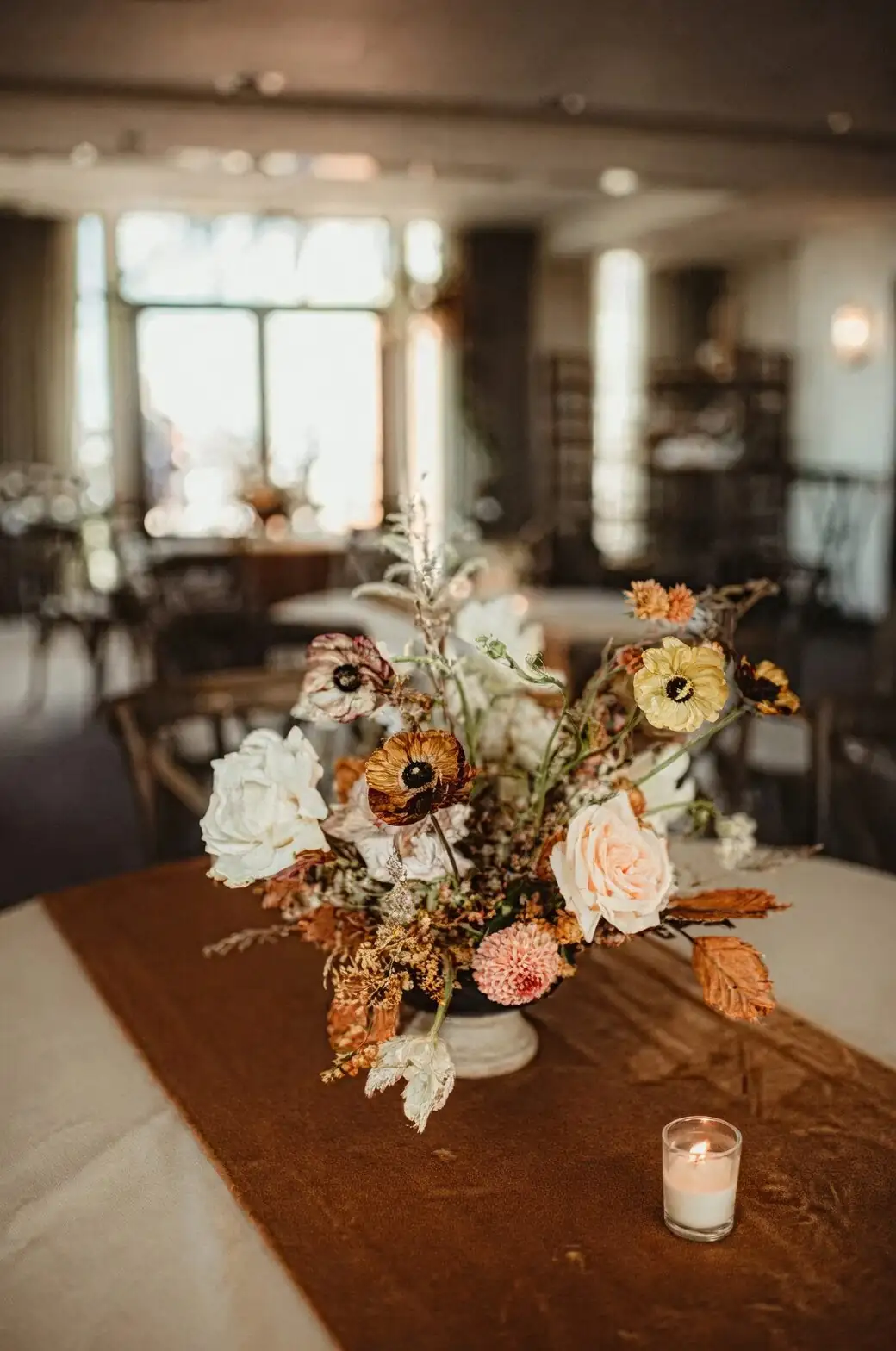
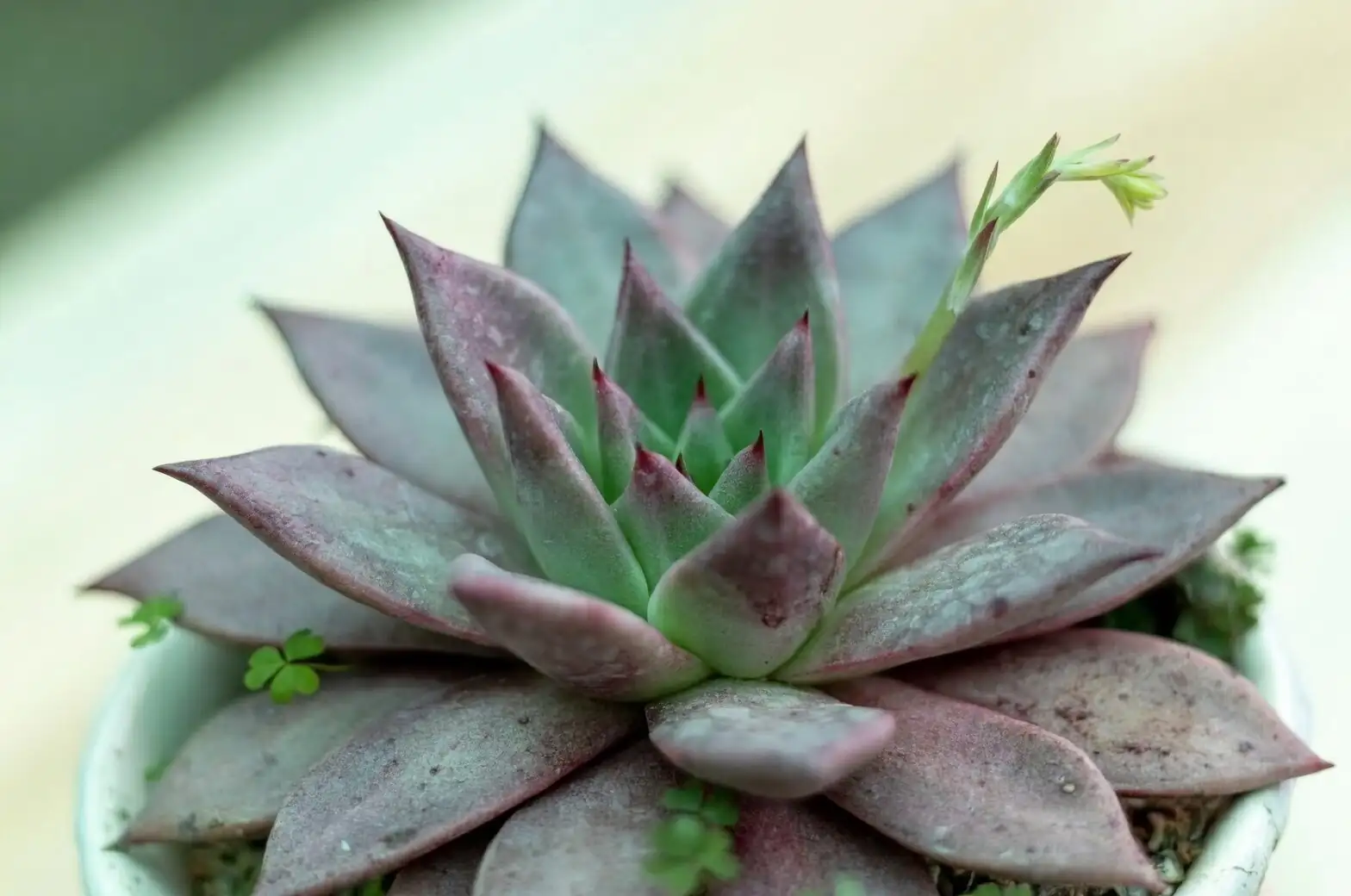
Imagine a living sculpture on your table: rosettes like satin origami, leaf edges blushing burgundy, and slim pink wands of flowers rising like exclamation points. With Echeveria sp., you can style a dynamic, low‑maintenance centerpiece that looks curated by an interior designer and thrives like a desert native.
Meet Echeveria sp.: the “fleshy flower” that plays well indoors
- Form: Tight, symmetrical rosettes of blue‑green, fleshy leaves; many carry a powdery, waxy farina that softens color and adds a velvety glow.
- Color trick: Under strong light and with thorough dry‑downs between waterings, leaf margins often flush wine‑red to burgundy—your built‑in accent color.
- Blooms: In summer, arching pink stems carry clusters of small, bell-shaped flowers (pink outside, yellow to yellow‑orange within), adding graceful height.
- Size: Rosettes typically 10–25 cm wide and 10–20 cm tall; flower stalks 20–50 cm depending on conditions.
- Habit: Compact, rosette-forming; many slowly produce offsets for natural layering over time.
- Origins: Genus native to Mexico and Central America; many plants in cultivation are hybrids or unnamed selections—perfect for mixing textures and tones.
Design like a stylist, think like a grower
Good styling begins with good conditions. Light is your best “paintbrush,” and the pot is your frame.
Light: your color dial
- Aim for 4–6+ hours of bright sun daily. Indoors, a south- or west-facing window (Northern Hemisphere) or strong grow lights keep rosettes tight and colors saturated.
- Rotate the pot a quarter turn weekly for symmetry.
- Good airflow preserves farina and reduces rot risk.
Compose color gradients that feel intentional
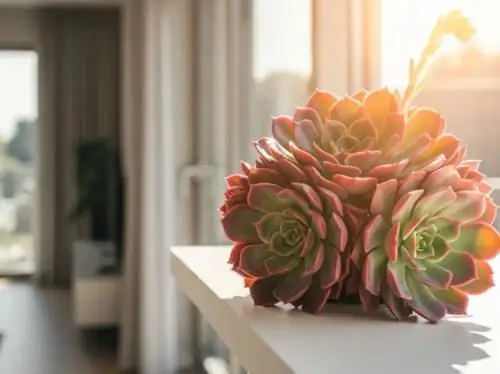
Use Echeveria’s blue‑green base and burgundy margins to create ombré effects:
- Monochrome cool: Center a powdery, pale blue‑green rosette, surround with slightly deeper teal forms, and finish with burgundy-tipped plants at the edge.
- Sunset accent: Keep the palette cool and let summer flower stalks supply warm pink–yellow highlights.
- Stress for blush: Allow full, bright light and let soil dry thoroughly between waterings to encourage those wine-red edges (without damaging stress).
Color-savvy topdressings:
- Pale crushed granite or white quartz to amplify cool tones.
- Charcoal or black lava to make glaucous leaves “pop.”
- Warm pea gravel to bridge terracotta pots and blue‑green foliage.
Tip: Avoid touching the leaves unnecessarily—rubbing off farina leaves shiny fingerprints that don’t return on that leaf.
Choose pot textures that echo your interior
- Terracotta (matte, warm): Breathable and drying, ideal for crisp leaf edges and a Mediterranean feel.
- Unglazed concrete/stoneware (cool, architectural): Complements blue‑green leaves; great for minimal or industrial decor.
- Glazed ceramic (subtle sheen): Choose low-gloss neutrals to avoid competing with the plant’s soft bloom.
- Forms: Low, shallow bowls spotlight rosettes; footed compotes or pedestal bowls add lift and drama.
Always use a pot with a drainage hole. Terracotta is especially helpful indoors to keep the mix drying evenly.
Arrange heights so rosettes, offsets, and blooms create movement
- Staggered planes: Use a shallow bowl as a base, then introduce a slightly taller pedestal pot nearby to create a gentle rise—your eye will flow from low rosettes to airy flower wands.
- Odd-number groupings: Trios feel balanced yet lively—one focal rosette, one slightly smaller, one cluster with offsets for texture.
- Negative space: Leave “breathing room” between rosettes; allow a corridor for future flower stalks to arch without tangling.
- Read the plant’s rhythm: Offsets form natural drifts—position them at the edges to soften the container rim or cascade over it.
A one-hour Echeveria centerpiece recipe
Materials
- 1 low, wide bowl (25–35 cm) with drainage
- Fast-draining succulent mix amended with pumice/perlite for extra grit
- 3–5 Echeveria in varying sizes and leaf tones
- Topdressing gravel (granite, quartz, or lava)
- A chopstick or dowel for gentle settling
Steps
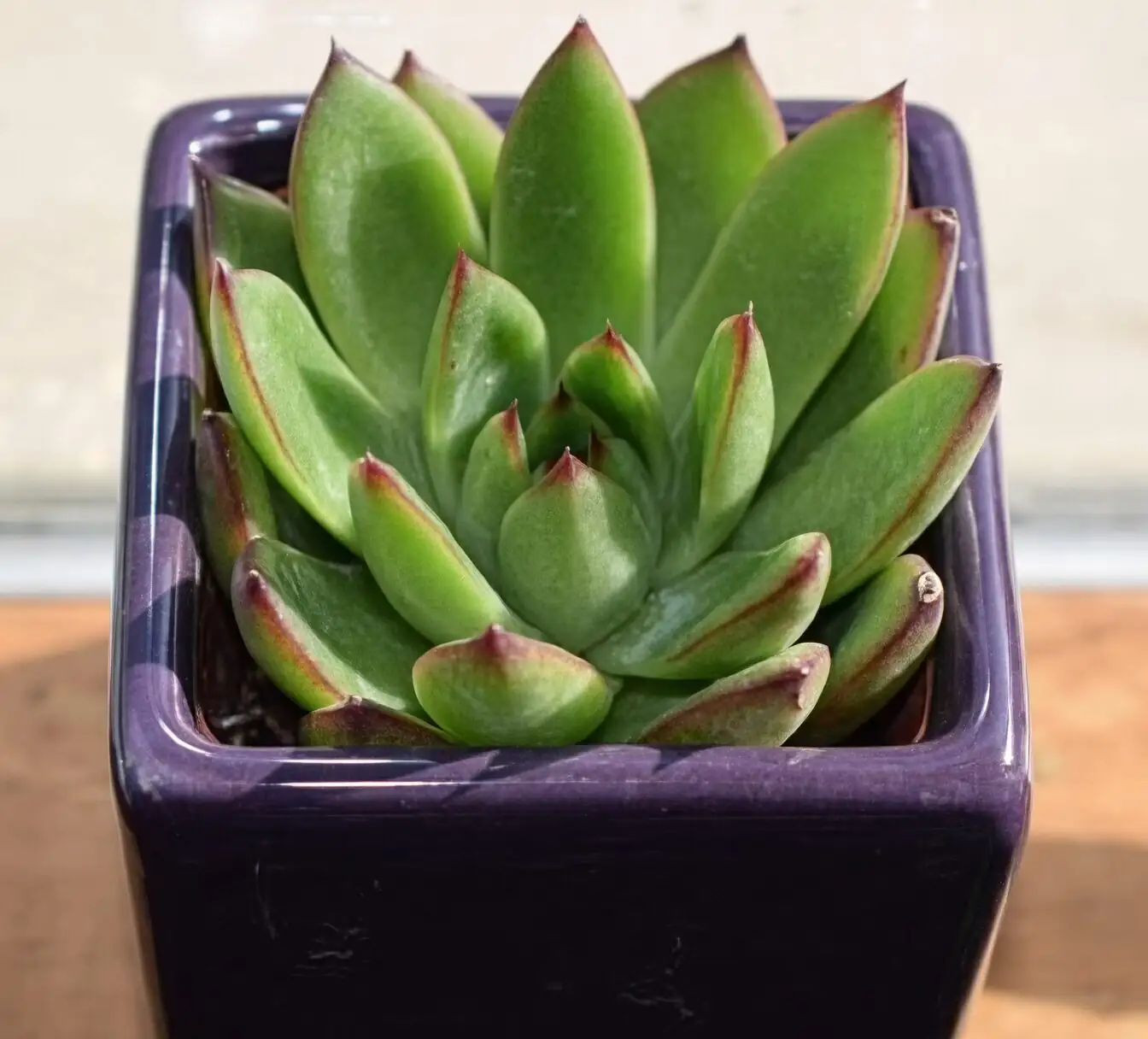
1) Dry fit: Arrange rosettes in the empty bowl—largest off-center as the focal, smaller ones stepping down in height. Leave space for offsets and future bloom stalks.
2) Fill halfway with gritty mix; set the largest plant slightly higher than the rim for a gallery-like presentation.
3) Nestle companions, keeping crown centers above the soil line. Use the chopstick to tamp mix around roots—no air pockets.
4) Add topdressing to lock in the composition and keep leaves clean.
5) Don’t water yet. Wait 3–7 days so any bumped roots can callus.
6) Place at a bright window or under strong grow lights with airflow.
7) After the dry-in, water thoroughly until it drains; then let the mix dry out completely before the next watering.
8) During summer, let the pink flower stalks rise—they’ll add elegant vertical energy. Remove spent stalks to reset the silhouette.
Care that keeps the look crisp
- Watering: Soak and dry. In warm, bright conditions, often every 7–14 days; in winter/low light, extend to about 3–5 weeks. Keep water out of rosette centers and never let the pot sit in water.
- Soil: Very fast-draining cactus/succulent mix with added pumice or perlite.
- Light: Bright light to full sun for best color and tight form; acclimate gradually to stronger sun to avoid burn.
- Temperature: Best at 15–27°C (59–81°F). Protect from frost; keep above 5°C (41°F).
- Humidity: Low to average; avoid stagnant, humid air.
- Feeding: Lightly in spring–summer with a diluted, low‑nitrogen cactus fertilizer every 4–6 weeks; skip in winter.
- Grooming: Peel away dry lower leaves; snip spent flower stalks; dust with a soft brush rather than wiping to preserve farina.
- Repotting: Every 1–2 years or when crowded. Terracotta helps the mix dry faster.
Seasonal notes
- Spring: Increase light and water; begin light feeding.
- Summer: Ventilate in heat; provide midday shade if scorching threatens.
- Autumn: Reduce watering as nights cool.
- Winter: Keep bright and on the dry side; protect from cold and winter wet.
Long-term edits: propagation and rejuvenation
- Offsets: Gently separate and replant to extend your arrangement or start a companion pot.
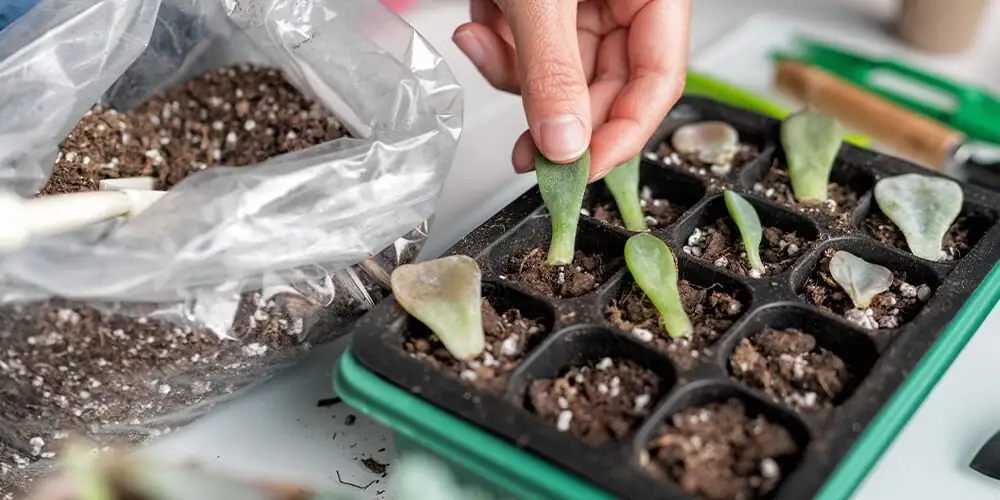
- Leaf cuttings: Let single leaves callus 2–5 days; place on dry mix and mist sparingly until roots/pups appear.
- Beheading: If a rosette stretches (etiolates), cut the head, let it callus, and re-root for a refreshed, compact look. The base often sprouts new offsets—instant texture.
Troubleshooting your styled display
- Rosette opening or stretching: Not enough light. Move to a brighter window or add a strong grow light; rotate regularly.
- Bottom leaves wrinkling: Some aging off is normal. Many wrinkled at once = likely underwatering; translucent/mushy = overwatering or rot—dry out fully and improve drainage and light.
- Faded edge color: Increase light gradually and allow complete dry-downs.
- Pests: Mealybugs hide in leaf joints; aphids love flower stalks; spider mites may appear in hot, dry rooms. Treat with cotton swabs dipped in alcohol, insecticidal soap, or horticultural oil—and improve light/airflow to prevent repeats.
Safety and placement
- Generally considered non-toxic to people and pets, though nibbling may cause mild stomach upset. Keep out of reach of curious chewers.
- Indoors, choose a sunny sill, bright shelf, or a pedestal near a west/south window. Outdoors in mild climates, shelter from prolonged rain.
Symbolism and story: a quiet poetry on your table
Echeveria carries a modern “flower language” of resilience and enduring love—its plump leaves store water to sail through dry spells, and its rosettes remain composed even when conditions shift. The genus honors Atanasio Echeverría y Godoy, a Mexican botanical illustrator; fittingly, these plants look as if sketched in pastel and brought to life. While not a codified Victorian symbol, contemporary succulent culture embraces echeverias as emblems of steady care and understated strength—perfect virtues for a home centerpiece.
Quick style cues to remember
- Light paints the palette; drainage keeps the silhouette sharp.
- Matte pots flatter velvety leaves; cool stoneware magnifies blue‑green tones.
- Stage heights: low rosettes, mid offsets, tall blooms—your built-in choreography.
- Touch leaves minimally to preserve the powdery bloom.
- Water thoroughly, then wait—patience is the secret sheen.
Design it once, tweak with the seasons, and let your echeverias do the slow, sculptural work. Your table will thank you every day.