
Born of wind and salt, with leaves like pleated silk and a perfume that carries on sea air—Rosa rugosa has always been a traveler. It began life on the foggy shores of northeastern Asia, rode the great plant-collecting wave into European gardens, crossed the ocean to North America, reshaped how breeders think about hardy, fragrant roses—and now, it stands at the center of a spirited debate about naturalization and invasiveness. Few shrubs have lived so many lives along the world’s coastlines and garden paths.
Born on the edge: the coastal origins of Rosa rugosa
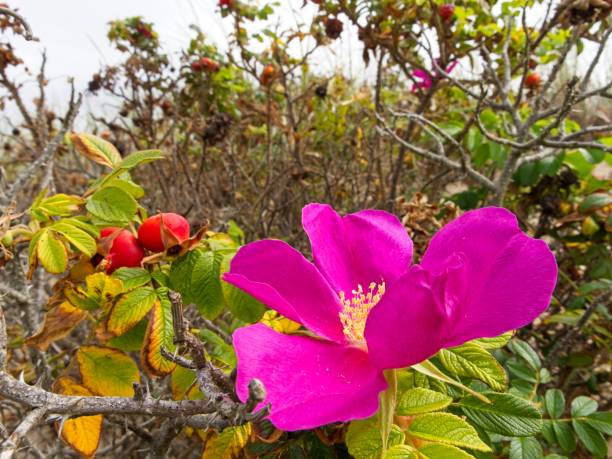
On dunes and beach ridges in northeastern China, Japan, Korea, and the far east of Siberia, Rosa rugosa—also called beach rose, Japanese rose, or rugosa rose—learned to thrive where many plants surrender. Sand shifts, salt sprays, wind scours; still it rises as a dense, suckering shrub about 1–1.5 m tall, armored with short, strong prickles and dressed in those unmistakable wrinkled (rugose) leaves.
- Flowers: Typically single, five-petaled blooms in rich pink to white, often about 6–8 cm across, with a classic, heady “rose” fragrance that can seem spiced with clove.
- Fruit: Oversized, tomato-like hips glow orange to red by late summer; on established plants, flowers and hips often share the stage. The hips are edible and historically valued for their vitamin-rich uses in teas, syrups, and preserves.
- Foliage: Thick, glossy, and deeply corrugated, turning bright yellow before leaf-fall.
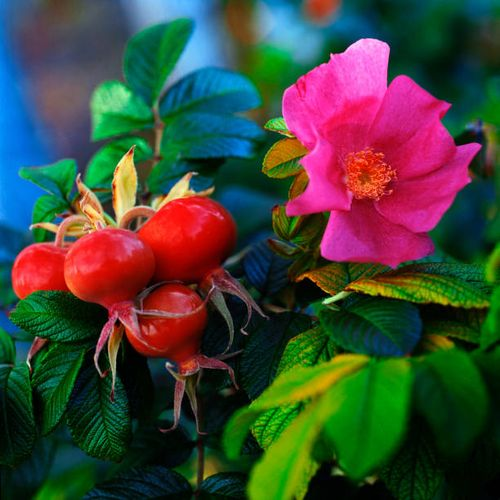
Anatomy and habitat forged a survivor: tolerant of salt, sand, and wind, and astonishingly hardy in cold climates. Those traits would soon turn heads far from its home shores.
Passages west: an 18th–19th century horticultural odyssey
Rugosa’s journey into European gardens began during the great age of botanical exploration. By the early 1800s, it had found admirers in Europe for its toughness, perfume, and generous hips. Gardeners praised its ability to shrug off poor soils and seaside exposure, and it was pressed into service for hedges and coastal plantings.
In the mid-19th century, ships carried it from Japan to North America. There, too, it won quick fans: the beach rose looked right at home facing Atlantic winds, and its hips fed birds through winter. Municipalities and land managers planted it along roadsides and dunes; homeowners discovered it needed little coddling compared to fussy tea roses.
The alchemy of breeding: how rugosa changed roses
Rosa rugosa’s greatest influence unfolded in the breeding room. Most roses can be exacting garden companions; rugosa introduced a new playbook—resilience, fragrance, and a cast-iron constitution.
- Hardiness and vigor: Many roses grow best around 18–25°C (64–77°F), but rugosa’s cold tolerance and stamina opened rose growing to harsher climates.
- Disease resistance: Rugosas are notably resilient against common rose ailments, especially black spot and mildew, which transformed low-input landscaping and home gardening.
- Tolerance: Comfortable in sandy, slightly acidic to neutral soils (roughly pH 6.0–7.0) and windy, sunny sites with good airflow; once established, they’re robust with modest care.
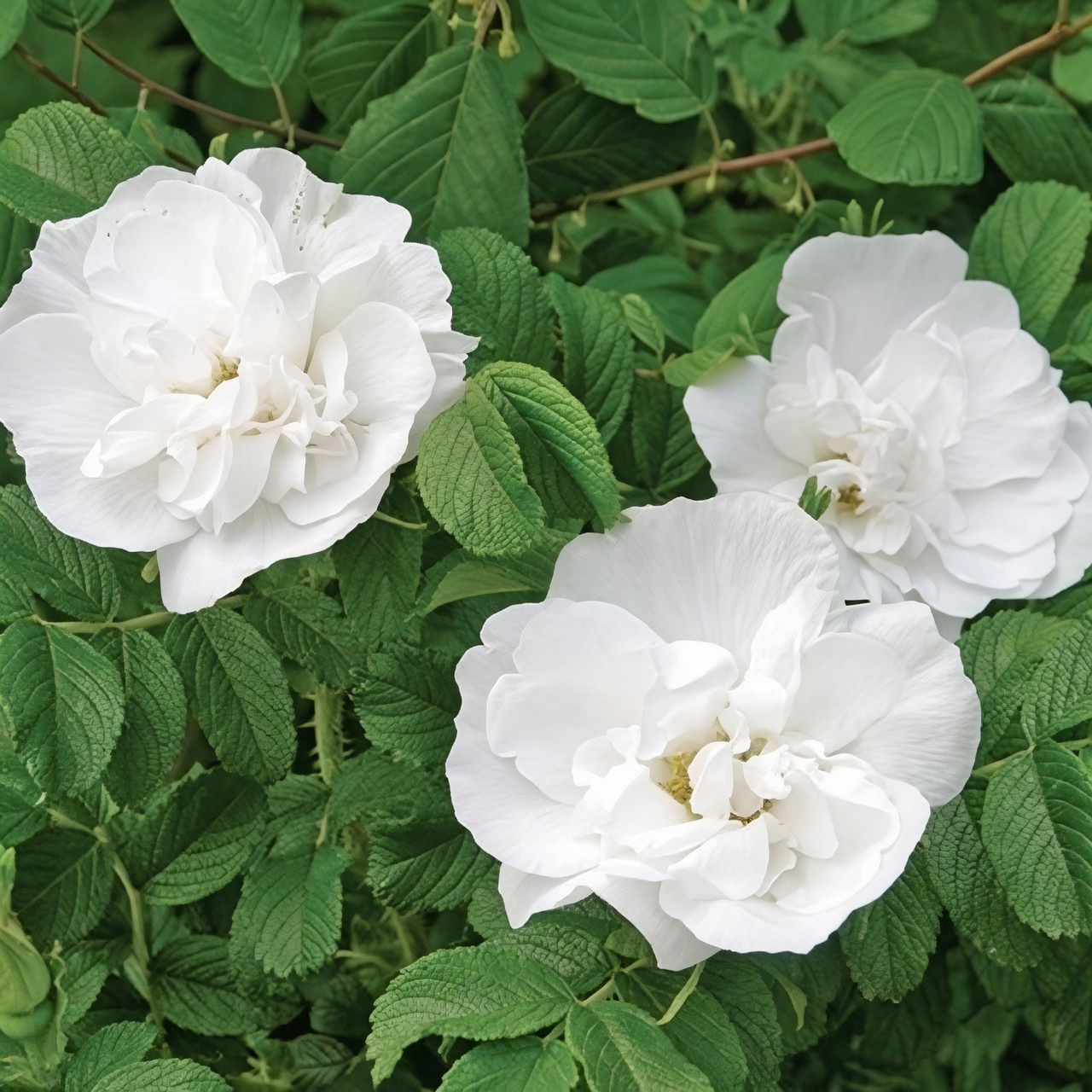
Breeders crossed rugosa with garden roses to bottle these virtues. Classic rugosa-influenced roses like ‘Blanc Double de Coubert’ (snow-white, intensely fragrant), ‘Hansa’ (magenta, spice-scented, floriferous), ‘Roseraie de l’Haÿ’ (luscious magenta and perfume), and other hybrids became stalwarts in cold and coastal gardens. These cultivars helped popularize the idea that roses could be both beautiful and practical—shrubs for hedges, borders, and municipal plantings, not just pampered divas in the parterre.
Naturalized or invasive? A rose in the public square
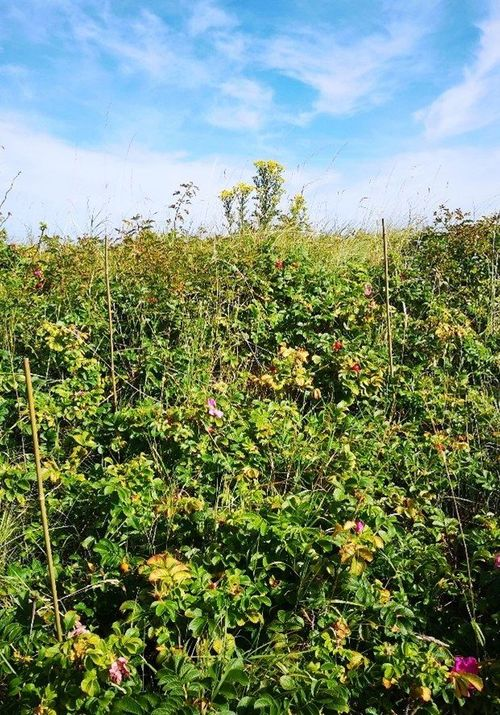
As rugosa settled comfortably into its adopted continents, it also slipped beyond garden gates. Today it is naturalized across much of Europe and parts of North America—so familiar that, in some seaside towns, it’s hard to imagine dunes without its bright hips and buzzing pollinators. But familiarity is not the same as harmlessness.
- The upside: Rugosa knits dunes, resists salt spray, feeds birds with hips, offers a long season of nectar and pollen, and thrives with minimal inputs—qualities prized by coastal communities and gardeners alike.
- The downside: In parts of Europe, North America, and even South America, it behaves invasively—spreading by seed and underground suckers, forming dense thickets that can outcompete specialized dune flora and alter habitat structure.
Research adds nuance. A 2018 study examining rugosa populations found that some introduced European populations outperformed native Asian ones in growth and reproduction—evidence that certain introduced lineages can become especially vigorous. Yet invasiveness isn’t uniform: local conditions, genetics, and management all shape outcomes.
What’s a responsible gardener or land manager to do?
- Know your region: Check local guidelines; in some coastal areas, planting rugosa is discouraged or regulated.
- Plant thoughtfully: Keep it out of sensitive dunes and natural areas; use root barriers in gardens to limit suckering.
- Manage spread: Deadhead to reduce hip formation if spread is a concern; monitor and promptly remove unwanted shoots.
- Consider alternatives where needed: In sensitive habitats, favor locally native shrubs that support the same ecological roles without displacement.
A gardener’s compact with the beach rose
For many temperate-zone gardeners, rugosa remains a near-ideal shrub rose—ornamental, fragrant, and forgiving.
- Sun and siting: Aim for full sun (6+ hours daily). Good airflow helps deter fungal problems.
- Soil and water: Well-drained loam is ideal, but rugosa tolerates sandy ground. Water deeply, about 2.5–5 cm (1–2 in) per week during active growth, adjusting to heat and rainfall.
- Care rhythm:
- Spring: prune to open the center, remove dead wood, and shape.
- Summer: deadhead to prolong bloom (unless you want hips), water at soil level.
- Fall/Winter: taper fertilizer 6–8 weeks before frost; tidy fallen leaves; protect in the coldest climates if needed.
- Health notes: Rugosas are generally resilient but not invincible—watch for aphids, beetles, mites, and common rose diseases. Good hygiene and airflow go a long way.
- Safety: Roses are generally non-toxic; the main hazard is from the prickles. Petals and hips are often edible (a bonus in the kitchen and for wildlife).
The language of flowers: what does a beach rose say?
Flower language—the Victorian floriography that assigns meanings to blooms—codified roses as emblems of love, beauty, and devotion. Specific colors still carry familiar signals: red for passion, pink for admiration, white for purity, yellow for friendship, orange for enthusiasm, and purple for enchantment.
But these meanings are cultural inventions, not botanical laws. If any rose asks to expand the dictionary, it’s rugosa. Born on shifting sand yet steadfast, enduring salt spray and winter gales, it reads as resilience, constancy, and the kind of love that weathers storms. In Japan, where it’s long cherished along northern coasts, the beach rose (hamanasu) often enters poetry as a local emblem of sea and shore—a reminder that place, as much as color, writes a flower’s meaning.
Milestones on a windswept path
- Late 18th–early 19th century: Rugosa moves from northeastern Asia into European horticulture, prized for toughness and scent.
- Mid-19th century: Introduced to North America, where it soon appears in coastal gardens and plantings.
- Late 19th–20th century: Breeders harness rugosa’s fragrance, disease resistance, and cold hardiness to create a new class of robust garden roses.
- Late 20th–21st century: As it naturalizes widely, some regions classify rugosa as invasive; research and policy focus on site-specific management, while breeding continues to refine hardy, low-input roses.
Coda: the romance and responsibility of Rosa rugosa
Every plant tells a story, and rugosa’s is part sea ballad, part garden manifesto. It taught us that roses could smell like heaven and still laugh at salt and snow. It painted dunes with petals and bright hips—and then reminded us that beauty can be forceful, and that landscapes are delicate tapestries.
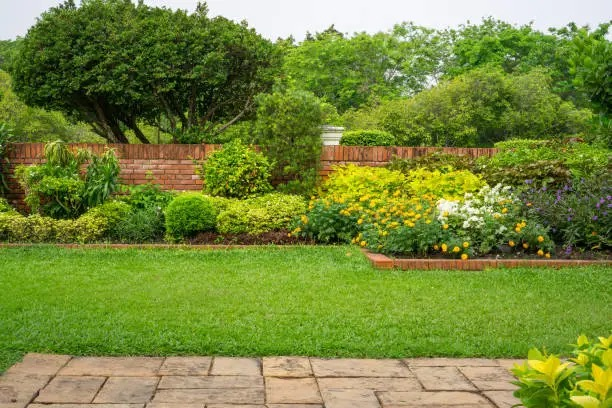
If you grow it, grow it with eyes open: relish the perfume, enjoy the hips in tea or jam, prune with a steady hand, and keep it where it belongs. Rugosa’s wrinkled leaves are like pages from a travel diary—weathered, storied, and still being written.