

The Journey of Ficus Lyrata: From African Rainforests to Design Icon
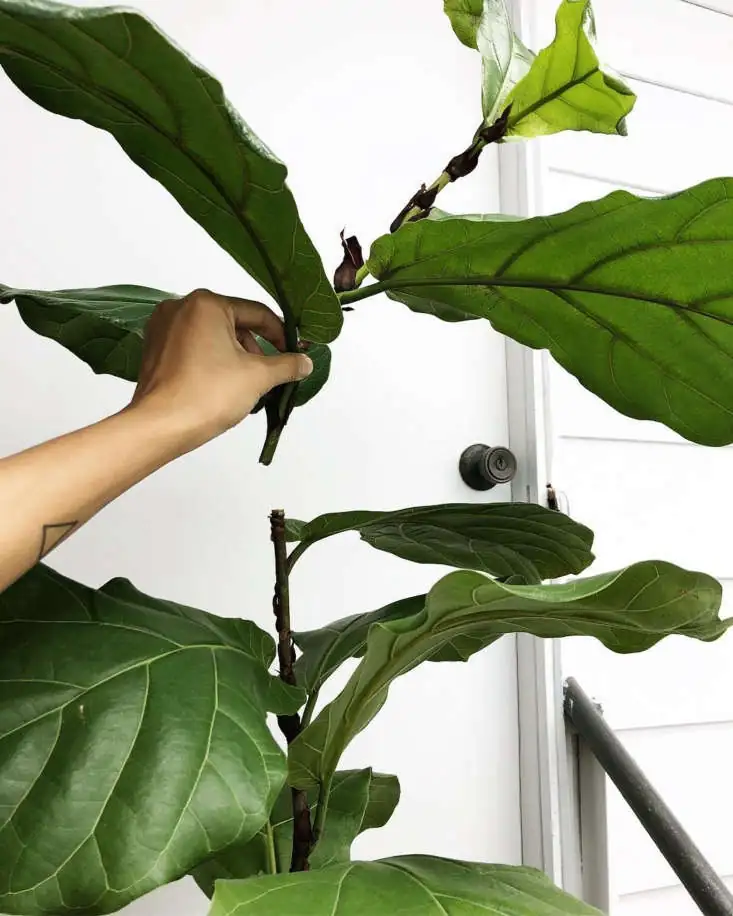
Imagine walking amidst the dense, tangled embrace of a West African rainforest, where the air is thick with humidity and the vibrant calls of wildlife echo all around. Among this lush tapestry of life, the Ficus lyrata, known affectionately to us as the Fiddle Leaf Fig, stands as a towering testament to the beauty and resilience of nature. Originally stretching across regions from Sierra Leone to Cameroon, this plant has a story as grand and sprawling as its leaves.
A Natural Born Strangler
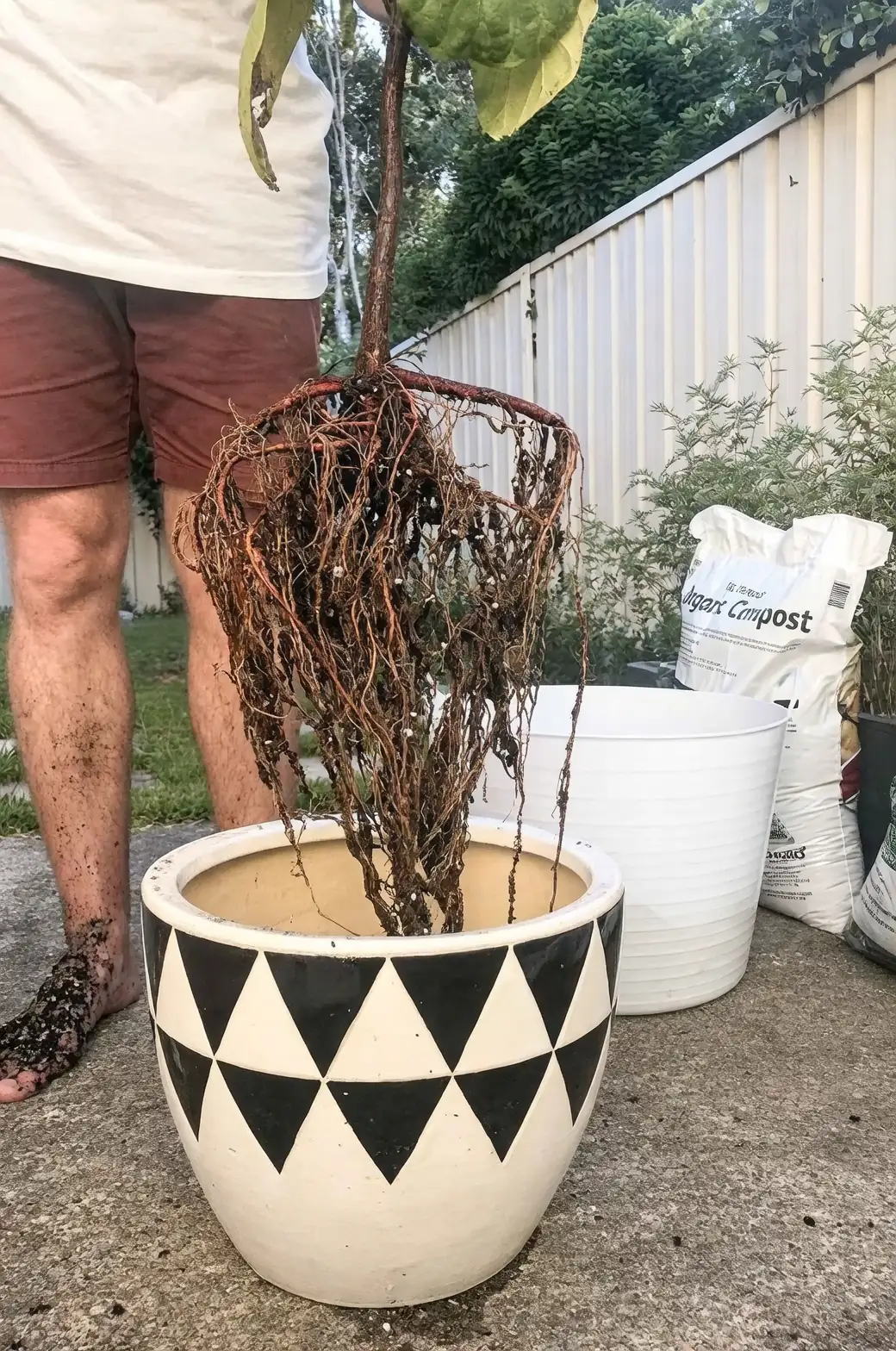
In its native habitat, the Fiddle Leaf Fig isn’t just another tree—it’s a natural marvel. Like a master of disguise, it begins life not from the ground up but as an epiphyte, sprouting high in the treetops. This cunning start gives it access to the abundant sunlight above the forest canopy. As it grows, it sends roots downward, eventually wrapping around its host tree in a dramatic embrace that can appear almost predatory. This behavior earns it the nickname of a “banyan fig,” a fascinating ecological role where it competes for sunlight by overtaking its host.
From Forests to Living Rooms
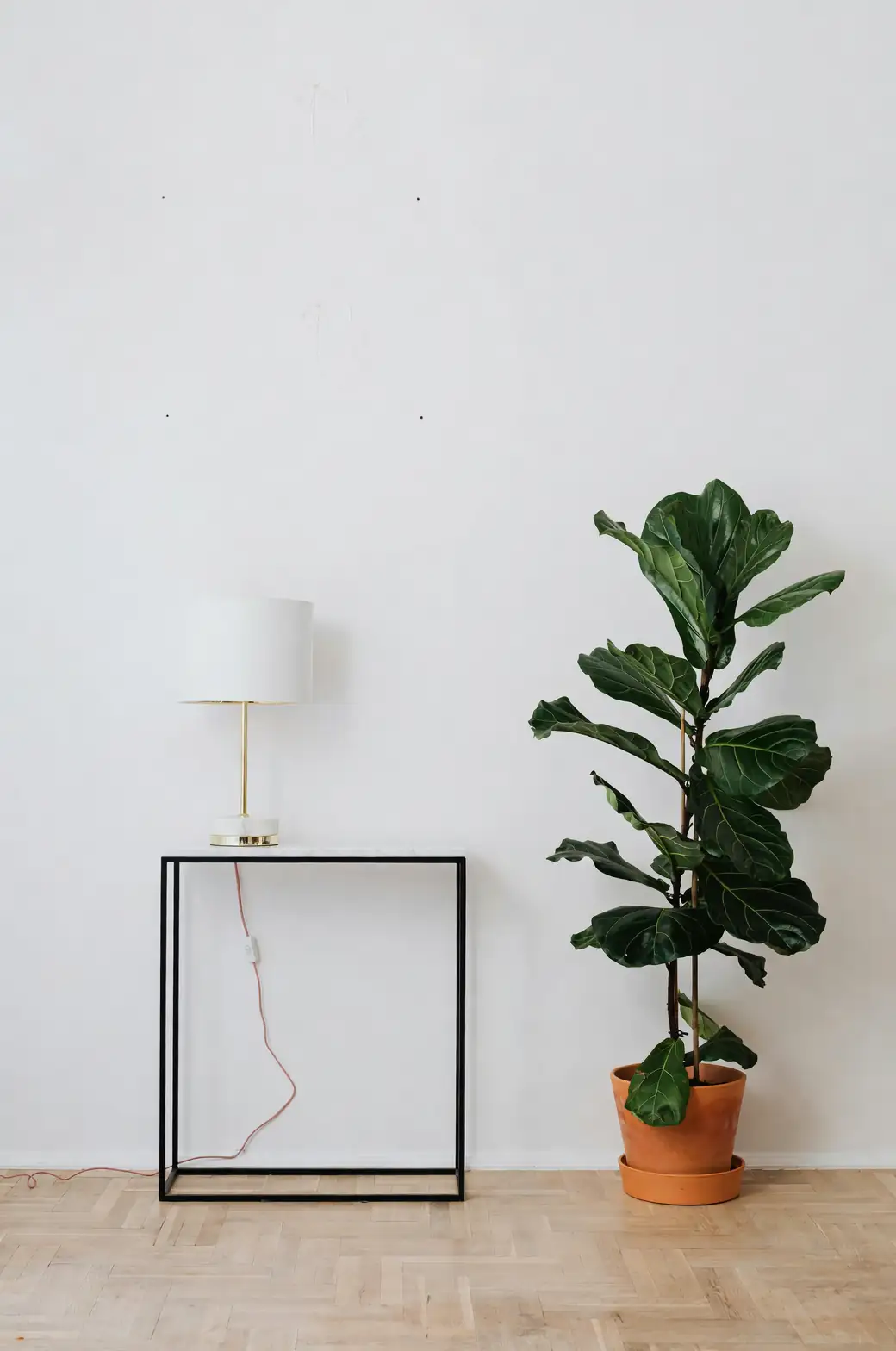
Fast forward to the 2010s, and the Fiddle Leaf Fig was poised to become the “It Plant” of interior design. With the rise of social media platforms like Pinterest and Instagram, the plant’s striking silhouette and broad, glossy leaves catapulted it into the limelight. Suddenly, this once-wild native had transformed into a must-have accessory in stylish homes across the world. What was it about these leaves—shaped like a violin, richly green, and veined—that captivated the imagination of plant lovers and interior designers alike?
The Art of Care
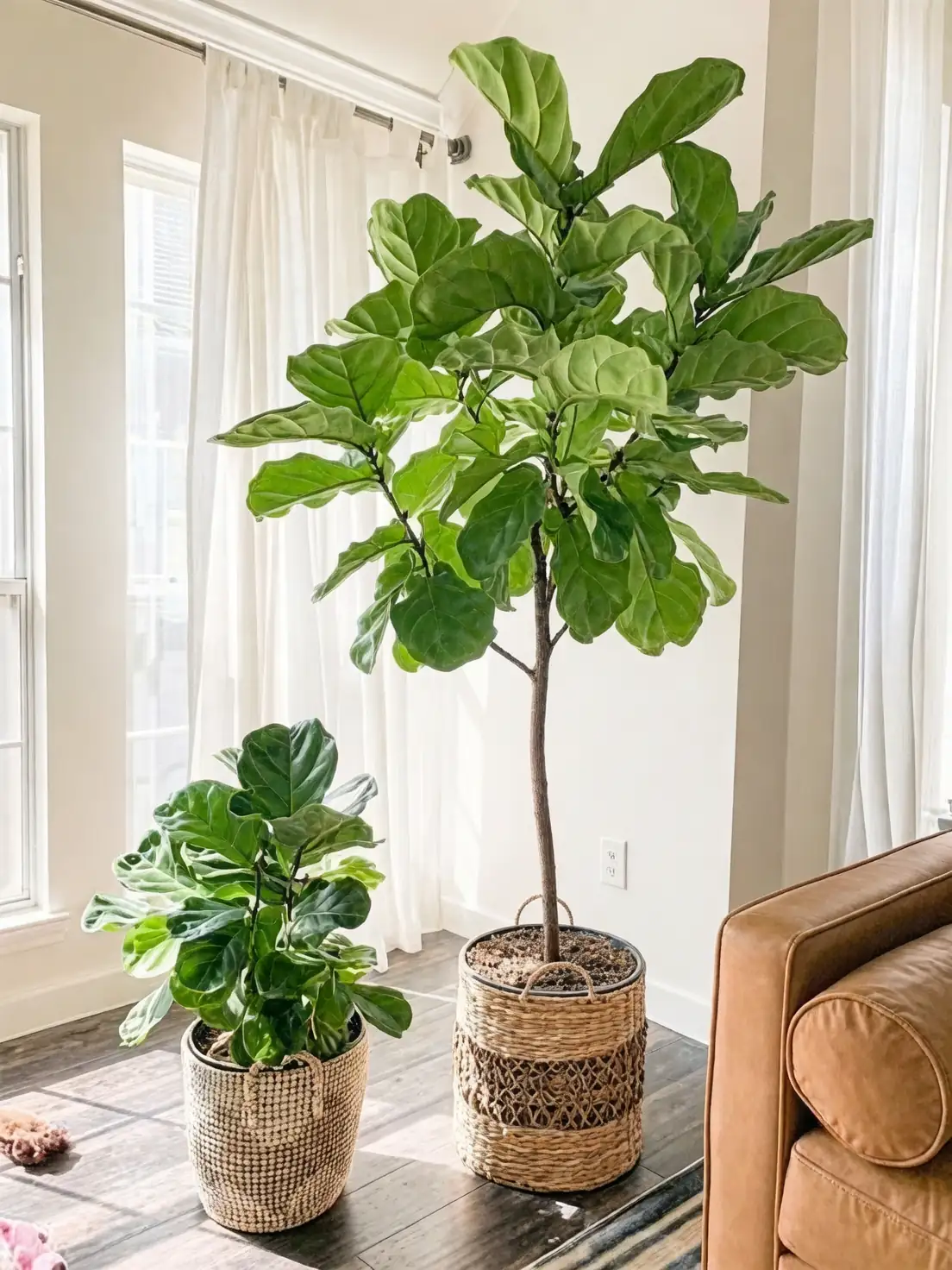
Bringing a piece of the rainforest into your home is not without its challenges. The Fiddle Leaf Fig has a reputation for being a bit of a diva, demanding bright, indirect sunlight and a careful watering routine to thrive. Think of it as a moody artist: when its needs are met, it rewards you with an architectural beauty that’s second to none. But neglect its preferences, and you might find its leaves turning brown or dropping altogether.
- Light: Bright, indirect light is ideal. Picture the dappled sunlight of its native home filtering through the canopy.
- Water: Water only when the top couple of inches of soil are dry—overwatering is its arch-nemesis.
- Humidity: Prefers a humid environment, reminiscent of its tropical origins.
- Temperature: Keep it cozy, ideally between 15–24°C (59–75°F).
A Symbol of Prosperity
In the world of symbolism, the Fiddle Leaf Fig is often associated with abundance and growth, and in feng shui, it can symbolize positive energy and expansion. It’s no wonder this plant has found a place in homes as a harbinger of good fortune and a stylish statement piece that demands attention.
The Future of Fiddle Leaf Fig
As trends evolve, the Fiddle Leaf Fig remains steadfast in its appeal. Its adaptability to indoor environments and its photogenic charm ensure that it continues to be a beloved choice for plant enthusiasts. Whether it’s gracing a minimalist apartment or adding a touch of greenery to a bustling office space, the Fiddle Leaf Fig is a testament to nature’s ability to inspire and beautify our modern lives.
In conclusion, the journey of the Ficus lyrata from the rainforests of West Africa to our living rooms is a story of adaptability, beauty, and a touch of botanical drama. As you care for your own Fiddle Leaf Fig, you’re not just tending to a plant; you’re nurturing a piece of history, a living connection to the wild, and a symbol of life’s enduring beauty.


