

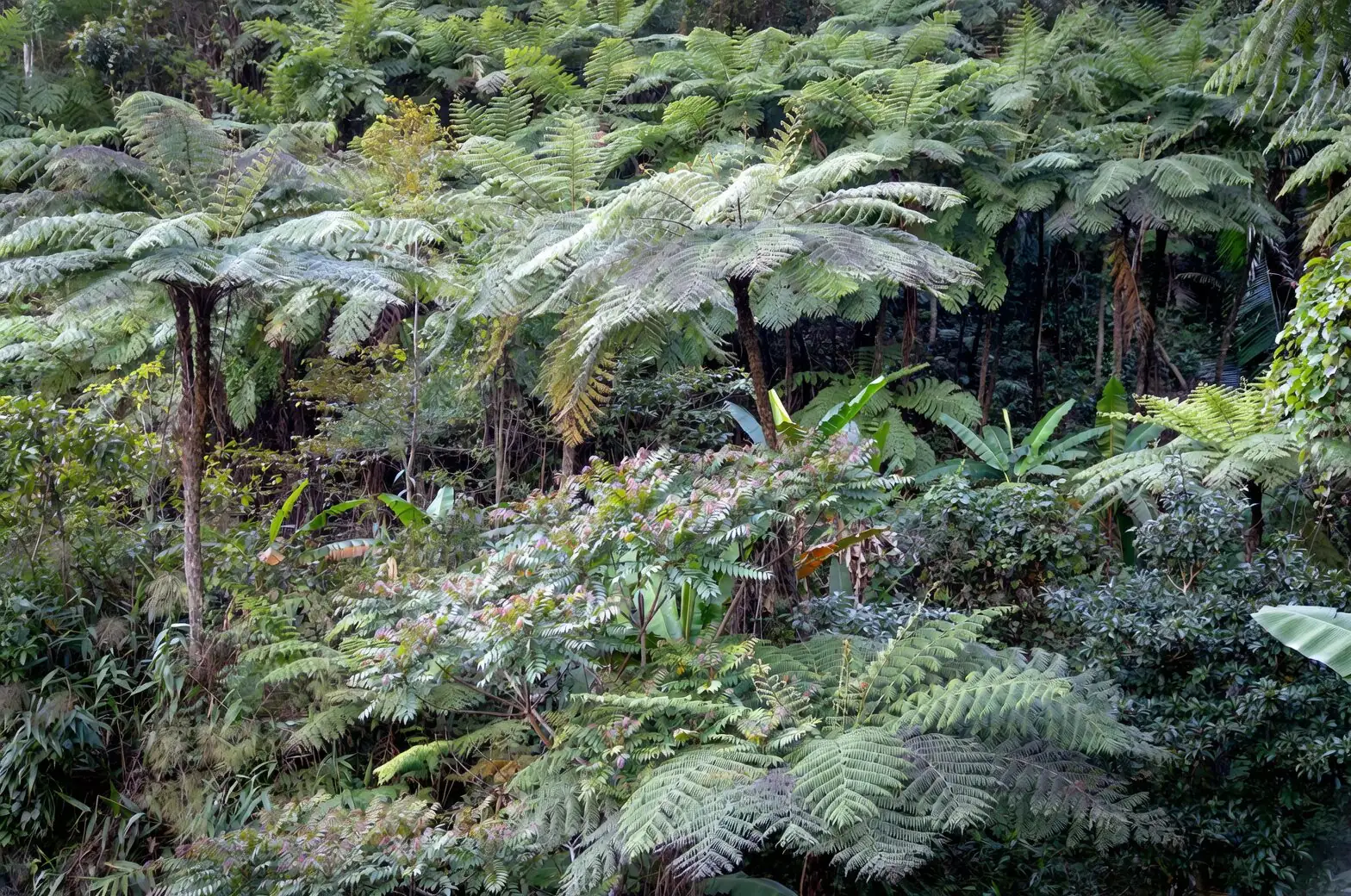
Imagine a rainforest morning in Vietnam: leaf-filtered light, the hush of dripping canopy, and on the forest floor, a compact mound of green leaves flashing little strokes of silver as if brushed by moonlight. That’s Pilea cadierei—the aluminum plant—born in the understory and destined for a thousand windowsills.
From understory to “instant contrast” icon
Botanists exploring Indochina in the early 20th century met this glimmering understory plant and couldn’t resist honoring a fellow explorer in its name—cadierei. From there, the story takes a gleeful leap. Once its metallic variegation hit European greenhouses and, later, living rooms worldwide, the plant found its calling: a compact, beginner-friendly foliage star that brightens desks, shelves, and hanging baskets without fuss. By the age of mixed foliage planters and indoor jungles, its silver-on-green pattern made it the go-to “instant contrast” companion—no flowers required.

Why it shimmers (and how to keep it that way)
Think oval, slightly quilted leaves in a rich, deep green, each one splashed with bright, aluminum-white patches aligned along the veins. Get the light right and it truly gleams.
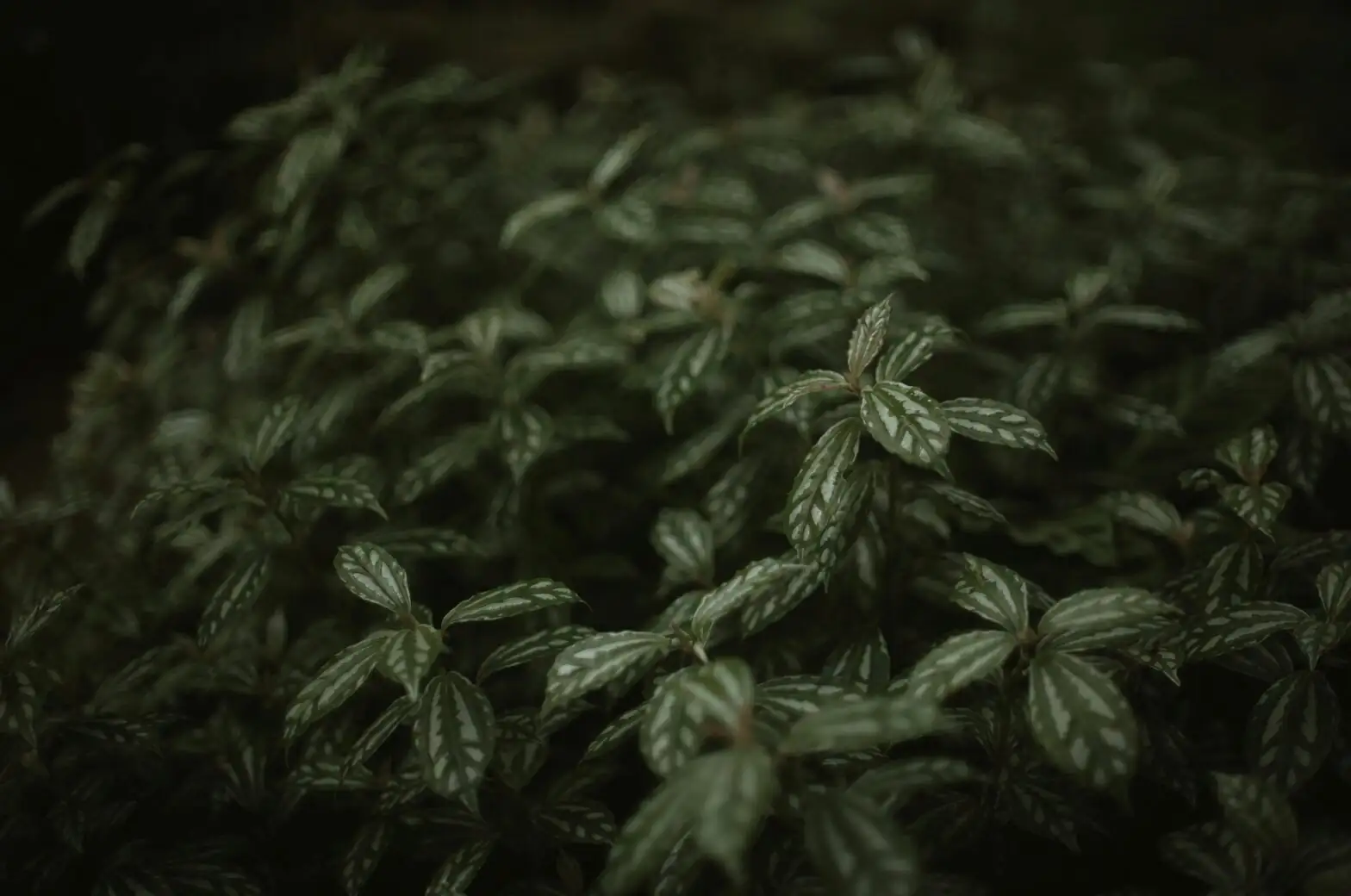
- Bright, indirect light is the sweet spot.
- Too much harsh midday sun can scorch and dull the pattern.
- Too little light fades the silver, invites brown tips/edges, and encourages stretchy, floppy growth.
Size-wise, aluminum plant usually forms a neat mound about 20–30 cm (8–12 in) tall and wide—perfect for 12–15 cm (5–6 in) pots, with occasional upgrades to 18–20 cm (7–8 in) as it fills out. A pinch here and there keeps it cushiony and compact.
A habitat you can recreate at home
Born in Vietnam’s warm, humid understory, Pilea cadierei is right at home in our softer-lit rooms.
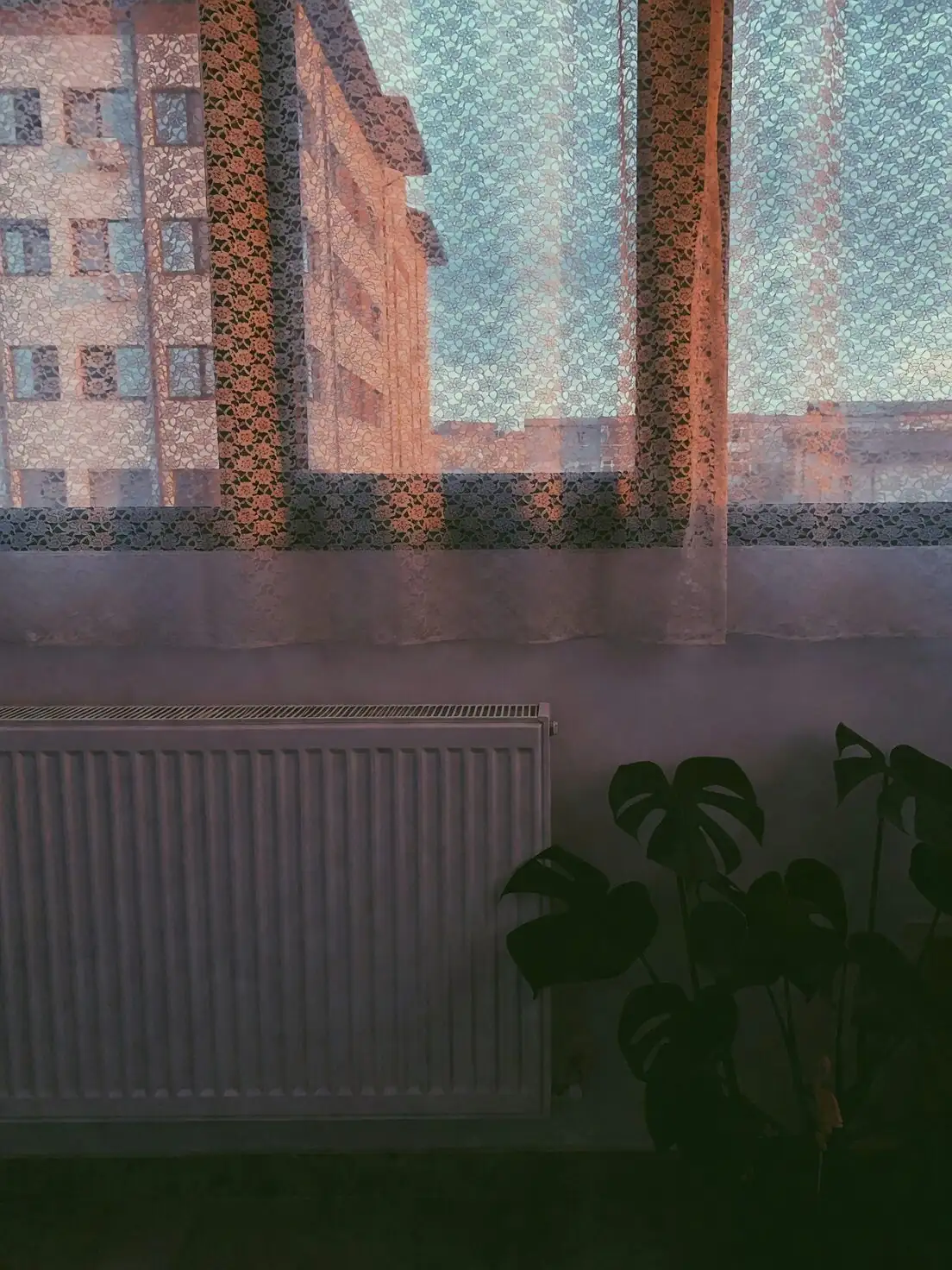
- Light: Bright, indirect; lovely by an east or north window, or a bit back from strong south/west light behind a sheer.
- Temperature: Best at 15–25°C (59–77°F). Protect from chills—trouble starts around 8–10°C (46–50°F), and below about 5°C (41°F) leaves can yellow and drop quickly.
- Humidity: Prefers moderate to high (around 40–60%+). Summer misting, pebble trays, or grouping plants helps—just keep airflow moving to avoid leaf spot.
- Soil: Loose, airy, and well-drained. A peat-based houseplant mix with perlite (about 2:1) is ideal.
Outdoors, it doubles as a low, glossy groundcover in shade or filtered light—but only in very warm, frost-free regions (roughly USDA Zone 11–12).
Care that stays breezy
Aluminum plant is famously forgiving—just sidestep two pitfalls: harsh direct sun and waterlogged soil.
Watering
- Aim for evenly moist, never soggy.
- Spring through early fall, water thoroughly when the top 1–2 cm (0.4–0.8 in) begins to dry; always empty the saucer.
- In winter, with slower growth and lower light, water more sparingly—often about every 2 weeks—letting the surface dry a bit more.
Overwatering is the express lane to yellowing leaves and root rot.
Feeding
- Keep it light during active growth. Two flexible options work well:
- Balanced liquid fertilizer every 2 weeks (label rate or half-strength), spring to fall; or
- A gentler approach: once every 2 months from May–August with a diluted organic liquid feed or a balanced/bloom-leaning formula used sparingly.
- Reduce to monthly or pause in winter if growth slows. Avoid splashing fertilizer on leaves.
Pruning and shaping
- Pinch tips regularly to encourage branching and a dense, domed silhouette.
- If stems reach ~15 cm (6 in) and look lanky, pinch back to push side shoots.
- A spring haircut—down to a couple of basal nodes if needed—refreshes an older plant.
Repotting rhythm
- Repot in spring. Young plants often enjoy a yearly refresh; older clumps every 1–2 years or when rootbound.
- Step up just one pot size and consider light root pruning as you go.
Propagation (the fun, fast part)
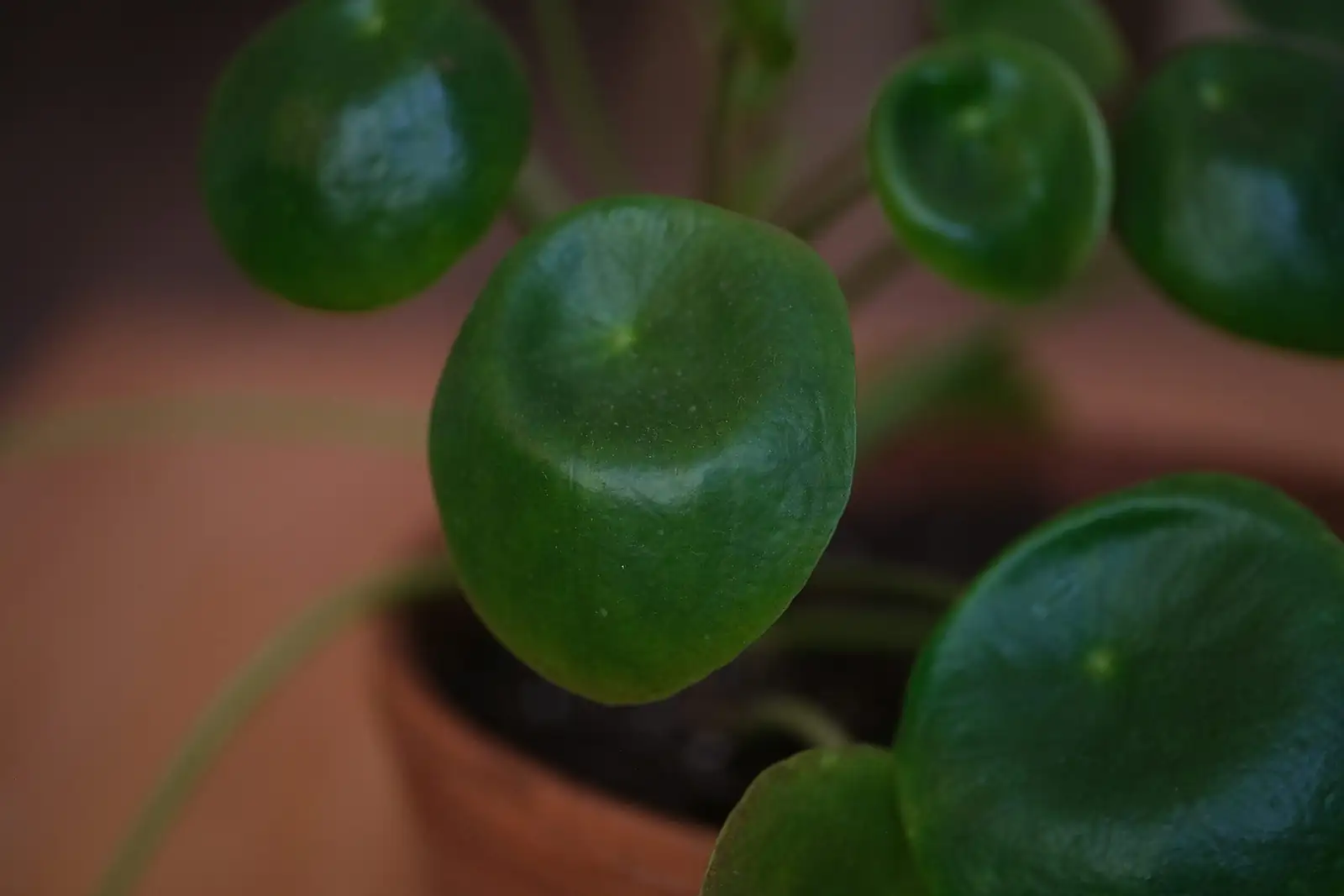
- Snip 5–12 cm (2–4.7 in) tip cuttings, remove lower leaves, and root in water or a moist, airy medium (perlite + peat-style mix).
- Warmth helps: 18–22°C (64–72°F). Expect quick rooting—often around a week in good conditions.
- Pot up when roots are 2–5 cm (0.8–2 in) long or after a few weeks in mix.
- You can also divide full clumps at repotting.
Summer flowers? Maybe—but you’ll likely miss them
Pilea cadierei does produce tiny, inconspicuous flowers, sometimes in summer, but indoors they’re irregular and easy to overlook. This plant is all about the foliage fireworks.
Styling ideas that make it pop
- Pair with matte, dark planters to crank up the leaf shimmer.
- Tuck into mixed foliage displays beside velvety greens or burgundies for contrast.
- Hang near bright but filtered light to cascade softly and catch the glints.
- In warm, frost-free gardens, edge a shaded path with its glossy, silver-dappled mounds.
Health, safety, and simple troubleshooting
- Pests: In dry indoor air, spider mites are the usual suspects; mealybugs and aphids can also appear. Rinse foliage, boost humidity/airflow, and use insecticidal soap or horticultural oil early and as labeled.
- Diseases: Overwatering can trigger root rot. Leaf spot can flare when leaves stay wet with poor airflow. Use a free-draining mix, avoid standing water, and keep things tidy. Some growers note preventative/traditional fungicides (e.g., Bordeaux mixture) or treatments like thiophanate-methyl—always follow local regulations and labels.
- Toxicity: Treat as potentially mildly toxic if chewed or swallowed. Keep out of reach of nibbling pets and children.
- Outdoors in the tropics, scarab beetles may bother leaves; indoors, they’re a non-issue.
Quick fixes
- Silver fading? Provide brighter, indirect light.
- Leggy, floppy stems? Move to brighter indirect light and pinch tips; a spring cutback resets the mound.
- Winter leaf drop? It’s often cold and low light. Keep warm (ideally 15–25°C / 59–77°F), away from drafts, and water less often.
A note on symbolism (flower language)
If plants had a sparkle emoji, Pilea cadierei would own it. Its bright silver patches are commonly linked with freshness and vitality—the visual cue of light catching new growth. While it lacks a codified “flower language” tradition, its foliage practically writes its own: sprightly energy in shade, renewal in small spaces, and the quiet confidence of a plant that brightens a room without demanding the spotlight.
Care calendar at a glance
- Spring: Repot if needed; pinch or prune to rebuild a compact mound; prime time to refresh leggy plants.
- Spring–Fall: Keep evenly, lightly moist; feed during active growth; pinch tips often.
- May–August: Continue light feeding (either diluted biweekly or a gentle every-2-month plan).
- Summer: Boost humidity; screen from harsh midday sun.
- Autumn: Another good season for stem cuttings.
- Winter: Water sparingly after the surface dries; keep bright and warm; protect from drafts and temps below ~8–10°C (46–50°F).
Why this plant wins hearts
- Metallic silver variegation that dazzles even in low-key light
- Compact, mounding habit perfect for small spaces and hanging baskets
- Easy, forgiving care and speedy propagation from cuttings
- Versatile indoors; a glossy groundcover in frost-free shade outdoors
From the Vietnamese understory to your favorite shelf, Pilea cadierei keeps its origin story alive: a small plant that catches the light just so—and makes everything around it feel fresher.