


Step off the Gulf coast of Veracruz and into a sunstruck mosaic of limestone, thorn scrub, and salty wind. Hunkered low above the sand sits a plant that looks like a miniature palm frozen mid-fan: the Cardboard Palm, Zamia furfuracea. It’s not a palm at all, of course, but a cycad—part of an ancient lineage that watched dinosaurs come and go, then simply kept on living. Its secret? No flowers, only cones. No hurry, only patience. And a thickened survival engine at its base—the caudex—that stores water like a camel’s hump for hard times.
In a world that rushes, this plant stays old-school. That’s exactly why it thrives both in wild Veracruz and on modern windowsills.
The Veracruz origin story
- A coastal native: Zamia furfuracea is indigenous to eastern Mexico (Veracruz). There, bright sun ricochets off pale rock, sea breezes dry the air, and rain can be feast-or-famine.
- Built for edges: The species forms a compact, low rosette with a trunkless to short-trunked base (a caudex). That swollen base banks water and carbs for lean months, keeping the crown evergreen and poised to push a new frond or two when conditions feel right.
- A misnamed modern: “Cardboard Palm” nods to its stiff, feather-like leaves and tidy architecture—but it’s a cycad with cones, not a true palm and never a flowering plant.
Older than flowers: a quick tour through cycad time
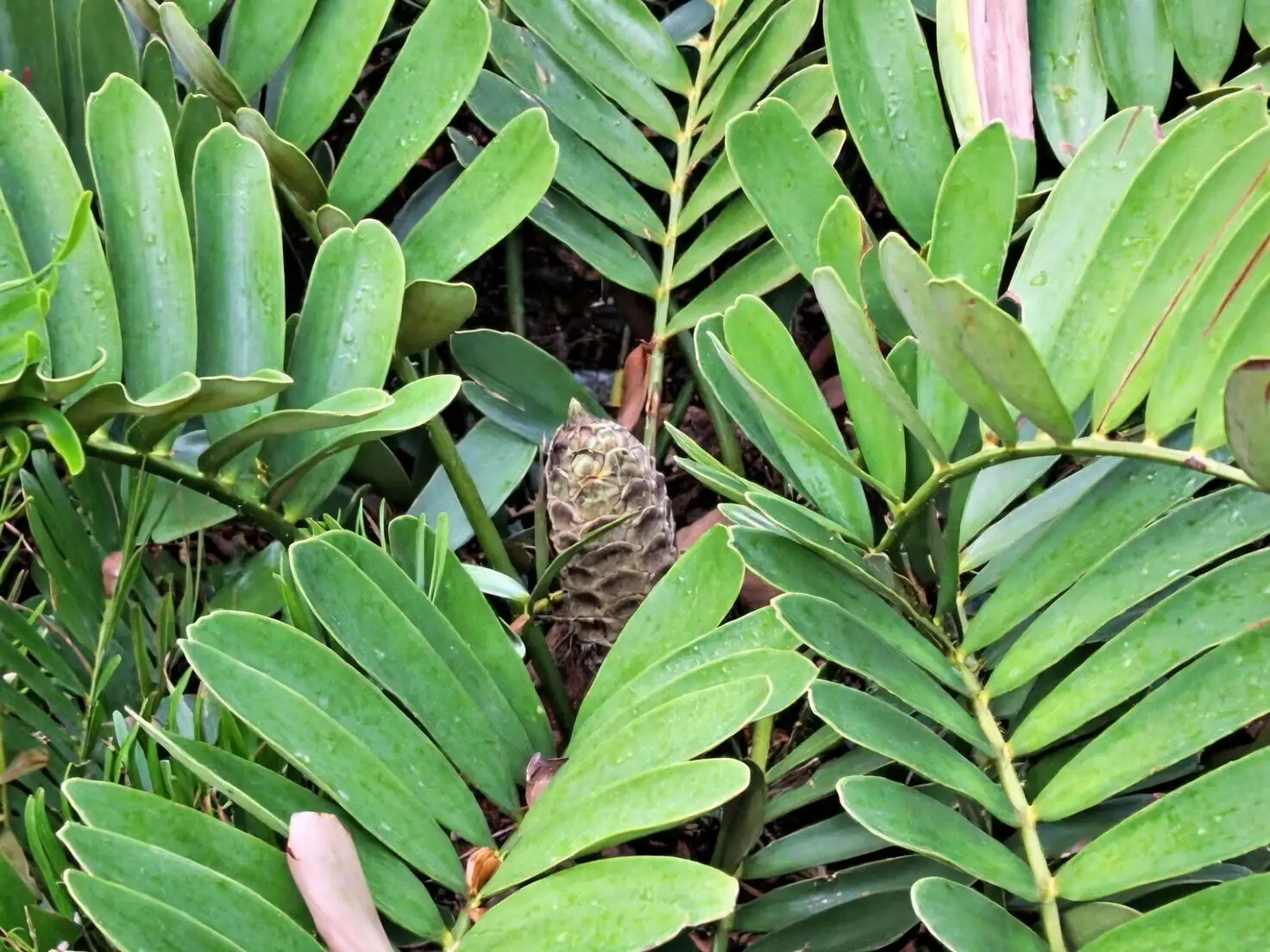
- Before petals: Cycads predate flowering plants. Instead of blossoms, they make separate male and female cones. It’s a quieter strategy than showy blooms—less bouquet, more blueprint—and it has worked for millions of years.
- Separate sexes: Each Cardboard Palm is either male or female, and only mature, well-situated plants cone reliably. In warm, bright conditions, coning is most often seen in summer.
- A partnership with wind and insects: Rather than relying on petals and perfume, cycads lean on movement and specific pollinators. The result is subtle but effective: pollen moves, seeds set, and the lineage marches on.
Design built to last: caudex, fronds, and an evergreen crown
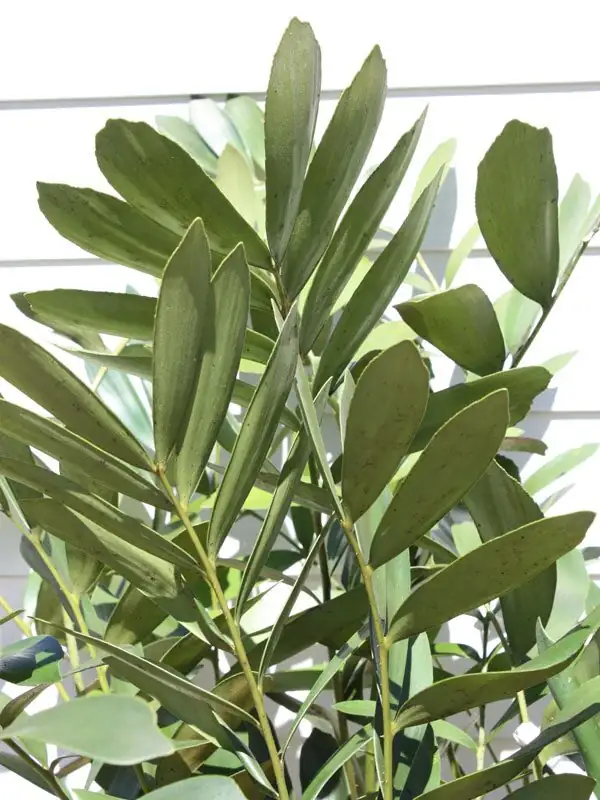
- The caudex advantage: That firm, thickened base is a vault—water in reserve, energy on hold. It’s why the plant tolerates drought and forgives the occasional missed watering.
- Fronds like sculpture: Stiff, pinnate leaves with deep green, glossy leaflets radiate from the center, forming a tidy, architectural rosette. Older basal leaves naturally yellow with age; removing them keeps the silhouette clean.
- Slow and steady: Growth is unhurried, which makes Zamia furfuracea a long-term companion for bright rooms, offices, and sheltered balconies. It may clump over time by forming offsets.
How to host a survivor at home (and let evolution do the heavy lifting)
Light
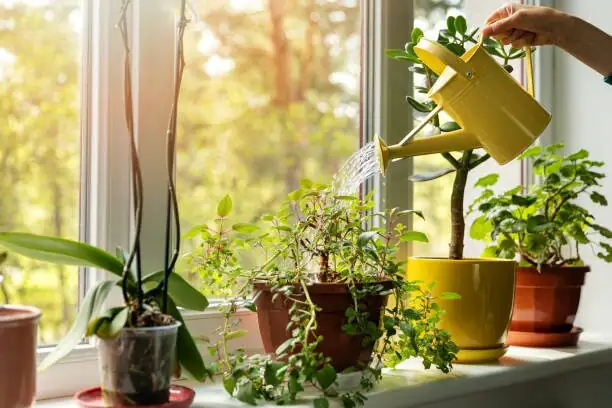
- Best: Bright light to full sun indoors near a sunny, well-ventilated window or on a bright balcony.
- Tolerant: Bright shade.
- Caution: Behind glass, protect from harsh, scorching midday sun.
Temperature and humidity
- Ideal range: 13–24°C (55–75°F).
- Keep above: 2°C (36°F). Leaf damage can occur below 0°C (32°F).
- Humidity: Average indoor levels are fine. In warm seasons, a light mist or a simple leaf wipe keeps foliage clean and breathing.
Soil and pot
- Mix: Very free-draining medium—about 2 parts peat/leaf-mold–based potting mix to 1 part coarse sand/grit/perlite.
- Pot: Always use drainage holes. A shallow, wide container suits its roots and keeps the plant stable.
Watering
- Rhythm: Water thoroughly, then let the top layer of mix dry before watering again.
- Growing season: Keep lightly moist, never soggy.
- Autumn/winter: Reduce. Cold + wet soil invites root rot; err on the dry side in cool weather.
Feeding
- During active growth: Feed monthly with a balanced fertilizer (e.g., NPK 20-20-20) at label rates, or use a gentle organic liquid feed.
- Winter: Skip if growth slows.
Pruning and shaping
- No shaping needed. Remove yellowing or damaged older leaves individually at the base with clean tools. Avoid nicking the caudex—small buds or offsets may form there.
Repotting
- It likes stability. Repot small plants about every 2 years; larger specimens every 3–4 years into a fast-draining mix. Typical container diameters: 15–40 cm (6–16 in).
Propagation
- Seeds: Sow indoors in spring, covering with about 2 cm (0.8 in) of mix. Warmth—24–30°C (75–86°F)—can speed germination (sometimes to about 2 weeks if consistently warm).
- Offsets (pups): In April–May, separate with minimal wounding, let cuts callus, then root in sand at roughly 26–30°C (79–86°F) before potting on.
A seasonal care rhythm
- Spring: Gradually resume watering; sow seed or divide offsets; repot if needed.
- Summer: Brightest light with good airflow; keep lightly moist; fertilize monthly; cones may appear in warm, bright setups.
- Autumn: Back off watering as temperatures drop.
- Winter: Keep bright and cool, water sparingly, and maintain temperatures above 2°C (36°F).
Cones, not flowers: what to expect at home
- Dioecious reality: One plant can’t make seed alone. Male and female cones occur on separate plants, and coning tends to happen on older, well-sited specimens—most often in summer.
- Purely ornamental indoors: Even without cones, the architecture—a symmetrical, evergreen rosette above a sturdy caudex—is the main attraction.
Choosing a great plant—and helping it settle in
- Look for: A firm, thick caudex/base; an evenly arranged, deep-green crown; leaves free of spots, pests (especially scale), or damage.
- After you bring it home: Give it your brightest, best-ventilated spot. If it’s unfurling new leaves, weak light leads to thin, stretched leaflets and a sparse crown. Water lightly at first while it adjusts.
Common snags and gentle fixes
- Overwatering in cool conditions: The number-one mistake. Keep the mix airy, the pot draining, and winter soil slightly dry.
- Scale insects: Wipe off and treat with horticultural oil or insecticidal soap; repeat as needed.
- Leaf spot: Improve airflow; avoid wetting the crown late in the day; remove affected leaves.
- Root troubles (including possible root-knot nematodes in contaminated media): Use clean, fast-draining potting mix; never let the plant sit in water. Discard severely affected plants.
Outdoors, with care
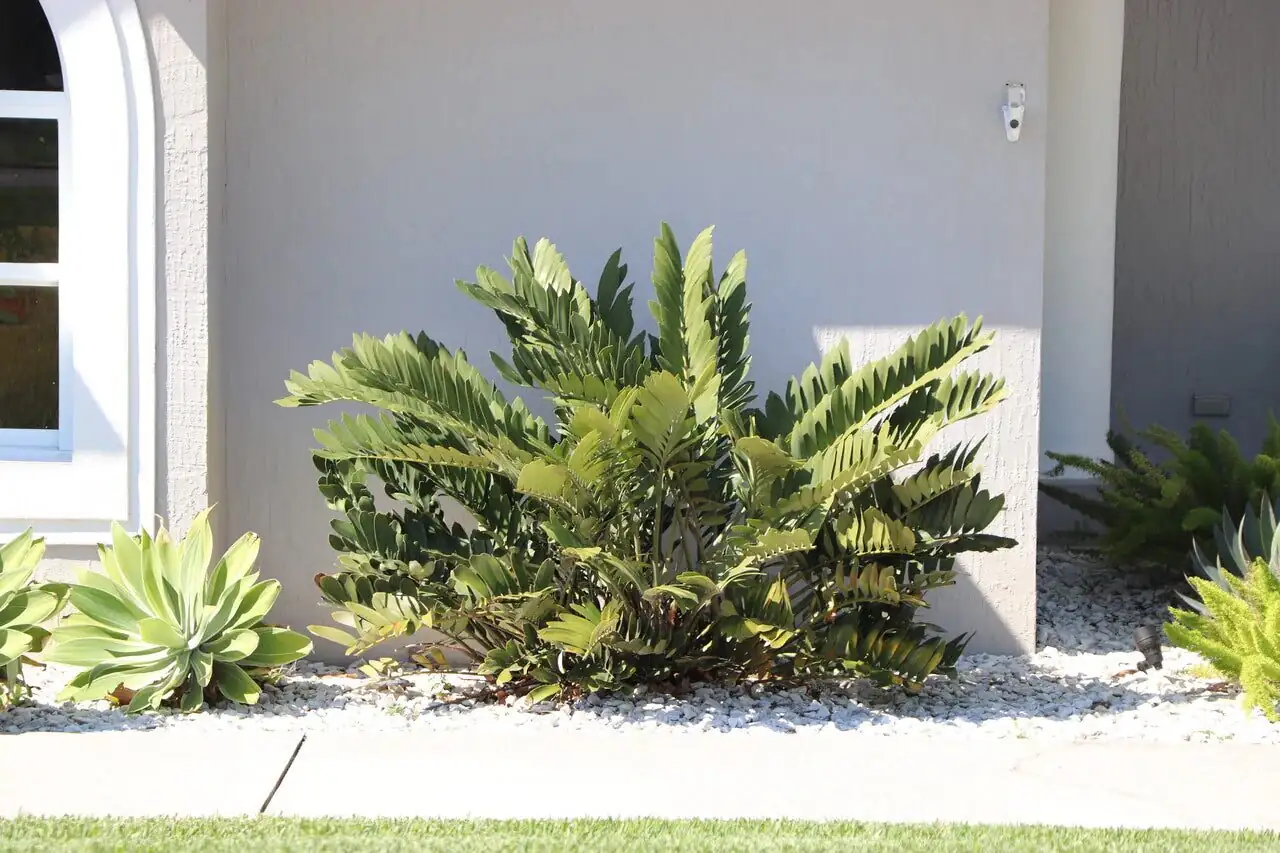
- Hardiness: Not frost-hardy. Suitable outdoors only in USDA Zone 9–11 with frost protection.
- Placement: A sheltered, sunny patio or balcony spot with excellent drainage and airflow.
Safety note
- Toxic if ingested: Like many cycads, all parts—especially the seeds—contain potent toxins. Keep out of reach of children and pets.
Symbolism, not flower language
- Meaning: Cardboard Palm is often appreciated as a symbol of resilience and longevity. The message doesn’t come from “flower language” (it doesn’t flower at all) but from lived biology: slow, steady growth; evergreen poise; and a lineage so ancient it predates petals. If there’s a lesson here, it’s that quiet strength outlasts spectacle.
Why this “living fossil” still feels modern
- Architectural foliage that slots into minimalist interiors.
- Evergreen form without constant pruning.
- Drought tolerance that suits busy lives and bright rooms.
- A pace that invites patience—one or two new fronds can feel like a season’s event.
Fast, memorable takeaways
- Not a palm—an ancient cycad with cones.
- Native to eastern Mexico (Veracruz).
- Bright light to full sun indoors; protect from glass-magnified scorch.
- Ideal temps 13–24°C (55–75°F); keep above 2°C (36°F).
- Water thoroughly, then let the top layer dry; keep drier in winter.
- Free-draining mix and a pot with drainage holes are nonnegotiable.
- Easy once established, but never forgiving of cold, wet soil.
- Toxic if ingested—especially the seeds.
In the end, Zamia furfuracea is a master class in endurance. It trades instant bloom for long memory, flash for form, hurry for survival. Give it light, drainage, and time—and watch an ancient story hold its shape in your everyday space.