The Journey of Philodendrons: From Jungle Giants to Indoor Icons
Imagine wandering through the dense, vibrant rainforests of Central and South America, where the canopy teems with life. Here, amidst the cacophony of tropical sounds, Philodendrons make their home. These robust plants, belonging to the Araceae family, are nature’s climbers, thriving in the dappled light that filters through the foliage. But how did these jungle dwellers transition from their native habitat to our living rooms, becoming one of the most cherished houseplants worldwide?
A Botanical Love Story
The name “Philodendron” is derived from the Greek words “philo,” meaning love or affection, and “dendron,” meaning tree. This nomenclature reflects both the plant’s natural habit of climbing trees and the affection it receives from plant enthusiasts. Since their collection in the wild as early as 1644, Philodendrons have captured the hearts of botanists and plant lovers alike, with Heinrich Wilhelm Schott formally describing the genus in 1829.
The Allure of the Philodendron
Philodendrons are celebrated for their lush, bold foliage, which can vary dramatically in shape and size. From heart-shaped leaves that convey a sense of warmth and open-hearted kindness to spear-shaped and deeply lobed varieties, these plants are a feast for the eyes. The leaves, often glossy and substantial, can sometimes exhibit stunning variegation or vibrant hues beyond green, adding a splash of the exotic to any space.
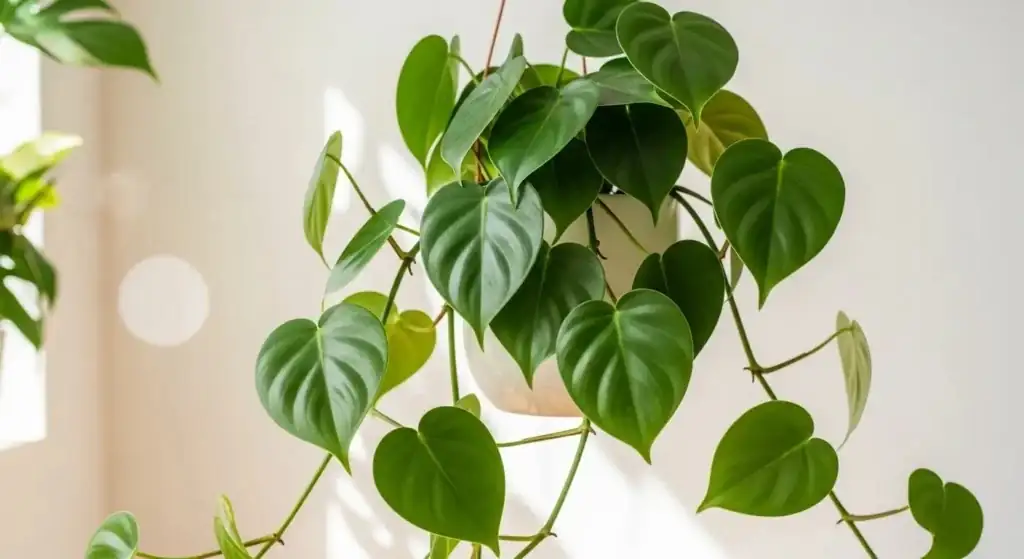
In the wild, Philodendrons are masters of adaptation. They begin life as vines, wrapping their modified roots around tree trunks, and sometimes transform into epiphytes, plants that live upon other plants. This remarkable adaptability is mirrored in their indoor growing conditions—able to tolerate a range of lighting and humidity levels, Philodendrons are the epitome of low-maintenance beauty.
From the Jungle to Our Homes
The journey of Philodendrons into our homes has been nothing short of transformative. As versatile houseplants, they thrive in bright to medium indirect light, making them ideal for living rooms, bedrooms, and even bathrooms where humidity tends to be higher. With their ability to purify the air and add a touch of greenery, they contribute to creating a soothing, inviting environment.
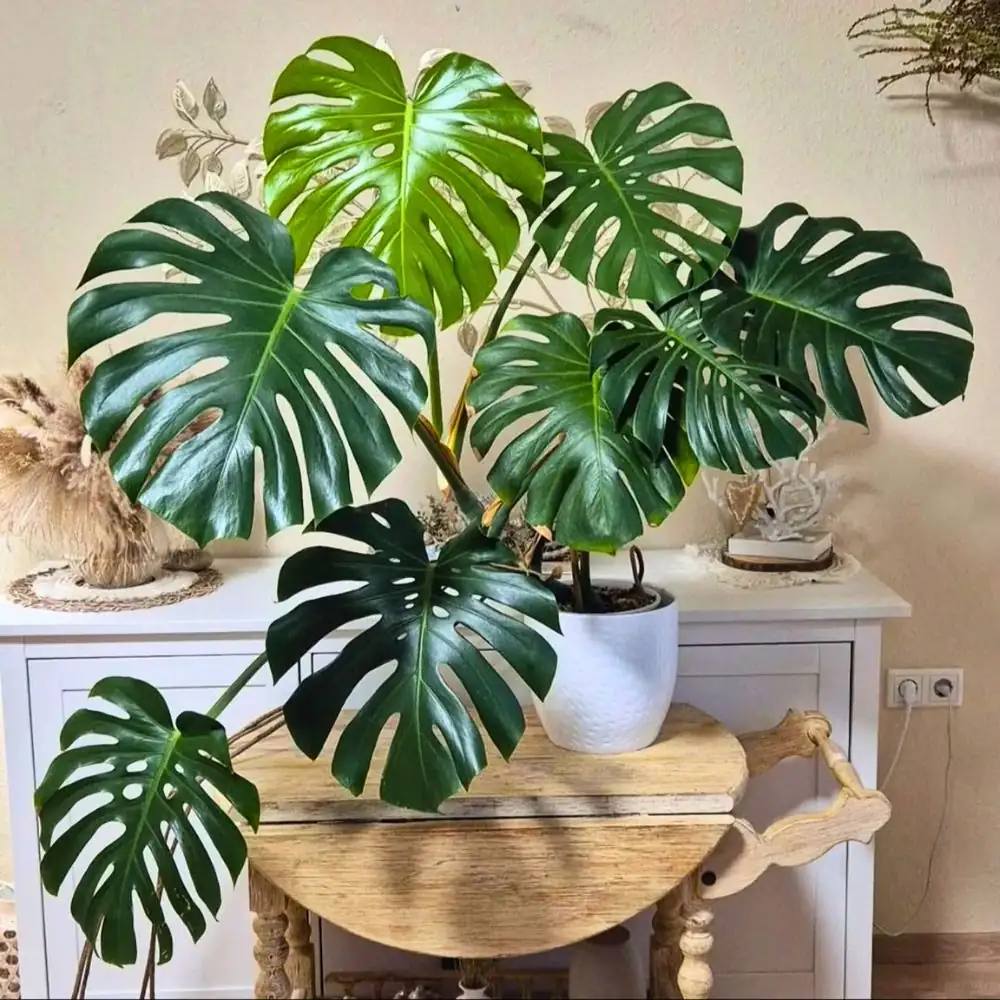
Indoor Philodendrons come in two main growth habits: vining types that elegantly trail or climb using aerial roots, and more upright, self-heading forms that maintain their structure without support. This flexibility allows for creative displays, whether cascading from a shelf or climbing up a moss pole to add vertical interest.
Care and Keeping
Philodendrons are known for their forgiving nature, making them perfect companions for both seasoned green thumbs and beginners. Here’s a quick guide to keeping your Philodendron thriving:
- Watering: Allow the top 2.5–5 cm (1–2 inches) of soil to dry out before watering. Overwatering is a common pitfall, so ensure excess water drains away.
- Light: While they tolerate low light, brighter indirect light encourages robust growth and larger leaves.
- Humidity: Although they adapt well to average indoor conditions, misting or using a humidifier can be beneficial, especially in dry climates.
- Feeding: During the growing season, a monthly application of balanced liquid fertilizer helps maintain their lush appearance.
- Maintenance: Regular pruning of leggy vines and removal of yellowing leaves promotes healthy growth and aesthetics.
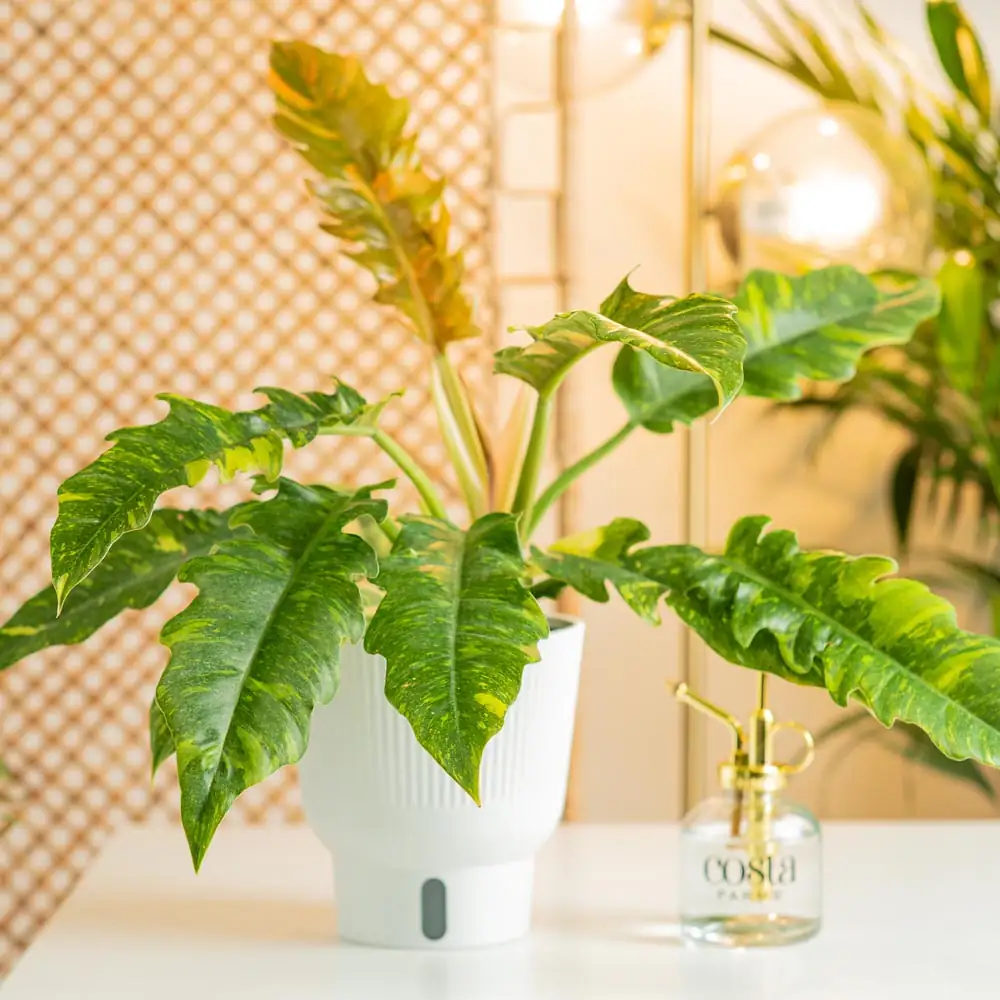
The Language of Leaves
In the realm of plant symbolism, Philodendrons often represent growth, renewal, and a deep connection to nature. Their heart-shaped varieties especially embody appreciation and warmth, making them thoughtful gifts to express kindness and affection.
A Botanical Marvel
Beyond their beauty, Philodendrons are botanical marvels. With over 600 species, they are one of the largest genera in the aroid family. Some species exhibit fascinating behaviors, such as thermogenesis, where they generate heat to attract pollinators, and others engage in symbiotic relationships with ants for mutual protection.
Whether you’re drawn to their striking foliage or their easy-going nature, Philodendrons offer a slice of the tropics, a whisper of the wild, and a connection to nature’s enduring wonders—all in the comfort of your home. So, as you nurture your Philodendron, you’re not just caring for a plant; you’re fostering a piece of history, a living testament to the beauty and adaptability of life itself.