


The Enchanting Journey of the African Violet: From Discovery to Delight
Have you ever wondered how a humble plant from the tropical forests of Africa became a cherished staple on windowsills around the world? The African Violet, scientifically known as Streptocarpus ionanthus, is a fascinating plant with a story as vibrant as its blooms. Let’s embark on a journey through time to explore the origins and rise of this beloved indoor plant.
A Chance Encounter in the Mountains
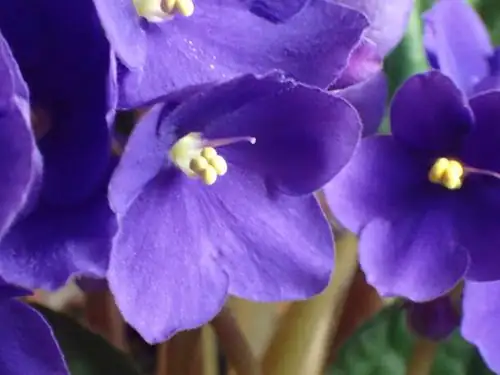
Our story begins in 1892, amidst the lush greenery of the Usambara Mountains in what is now Tanzania. It was here that Baron Walter von Saint Paul-Illaire, a German colonial officer, stumbled upon a plant with velvety leaves and striking purple flowers. Captivated by its beauty, he sent specimens back to Germany. The plant was soon introduced to the botanical world under the genus name Saintpaulia, in honor of the Baron himself, and was classified by botanist Hermann Wendland.
The Botanical Belle of the Ball
The African Violet quickly became a sensation in Europe. By the early 20th century, it had made its way to the United States, where it was met with equal enthusiasm. Despite initial challenges in cultivation—homes of the era were often too drafty for its liking—the plant’s allure was undeniable. Its ability to bloom continuously, coupled with the advent of artificial lighting like fluorescent bulbs in the 1930s, made it immensely popular among houseplant enthusiasts.
Blossoming into a Global Phenomenon
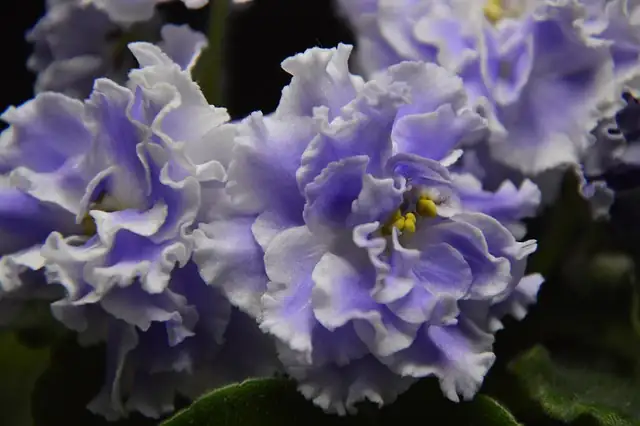
The mid-20th century saw the African Violet become a collector’s dream. Breeders, particularly the Holtkamp family in Germany, played a pivotal role in developing new varieties. They introduced a kaleidoscope of colors and forms, from ruffled petals to variegated leaves. This period marked the African Violet’s transition from a simple houseplant to a symbol of horticultural innovation.
The Language of Violets
In the world of floral symbolism, the African Violet holds a special place. Often associated with devotion and loyalty, its colors carry their own meanings: purple signifies wisdom, blue imparts calm, white symbolizes purity, and pink speaks of gentle affection. These meanings have made the African Violet a popular gift, particularly around Mother’s Day.
Cultivation and Care: A Plant for All Seasons
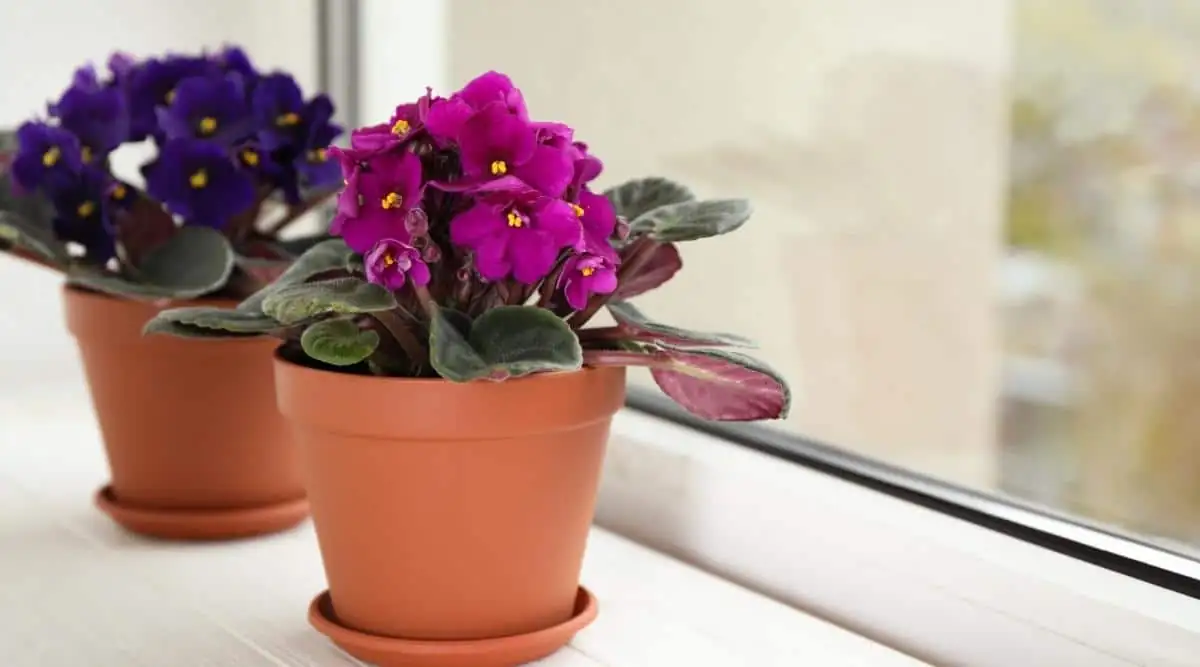
What makes African Violets particularly endearing is their adaptability and ease of care. They’re compact, making them perfect for small spaces, and they thrive indoors with bright, indirect light. A loose, well-draining soil mix and careful watering are keys to their success. And here’s a fun fact: a single leaf can propagate multiple baby plants, ensuring that once you start with one, you’ll soon have many more to share with friends and family.
Challenges and Triumphs
Despite their popularity, African Violets are not without challenges. They require a fine balance of light, temperature, and humidity to thrive. Overwatering can lead to root rot, and cold drafts can cause stress. However, with a little attention and love, these plants will reward you with blooms all year round.
A Legacy of Love and Joy
Today, the African Violet stands as a testament to the joys of gardening and the bonds it can create. With thousands of cultivars available, each with unique characteristics, they continue to capture the hearts of plant lovers worldwide. Whether you’re a seasoned gardener or a novice plant parent, the African Violet offers a delightful introduction to the world of houseplants.
So, next time you admire the delicate blooms of an African Violet, remember its rich history and the journey it has taken to brighten homes across the globe. It’s more than just a plant—it’s a piece of living history, a symbol of beauty, and a source of joy that continues to bloom for generations.


