Discovering the Rich History and Global Journey of Amaranthus tricolor
Imagine a plant that changes its appearance with the seasons, donning a vibrant coat of many colors like a botanical chameleon. Meet Amaranthus tricolor, also fondly known as Joseph’s Coat. This dynamic plant has captivated gardeners and culinary enthusiasts alike, tracing its roots from tropical Asia to gardens worldwide. Join us as we explore its rich history, vibrant evolution, and enduring significance.
A Tapestry of Colors and Culture
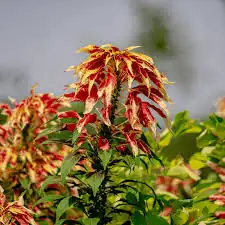
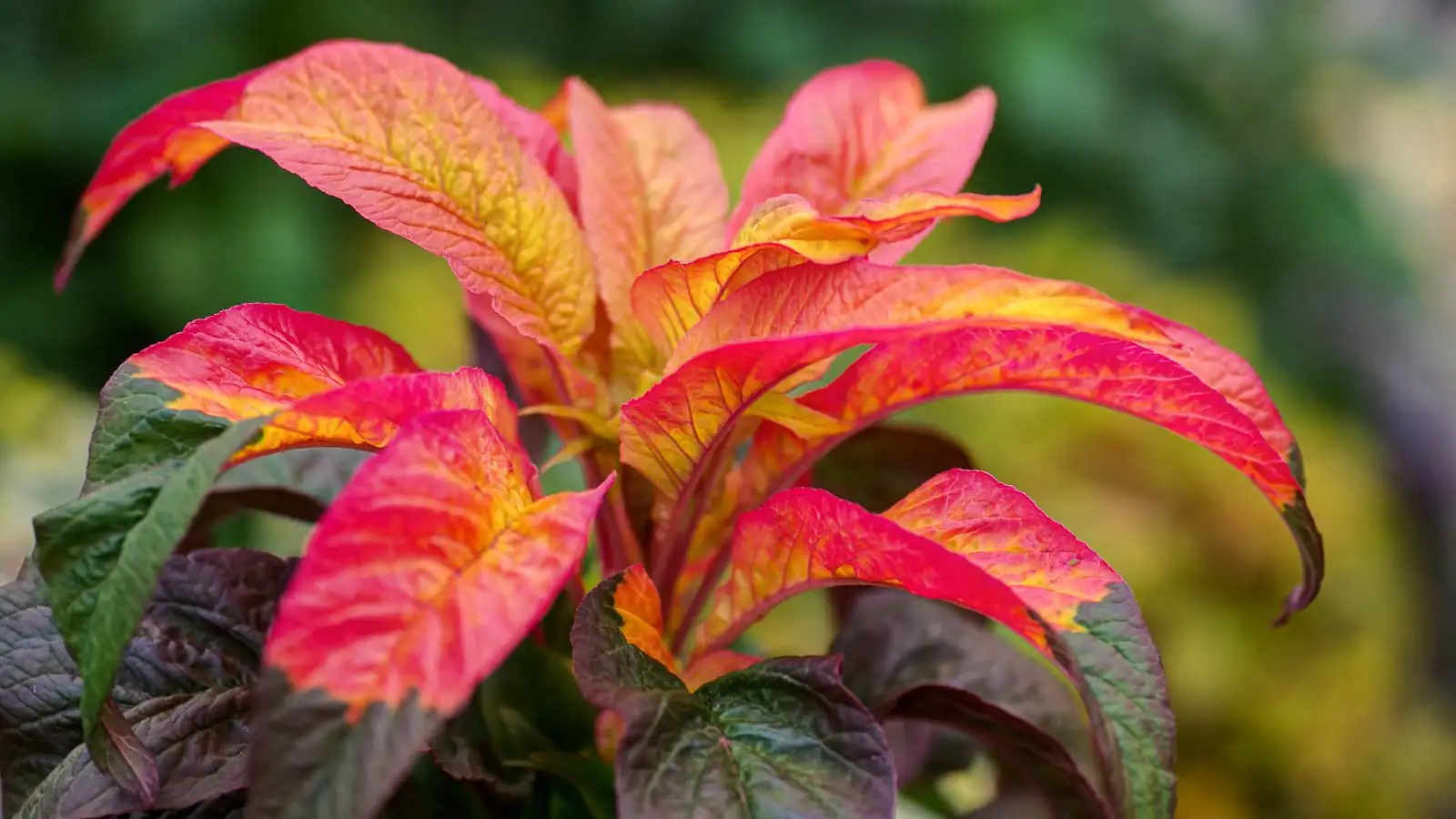
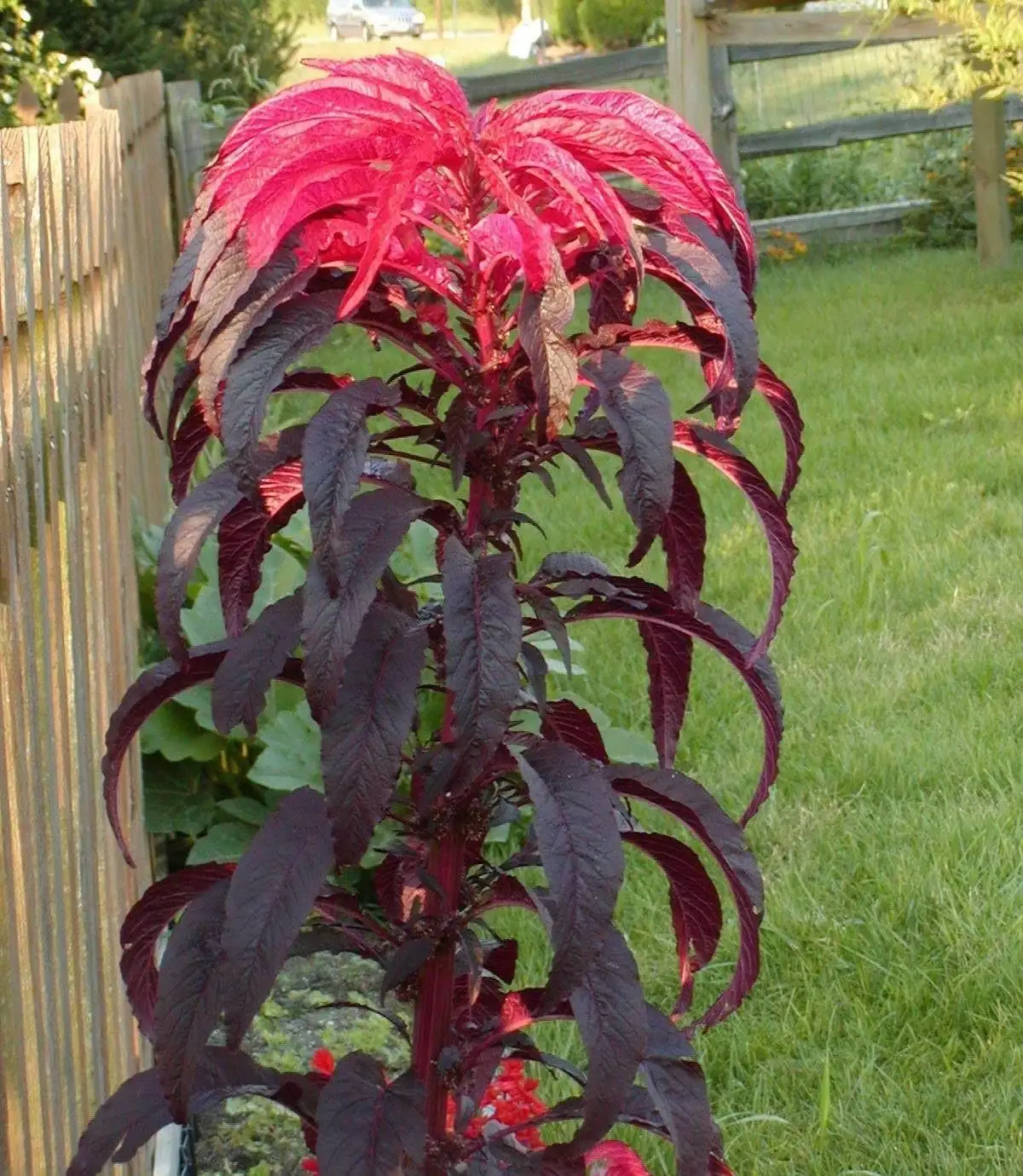
Amaranthus tricolor is not just a feast for the eyes; it’s a tapestry woven with cultural and historical threads. Known in different parts of the world by names like Chinese Spinach, Edible Amaranth, and Summer Poinsettia, this annual plant is celebrated for its striking foliage that transforms with the summer heat. As the temperatures rise, its leaves evolve from a verdant green into a fiery palette of red, yellow, orange, pink, and purple. It’s no wonder that the plant earned the nickname “Joseph’s Coat,” reminiscent of the biblical coat of many colors.
But this plant isn’t all show and no substance. For centuries, communities in Asia have cultivated Amaranthus tricolor as a staple leafy vegetable. Known as tampala or Chinese spinach, it’s a nutritional powerhouse, enriching diets with its tender, edible leaves. The plant’s dual role as both an ornamental and a culinary delight underscores its adaptability and significance in various cultures.
From Ancient Legends to Modern Gardens
The name “Amaranthus” derives from the Greek word for “unfading,” a nod to its enduring beauty and lasting impact. In ancient Greek traditions, amaranths were symbols of immortality and enduring affection, often used in ceremonies and as tokens of lasting beauty. This association with eternity and resilience might explain why Amaranthus tricolor has stood the test of time, thriving in diverse environments from bustling Asian markets to serene garden borders around the globe.
In modern horticulture, Joseph’s Coat’s adaptability and low-maintenance nature make it a gardener’s dream. It thrives in a variety of soil types, is heat-tolerant, and requires minimal care, making it perfect for both novice and seasoned gardeners. Its fast-growing, bushy habit also makes it an excellent choice for beds, borders, and containers.
Growing Your Own Living Rainbow
If you’re eager to add a splash of color to your garden, Amaranthus tricolor could be your perfect match. Here are some tips to help you cultivate this vibrant plant:
- Sunlight: Full sun is ideal for bringing out the brightest colors in its leaves. In especially hot climates, a bit of afternoon shade can help prevent stress.
- Soil and Water: This plant prefers moist, well-drained soil. Regular watering is key, especially during dry spells, but be cautious of overwatering to avoid root rot.
- Fertilization: A light touch with the fertilizer is best. Too much nitrogen can result in lush green foliage at the expense of the vivid colors.
A Feast for More Than Just the Eyes
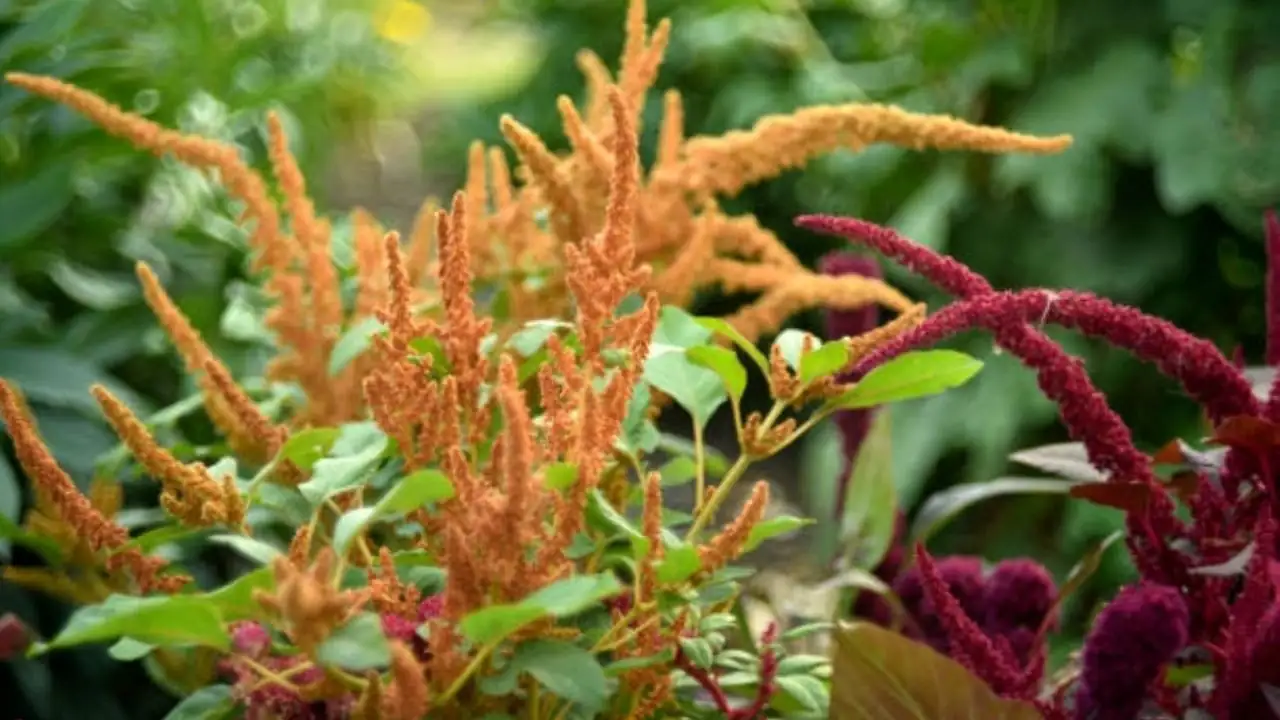
Beyond its ornamental appeal, Amaranthus tricolor plays a role in traditional medicine across various cultures. Its leaves are rich in nutrients, making them a valuable addition to diets worldwide. In addition, the tiny seeds produced by its modest flowers are beloved by birds, adding another layer of ecological value to this remarkable plant.
Fun Facts to Leaf You Smiling
- Birds’ Delight: Mature flower spikes can attract birds, making it a wildlife-friendly addition to any garden.
- Cultural Staple: In Indonesia and Malaysia, it’s a popular vegetable akin to spinach.
- Ancient Admiration: Its seeds are incredibly tiny, with about 1,000–1,500 seeds per gram, yet they hold the promise of growth and beauty.
Whether you’re drawn to its historical significance, its colorful display, or its culinary potential, Amaranthus tricolor is a plant that offers something for everyone. As you nurture this living rainbow in your garden, you become part of its storied journey, a tradition of beauty and utility that spans continents and centuries.