Journey of Osmanthus Fragrans: From Himalayan Heights to Oriental Gardens
Imagine walking through a garden at the cusp of autumn, where the air is suddenly suffused with an enchanting sweetness. This intoxicating scent, a hallmark of the Osmanthus fragrans, also known as Sweet Osmanthus, is not just a floral delight but a historical journey that traverses the majestic Himalayas to the serene gardens of China and Japan.
A Fragrant Legacy
Osmanthus fragrans, with its delicate blossoms and potent fragrance, is more than just a plant; it embodies elegance and rich cultural history. Native to the Himalayas and extending through southern China, this evergreen shrub or small tree has long been cherished for its ability to perfume entire landscapes. Its journey from the rugged terrains of its origin to its cultivation in East Asian gardens is a testament to its enduring appeal and adaptability.
The Sweet Osman’s Cultural Roots
In Chinese culture, the Osmanthus tree holds a place of honor, often celebrated in poetry and art. It is one of the ten famous flowers in China, symbolizing love, romance, and good fortune. Its blossoms, known as gui hua, are a classic flavoring in Chinese teas and desserts, a practice that dates back to the Ming dynasty. The plant’s intoxicating aroma during the Osmanthus Festival in September melds with the rich traditions of the Chinese Moon Festival, where stories are shared under a moonlit sky amidst the gentle fall of its tiny flowers.
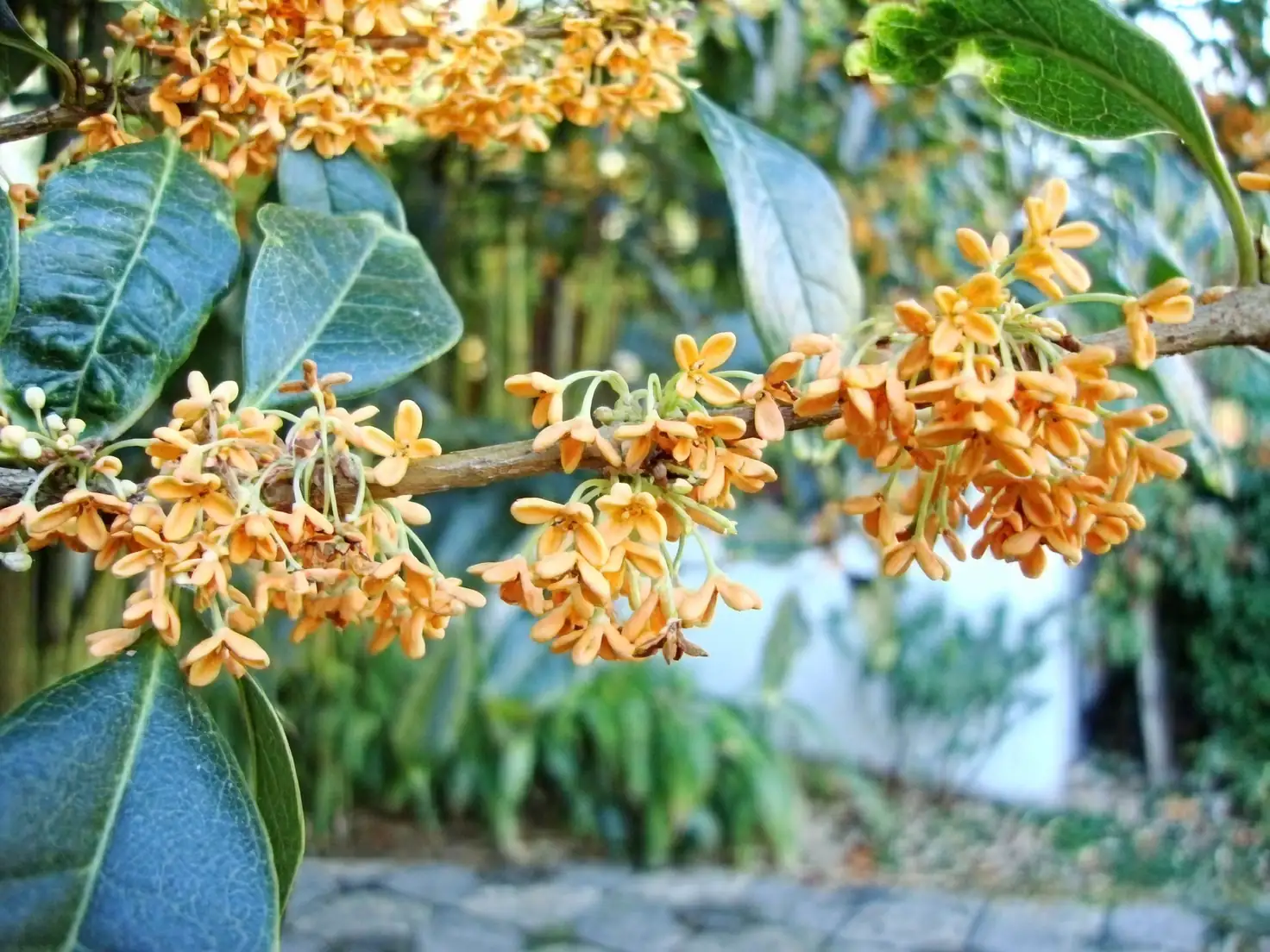
In Japan, the plant is known as Kinmokusei and is equally revered, often planted in temple gardens. The towns of Kitanagoya and Kashima honor it as their city tree, further cementing its place in the heart of Japanese horticulture.
The Allure of Osmanthus in Gardens
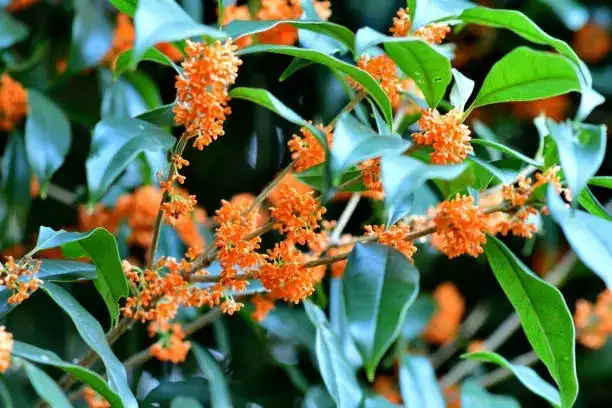
The allure of Osmanthus fragrans lies in its versatility and enchanting fragrance. This plant can be a majestic garden centerpiece or a container-friendly companion for patios. Its evergreen foliage provides a consistent lushness, while its blooms, ranging from pale yellow to rich orange-yellow, offer seasonal spectacle, typically in autumn.
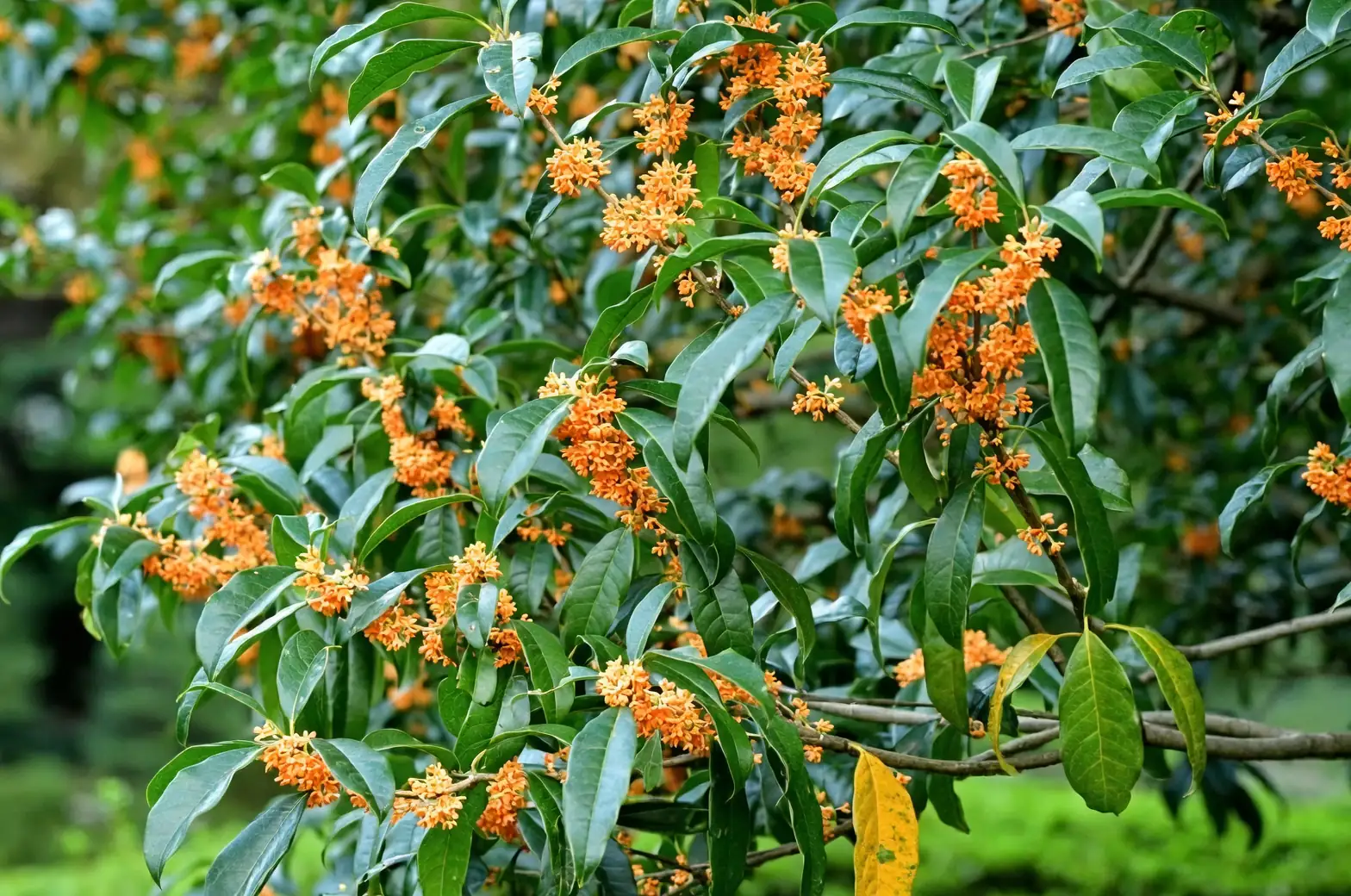
Gardeners prize this plant not just for its beauty but also for its resilience. It thrives in full sun to partial shade and prefers well-drained soil, making it suitable for a variety of climates. While it can tolerate brief cold spells, severe winters necessitate protection, especially in areas prone to frost.
Growing Sweet Osmanthus: Tips and Tricks
- Sunlight and Temperature: The plant flourishes in bright light, with optimal growth temperatures between 18–28°C (64–82°F). While it can endure some cold, avoid prolonged exposure to freezing temperatures.
- Watering and Soil: Maintain even moisture during its growing season but reduce watering slightly during bloom to enhance fragrance. A well-drained soil mix, rich in organic material, is ideal.
- Placement and Care: In warmer regions, the Osmanthus can be planted outdoors year-round. In colder climates, consider potting the plant for easy relocation during winter. Regular pruning, especially in winter, encourages a fuller bloom and maintains its tidy appearance.

A Symbolic Flower
Osmanthus fragrans is rich in symbolism, representing refinement and the “fragrance that lingers,” a metaphor for enduring beauty and grace. In both Chinese and Japanese gardens, it is a reminder of the changing seasons and the subtle joys of nature.
A Final Thought
The journey of the Osmanthus fragrans from the Himalayas to cultural prominence in Chinese and Japanese gardens is a story of resilience, beauty, and the enduring allure of nature’s fragrances. Whether you’re sipping a cup of osmanthus-scented tea or strolling through a blossom-laden garden, the Sweet Osmanthus continues to enchant and inspire, a fragrant link between the past and the present.
So the next time you catch a whiff of its captivating aroma, take a moment to appreciate the centuries of history and cultural significance that this humble yet majestic plant carries with it.