

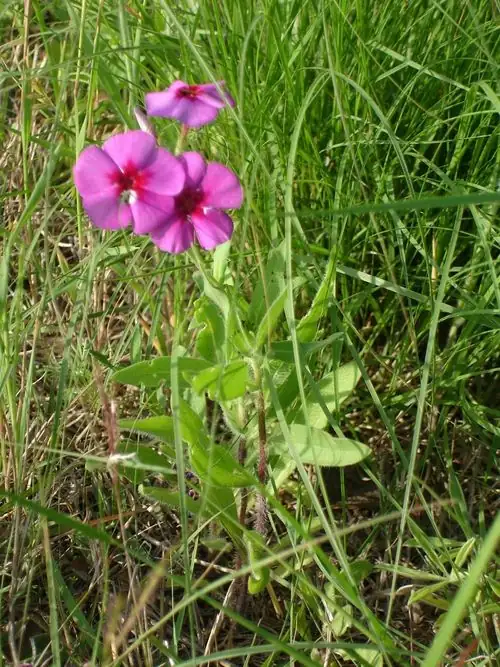
A flame caught on the Texas prairie and never went out. That’s the story of Phlox drummondii—Annual Phlox, Drummond’s phlox, Medium phlox—whose star-shaped flowers once speckled open woodlands and sandy grasslands, and now glow in cottage borders, balconies, and pollinator plots around the world.
Texas, where the flame was found
In its homeland—Texas—Annual Phlox forms neat, compact clumps of bright green, slightly fuzzy foliage and throws up tight, cloud-like heads of blooms from mid-spring into summer. Each flower is a five-pointed star, often with a contrasting “eye,” in shades that run from moonlit white and shell pink to lipstick red, royal purple, hot magenta, orange, and showstopping bicolors. Depending on variety and conditions, plants reach roughly 15–60 cm (6–24 in) tall and keep a tidy, upright habit perfect for beds, borders, rock gardens, mass plantings, and containers.
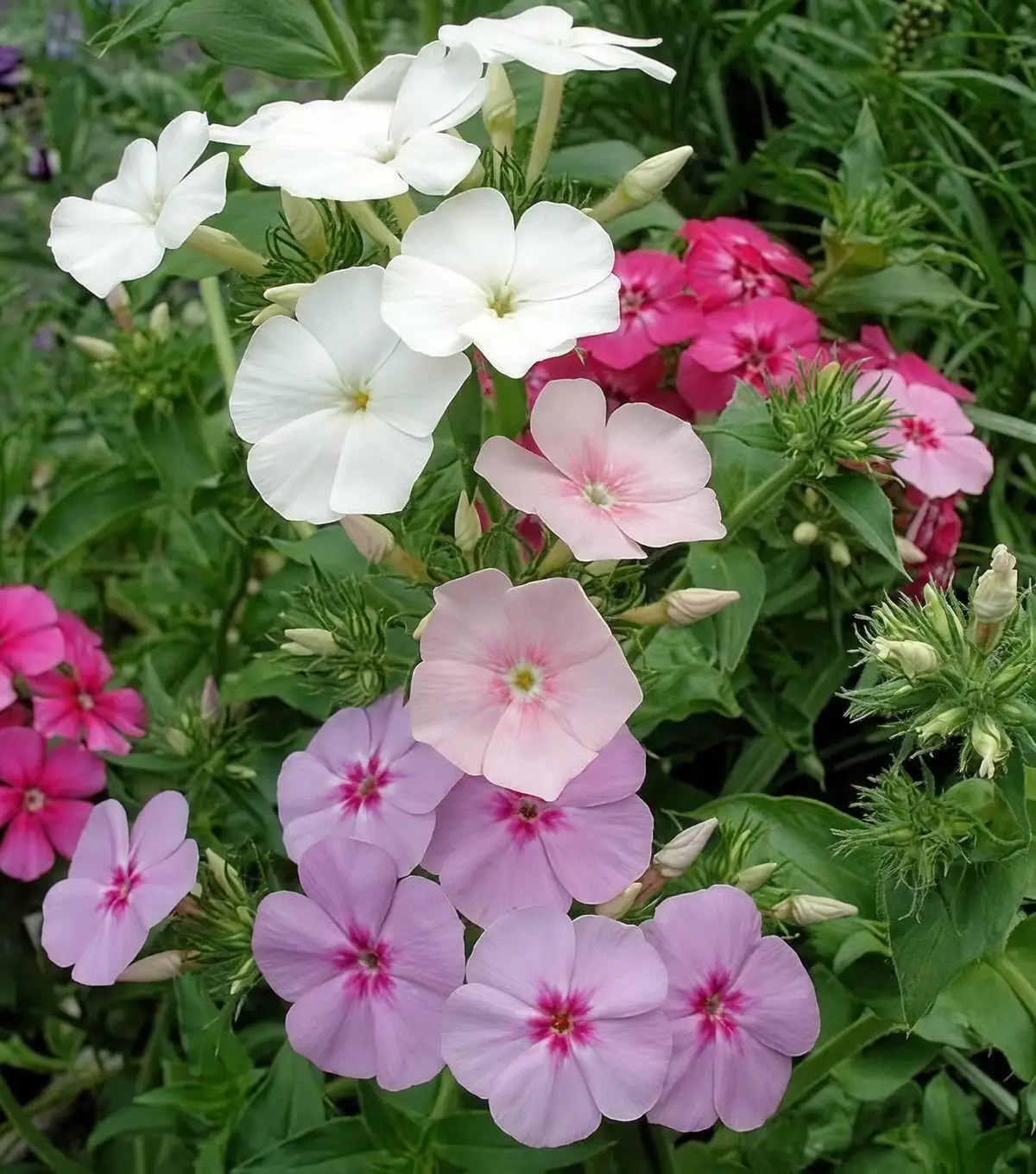
The leaves tell a quiet story to the botanically curious: a soft, hairy texture; lower leaves paired opposite one another; upper leaves sometimes alternating; all of it a smart fit for warm, breezy places with good light. Where it’s happy, Annual Phlox is a little festival—sweetly fragrant, long-blooming, and humming with bees, butterflies, and even hummingbirds.
The man who carried the sparks: Thomas Drummond
The species name honors Thomas Drummond (1790–1835), a Scottish plant collector whose Texas expedition in the 1830s sent ripples through horticulture. Trekking prairies and woodlands, Drummond gathered seed and specimens—hundreds of plants in all—and shipped them across the Atlantic. Among these treasures was the prairie’s “flame,” Phlox drummondii, which promptly lit up British seed lists and European bedding schemes. Drummond died young, at just 45, but his spark traveled on every paper packet of phlox seed—right into gardens everywhere.
From prairie fire to cottage garden glow
Even before Drummond, the broader Phlox clan had charmed European gardeners by the late 18th century. But Annual Phlox added something irresistible: instant color, generous bloom, and a painter’s palette of new tints and bicolors. Breeders leaned in, coaxing an ever-wider spectrum, while gardeners discovered how beautifully it:
- Masses into “clouds of color” for classic cottage borders
- Plays well in pots and window boxes
- Mixes with silver foliage, airy grasses, and herbs
- Feeds pollinators through the sweet stretch of late spring into summer
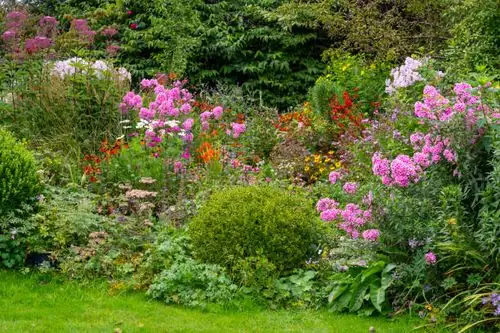
Today, though native to Texas, you’ll see Annual Phlox widely grown across the United States (often along sunny roadsides in the Southeast) and just as beloved in European and Asian cottage-style plantings.
What’s in a name? Phlox as flame—and the language of flowers
“Phlox” comes from the Ancient Greek for “flame”—a beautiful nod to the plant’s vivid colors and the way a drift of blooms can look like embers glowing across a bed. Folklore even links phlox with torchlight in tales of Odysseus.
In Victorian flower language, phlox spoke of harmony and unity—“we think alike,” “our souls are united.” Color layers added nuance: pink for affection, white for purity, purple for wisdom, red for passion. It’s worth remembering that floriography was a 19th-century cultural game rather than a botanical rulebook; meanings shift with time and place. But the spirit of phlox—welcoming, companionable, peace-making—still feels right in a garden meant for gathering.
Growing your own blaze
Think of Annual Phlox as a small sun-lover that thrives with good airflow, steady moisture, and regular grooming.
Light and placement
- Full sun (about 6–8 hours daily) yields the heaviest flowering.
- In regions with searing summers, offer light afternoon shade.
Soil and water
- Plant in well-drained, fertile soil enriched with compost; it’s comfortable from slightly acidic to slightly alkaline but is happiest near neutral to slightly alkaline (around pH 6.0–8.0).
- Water to keep the soil evenly moist during active growth—about 2.5 cm (1 in) per week from rain/irrigation.
- Water at the soil line to keep foliage dry and reduce mildew risk; never let the soil stay soggy.
Temperature and season
- Enjoys warmth: roughly 10–30°C (50–86°F).
- Not frost-hardy; plant after danger of frost has passed.
- Blooms mid-spring to mid-summer (April–July) and longer if regularly deadheaded.
Spacing, air, and plant health
- Space plants 45–60 cm (18–24 in) apart for airflow—crucial against powdery mildew.
- Common issues: powdery mildew, aphids, spider mites, leaf miners.
- Prevent mildew with sun, spacing, and base-watering; remove badly affected leaves.
- Treat insect pests with insecticidal soap and steady, non-stressful care.
- If needed, sulfur-based fungicides can be used on a 7–10 day schedule.
Feeding and pruning
- Work compost into the bed before planting.
- Fertilize lightly: a balanced feed early, then shift to a bloom-supporting formula (higher in phosphorus and potassium) once buds form.
- Avoid heavy nitrogen late in the season to prevent leafy growth at the expense of flowers.
- Deadhead often; pinch or cut back by one-third to one-half in early summer for bushier plants and fresh flushes.
From seed to show
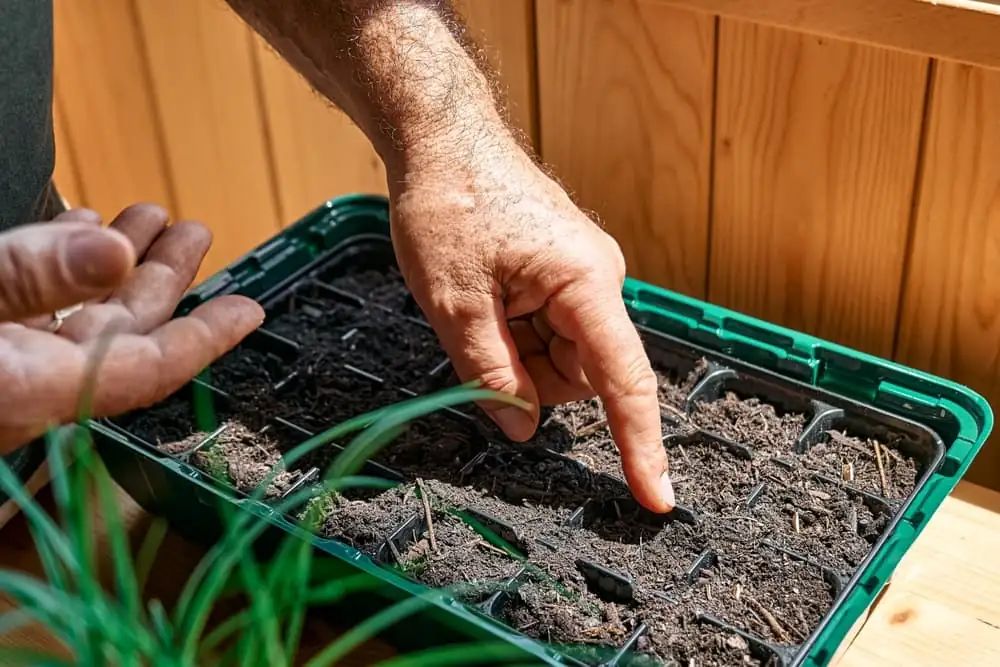
- Most Annual Phlox is grown from seed.
- Start indoors 6–8 weeks before the last frost; sow very shallowly—seeds prefer light to germinate.
- Ideal germination temperature: 15–20°C (59–68°F).
- Transplant after frost into well-drained soil; in containers, don’t overcrowd.
- For pollinator plots, stagger plantings to keep nectar available longer.
Design sparks to try
- Cottage chorus: Mix with larkspur, nigella, and feverfew for an old-world meadow in miniature.
- Pollinator runway: Edge beds with low-growing selections of Annual Phlox where bees and butterflies can easily land.
- Sunset sweep: Combine coral, soft orange, and white bicolors with tawny ornamental grasses.
- Balcony blaze: Pack a window box with compact phlox, trailing thyme, and silver helichrysum for months of color.
- Snip for the table: Taller selections make charming cut flowers with a gentle scent—harvest in the cool of morning for best vase life.
Quick FAQ
- Is annual phlox suitable for beginners?
- Absolutely. Give it sun, drainage, and regular deadheading, and it rewards you with color for months.
- Why are my leaves turning yellow?
- Most often: waterlogged soil or too little light. Improve drainage, let the top layer dry slightly between waterings, and aim for 6–8 hours of sun.
- How do I get more flowers and a longer bloom season?
- Full sun, frequent deadheading, go easy on nitrogen once buds form, and keep moisture consistent.
- How can I prevent powdery mildew?
- Space plants well, water at the base, avoid wetting leaves late in the day, and remove heavily infected foliage.
Little extras and legends
- The April full moon is nicknamed the Pink Moon—many say in honor of wild phlox coloring spring fields.
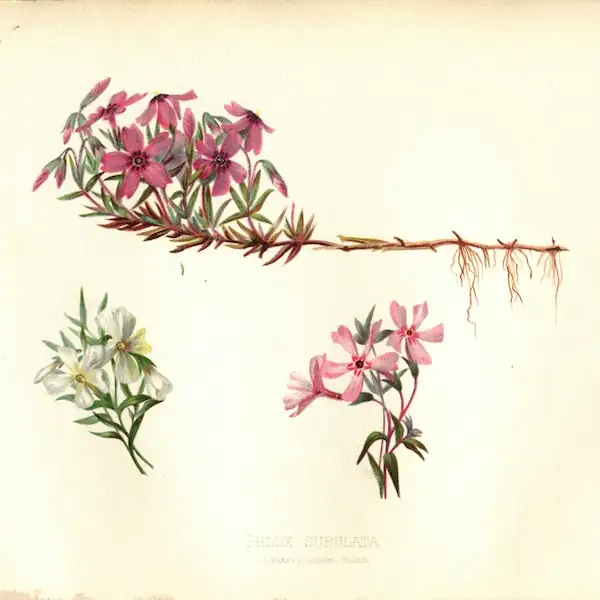
- There are more than 60 Phlox species, most native to North America. While Phlox drummondii is typically grown as an annual, the genus also includes hardy perennials like garden phlox (Phlox paniculata) and creeping phlox (Phlox subulata).
Treat Phlox drummondii as a spark: small, bright, and contagious in the best way. Give it sun and air, keep the blooms clipped, and watch that Texas flame spread—from your beds and borders to the bees and butterflies that make a garden feel alive.


