

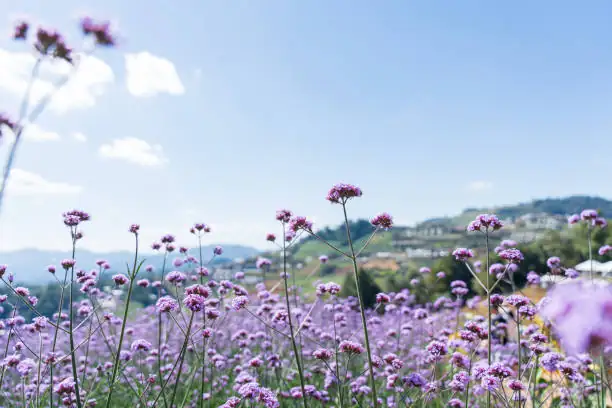
Picture a dusty road at the edge of a Roman town. A breeze lifts the feathery tops of a wiry little herb, its pale mauve flowers no bigger than raindrops. Most travelers step past without noticing. Priests do not. Diplomats do not. Centuries later, neither will monks, nor hedge‑witches, nor gardeners with a taste for the quietly extraordinary. The plant is Verbena officinalis—Common Vervain—and its story begins on the margins and ends, quite naturally, back at the edges again.
From “Tears of Isis” to Jupiter’s altar
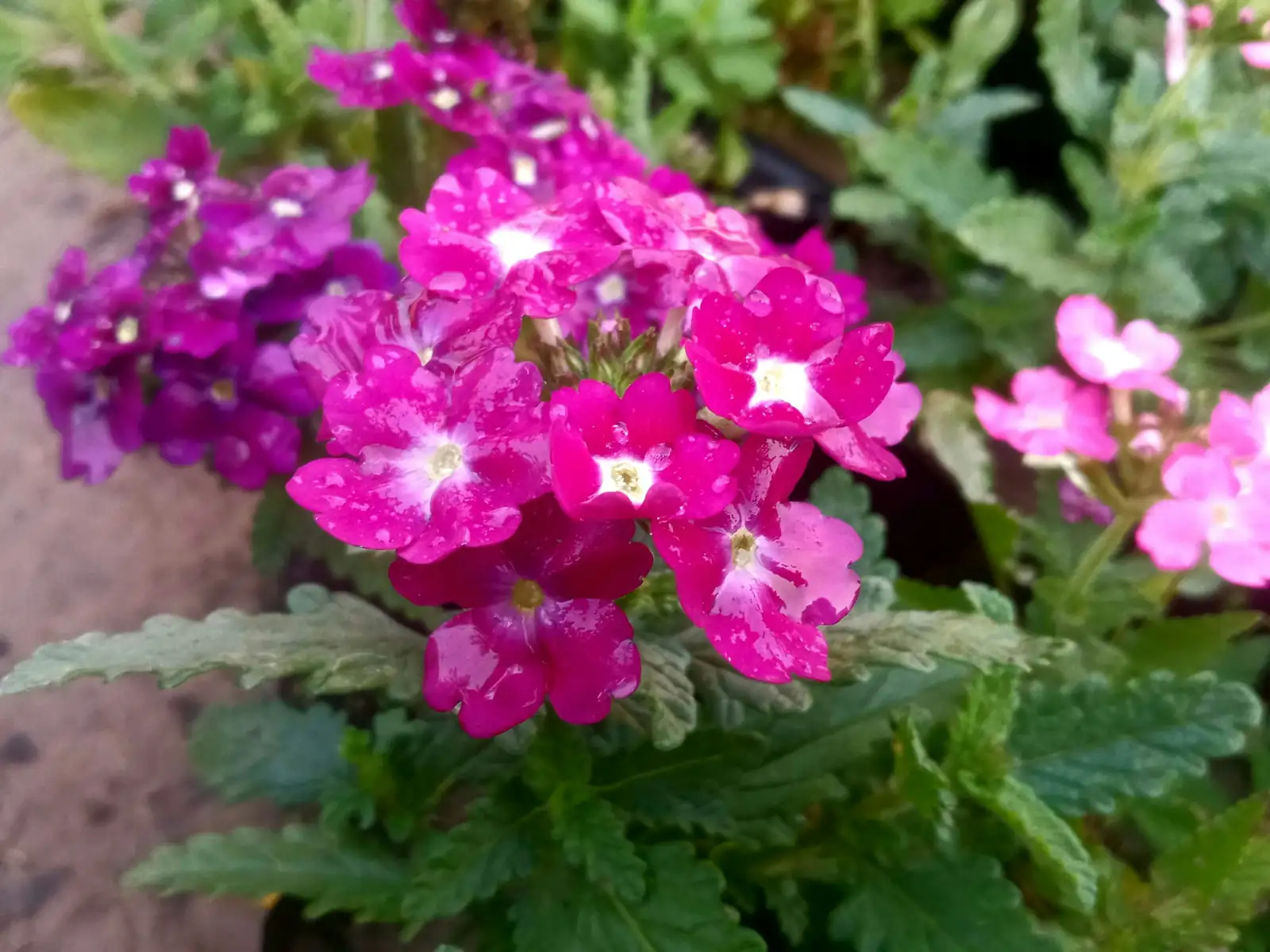
- In ancient Egypt, vervain was said to spring from the “Tears of Isis,” a sacred explanation for a plant that seemed to arrive precisely where purification and prayer were needed.
- The Romans folded it into civic and divine life. Sacred sprigs—verbenae—swept Jupiter’s altars clean in rites of lustration, and the herb traveled with envoys as a sign of sanctity and safe conduct. Rome also linked the plant with Venus, the language of love mingling with the grammar of ritual purity.
Druid groves, Christian legends, and the medieval imagination
- Among Druids, vervain was prized as one of the sacred herbs. Gathered with ceremony, it guarded boundaries both physical and unseen.
- As Christianity spread through Europe, stories followed. One legend says vervain helped staunch the wounds of Christ after the Crucifixion—hence names like Holy Herb and Herb of the Cross. Medieval Europeans hung it by doors to keep misfortune out; charmers paired it with dill—“Vervain and dill hinder witches from their will”—and Italian folk amulets sometimes bore its tiny, starry blooms.
- Across languages, the reverence shows up in names: in German, Eisenkraut—“iron herb”—speaks to steadfastness; elsewhere, it’s been called Simpler’s Joy, Wild Hyssop, and more.
How vervain walked the world
Native to Europe, Common Vervain slipped easily into human company. It traveled with seeds stuck to cartwheels and with monks’ satchels of medicinals, and later with colonists who recognized a familiar ally. It is now widely naturalized outside its native range, including North America, and pops up in temperate to tropical regions worldwide.
Where did it make its home? Exactly where it always has—on the edges.
The edges it loves
- Sun-bright borders and meadow margins
- Dry ditches, roadsides, and rough banks
- Stream edges and woodland fringes where light filters in
- Hillsides, rock gardens, limey or rubble-strewn soil where drainage is sharp
Give it full sun (6–8 hours), a free-draining substrate—often happiest with a bit of lime—and it rewards you with weeks upon weeks of bloom.
Meet the plant behind the legend
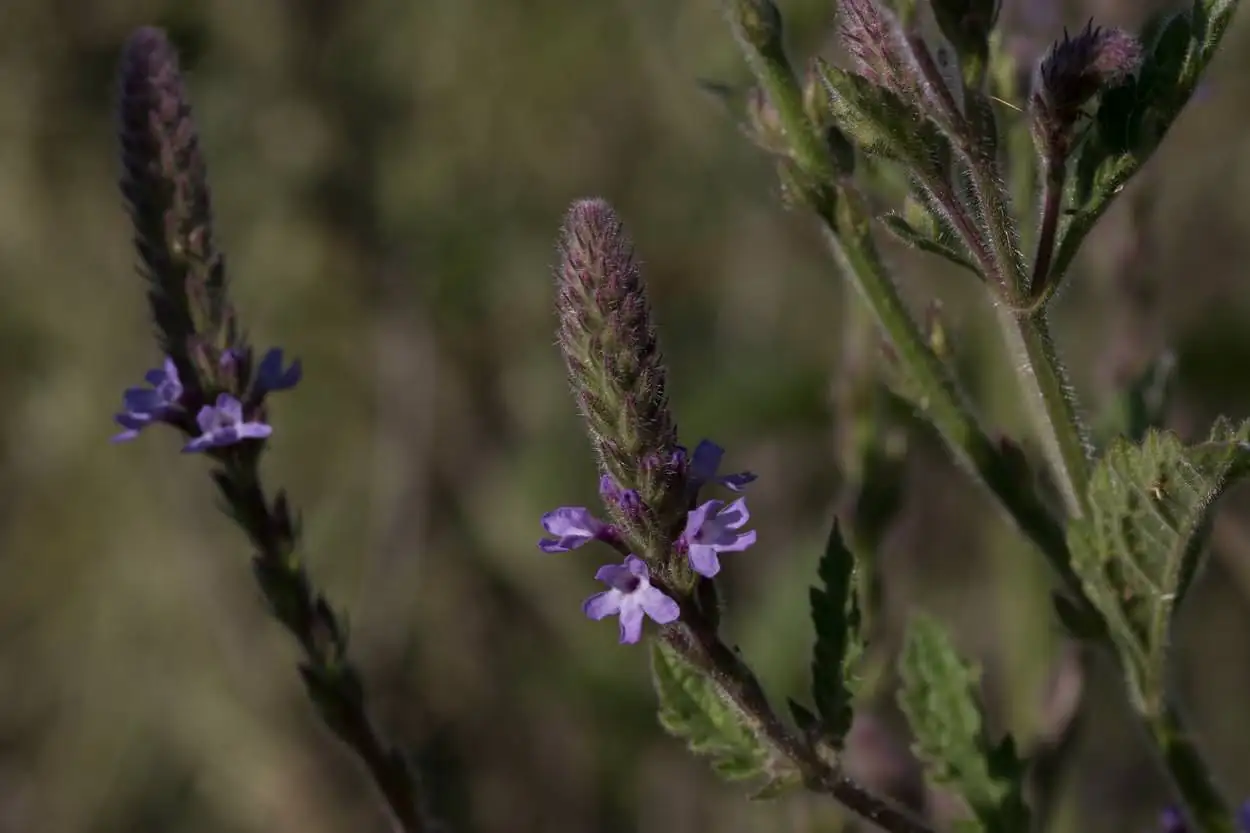
- Habit and height: An upright, airy perennial herb typically to about 70 cm in gardens, but ranging 30–120 cm.
- Stems and leaves: Square stems (mint‑like to the eye, though vervain isn’t a mint) carry dark green leaves that are toothed and often 3‑lobed along the stems; basal leaves are coarsely toothed and notched. Leaf surfaces can feel a little rough from stiff hairs.
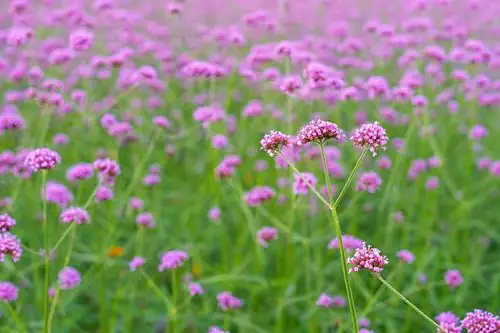
- Flowers: Slender spikes, both at the tips and from leaf axils, are peppered with small two‑lipped blooms, usually mauve to blue‑purple, 4–8 mm long. They open from late spring into early fall, peaking in summer—a soft, continual shimmer that bees and butterflies notice even when we don’t.
- Growth rhythm: A self‑possessed, meadowy plant that may self‑seed when content and often behaves as a short‑lived perennial (2–3 years) in gardens.
In today’s gardens: from altar piece to border essential
Common Vervain threads the needle between “wild” and “composed.” It lifts grasses and cottage perennials without crowding them, and its gentle color blends with nearly everything. Pollinators adore it. Gardeners who like a naturalistic look rely on it to stitch beds together, drifting through yarrow, salvias, scabious, knautia, and ornamental grasses.
How to grow it well
- Sunlight: Full sun is best for sturdy growth and maximum bloom; partial shade is tolerable with lighter flowering.
- Soil: Adaptable but happiest in well‑drained, moderately fertile soil; thrives in slightly acidic to neutral pH (about 5.8–7.2) and often does well on limey ground. Avoid winter‑wet spots.
- Water: Keep evenly moist while establishing. Thereafter, about 0.5–1 inch (1.3–2.5 cm) per week in the growing season is usually enough. Let the top layer dry slightly between waterings.
- Feeding: Not a heavy feeder. A light spring dressing of compost or a balanced slow‑release fertilizer (optionally again mid‑summer) is plenty.
- Pruning: Deadhead spent spikes to keep the show going. If plants get lanky, shear lightly once or twice in the season. Cut back by about one‑third in late winter or early spring to freshen growth.
- Hardiness and climate: Often cited across USDA Zones 4–11, but most reliable as a returning perennial in warmer temperate zones (roughly 7–10). In cold or very wet winters, treat as short‑lived or rely on self‑sown seedlings.
- Propagation:
- Seed: Sow in spring after last frost, or start indoors 8–10 weeks earlier.
- Cuttings: Take 4–6 inch (10–15 cm) softwood cuttings in late spring/early summer.
- Division: Split mature clumps in early spring or fall.
- Containers: Perfectly doable—use a pot with excellent drainage and monitor moisture more closely in summer.
A simple calendar of care
- Spring: Plant out after frost, sow seed, take early cuttings; give a light feed or compost.
- Summer: Peak bloom—deadhead, water during dry spells, mind airflow to prevent mildew.
- Fall: Collect seed; divide established clumps if needed.
- Winter: Cut back dead growth; mulch lightly in colder or soggy areas to protect crowns.
Folklore, flower language, and meaning today
In the language of flowers, vervain carries layered messages shaped by centuries of sacred and protective use:
- Peace and protection: Echoes of altar‑sweeping and threshold charms.
- Loyalty, trust, and justice: Qualities invoked in rituals and oaths.
- Victorian sentiments: “Pray for me” and “You have bewitched me.” The first hints at intercession and spiritual aid; the second nods to old magic and enthrallment.
Flower language thrived in an era that loved hidden messages. Vervain’s meanings didn’t arise from petal color alone but from ritual history: a modest plant pressed into service whenever people asked for purity, safety, or a touch of the numinous.
Safety notes and common hiccups
- Pests and diseases: Generally tough. Watch for aphids, spider mites, whiteflies, thrips, scale, and leafminers. In still, humid air, powdery mildew or botrytis can appear—improve spacing and avoid wetting foliage late in the day. Root rot is the enemy of poor drainage.
- Toxicity: Ornamentally low‑risk, but approach medicinal use with care. Traditional internal use is widespread; typically it’s advised to avoid during pregnancy (historically associated with uterine stimulation). Pet sensitivity varies within the broader “verbena” group—discourage chewing and consult a vet if ingestion occurs.
Field notes: look closely and you’ll know it
- Square stems with sparse, coarse hairs; roughish leaves with irregular teeth and, on upper stems, often three lobes.
- Slender, many‑inch spikes dotted with tiny mauve to blue‑purple flowers from late spring to fall—more a constellation than a solid plume.
- Not to be confused with lemon verbena (a different species entirely with scented, lanceolate leaves) or with the North American blue vervain (Verbena hastata). Common Vervain has gathered many aliases over time—including, in some traditions, “Blue Vervain”—which is part of why old herbals can be confusing.
Quick FAQ
- Is Common Vervain annual or perennial?
- A perennial herb that may behave like an annual or short‑lived perennial in colder climates. Many gardeners find plants last about 2–3 years, with self‑seeding bridging the gaps.
- Does it come back every year?
- In mild regions, yes, often from the base. In colder or wetter‑winter areas, it may not overwinter reliably but can reseed.
- How much sun does it need?
- Aim for 6–8 hours of direct sun for best bloom; partial shade reduces flowering.
- Is it drought‑tolerant?
- Once established, it handles short dry spells well. Water during extended droughts to keep flowers coming.
- Can I grow it in a pot?
- Absolutely. Use a well‑draining mix and a pot with drainage holes; check moisture more often in hot weather.
A last look from the edges
Vervain’s story is a rare loop: a plant born to borders—roadsides, streambanks, thresholds—rose to altars and amulets, then returned, centuries later, to the garden’s edge where it always belonged. Plant it where sun meets shade and path meets bed. Give it the lean, well‑drained ground it loves. Then watch as a quiet herb, once swept across Jupiter’s table and lifted as Holy Herb, draws bees from the air and a little old magic from the margins.
Fun to know:
- The name Verbena traces back to the Roman word for sacred sprigs used in ceremonies.
- In several Central and Eastern European languages, vervain is linked with iron—hence Eisenkraut, the “iron herb.”
- Its stems may look mint‑like, but Common Vervain is in the Verbenaceae, not the mint family.


