

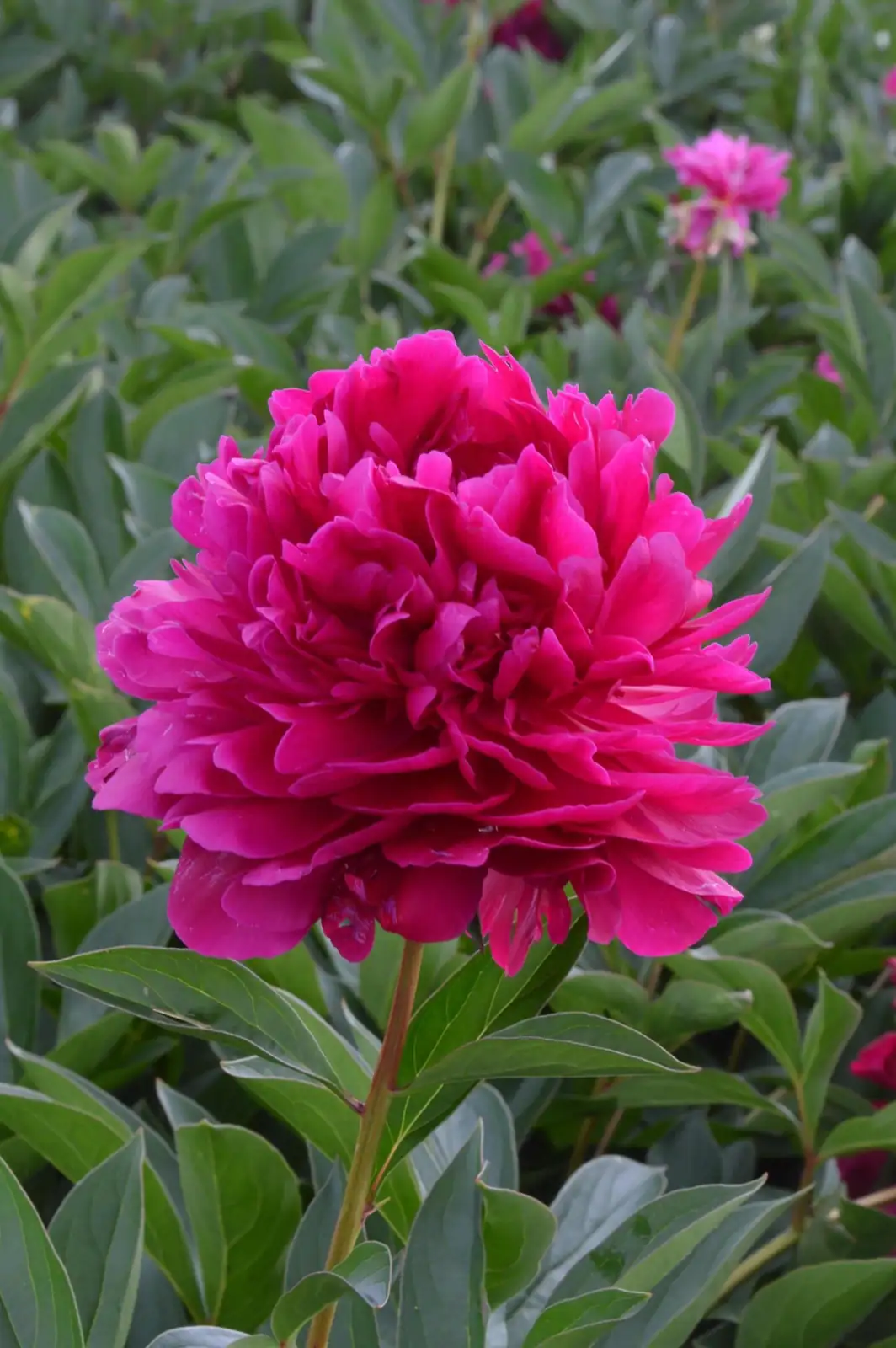
Imagine a tight, pearl-pink bud riding out the spring winds of the Asian steppe—then, through centuries of human fascination, stepping into silk-robed imperial courts, parading across Parisian breeding beds, and finally headlining today’s chic wedding bouquets. That bud is Paeonia lactiflora—the Chinese Peony—an herbaceous perennial whose story spans wild landscapes and royal taste, craft and commerce, scent and symbolism.
From the steppe, with scent: wild roots and early reverence
Long before it became the darling of weddings and Instagram, Paeonia lactiflora roamed the open spaces of Northwest China, Mongolia, and eastern Siberia. Out there, it learned to store energy in fleshy roots, sleep through fierce winters, and surge back as days warmed—habits it still keeps in gardens worldwide.
By the time scholars, artisans, and gardeners of imperial China embraced it, this species had acquired a reputation both useful and poetic. Petals perfumed sweet rice porridge and fritter-like cakes in historical recipes. In traditional herbal practice, the root—especially in “white peony root” preparations—earned a lasting place. In the cultural imagination, the tree peony was “the King of Flowers,” while the herbaceous Chinese peony (P. lactiflora) often took on the role of “Minister of Flowers,” admired for grace, fragrance, and composure.
From courtly borders to Parisian mania: the double-flower revolution
P. lactiflora traveled to Europe by the mid-18th century, but its true superstar turn began in the 19th, when French breeders—part botanist, part stylist—pursued ever fuller, more fragrant blooms. They refined double forms in an astonishing palette of whites, blushes, and rich pinks, selecting strong stems and luminous petals fit for salons and show benches.
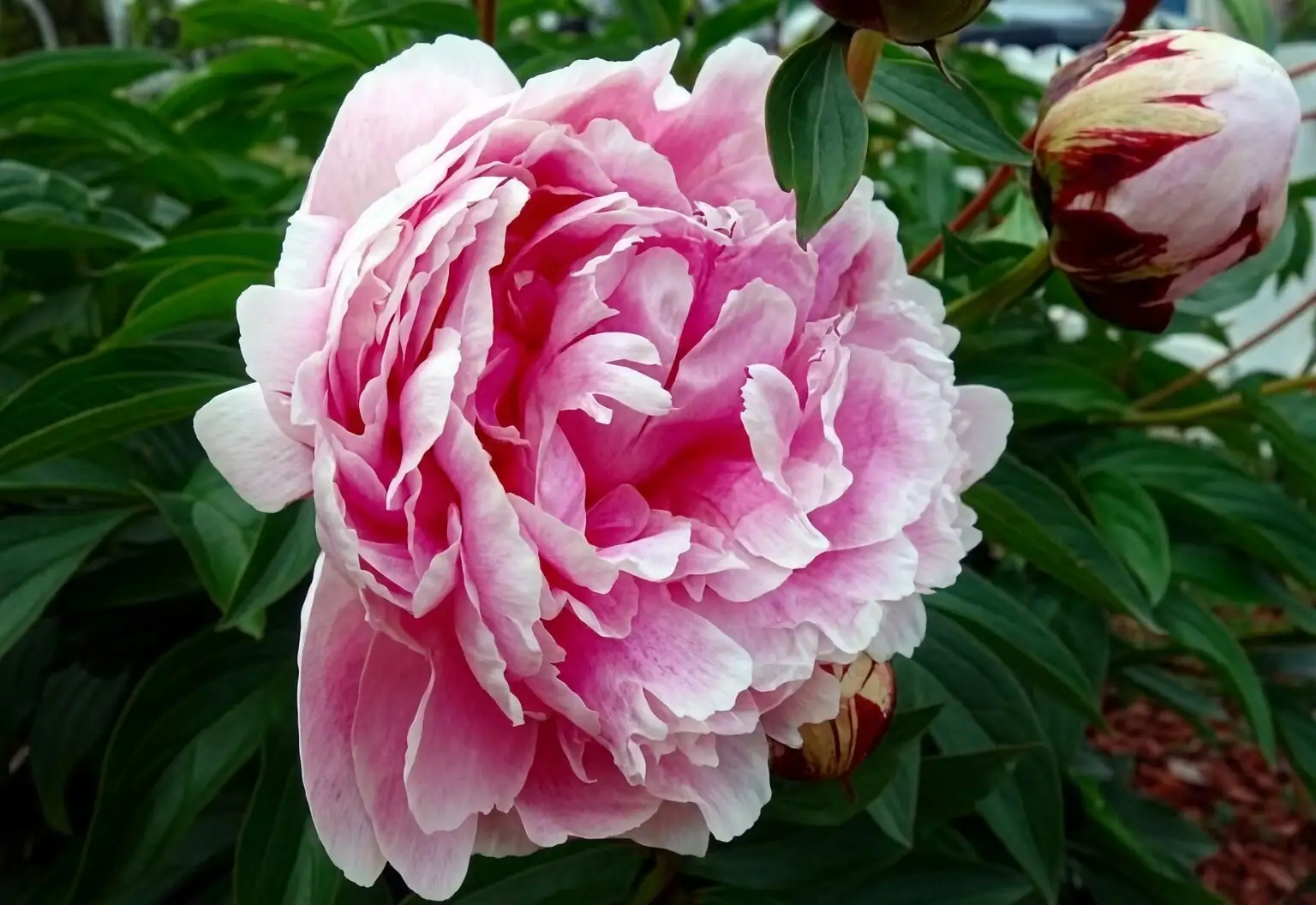
- Names that still ring out: ‘Duchesse de Nemours’ (1856), ‘Festiva Maxima’ (1851), ‘Monsieur Jules Elie’ (1888), and ‘Sarah Bernhardt’ (1906).
- Forms spanned single, semi-double, and fully double; doubles in particular became the emblem of “luxury made petal.”
By the early 20th century, cultivars of Paeonia lactiflora had established an aesthetic language—opulence, refinement, and romance—that modern gardeners and florists still speak today.
Today’s star of the cutting bench
If you’ve ever seen a florist’s cooler shimmering with rounded buds like spun sugar, you’ve met P. lactiflora at peak fame. It’s prized because:
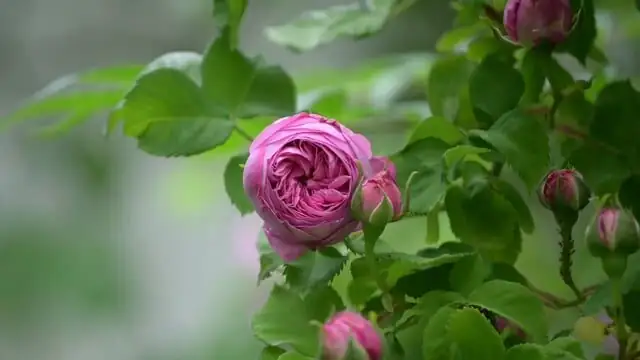
- Buds open reliably, petals hold color, and many cultivars are richly fragrant.
- On well-grown plants, sturdy stems rise above fresh green foliage—ideal for cutting and arranging.
- Properly harvested (buds firm and just showing color), stems provide an elegant, long-lasting show in the vase.
No wonder it anchors the spring-to-early-summer cut-flower calendar.
Meet the plant behind the legend
- Botanical name: Paeonia lactiflora (family Paeoniaceae)
- Also known as: Chinese Peony, Common/Garden Peony; in Chinese: 芍药
- Habit: Upright, clump-forming herbaceous perennial; winter dormant (everything above ground disappears)
- Size: Typically 60–100 cm tall and 60–90 cm wide, depending on cultivar
- Flowers: Large, showy, often fragrant; forms from single to fully double
- Bloom season: Late spring into early/mid-summer (often May–July, climate and cultivar dependent)
- Lifespan: Long-lived—decades in the same spot when sited well
Grow it like a peony whisperer
P. lactiflora isn’t fussy, but it does have standards. Think cool-temperate poise, not tropical drama.
Sun and site
- Full sun is best (6+ hours/day). In hot-summer areas, aim for morning sun with light afternoon shade.
- Choose a bright, open location with good airflow. Crowding + humidity = leaf troubles.
Soil and drainage
- Ideal: deep, fertile, well-drained loam that holds moisture but never turns soggy.
- Absolutely avoid waterlogging—fleshy roots rot in wet, cold soil.
- Plant eyes (buds) level with the soil surface; only slightly deeper in very cold climates to protect from freeze–thaw.
Water and temperature
- Water for “evenly moist, never soggy.”
- Spring: steady moisture as shoots extend and buds form.
- Bloom time: don’t let it dry out; water at the base.
- Autumn: moderate moisture to rebuild reserves; winter: keep on the drier side.
- Best growth around 10–25°C (50–77°F). Prolonged intense heat can reduce vigor and flowering.
Feeding
- Feed 2–3 times during active growth with well-rotted organic fertilizer or diluted organic liquid feed.
- Around bud formation, shift to a bloom-leaning feed higher in phosphorus and potassium.
- During dormancy, you can add a gentle, slow-release organic amendment near—but not on—the crown.
Seasonal rhythm (a quick calendar)
- July: sow fresh seed if propagating; patience required.
- Late summer–autumn: let foliage fuel the roots; maintain moderate moisture.
- Sep–Dec: divide mature clumps if needed.
- Mid-Oct to mid-Feb: prime window for planting/repotting while dormant.
- Spring: full sun, even moisture, excellent drainage.
- Late spring–summer: flowering; water steadily and shield from scorching heat.
- Winter: dormant; mulch/mound in very cold regions; avoid waterlogged soil.
Pruning and show blooms
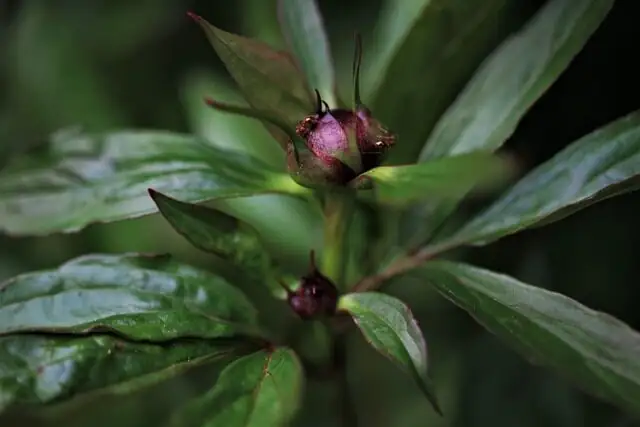
- For exhibition-sized flowers, remove side buds once the main bud is visible—one flower per stem.
- Deadhead after bloom (unless saving seed).
- In late autumn, cut stems to ground level and clear debris.
Propagation
- Division (best): in autumn, lift and split along natural cracks; each division should include 3–5 plump eyes.
- Seed (for the patient): sow fresh in summer; roots form first, shoots the following spring; 4–5 years to first flowers is normal.
Containers
- Use a generous, free-draining mix in a pot at least 20–25 cm in diameter (bigger is better long-term).
- Repot/divide only during dormancy; spring disturbance often delays flowering.
Hardiness and climate notes
- USDA Zones 3–8; may perform in Zone 9 if winter chill is adequate.
- Cool to moderate summers are ideal; in long, hot spells, growth and flowering may wane.
Health: keep it crisp, not clammy
- Watch for fungal leaf spotting and serious basal rots (e.g., southern blight). Prevention: drainage, airflow, clean-up of old stems/leaves, and avoiding wet foliage.
- Occasional aphids or spider mites on tender growth: dislodge with water, manage with horticultural soap/oil as needed.
- Toxicity: Generally low for people and pets, but ingesting plant parts may cause mild stomach upset—discourage nibbling.
Cultivar icons to know
- ‘Festiva Maxima’ (1851): double white with crimson flecks—classic and statuesque.
- ‘Duchesse de Nemours’ (1856): luminous double white, greenish glow in bud.
- ‘Monsieur Jules Elie’ (1888): sumptuous, rose-pink double with fragrance.
- ‘Sarah Bernhardt’ (1906): romantic, soft pink double—arguably the cut-flower queen.
- ‘Bowl of Beauty’: a standout Japanese form—rosy pink guard petals around a creamy, frilled center.
Together they chart the journey from wild elegance to cultivated opulence.
Flower language: why peonies speak of love, honor, and prosperity
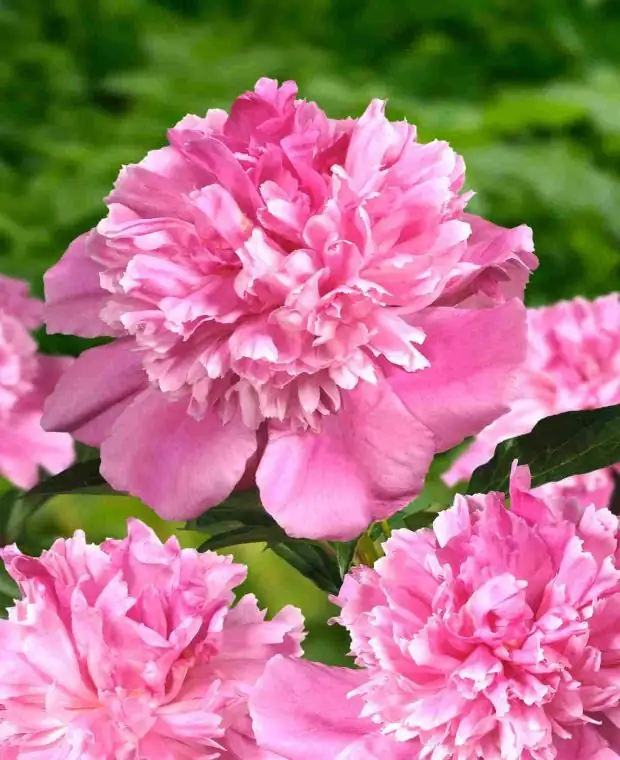
The “language” of flowers isn’t a botany textbook—it’s cultural storytelling. In East Asia, peonies became emblems of honor, prosperity, refined beauty, and a happy marriage, shaped by centuries of court patronage, art, and poetry. The tree peony’s “royal” status and P. lactiflora’s “ministerial” grace together sketched a vision of harmony, rank, and auspicious union. In modern weddings, those meanings—romance, devotion, a flourishing life—echo through every layered petal. The symbolism persists because the plant’s presence matches the promise: stately stems, generous blooms, and fragrance that lingers.
Little secrets for florist-level magic at home
- Harvest window: For longest vase life, cut when buds are firm and just showing color—like a marshmallow that springs back when gently pressed.
- Disbud selectively: One bud per stem gives you larger, more dramatic flowers.
- Chill factor: Adequate winter cold is key to next year’s bloom—don’t smother crowns, but do mulch in frigid zones to buffer freeze–thaw.
A note on tradition and use
- Ornamental: a signature perennial for sunny borders, courtyards, and large containers.
- Cut flower: a top-tier bloom with proven vase performance.
- Culinary tradition: petals have appeared in historical sweets and porridge.
- Traditional medicine: the root (notably in “white peony root” preparations) has a long history—seek qualified guidance rather than self-medicating.
From wind-swept origins to imperial borders to your own cutting garden, Paeonia lactiflora proves that elegance can be both enduring and exuberant. Give it sun, drainage, and a quiet winter—and each spring it will write the next chapter in petals.