

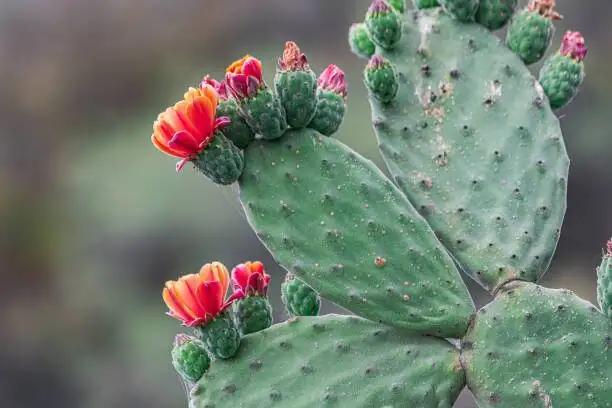
Imagine a plant that throws confetti-colored flowers, stores rain in its bones, and makes a drink the color of a sunset. That’s Opuntia dillenii—the classic prickly pear—starring in tacos, tangy pickles, and magenta-hued aguas frescas. This guide keeps safety front and center: how to identify it, harvest responsibly, remove those nasty glochids, and turn pads and fruit into bright, delicious fare—with nutrition notes and foraging ethics for good measure.
Meet Opuntia dillenii up close
- Family: Cactaceae (the cactus family)
- Also known as: prickly pear, nopal, paddle cactus, opuntia
- Native range: the Americas, with a stronghold in Mexico and Central America; thrives in warm, bright, arid to semi-arid climates
- Growth and look:
- Clumping to shrubby plants in sun-drenched places
- Flat, fleshy, green pads (these are stems, not leaves) marked by regularly spaced areoles—tiny, cushion-like nodes that produce spines, glochids, flowers, and new growth
- Spines vary by plant; even “spineless” types have glochids (tiny, barbed hairs)
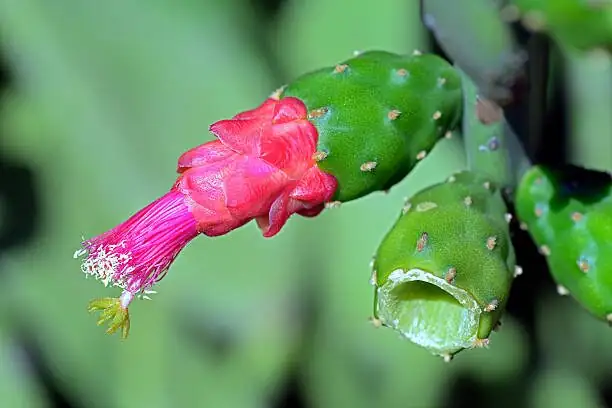
- Flowers: usually spring through summer (often March–July); bowl-shaped, showy, typically yellow with a possible reddish base
- Fruit (“tunas”): oval, ripening to red-purple; juicy, seedy, and intensely magenta inside
Why people love it:
- Resilience and low maintenance in hot, sunny spots
- Edible pads (nopales) and fruits (tunas)
- Architectural beauty with spectacular, short-lived blooms
Identification: confident, careful, and safe
Prickly pears (Opuntia) share certain features; these cues will help you zero in on O. dillenii while avoiding look-alikes.
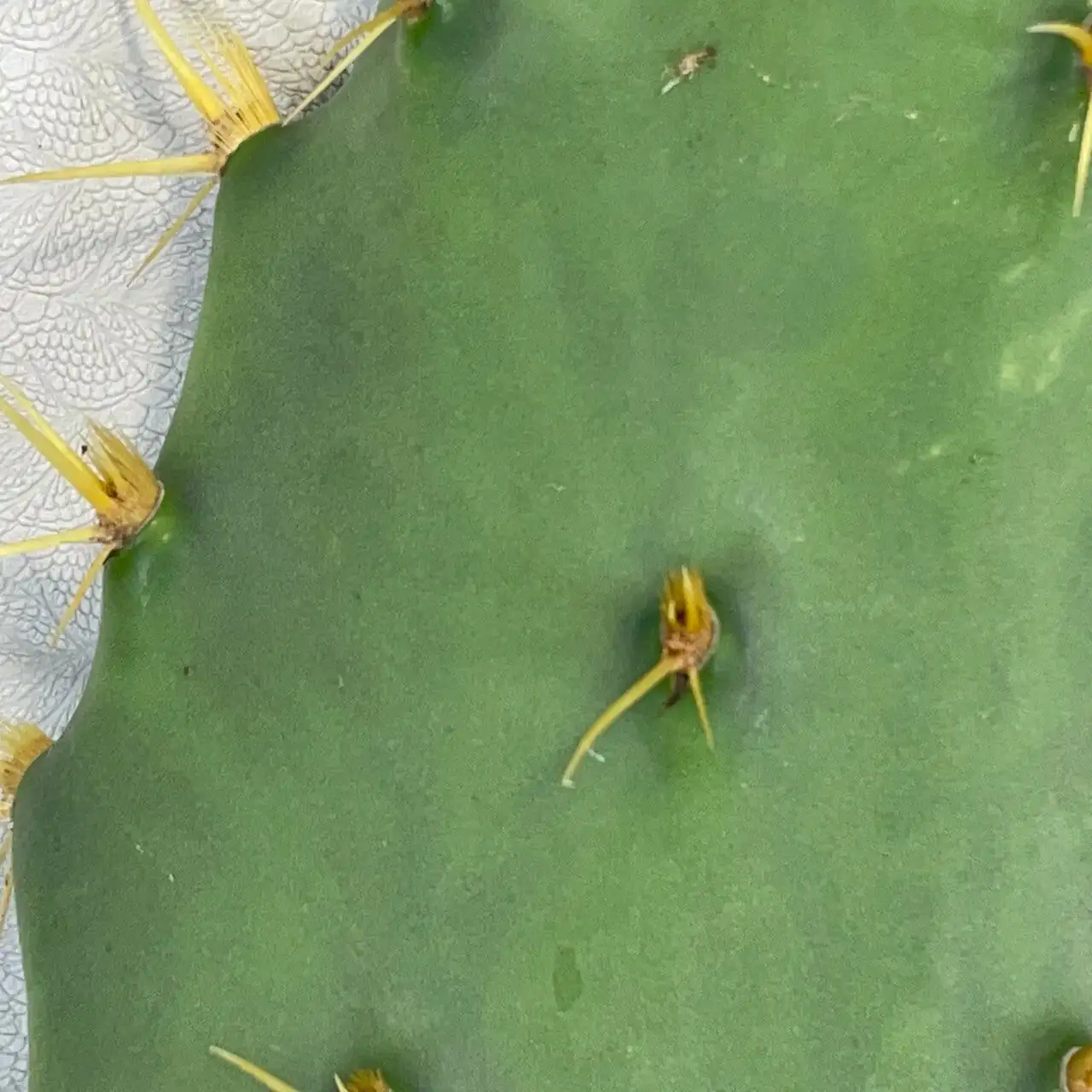
- Pad shape and surface
- Flat, oval to round pads, typically green to glaucous green
- Areoles in neat rows; each areole carries glochids and may have one to several stout spines (especially on the upper pad)
- Flowers and fruit
- Spring–summer blooms, usually bright yellow (sometimes with a reddish eye)
- Fruits ripen red to purple, with magenta flesh and many hard seeds
- Growth habit
- Clumping shrub; in the right climate can form dense thickets
Look-alike check:
- Not a cholla: chollas have cylindrical segments, not flat pads.
- Even “spineless” garden forms can have glochids—treat every Opuntia like it’s armed.
Local note: Characteristics can vary with climate and lineage. If you’re foraging, confirm with a regional flora or knowledgeable local before you harvest and eat.
Safety first: gear and golden rules
Glochids are tiny, barbed, and sneaky. Respect them and your day will go smoothly.
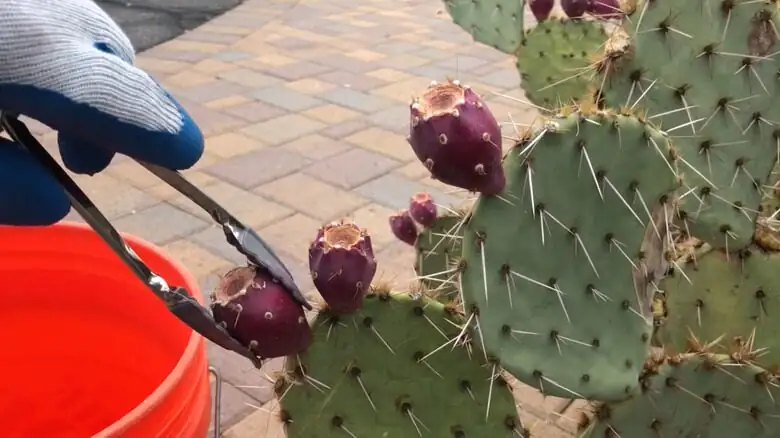
- Essential gear
- Thick leather or rubber-coated gloves
- Long tongs
- Stiff brush or clean cloth
- Sharp knife and/or vegetable peeler
- Cutting board you can sanitize (or one dedicated to cactus)
- Open flame source for fruit (gas burner, torch) if using the flame method
- Containers that glochids can’t poke through (sturdy buckets, boxes, or paper bags)
Golden rules:
- Do not rinse pads or fruits before removing glochids. Water spreads barbs everywhere.
- Handle with tongs from harvest to prep.
- Work outdoors or over newspaper you can fold and discard.
- Keep kids and pets away; place harvested material where spines can’t snag.
Harvesting pads (nopales)
- Best season and size
- Tender, new pads in spring to early summer are the most palatable.
- Choose pads about the size of your hand, still firm and bright green, with ruddy, soft new spines (older pads are woodier and slimier when cooked).
- How much to take
- Take no more than 1 in 4 young pads from a plant; leave enough for the cactus to thrive.
- How to cut
- With tongs, steady the pad near its base.
- Use a sharp knife to slice where the pad joins the parent segment.
- Place directly into a sturdy container or paper bag.
Harvesting fruits (tunas)
- Ripeness cues
- Fully colored deep red–purple (or the ripe color typical for your local plants), slightly soft to gentle pressure.
- Fruits won’t sweeten further after picking, so harvest ripe.
- How to detach
- Use tongs to gently twist; the fruit usually pops free.
- Collect into a container that glochids can’t penetrate. Paper bags work well.
De-glochiding, step by step
Choose one of these proven methods. Work methodically and keep those gloves on.
For pads
1) Peel or scrape method (no flame needed)
- Lay the pad flat. With a sharp knife or peeler, shave off the areoles (the small bumps) along with glochids and any spines.
- Trim pad edges to remove glochid-heavy rim.
- Only after all visible areoles and spines are shaved away, rinse under running water and rub with a brush or cloth.
- Pat dry and slice into strips or dice.
2) Edge-trim + rind-peel (for very spiny pads)
- Trim the rim all around.
- Make a shallow slit to lift the outer skin; peel it away in sections to expose smooth green flesh.
- Rinse thoroughly when done.
For fruits
1) Flame-off method
- Hold with tongs and pass the fruit over a gas burner or torch until glochids sizzle away and no new sparks appear.
- Set on a board, cut off both ends, then make a lengthwise slit (“I” cut). Slide off the skin to reveal the seed-studded pulp.
2) Peel without flame
- Wearing gloves, slice off ends and make the slit; roll the peel back carefully. Rinse the peeled fruit if desired.
3) For juice only (seed and peel free)
- Freeze whole fruits overnight. Thaw in a cloth-lined colander over a bowl; the juice drips through, leaving skins, seeds, and glochids behind on the cloth.
- Or use a steam juicer to extract brilliantly colored juice without handling the pulp.
Tip: After prepping, wipe down your surface and tools carefully. Fold and discard any paper or cloth that contacted glochids.
Into the kitchen: salsas, pickles, and magenta drinks
Bright Nopal Salsa Verde (serves ~4)
- Ingredients
- 2 cups diced, de-glochided nopal pads
- 1 small white onion, finely chopped
- 1–2 jalapeños or serranos, minced (seeded for milder heat)
- 2 cloves garlic, minced
- 1 cup chopped cilantro
- Juice of 1–2 limes
- Salt to taste
- Method
- Blanch nopales 2–3 minutes in boiling salted water, then drain and rinse to mellow their natural mucilage.
- Toss with onion, chiles, garlic, cilantro, and lime. Salt to taste.
- Rest 15 minutes; serve with chips or spooned over grilled fish, beans, or eggs.
Quick Tangy Nopal Pickles (refrigerator, not canned)
- Ingredients
- 3 cups blanched nopal strips (see above)
- 1 cup carrot coins and 1 cup onion wedges (optional)
- 2 cups white vinegar + 1 cup water
- 2 teaspoons kosher salt + 2 teaspoons sugar
- 2 cloves garlic, lightly crushed
- 1 teaspoon dried oregano
- 1–2 bay leaves; a few black peppercorns
- Method
- Pack nopales and vegetables into a clean jar.
- Bring vinegar, water, salt, sugar, and spices to a boil. Pour hot brine over contents to cover.
- Cool, cap, and refrigerate. Ready in 24 hours; keeps about 2–3 weeks chilled.
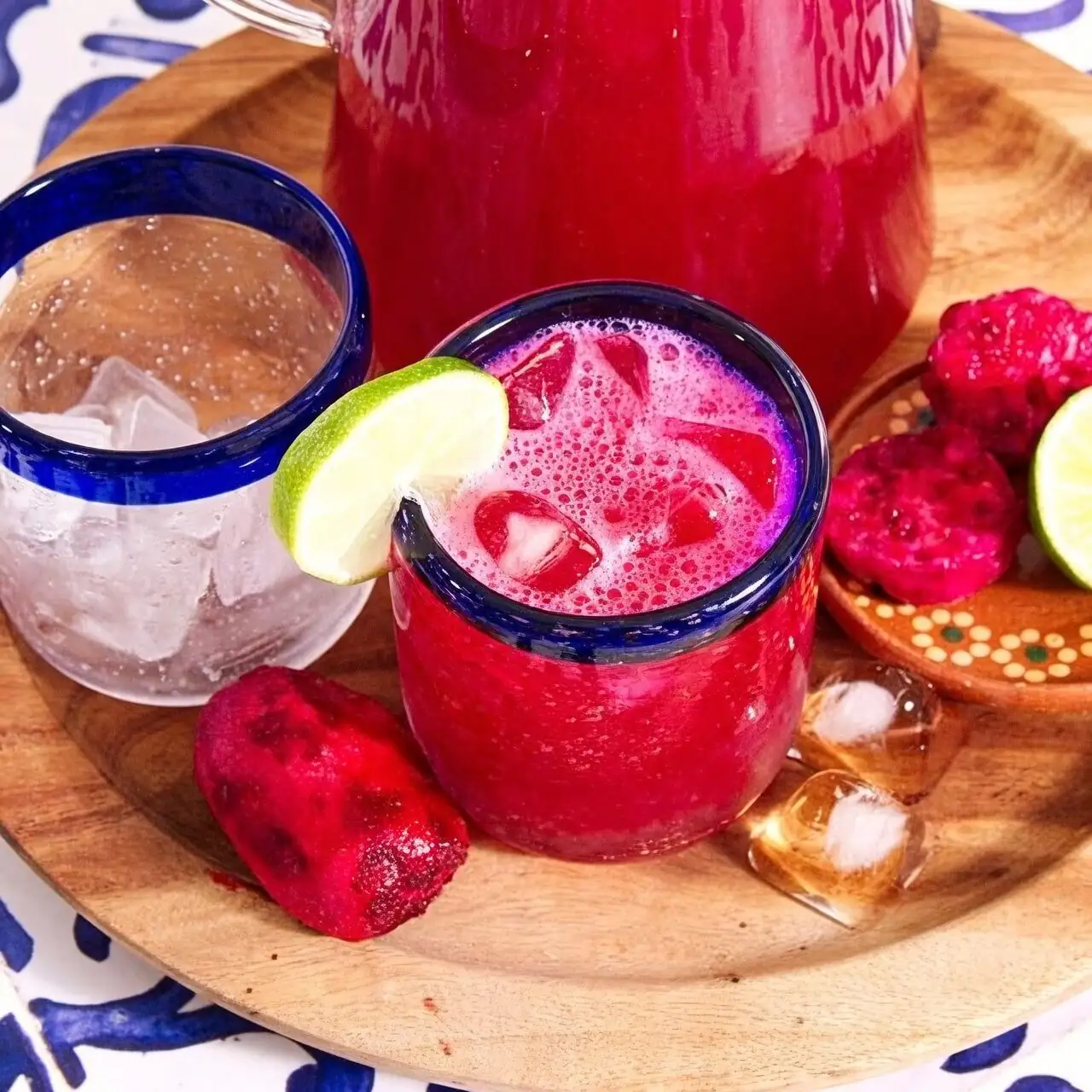
Prickly Pear Agua Fresca (the neon-magenta showstopper)
- Ingredients
- 2 cups prickly pear juice (from peeled fruit, blended and strained, or from the freeze-drip or steam-juice methods)
- 2–3 cups cold water (to taste)
- 2–4 tablespoons sugar, honey, or agave (to taste)
- Lime juice to brighten, optional
- Method
- Stir juice, water, and sweetener until dissolved. Add lime to taste.
- Chill and serve over ice. For a sorbet, use a sweeter mix and churn.
Bonus: A simple prickly pear syrup (equal parts juice and sugar, warmed to dissolve) keeps a week in the fridge; drizzle on yogurt, pancakes, or swirl into cocktails and mocktails.
Nutrition snapshot
- Nopales (pads)
- Low in calories, high in fiber and water
- Provide vitamin C and small amounts of minerals like magnesium and calcium
- Mucilage (the “slip”) gives body to dishes and may reduce the need for added fats
- Prickly pear fruits
- Naturally sweet; rich in vitamin C
- Vivid pigments (betalains) contribute the shocking magenta color and act as antioxidants
- Kitchen note: Ripe fruits contain hard seeds—strain for drinks and sauces; chew with care if eating whole.
Foraging ethics and legality
- Ask first: Get permission on private land; follow local rules on public lands.
- Harvest lightly: Take a modest share (no more than a quarter of young pads or ripe fruits). Leave flowers and plenty of fruit for wildlife.
- Choose clean sites: Avoid roadsides, industrial edges, and sprayed landscapes. Don’t harvest ornamental plants that may have been treated with systemic pesticides.
- Respect habitat: Don’t trample crusts or fragile soils. Pack out all waste, including glochid-laden peels.
- Mind invasiveness: In some regions, opuntias spread readily. Responsible harvesting can help, but don’t introduce plants to new areas.
Troubleshooting: glochids and other hiccups
- Glochids in skin?
- Use tweezers to remove visible barbs.
- Press a strip of adhesive tape over the area and lift to catch fine hairs.
- Wash with soap and water. If irritation persists, consult a healthcare professional.
- Slimy nopales?
- Brief blanch, rinse, and sauté over higher heat; acidity (lime, vinegar, tomatillo) helps.
- Bitter pads?
- Choose younger pads and trim away edges and areoles thoroughly.
Growing a small kitchen patch (optional)
- Light: Bright, direct sun—at least 4–6 hours daily.
- Soil: Fast-draining, sandy/gritty mix; water with a soak-and-dry rhythm.
- Temperature: Warmth-loving; protect from frost.
- Safety: Place away from walkways and play areas; spines and glochids can injure.
A note on “flower language” and what the cactus symbolizes
While modern “flower language” charts are a Victorian pastime, the symbolism of cacti draws from deeper, older stories and lived experience across the Americas. With water-storing stems and armor of spines, cacti embody resilience and endurance—quiet proof that life can flourish in hard places. Their sudden, spectacular blooms and sweet fruits add a layer of paradox: protection and generosity in one plant. It’s a fitting emblem for steadfast love and support that doesn’t boast, but shows up when needed most.
—
Handled carefully, Opuntia dillenii is a generous kitchen companion: fresh, lemony-green nopales for salsas and pickles; candy-bright tunas for drinks and syrups. Respect the spines, embrace the season, and you’ll be rewarded with flavor and color that sing of sun and desert rain.