
Few stems command attention like Red Hot Poker (Kniphofia uvaria). Those glowing, torch‑like spikes are graphic, architectural, and effortlessly modern—like neon exclamation points in a vase. If you love bold color and clean lines, this is your line flower. Here’s how to harvest, condition, and style it so every spike burns bright, not fast.
Meet the Stem: Why Kniphofia Works So Well in Arrangements
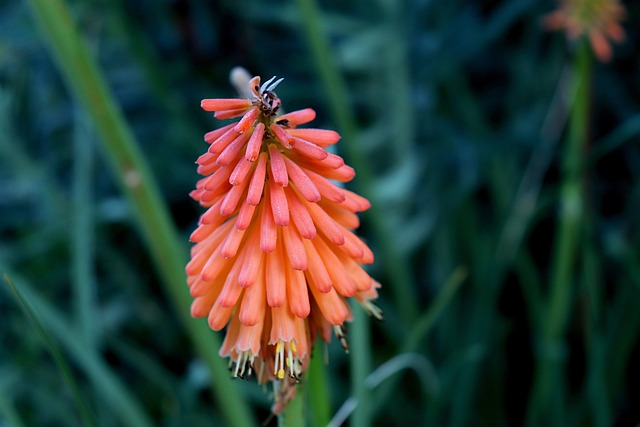
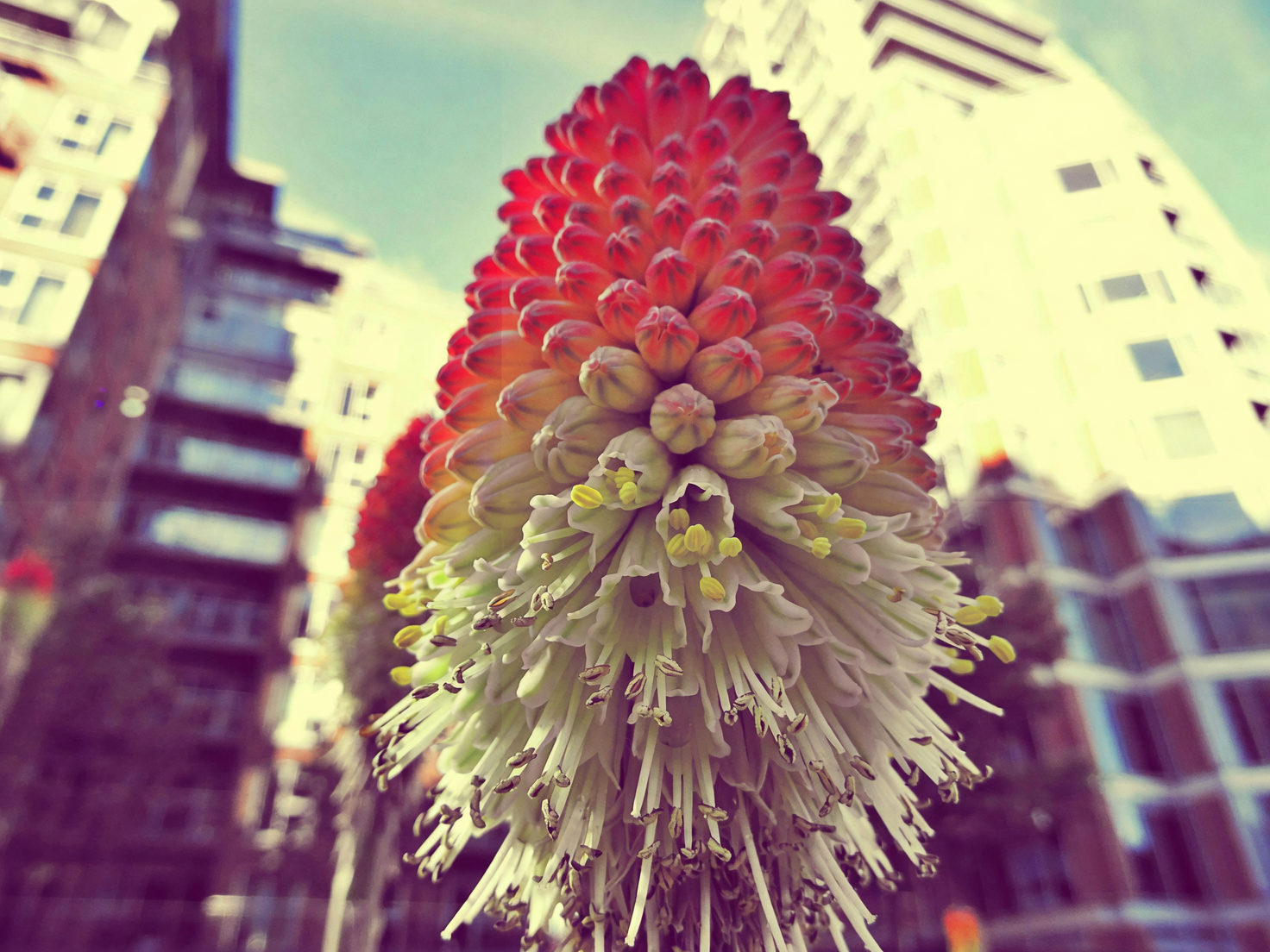
- Torch‑like inflorescences: Dense clusters of tubular florets open from the bottom upward, creating a natural ombré of red, orange, apricot, yellow, or cream on a single spike.
- Strong, vertical line: Tall, leafless scapes deliver instant height and structure.
- Steady opening: Buds continue to open in water, so the look evolves elegantly through the week.
- Realistic vase life: Expect about 5–7 days when cut at the right stage and conditioned well.
The Perfect Harvest Moment
Timing is everything with Red Hot Poker. You’re aiming for a balance of presence now and promise later.

- Ideal stage: Harvest when the lower ring to bottom third of florets is open. At this point:
- The color gradient is already eye‑catching.
- Upper buds will continue to open in the vase, extending the show.
- Time of day: Early morning, when stems are fully hydrated and cool.
- What to select:
- Firm, upright scapes with no kinks.
- Lower florets fresh (not mushy or shedding).
- Avoid spikes that are already tired at the base—those won’t hold.
Pro tip: If you’re creating designs for an event 2–3 days out, cut slightly earlier (just the first ring opening). For same‑day work, the bottom third open gives instant impact.
Clean Cuts, Stripping, and Field Handling
- Tools: Use sharp, sanitized snips. Clean buckets beforehand.
- Cut length: Take a long cut low on the scape, but leave enough foliage on the plant to keep it vigorous.
- Foliage stripping: Kniphofia scapes are naturally leafless—easy win. Just ensure no florets sit below the waterline.
- Immediate dip: Get stems into cool, clean water right away (carry a bucket to the bed).
- Transport: Keep upright and loosely paper‑sleeved to prevent abrasion and to protect opening buds.
Conditioning and Hydration: Lock In That Week of Vase Life
- Recut: Remove 1–2 cm from the base at a 45° angle and place straight into fresh water.
- Water and preservative:
- Use a commercial floral preservative. It nourishes buds, acidifies water, and slows bacterial growth.
- Skip home hacks like aspirin, soda, or pennies—these can shorten vase life.
- Temperature and rest:
- Hydrate for 2–4 hours in a cool, dim space out of drafts and direct sun.
- Short‑term cool storage is fine; keep above freezing and away from ripening fruit (ethylene exposure ages many cut flowers).
- Daily care:
- Change water daily (or top up and refresh every other day if using preservative).
- Gently remove spent lower florets as they die back to keep the spike crisp.
- Keep arrangements away from heat sources and bright windows.
Expected performance: With good hygiene and preservative, well‑timed stems offer 5–7 days of strong color, with the look subtly shifting as buds open up the spike.
Designer’s Playbook: Bold, Modern Styling
Kniphofia is a natural line flower. Use its height and ombré to set the palette, then build supporting players around it.
Mechanics That Make It Easy
- Vessels: Tall cylinders, architectural ceramics, or metal vases emphasize the line. For low, modern pieces, anchor with a pin frog or chicken wire.
- Grids: Tape grids or reusable armatures add control without foam.
- Proportions: Aim for stems 1.5–2× the vessel height. Stagger spikes to create rhythm and negative space.
Complementary Stems for a Graphic, Contemporary Look
- Cool contrast (electric and refined)
- Eryngium (sea holly) for steel‑blue spikes and texture
- Delphinium or Agapanthus for cool verticals and spheres
- Eucalyptus (gunnii or parvifolia) for silvery drape
- Sculptural neutrals (gallery‑ready minimalism)
- Calla lilies (white or near‑black) for sleek curves
- Anthurium (white, blush, or chartreuse) for glossy planes
- Monstera or Aspidistra leaves for bold foliage architecture
- Textural edge (tactile and modern)
- Leucadendron (greens or burgundies)
- Nigella or Scabiosa pods for sculptural seedheads
- Craspedia (billy balls) for geometric pops
- Heat on heat (sunset spectrum that sings)
- Crocosmia (graphic arcs in red/orange)
- Achillea (yarrow) in warm ochres and mustard
- Sedum ‘Autumn Joy’ for chunky, modern mass
- Smoke and shadow (mood with glow)
- Cotinus (smoke bush) plumes and purple foliage
- Dark foliage like Pittosporum ‘Tom Thumb’ or burgundy beech cuts
Color note: Use kniphofia’s natural gradient to bridge palettes—pair an orange‑to‑yellow spike with cool blues, or let a coral‑apricot stem warm up an otherwise neutral composition.
Quick Arrangement Recipes
- Neon Sunset Cylinder (tall, statement)
- 5 Kniphofia uvaria (bottom third open)
- 3 Eryngium ‘Questa’ or ‘Big Blue’
- 5 seeded eucalyptus
- 3 Craspedia
- Build a light eucalyptus framework, nestle eryngium to the side, then staircase kniphofia spikes. Dot craspedia high and low for punch.
- Smoky Citrus Mantel (low, modern mass)
- Pin frog in a shallow bowl
- 7 kniphofia (first ring to 1/4 open)
- 5 Cotinus plumes
- 7 Sedum ‘Autumn Joy’
- Anchor with sedum at low angles; tuck smoke bush for haze; insert kniphofia as angled lines, letting two lean forward and one upright for rhythm.
- Minimalist Monochrome (gallery look)
- 3 tall kniphofia in one hue range
- 1 large monstera leaf
- Clear cylinder
- Create negative space: one spike tall, one mid, one low; leaf placed asymmetrically for counterbalance.
Grooming and Day-Of Tips
- Shattering lower florets? That’s normal as they age. Gently pinch off spent rings daily to keep the spike clean.
- Slight droop after transport? Recut and pulse in tepid water with preservative for 30–60 minutes in a cool space.
- Cloudy water? Increase hygiene: cleaner buckets, daily water changes, and ensure nothing (even a single floret) is below the waterline.
From Garden to Vase: Grower Notes for Better Stems
- Sun and soil: Full sun with excellent drainage is non‑negotiable for strong spikes.
- Watering rhythm: Steady moisture in the growing season produces fuller, longer flower spikes; avoid soggy crowns.
- Deadhead: Remove spent spikes promptly—this both tidies plants and can encourage rebloom in repeat‑flowering varieties.
- Dividing clumps: Every few years boosts vigor and stem quality.
Safety and Handling
- Generally considered non‑toxic to people and pets. As with any ornamental, discourage nibbling and keep stems out of reach of curious chewers.
Symbolism and Story: The Language of a Torch
Red Hot Poker often symbolizes passion, strength, and confidence—fitting for a plant that looks like a lit torch. Traditional European floriography didn’t widely codify kniphofia, so today’s “flower language” here is more contemporary: the stem’s vertical stance reads as assurance; its fiery gradient evokes energy and protection. In some folklore, flame‑colored blooms were thought to ward off negativity—carry that idea into your designs when you want arrangements that feel powerful and protective, not just pretty.
—
With the right harvest stage, clean conditioning, and a few smart pairings, Kniphofia uvaria becomes the anchor of bold, modern work—graphic line, evolving color, and a week of presence that never blends into the background. Let those torches blaze.