

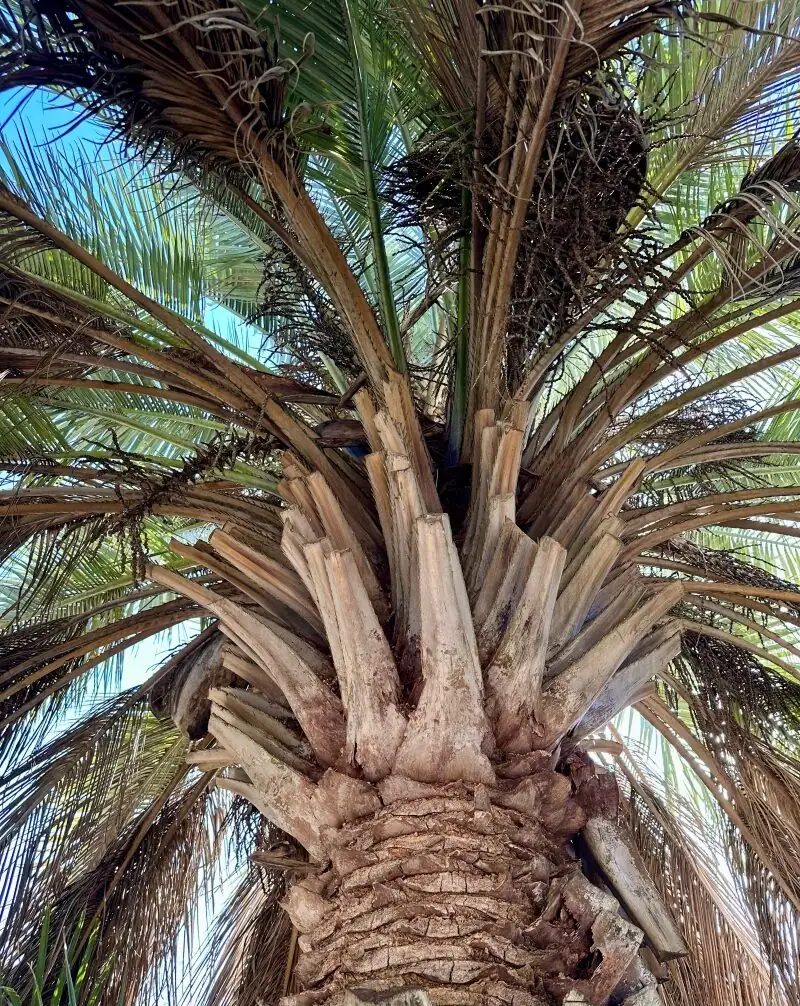
If a palm could smell like sunshine, it would be Butia odorata. Blue‑green fronds pour from a stout, patterned trunk like a fountain, airy and architectural by day, perfumed with creamy summer flowers and honeyed fruit by night. Known to beach towns and botanists alike as the pindo palm, jelly palm, or wine palm, its story arcs from the breezy coasts of southern Brazil and Uruguay to the promenades of the French Riviera—and into a taxonomic plot twist worthy of a Riviera novel.
Where the story begins: dunes, wind, and sweet fruit
On the south Atlantic shores of Brazil and Uruguay, Butia odorata stands as a coastal original. Think sandy soils, ocean light, and onshore winds—the kind of landscape that sculpts plants into silhouettes. Here, the palm’s fronds take on a distinctive blue‑green to silvery tone, its crown broad and graceful, often spreading as wide as it is tall. Summer brings sprays of creamy blossoms, followed by aromatic, edible fruits whose scent—hence “odorata,” meaning perfumed—can stop you mid‑walk on a seaside path.
- Habit: single-trunk palm, slow to moderate growth, with a wide, sculptural crown
- Size in gardens and containers: about 1.8 m tall × 1.5 m wide (around 5.9 × 4.9 ft); the crown can be nearly as wide as the plant is tall
- Seasonal rhythm: creamy flowers in summer; followed by fragrant, jelly‑worthy fruit
Locally, the fruits are cooked into jams and jellies, or even fermented into drinks—the origin of “jelly palm” and “wine palm.” For many coastal communities, this palm is both an icon and a pantry.
Passage to the Mediterranean: palms for promenades
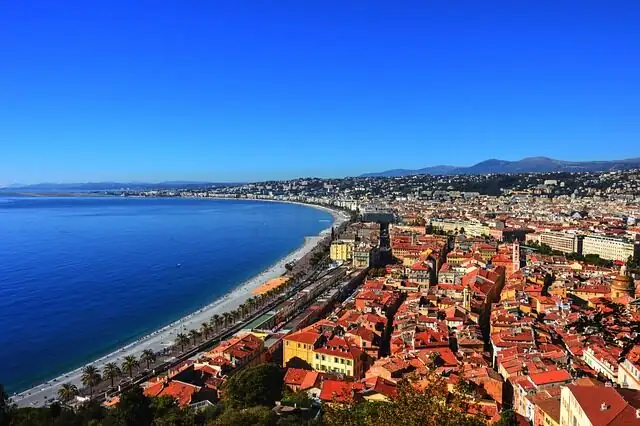
How did a South American coastal original become a Mediterranean tastemaker? The late 19th and early 20th centuries were an age of plant exchange and Riviera showmanship. Gardeners on the Côte d’Azur—especially at trailblazing gardens along the French Riviera—fell hard for Butia’s cool-toned fronds and its poise in salt-kissed air.
Planted against stucco villas and blue bays, Butia odorata became shorthand for relaxed, resort elegance. It shared the limelight with Canary Island date palms and Washingtonias, but its softer, blue‑green crown gave promenades a distinct, almost silvery, light. Those perfumed summer inflorescences and golden, edible fruits didn’t hurt either—tourists learned to recognize the jelly palm by scent as much as by sight.
Today, you’ll still find pindo palms starring in Mediterranean-style landscapes and coastal resorts far beyond Europe—from mild-climate seafront towns to bright, sheltered courtyards where their sculptural outline can be appreciated up close.
The name game: how “capitata” tangled the plot
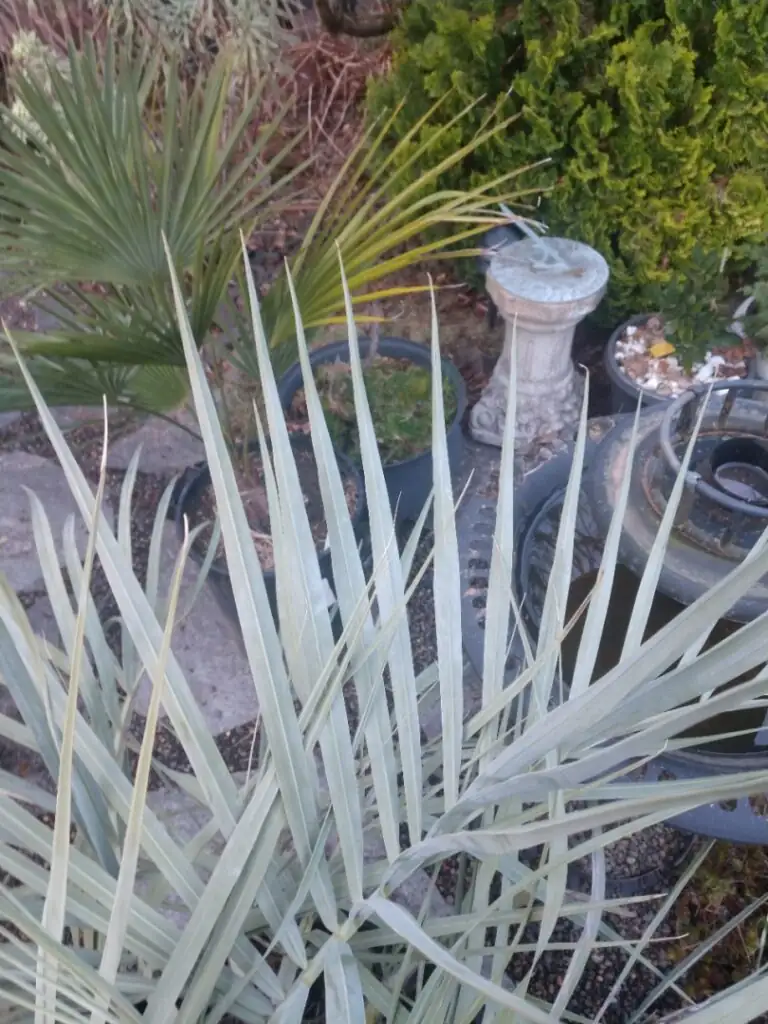
For decades, gardeners and even botanical gardens labeled this palm Butia capitata. The name stuck in horticulture, but there was a catch: in the stricter botanical sense, true B. capitata hails from further north in Brazil. The hardy, southern coastal species—the one gracing the Riviera and many temperate gardens—belongs under a different name: Butia odorata.
- What went wrong: horticultural momentum. Labels, catalogues, and collector lore kept “B. capitata” alive long after taxonomic work clarified the split.
- Why “odorata” fits: the southern species is distinct and, true to its epithet, notable for sweetly fragrant blooms and fruit.
- One more wrinkle: you may see the invented name “B. capitata var. odorata” in older nursery lists, and even plants that were actually a different coastal species mixed in trade. The upshot? If your jelly palm came from a Mediterranean or temperate-coastal source, chances are very good it’s B. odorata.
For gardeners, the fix is simple: embrace the updated name. For historians, the mislabel is part of the palm’s Riviera mystique—an alias adopted in the age of steamships and seaside grand hotels.
Living with Butia odorata: design notes and care
This palm reads like a living sculpture—bold but soft-edged, with fronds that arc and feather. Give it space to show off.
- Light
- Outdoors: part sun to light shade; in very hot climates, shield from harsh midday sun to prevent stress and leaf scorch.
- Indoors: the brightest light you can provide near a sunny window.
- Temperature
- Active growth at 10–24°C (50–75°F).
- Overwintering in containers: bright and cooler is best, around 5–12°C (41–54°F).
- Hardiness
- Generally hardy in USDA Zones 8b–11 (about -9 to -12°C / 16–10°F once established).
- Protect from prolonged hard freezes; containers are more vulnerable and should be sheltered in winter.
- Soil
- Free‑draining, loam‑based palm mix or a palm/cactus blend. Choose a pot just big enough for the root ball—oversized pots invite waterlogging.
- Water
- Spring to autumn: keep evenly moist, never sodden.
- Winter: water sparingly—only after the surface dries. Don’t overcompensate for dry tips with extra water; boost humidity instead.
- Humidity
- Moderate is ideal. In dry rooms, occasional misting or a pebble tray helps prevent brown tips and discourages spider mites.
Seasonal care calendar
- Spring–autumn: water evenly, feed monthly with a balanced liquid fertilizer (palm formulas with micronutrients are especially helpful).
- Spring: top‑dress by refreshing the top 3–5 cm (1–2 in) of mix; repot only if root‑bound (typically every 2–3 years).
- Winter: keep brighter and cooler if possible; water just enough to prevent desiccation.
Pruning and grooming
- Remove only fully brown, dead fronds and spent flower/fruit stalks.
- Avoid cutting green fronds—they’re your energy factories.
Buying guide
- Look for a firm, steady trunk and clean, unspotted fronds.
- Avoid plants with a sour smell from the pot (a red flag for root rot) or a loose, wobbly crown.
Pests and pitfalls
- Watch for scale insects, mealybugs, and spider mites—especially indoors in dry air.
- The big preventable issue is root rot. Excellent drainage, right‑sized pots, and a sharp reduction in winter watering are your best insurance.
Safety
- Generally considered non‑toxic to people and pets; fruit is edible.
- Handle with care—leaf edges can be sharp.
The edible encore: jelly, drinks, and scent
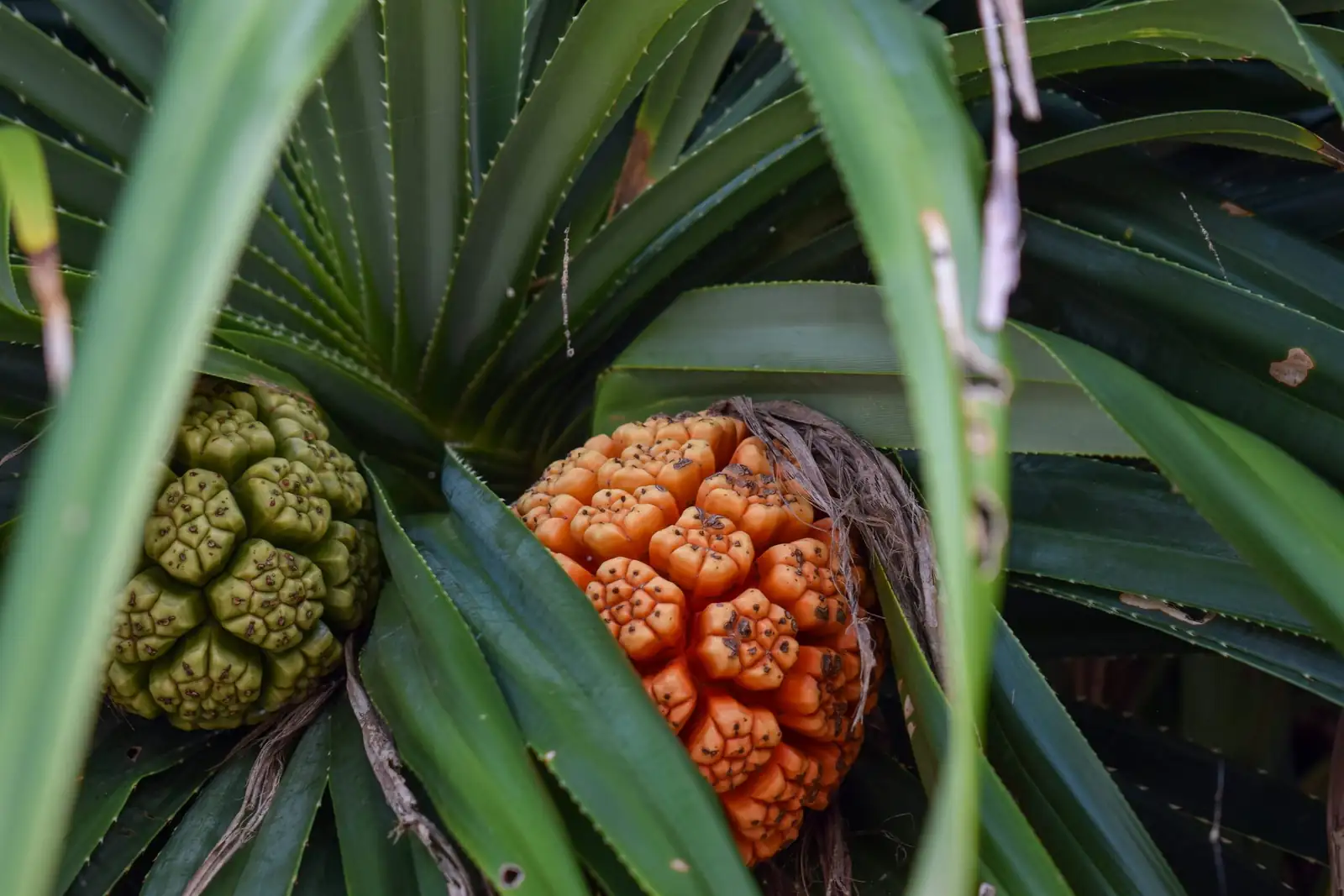
Butia odorata’s fruit turns heads for good reason. The aroma is floral‑tropical, the flavor bright and sweet. Traditionally:
- Cooked into jellies and jams (hence “jelly palm”).
- Fermented into rustic beverages where the palm is native.
In a Mediterranean courtyard, a just‑ripe fruit enjoyed in the shade feels like a tiny seaside holiday. If your climate allows fruiting, harvest when they’re fragrant and give slightly to the touch.
Symbolism and the “flower language” question
In the Victorian “language of flowers,” palms didn’t carry elaborate codebooks of meaning. But landscape culture has written its own script for Butia odorata:
- Coastal elegance with a relaxed cadence—the “holiday promenade” in plant form.
- Resilience and poise—tolerant of sea breeze, architecturally composed in shifting light.
If you see “flower language” assigned to this palm today, it’s a modern gloss borrowed from its setting rather than a classical tradition. Its truest message is place-based: the promise of blue water, warm light, and time unhurried.
Beyond the Riviera: a note on where it thrives
From Mediterranean France to other warm, coastal regions, Butia odorata has proved a dependable, easy-care specimen for gardens and large containers. In parts of the coastal southeastern United States, it’s planted widely and, in a few locales, even self‑seeds—another sign of how well this South American native fits mild, maritime conditions. Wherever it travels, it keeps the same cool-toned fronds, creamy summer flowers, and that unforgettable, perfumed fruit.
Quick facts to remember
- Names: Butia odorata; pindo palm, jelly palm, wine palm
- Native range: southern Brazil and Uruguay; long cultivated on the French Riviera and other Mediterranean coasts
- Look: feather‑leaved crown of blue‑green fronds; bold, sculptural trunk
- Size in gardens/containers: about 1.8 m tall × 1.5 m wide; crown often as wide as the plant is tall
- Flowers and fruit: creamy summer blossoms; fragrant, edible fruit for jellies or fermented drinks
- Culture: bright light, excellent drainage, modest winter water
- Hardiness: USDA 8b–11 (approx. -9 to -12°C / 16–10°F once established)
- Best use: statement palm for sunny gardens, patios, and bright indoor atriums
In short, Butia odorata is that rare plant that carries its birthplace with it: a gust of ocean air, a hint of perfume in the heat, and the easy glamour of a seaside stroll—whether you meet it in Brazil, on the Riviera, or right outside your door.