

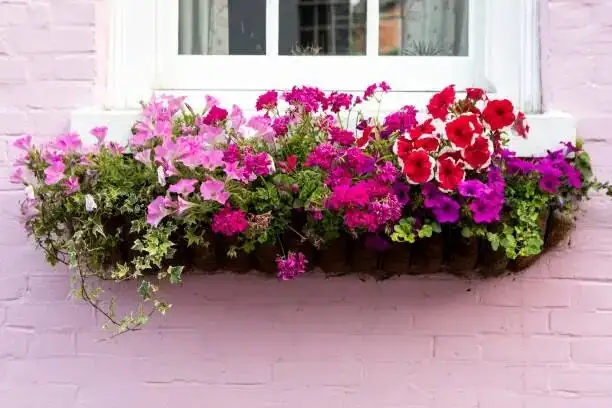
It began with a handful of blazing wildflowers stitched across South American grasslands—and ended with city balconies bursting into color all summer long. Garden Verbena (Verbena × hybrida) is the hybrid that leapt oceans in the 1800s, won the hearts of Victorian breeders, and never stopped blooming for us since. Here’s the spirited backstory of a bedding legend—and how to make it perform like a star in pots, baskets, and sunny window boxes.
South American roots: the cast behind a classic
Long before it was the darling of European bedding schemes, verbena’s ancestors thrived in the open skies of Brazil, Peru, Argentina, and Chile. Imagine tufted mounds of scarlet and violet “vervains” holding their flower clusters just above deep-green leaves—tough, sun-loving, and ready to rebound after wind or grazing. Those bright, resilient species were gathered by plant hunters and shipped to Europe, where they caused a sensation.
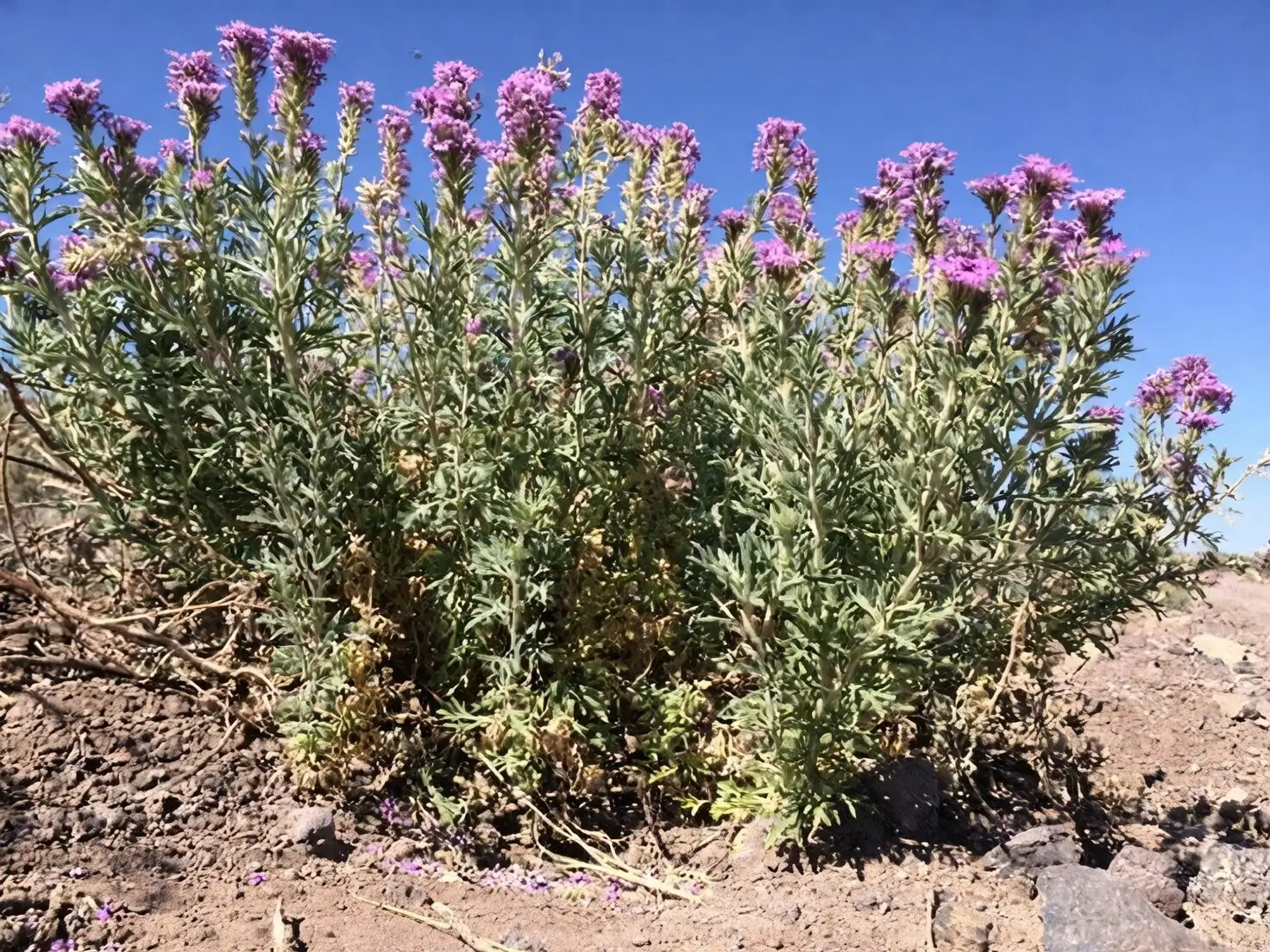
- Many of the garden verbena’s parents hail from the River Plate region and the broader southern cone.
- The look that defines them—rounded heads of small, five-petaled flowers atop branching, leafy mounds—carried straight into the modern hybrid we grow today.
- That “×” in Verbena × hybrida signals its mixed parentage: it’s a horticultural hybrid, not a single wild species.
When Europe fell in love: the 19th‑century breeding boom
The early 1800s were the high tide of botanical exploration and urban change. As European cities swelled, a new middle class wanted flowers for stoops, windows, and pocket‑sized gardens. Verbenas—especially the vivid South American introductions—arrived at the perfect moment. Breeders in Britain and across Europe fanned the spark into a blaze.
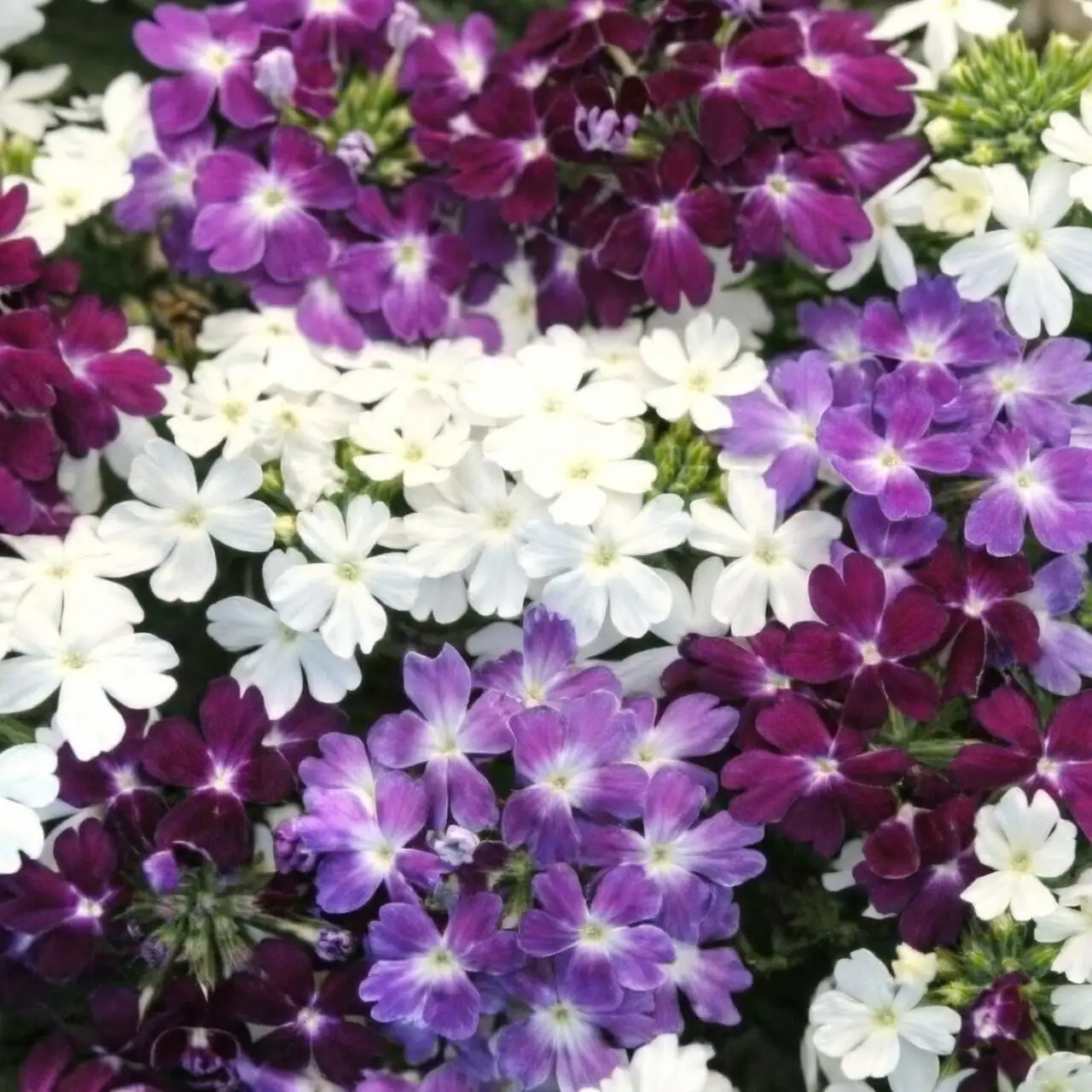
- Bedding-out revolution: Public parks and private plots embraced massed, colorful plantings. Verbena’s low, spreading habit and nonstop flowering made it a headline act, pairing spectacularly with petunias and geraniums.
- Color breakthroughs: From glowing scarlets and royal purples to clear whites, pinks, bicolors, and the era’s beloved “eye” patterns (a contrasting center), breeders selected for saturation and pattern. Bright “eyes” that seemed to stare back from a bed became a Victorian signature.
- From lanky to lush: Systematic pinching and selection gave rise to compact, branching plants that flowered for months instead of weeks—traits that define modern garden verbena.
Taxonomy twists: why the names got tangled (and why gardeners won anyway)
Verbena is a big, complicated genus in the mint order (Lamiales). Over time, botanists have split and reshuffled South American species, with some placed in the closely related genus Glandularia. Horticulture, meanwhile, kept using the name most gardeners knew: Verbena. Result: you’ll see botanical hair‑splitting in academic texts, but on plant labels and seed packets, the classic garden hybrid remains Verbena × hybrida. Practical takeaway: whatever the fine print, its care and performance are exactly what you want from a “bedding verbena.”
How balconies stole the show
Once breeders delivered compact, free‑flowering plants, balconies became verbena’s natural stage. Its rounded clusters glow above a neat green mound, and trailing types spill just enough to soften ledges and basket rims.
- Ideal for: sunny balconies, patios, rail planters, hanging baskets, and bright windowsills.
- Why it thrives up high: full sun, warm reflections from walls, and—crucially—good airflow that keeps mildew at bay.
- The look: a low, flower-packed cushion (typically 15–30 cm tall) spreading 30–60 cm, with dense leaves and clusters that pop in white, pink, red, purple, and countless eye-catching bicolors.
Portrait of a bedding star
- Habit: clump‑forming, branching, gently spreading; can get leggy in low light.
- Size: usually 15–30 cm (6–12 in) tall; spreads about 30–60 cm (12–24 in).
- Flowers: pom‑pom-like heads of many small blooms held above the foliage; frequent deadheading keeps the waves coming.
- Season: summer through fall; in strong light and with regular trimming, it just keeps painting.
Grow it like the Victorians meant it—only easier
Give Verbena × hybrida the three essentials—sun, drainage, and a quick trim now and then—and it will repay you for months.
Light and placement
- Full sun is non-negotiable: 6+ hours/day to prevent legginess and keep colors vivid.
- Best spots: sunny balcony, patio, or a bright windowsill with moving air.
Temperature and hardiness
- Best growth: 5–25°C (41–77°F), with a sweet spot near 16°C (61°F).
- Not reliably frost‑hardy: protect before hard freezes; many cultivars handle brief dips to about -5°C (23°F).
- In heat above 30°C (86°F), flowering may pause; steady moisture and light trims help it rebound.
Water and humidity
- Keep roots evenly moist during active growth, but never waterlogged.
- Always let excess drain—never leave pots standing in saucers of water.
- Favor the foliage with airflow, not with a shower: avoid frequent overhead watering to reduce mildew.
Seasonal rhythm:
- Spring: water about twice weekly to keep the mix evenly moist.
- Summer (peak bloom): water deeply when the surface dries; drain well.
- Fall: keep slightly moist to extend the show.
- Winter indoors: brightest light you can offer; keep soil lightly moist, not wet.
Soil and feeding
- Soil: loose, fertile, and sharply drained. A quality potting mix with perlite or sand is perfect.
- Feeding: every 2 weeks during seedling growth and main bloom with a balanced fertilizer (e.g., 20‑20‑20) at label rate. Go easy on nitrogen—too much means leaves, not flowers.
Pinching, deadheading, and reshaping
- Pinch tips at 10–12 cm (4–5 in) on weaker-branching types to spur side shoots.
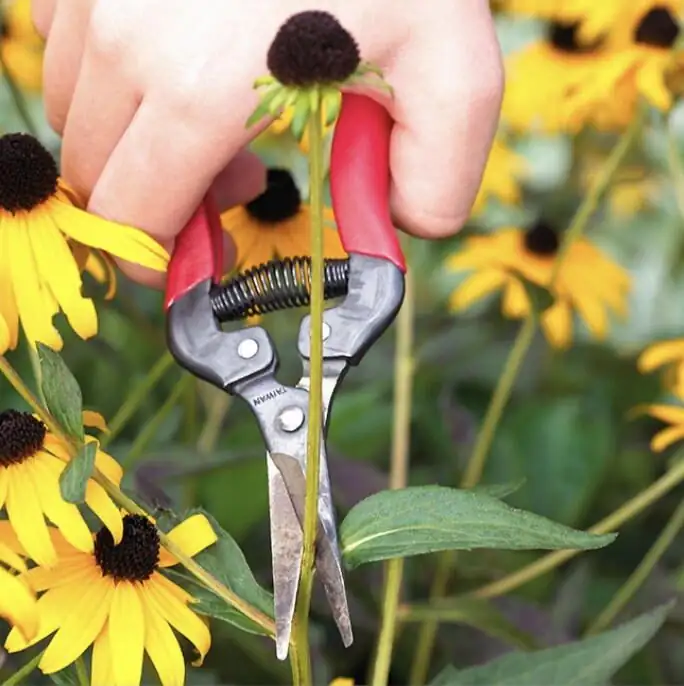
- Deadhead spent clusters to trigger new buds and tighter branching.
- If plants stretch or crowd, cut back by one‑third to one‑half to reset the form; healthy trimmings make excellent cuttings.
Pots, baskets, and the art of abundance
- Pots: 12–15 cm (4.7–5.9 in) diameter; plant about 3 seedlings per pot for a quick full look.
- Hanging baskets: 20–25 cm (7.9–9.8 in) diameter; plant roughly 5 seedlings per basket.
- Airflow matters: space plants so foliage can dry quickly after rain.
Propagation: seeds or cuttings—both are easy
- Seeds: sow in spring or fall at 20–22°C (68–72°F). Cover lightly with vermiculite—don’t bury deep. Germination in ~14–20 days; transplant after about 30 days. For fall sowing, pot on when seedlings reach 7–8 cm (2.8–3.1 in).
- Cuttings: take soft, non‑woody shoots (often from overlong stems). Root in vermiculite or even water, then pot up once roots form.
Health check: stay ahead of mildew and tiny sap‑sippers
- Mildew (powdery and downy) is the classic verbena spoiler, especially in stale, humid pockets.
- Fixes: improve airflow, avoid late‑day overhead watering, and remove infected parts promptly.
- Aphids and whiteflies may visit; manage with insecticidal soap or a labeled pyrethrin/pyrethroid product, following directions.
Safety note
No confirmed toxicity details are established for garden verbena. Sensible rule: discourage pets and children from chewing any ornamental. If ingestion or irritation occurs, contact your local poison control center or a veterinarian.
Flower language: why verbena whispers “togetherness”
In Western floriography, verbena often symbolizes unity and togetherness—a meaning that grew from two places. First, its tightly packed flower heads seem to unite dozens of tiny blooms into one bright whole; second, “vervain” historically carried sacred, protective associations in Europe, making it a favored emblem for harmony at home. In modern décor, that symbolism lives on every time a basket of verbena pulls a mixed planting together.
Quick answers to common questions
- My verbena looks dull and leggy—what happened?
- It needs more sun and better drainage. Low light plus soggy soil stretches stems and washes out color. Move it to full sun, water only when the surface begins to dry, and pinch or trim leggy shoots to rebuild a bushy shape.
- Is it a perennial or annual?
- Treat it as an annual or tender perennial. It’s happiest in mild climates (roughly USDA 9–11) or with winter protection. Bring containers in before hard frost.
Two fun facts to take to the garden center
- That tidy name—Verbena × hybrida—hides a colorful mix of South American ancestry, selected to bloom long and strong in gardens and on balconies.
- Deadheading isn’t just a tidy habit; it’s a performance hack. Snip off spent clusters and you’ll see fresh waves of flowers from summer well into fall.
From the pampas to the patio, Verbena × hybrida has always been about bright color, big stamina, and a knack for city life. Give it sun, air, and a light touch with the shears—and your balcony will sing the verbena chorus all season.