


At dawn on Socotra, the sky blushes the color of sea-lavender and wind combs the high limestone plateaus. In rock pockets where mist lingers, a tiny gentian opens its violet stars around a golden eye—quiet, exquisite, and utterly at home. By winter’s end, those same stars glow in shop windows from Hamburg to Hong Kong, perched in gift wrap and ready to charm a chilly world. Meet Exacum affine, the Persian violet: born of a remote Yemeni island, polished by European glasshouses, and now a global cool-season sweetheart.
Born of limestone and monsoon mists: Socotra’s native violet
Socotra, a UNESCO-recognized natural treasure in the Arabian Sea, is renowned for plants found nowhere else—dragon’s blood trees that umbrella the sky, bottle-shaped succulents, and hundreds of endemics sculpted by isolation and harsh beauty. Scientific exploration of the archipelago took off in the 19th century, when expeditions began documenting its remarkable flora. Among its small gems is Exacum affine, a member of the gentian family (Gentianaceae).
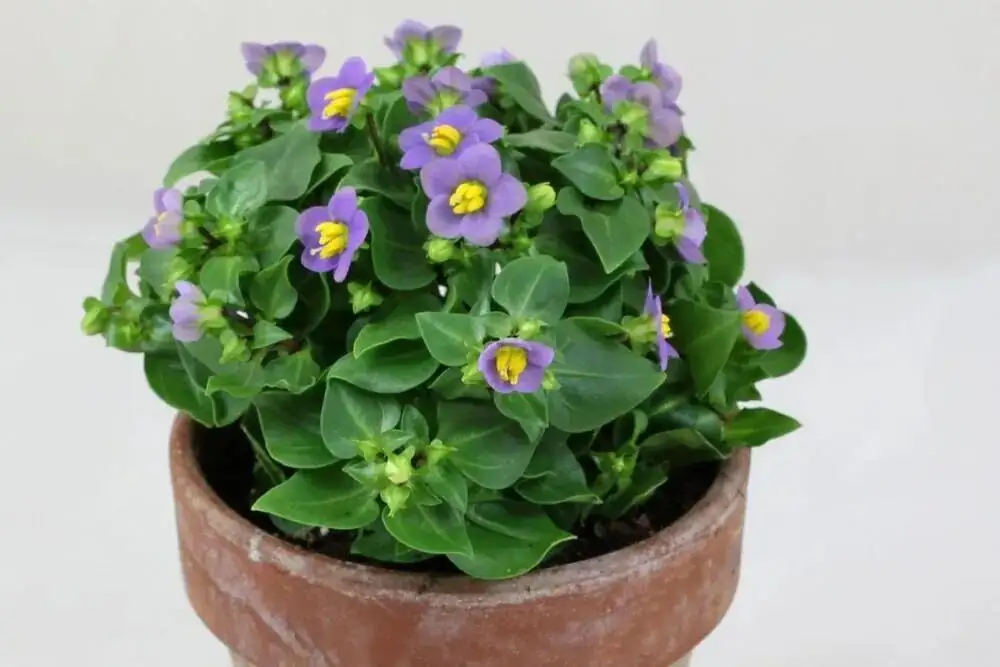
Picture its native scene: a compact, mound-forming herb tucked into rocky ledges and thin soils. It wears glossy, opposite leaves like a well-pressed jacket and, when the season turns kind, covers itself with dozens of small violet-to-lavender blooms. Each flower bears bright yellow anthers—like sun-pips set in purple satin—and a light, sweet fragrance that catches in the cool air.
How a Socotran native became “Persian” in European parlors
The 1800s were the great age of plant fever. Seeds and specimens left far-flung shores in traveling greenhouses and returned to Europe’s conservatories, where botanists and nurserymen hurried to name, nurture, and—let’s be honest—market them. Exacum affine arrived amid this fervor. By the late 19th century it had found its way from Socotra’s limestone slopes into European horticulture, and quickly into the hearts of winter-weary city dwellers.
Why “Persian violet” if it hails from Yemen? The name is a bit of romantic license, the kind that stuck. You’ll also hear Arabian violet, German violet, and Mexican violet in trade—aliases that traveled with the plant as nurseries experimented with markets and climates. Regardless of the label, the essence remained: a small, fragrant gentian that bloomed generously in cool rooms when color was most craved.
The anatomy of charm: a tiny gentian designed for gifting
- Form and size: Naturally neat and rounded, typically 15–30 cm tall and wide—perfect for tabletops, windowsills, and foyer consoles.
- Foliage: Opposite, oval to elliptic leaves—dark green, glossy, and smooth-edged—creating a dense, cushiony mound.
- Flowers: Masses of small, five-petaled blooms in violet to lavender shades, each with prominent yellow anthers. Often lightly fragrant.
- Habit: A tender perennial by nature, but so prolific in bloom that it’s commonly enjoyed as a short-lived pot plant indoors.
It’s a plant that looks “arranged” even when you’ve done nothing to it, which is precisely why florists and gift-givers adore it.
The cool-season star: why it loves winter windowsills
Persian violet is built for bright, cool rooms. Kept at 15–21°C (59–70°F) with lots of indirect light, it can flower from late winter well into spring. In these conditions, the plant piles on buds rather than racing through bloom.
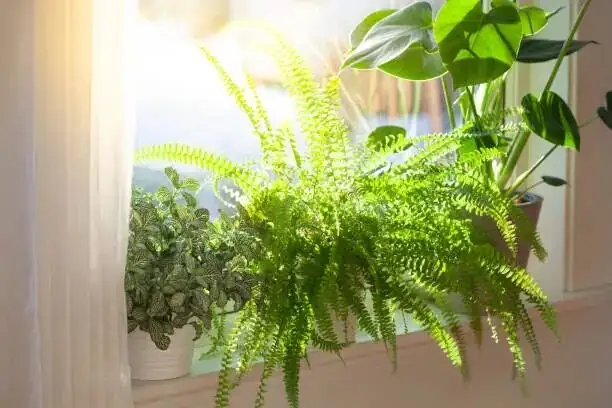
Heat, however, is its kryptonite. As temperatures rise, flowering shortens and the plant’s vigor wanes. That’s why it shines in the cool months and often bows out by summer—happily replaced by the next generation raised for the following season.
Care snapshot
- Light: Bright indirect light or gentle morning sun. Shield from harsh midday rays that scorch leaves and abbreviate bloom time.
- Temperature: Best between 15–21°C (59–70°F). Prolonged warmth quickly shortens the show.
- Water: Keep the potting mix evenly moist—never soggy, never bone-dry. A droughted root ball often triggers a rapid flower drop.
- Humidity: Moderate to high humidity keeps foliage lush and flowers fresh. In heated rooms, a pebble tray or nearby humidifier helps.
- Soil: Light, fertile, well-draining potting mix that still retains even moisture.
- Feeding: While in flower, feed every 2–3 weeks with a diluted, balanced liquid fertilizer.
- Grooming: Deadhead spent blooms to encourage a longer display and keep the mound tidy.
- Hardiness: Not frost tolerant. Treat as a houseplant or enjoy outdoors only in frost-free, mild conditions in bright shade.
- Pests: Watch for aphids, spider mites, and fungus gnats, especially indoors. Avoid waterlogging to prevent root rot.
- Safety: Not known to be toxic to people or pets.
Buying and staging: the gift-giver’s guide
- Choose plants loaded with unopened buds for maximum longevity.
- Look for firm, glossy leaves and compact, not stretched, growth.
- Avoid specimens with yellowing, wilting, or very dry potting mix.
- At home, place near an east- or north-facing window. A decorative cachepot with a pebble tray beneath neatly elevates humidity without wet feet.
Pro tip: If you’re gifting, include a little “cool care card” explaining that bright light and a chill vibe keep blooms coming. It’s the secret that turns a two-week fling into a months-long affair.
A plant on a calendar: how growers deliver that perfect February flush
Commercial growers treat Exacum affine like a seasonal symphony.
- Autumn to early winter: Seeds are sown and young plants brought on in bright, cool conditions.
- Late winter to spring: Peak performance. Plants hit shops in full bud and bloom just as days lengthen but rooms remain cool.
- Summer: In household warmth, flowering fades and plants often decline. Most people replace them the next cool season rather than coax a reluctant encore.
If you’re determined to extend its life, repot only if severely root-bound, keep it cool, and refresh with light feeding. Rebloom indoors is notoriously tricky; think of it as a living bouquet with bonus longevity.
Flower language and symbolism: whispers behind the violet eye
Persian violet is often associated with calmness, delicacy, and refined beauty—the botanical equivalent of a deep breath by a window on a bright winter morning. In various floriographic traditions, small, fragrant violets symbolized gentle affection or tender, unspoken messages. It’s easy to see why this modern gentian inherited similar meanings: compact, composed, and softly scented, it expresses care without shouting.
As with most “flower language,” the backstory is cultural, not botanical—Victorian floriography mapped sentiments onto fashionable blooms, and those meanings drifted across time and markets. Today, gifting a Persian violet reads as a wish for serenity and a quiet glow of happiness at home.
Why it became a global cool-season hit
- Instant gratification: Sold in full bud and bloom, it brings immediate color.
- Space savvy: A naturally rounded, compact habit suits small homes and tabletops.
- Sensory bonus: A light, sweet fragrance without overwhelming the room.
- Photogenic palette: Violet-to-lavender petals framing a bright yellow center look fresh under winter light.
- Seasonal fit: It prefers the exact indoor conditions many homes have from late winter into spring—bright, cool rooms.
In short, it arrived with excellent timing and impeccable manners.
Quick FAQs
- Is it an annual or a perennial? Botanically, a tender perennial. In practice, usually treated as a short-lived houseplant and replaced after flowering.
- Why does it decline after flowering? Heat and dry indoor air sap its strength. As temperatures climb, it’s difficult to maintain vigor or prompt a strong rebloom indoors.
- Can I grow it outdoors? Yes, but only in mild, frost-free climates, and best in bright shade or gentle light. For most of us, it performs better indoors.
A last look: from island whisper to windowsill star
Exacum affine’s journey arcs from Socotra’s wind-swept limestone to European conservatories and, ultimately, to your winter sill. It’s a story of geography and good timing: an island gentian tuned to cool air and pearly light, adopted by growers who learned to coax it into peak poise just when the world needed color most. If you bring one home this season, keep it bright, keep it cool, and enjoy the way those yellow-centered violets brighten the room—as if a small piece of Socotra’s dawn decided to bloom right where you are.