


If a plant could tell a story about surviving in the shadows and thriving through fashion cycles, Aspidistra elatior would have the best tale in the room. Born on the forest floors of Japan and Taiwan and raised on dim British windowsills thick with coal smoke, this famously forgiving houseplant—better known as the cast-iron plant or “bar-room plant”—has gone from understory wallflower to design-world essential.
From island understory to globe-trotter
Shaded by broad-evergreen canopies in Japan (notably the Ryukyu Islands) and Taiwan, Aspidistra elatior learned to make a living where light is rationed. It grows from tough, slowly spreading rhizomes, sending up glossy, leathery leaves that arch with unhurried confidence. Indoors, a mature clump typically forms a handsome 60 × 60 cm (about 24 × 24 in) mound of evergreen poise.

- Family: Asparagaceae; Genus: Aspidistra
- Aliases: Cast-iron plant, Aspidistra, Bar-room plant
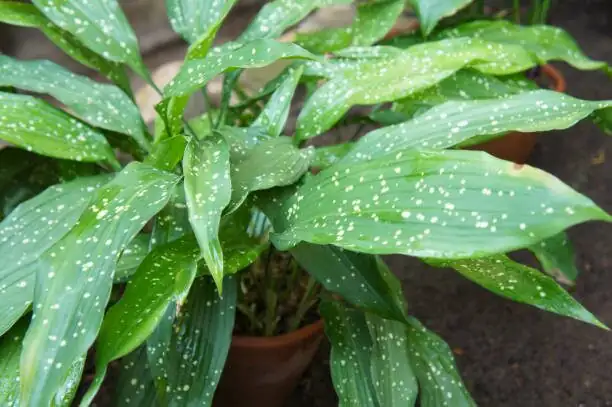
- Foliage: Deep green by default; some cultivars show creamy stripes or speckling that read beautifully in soft light
- Flowers: Small, bell-like blooms in brownish-purple tones appear right at soil level, late winter to spring—often hiding in plain sight indoors
Fun twist: those low-slung blossoms sit so close to the soil that many plant parents never spot them. In the wild, tiny flies and other small creatures are believed to help with pollination, but indoors the flowers are mostly a quiet curiosity.
How a shade-lover conquered smoky rooms
By the late 19th and early 20th centuries, coal fires, gas lighting, and nicotine haze made many Victorian interiors hostile to plants. Not this one. Aspidistra elatior shrugged at low light, stale air, and irregular watering—and promptly took up residence in parlors, pubs, and hotel lobbies, earning its working-class nickname: the “bar-room plant.”
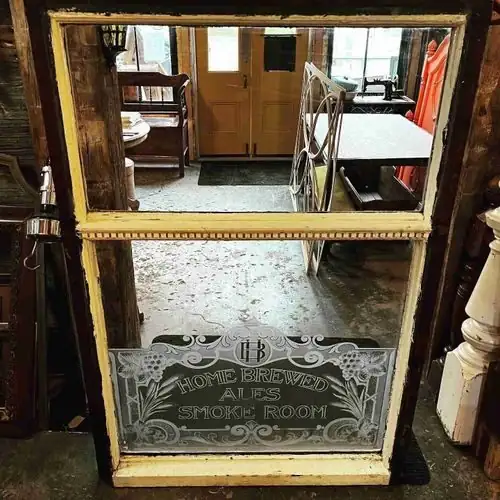
Its cultural cameo reel is surprisingly starry:
- Literature: George Orwell’s “Keep the Aspidistra Flying” skewers the stifling respectability the plant came to symbolize in interwar Britain.
- Music halls: Gracie Fields belted out “The Biggest Aspidistra in the World.”
- Design arts: Its sculptural leaves slotted neatly into still lifes—and into the precise lines of seika-style ikebana in Japan.
In short, the aspidistra survived because it endures—then endured so well that it became a style statement.
Why designers still love it
Think of Aspidistra elatior as couture for dim corners: disciplined lines, eternal fabric.
- Shade specialist: Partial to full shade; happy in bright, indirect light too—just no harsh direct sun
- Understated architecture: Strong, vertical leaves read as calm structure in a room
- Slow, steady growth: Keeps its footprint—no weekly wrestling matches with pruners
- Low-maintenance: Content with average household humidity; forgiving of imperfect routines
- Pet-friendly reputation: Commonly regarded as non-toxic to cats, dogs, and people
- Variegated sparkle: Creamy stripes or speckles add subtle movement without visual noise
Styling tip: Place it where your eye wants a vertical pause—by a reading chair, along a hallway run, or paired in symmetry at an entry. It’s gorgeous in stoneware, brass, or matte-black cylinders where leaf sheen can do the talking.
Care, distilled (the bar-room rulebook)
This plant made its name surviving pubs. Your living room is easy mode.
Light and placement
- Best: Partial shade to full shade
- Tolerates: Bright, indirect light
- Avoid: Strong, direct sun that can bleach or scorch leaves
- Placement sweet spots: Hallways, north-facing rooms, shaded corners
Water and soil
- Watering rhythm: When the surface of the mix has dried; reduce in winter
- Absolute no: Letting the pot sit in water or the mix stay soggy
- Potting mix: Loose and well-draining—try a 1:1 blend of standard potting soil and a multi-purpose mix; add perlite to keep it airy
- Pot size: 12.5–20 cm (5–8 in) is usually plenty
Temperature and humidity
- Comfortable range: 5–20°C (41–68°F)
- Notes: Tolerates cooler spells; protect from hard frost. Indoors, no special humidity needed.
Feeding, pruning, and repotting
- Fertilizer: Monthly from spring through late summer, balanced liquid at half strength
- Pruning: Snip yellowed or damaged leaves cleanly at the base
- Repotting: Every 2–3 years, and only one pot size up
- Propagation: Divide rhizome clumps during repotting—keep roots attached to each section
Outdoors, if your climate allows
- Hardiness: Generally suitable in USDA Zone 8–11; shield from severe freezes
- Site: Shade, with excellent drainage
Troubles are rare (but here’s the short list)
- Overwatering: The classic pitfall—leads to root rot and yellowing leaves
- Pests: Scale, mealybugs, and spider mites can appear in dry indoor air; wipe leaves, rinse, or spot-treat early
- Leaf scuffs: Aging or mechanical damage can mar older leaves; prune at the base for an instant refresh
The “flower language” of Aspidistra
While not a traditional hanakotoba star, the cast-iron plant carries a modern, widely understood message: endurance and resilience. It held its green in smoky bars, flickered through art and literature, and now anchors serene, low-light interiors. If a bouquet says “I adore you,” an aspidistra says “I’m here for the long haul.”
Buying guide (choose a champion)
- Look for: Firm, upright leaves; tidy clumps; a healthy crown (the base where leaves emerge)
- Avoid: Pots that smell sour or feel constantly wet; lots of yellowing leaves hinting at overwatering or early root issues
Little wonders you might miss
- Flowers bloom at ground level—many indoor growers never see them
- It’s one of the most forgiving houseplants for dim spaces and low humidity
- Slow, steady, and long-lived—aspidistras often outlast décor trends, and sometimes become family heirlooms
Quick answers
- Is it beginner-friendly? Absolutely—few plants handle low light and irregular care so gracefully.
- How much light does it need? Partial to full shade is ideal; bright, indirect light is fine. Avoid direct sun.
- How should I water? Wait until the surface of the mix dries; water less in winter; never waterlog.
- When do I feed and repot? Feed monthly spring through late summer at half strength; repot every 2–3 years, one pot size up.
From rainforest hush to pub chatter to penthouse calm, Aspidistra elatior proves that good design loves good bones—and this plant’s quiet backbone is built to last. Place it where most plants pout, and watch it make the shade look intentional.