

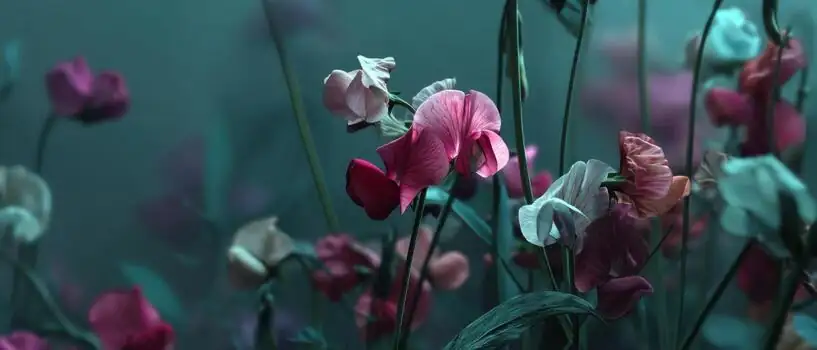
The sweet pea, scientifically known as Lathyrus odoratus, is a delightful flowering plant that has charmed gardeners and flower enthusiasts alike for centuries. With a fragrance often likened to a blend of honey and orange blossoms, these vibrant blooms have a rich history that stretches from their humble beginnings in Sicily to becoming a Victorian obsession and a modern gardening staple.
A Sicilian Gem
Our journey begins in the sun-soaked landscapes of Sicily, where sweet peas first caught the attention of a curious Franciscan monk named Francis Cupani. In 1699, Cupani, who had a keen interest in the local flora, sent seeds of the sweet pea to Dr. Robert Uvedale in England, marking the start of the plant’s journey across Europe. These early sweet peas were modest in appearance, with small, bicolored flowers, but they possessed an enchanting fragrance that captured the hearts of all who encountered them.
From Modest Beginnings to Victorian Extravagance
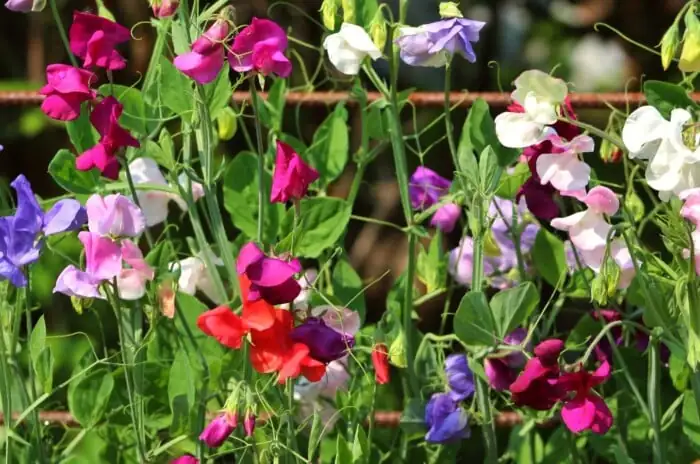
By the 18th century, sweet peas had made their way into English gardens and were soon being cultivated for their ornamental beauty and intoxicating scent. The Victorian era saw a particular fascination with these blooms, as they fit perfectly into the era’s penchant for elaborate floral displays and cottage gardens. Sweet peas were often used to adorn trellises and arches, transforming ordinary gardens into vibrant canvases of color and fragrance.
The drive to cultivate new and exciting varieties of sweet peas reached a fever pitch in the late 19th century, thanks in large part to breeders like Henry Eckford. Known as the “Father of the Sweet Pea,” Eckford developed the grandiflora types, which boasted larger flowers and a wider array of colors. His work laid the foundation for the Spencer varieties, introduced in 1901, known for their large, frilly blooms and enduring popularity.
The Sweet Pea Today
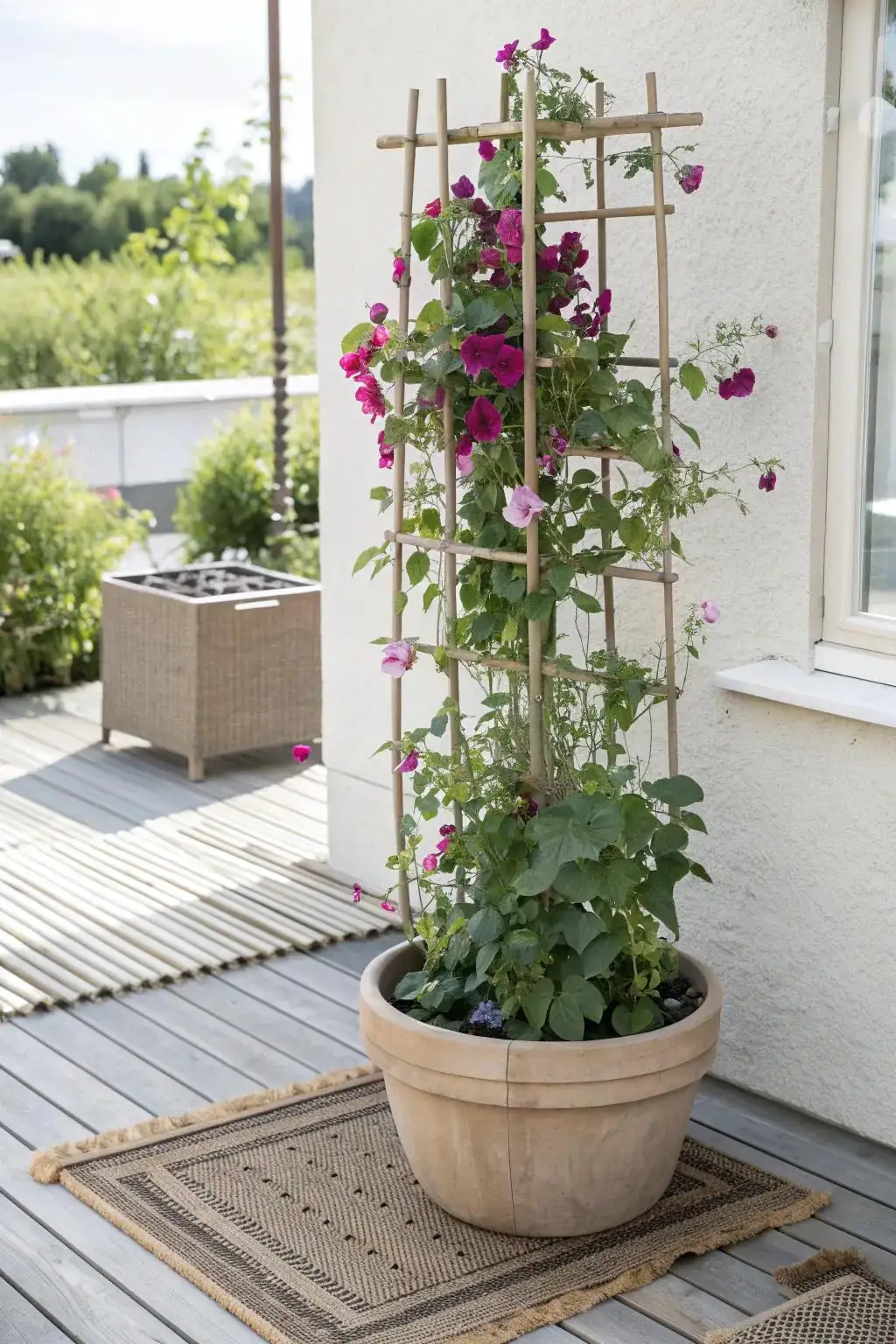
In modern gardens, sweet peas continue to be beloved for their old-world charm and versatility. They are often seen scrambling up trellises, arches, and fences, creating stunning vertical displays that evoke a sense of nostalgia and romance. Sweet peas are also treasured as cut flowers, bringing their vibrant colors and sweet scent indoors.
Gardeners today can choose from a plethora of sweet pea varieties, each offering unique characteristics. From the antique grandiflora types to the larger, more robust Spencer and Royal series, there is a sweet pea for every taste and garden setting. Dwarf varieties have also gained popularity, making it possible to enjoy these blooms in containers on patios and balconies.
Cultivation Tips
Growing sweet peas can be a rewarding endeavor, though they do require some care and attention:
- Sunlight and Temperature: Sweet peas thrive in full sun in cooler areas, but they appreciate some afternoon shade in warmer climates. They prefer cool conditions, with optimal growth occurring between 15–25°C (59–77°F).
- Soil and Watering: For best results, plant sweet peas in deep, fertile soil enriched with compost. Keep the soil consistently moist but well-drained, as they dislike soggy conditions.
- Support and Pruning: Sweet peas are natural climbers, so provide them with vertical supports like trellises or fences. Pinching out the growing tips can encourage bushier growth, and regular deadheading will prolong their blooming season.
The Language of Flowers
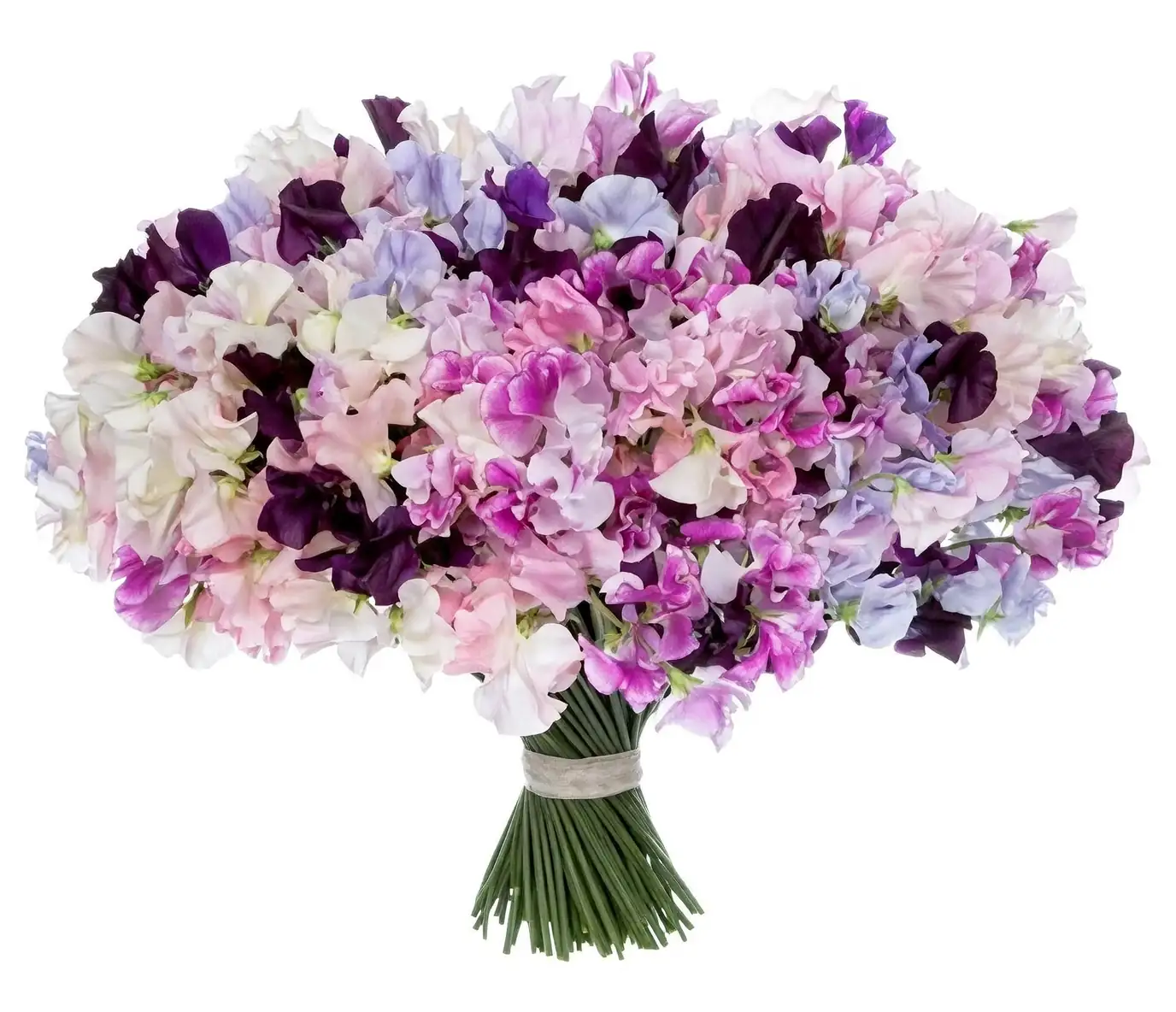
Sweet peas have long been associated with the language of flowers, symbolizing departure, gratitude, and new beginnings. Their delicate beauty and sweet fragrance have made them a favorite choice for weddings and other celebratory occasions, where they convey a message of joy and appreciation.
A Final Note
While sweet peas are a feast for the senses, it’s important to remember that they are strictly ornamental. Unlike their edible garden pea relatives, sweet peas are toxic if ingested, so they should be kept out of reach of children and pets.
As you consider adding sweet peas to your garden, remember that you are participating in a tradition that spans centuries and continents. These charming plants are not just flowers; they are living pieces of history, carrying with them the stories of those who have cherished their beauty through the ages. Whether you’re a seasoned gardener or a curious newcomer, the sweet pea offers a delightful journey into the world of botanical wonders.


