

The Journey of Camellia japonica: From Ancient East Asian Gardens to Modern Homes
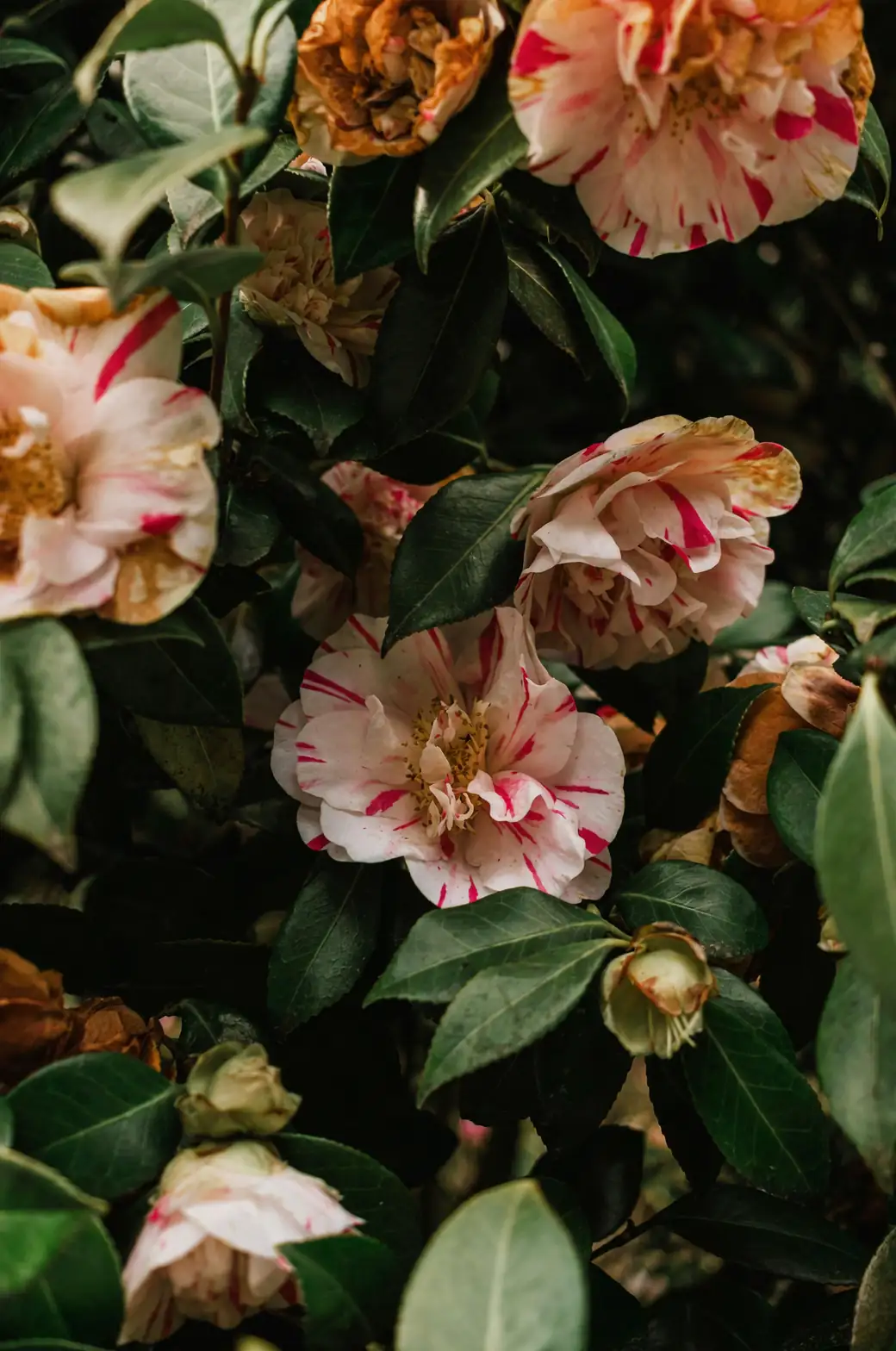
Imagine stepping into a serene garden where the air is crisp and the landscape is adorned with vibrant, rose-like blooms. These enchanting flowers, known as Camellia japonica, have captivated hearts for centuries with their glossy leaves and stunning winter-to-spring displays. But beyond their visual allure lies a rich tapestry of history and cultural significance that stretches from ancient East Asia to today’s garden enthusiasts.
A Botanical Odyssey: Tracing the Roots
Camellia japonica, often called the “Japanese Camellia” or “Tsubaki” in Japan, is native to the lush forests of East Asia, specifically China, Korea, and Japan. These regions have long treasured the plant not only for its beauty but for its versatility and symbolism. As early as the Song Dynasty, Chinese literature recorded 15 distinct varieties of Camellia japonica, highlighting its prominence in horticultural circles.
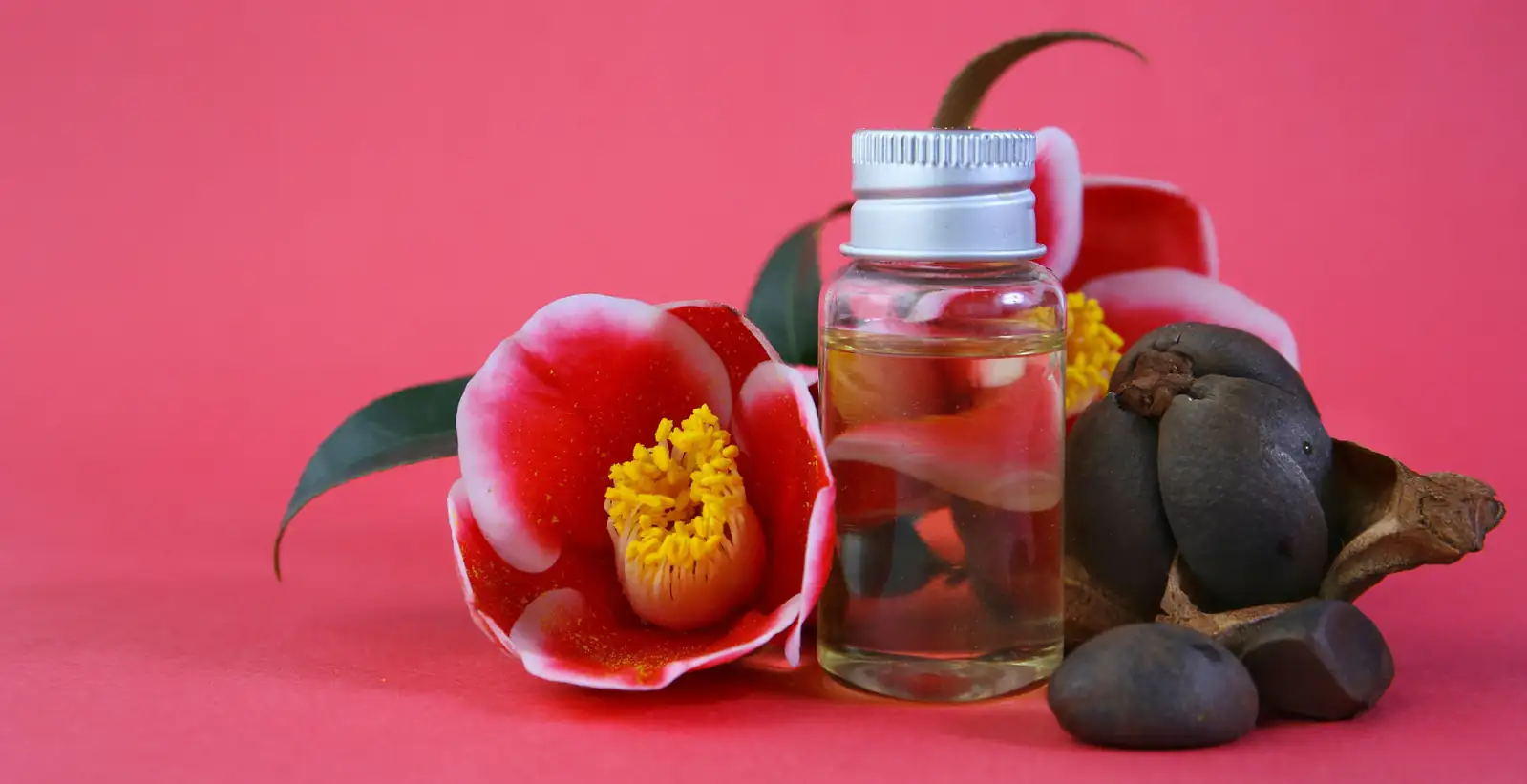
In Japan, Camellia japonica has influenced culture profoundly. The name “Tsubaki” is thought to derive from the words “Atsu-ba-ki” (thick-leaf tree) or “Tsuya-ba-ki” (glossy-leaf tree), aptly describing its evergreen nature. Its presence in Japanese gardens is not merely aesthetic. The plant’s oil, extracted from its seeds, served vital utilitarian roles as a cooking oil, a fuel source, and a remedy for skin ailments. This oil even played a diplomatic role during the Kentōshi missions, where it was exchanged as a symbol of goodwill between Japan and China.
The Camellia’s Cultural Canvas
The allure of Camellia japonica extends beyond its physical attributes and into the realms of art, literature, and folklore. In Japan, some folklore likens the way camellia flowers drop whole, rather than petal by petal, to the noble and honorable death of samurai warriors. This dramatic imagery reflects the deep respect and cultural significance the plant holds.
In Chinese tradition, camellias are celebrated as symbols of feminine beauty and spirit. Their blooming around major winter holidays ties them to themes of celebration and good fortune. Meanwhile, in the West, Alexandre Dumas’ novel “La Dame aux Camélias” immortalized the flower as a romantic emblem, further cementing its place in the cultural lexicon.
A Horticultural Treasure: Cultivation and Care
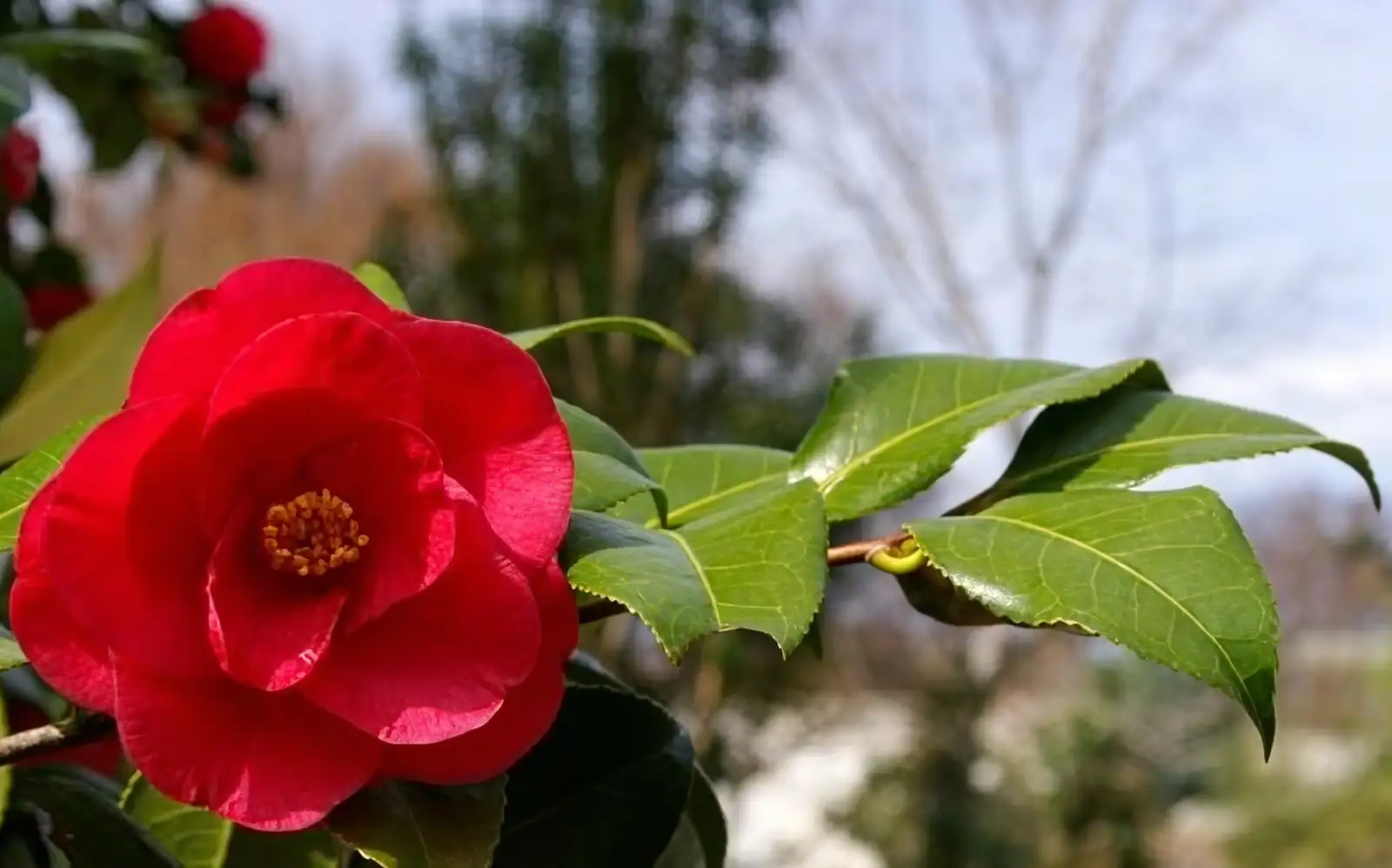
For modern gardeners, Camellia japonica offers a delightful challenge. These evergreen shrubs thrive with steady, gentle care, preferring acidic soil, bright filtered light, and consistent moisture. They are ideal for those who appreciate patience, as the camellia’s slow to medium growth habit rewards careful attention with a dense, well-balanced crown of foliage and flowers.
Camellias are best suited to USDA Zones 7–10, though hardy cultivars can withstand colder temperatures. Whether planted outdoors in a sheltered garden or indoors near a bright window, they require protection from harsh sun and sudden temperature swings. For those willing to nurture them, camellias can live for decades, with some specimens gracing landscapes for over a century.
Blooming Beauties: The Language of Flowers
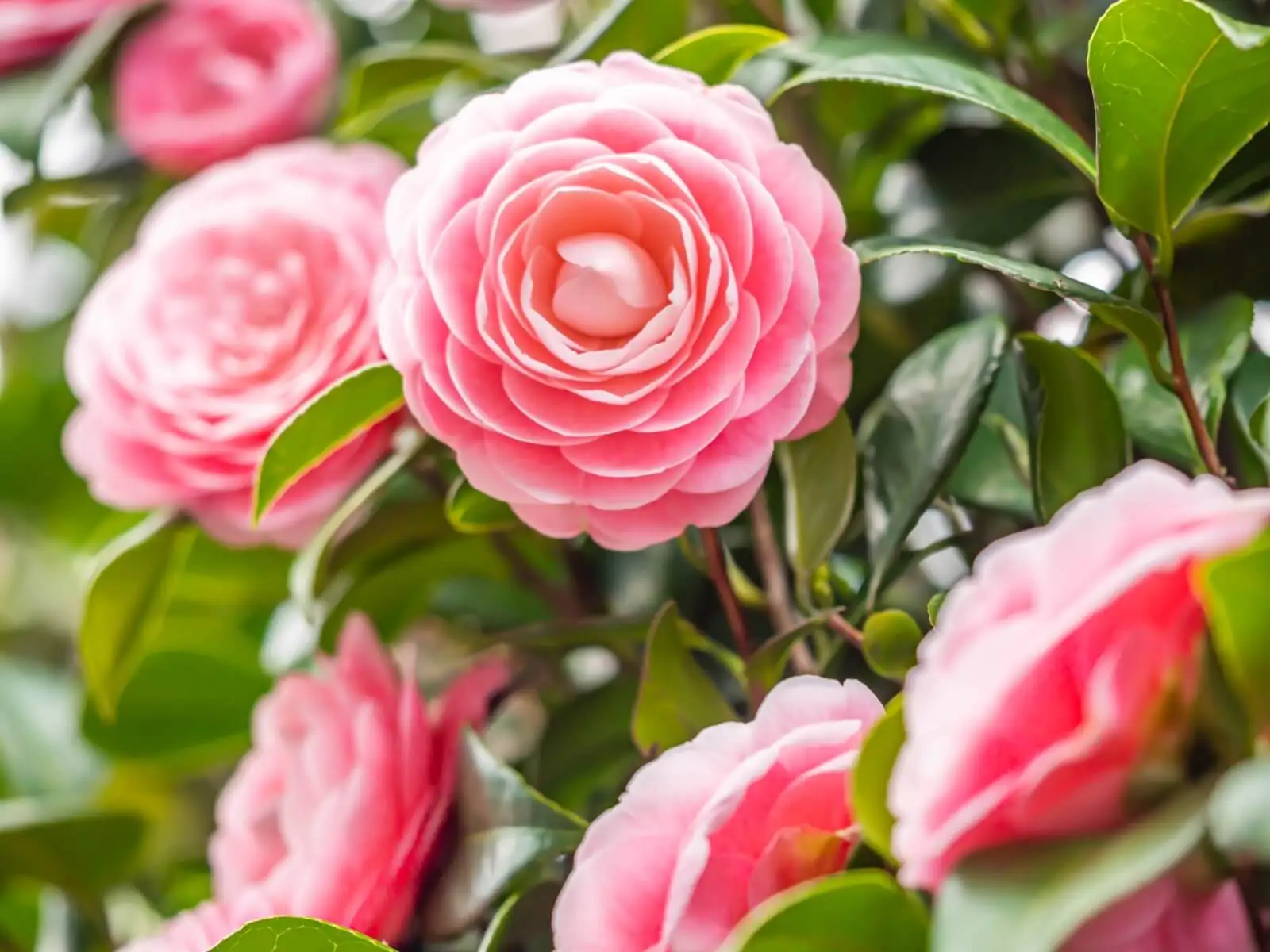
In the Victorian language of flowers, camellias convey strong messages of love, admiration, and devotion. Red camellias symbolize deep love or passion, pink signifies longing or admiration, and white represents purity. These meanings resonate with the plant’s cultural heritage, where it has long been associated with themes of beauty, grace, and resilience.
The Modern Appeal
Today, Camellia japonica continues to enchant gardeners worldwide. With thousands of cultivars offering an array of colors and forms, from single to fully double blooms, these plants are as versatile as they are beautiful. Whether displayed as a specimen shrub, a hedge, or a container plant, they provide stunning visual interest during the quieter winter months when many other plants are dormant.
As you consider adding a camellia to your garden or home, remember that you are not just planting a flower. You are cultivating a piece of history, a symbol of cultural exchange, and a testament to the enduring beauty of nature. The camellia invites us to pause, reflect, and appreciate the intricate tapestry of life and tradition that it represents. So, why not bring a touch of East Asian elegance into your world?


