

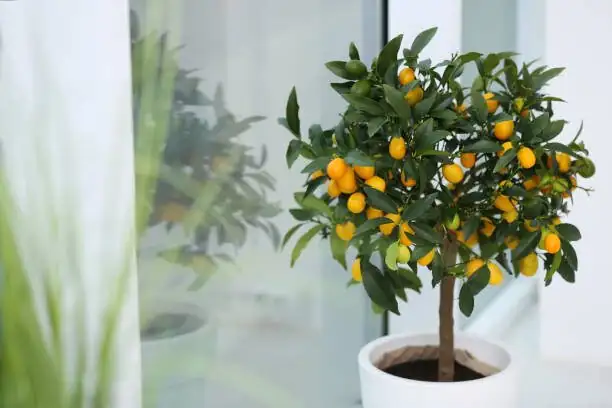
When a potted kumquat lights up your window with tiny suns, the kitchen practically writes the menu for you. Citrus japonica—better known as kumquat—invites you to eat it whole, peel and all: a sweet, perfumed skin wrapped around a bright, tangy burst. Below, you’ll find fresh ways to pop them straight from the tree to the plate, quick-preserve methods that take minutes (not weekends), and pairing ideas that play to the fruit’s uniquely sweet peel and zesty flesh.
Meet Citrus japonica on the kitchen counter
- What it is: A compact, evergreen citrus cherished for glossy foliage and golden-orange fruits. Origin: China.
- Peak moment: Flowers in spring–summer; fruits color and hang from autumn into winter—right around Lunar New Year.
- Why cooks love it: The peel is sweet and fragrant, the interior tart. Eaten together, you get a balanced snap of citrus that needs no peeling knife.
Quick cues for ripeness and handling:
- Pick when fully colored, firm, and aromatic. A slight give is fine; mushy isn’t.
- Wash and pat dry. If you’re sensitive to citrus oils, rinse hands afterward (the fragrant oils can mildly irritate skin).
- Store on the counter for a couple of days, or refrigerate up to two weeks in a breathable container.
How to enjoy kumquats whole (peel and all)
The “roll-and-pop” snack
- Roll a fruit lightly between your fingers to warm and release the peel’s oils.
- Nip the tip and take a bite that mixes peel and pulp. Sweet first, then tang—tiny fireworks.
Quick slices that change the dish
- Pinwheels: Slice crosswise into thin rings for salads, crostini, or cocktails.
- Lengthwise slivers: Quarter to spotlight the sweet skin in grain bowls or slaws.
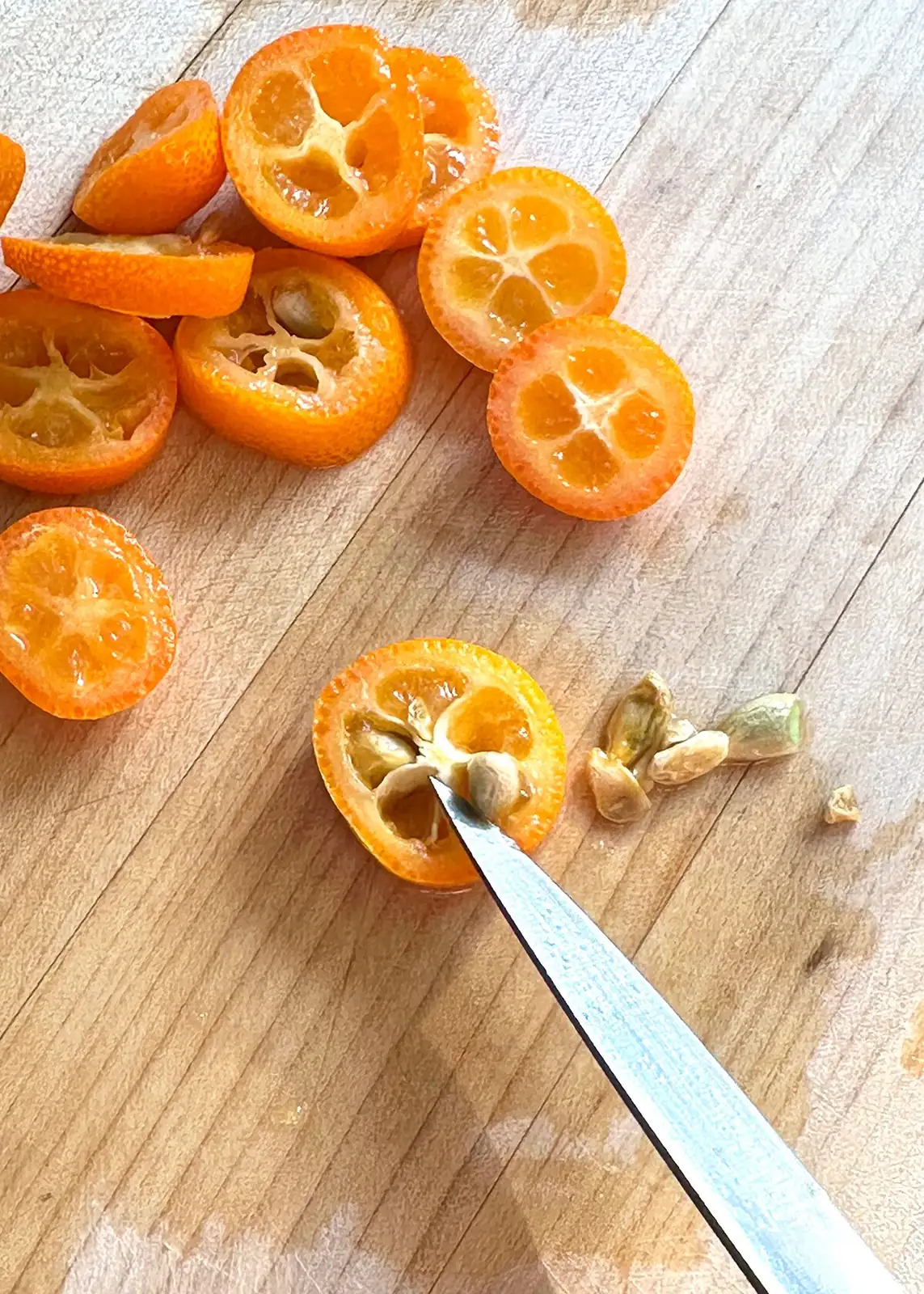
- Deseeding tip: Use the tip of a paring knife; most seeds slip out easily once halved.
Five ultra-fast ideas
- Burrata + kumquat + olive oil + cracked pepper + basil.
- Seared scallops with kumquat rings, brown butter, and thyme.
- Crunchy salad of shaved fennel, arugula, kumquat, toasted almonds.
- Ricotta toast with smashed kumquats, honey, and flaky salt.
- Dark chocolate shards with kumquat slices and roasted pistachios.
The quick-preserve playbook (no canning required)
These are small-batch, peel-on methods that spotlight kumquat’s sweet skin and tangy flesh—perfect for a potted tree’s harvest. Store all preserves refrigerated.
Small-batch kumquat marmalade (peel-forward, bright)
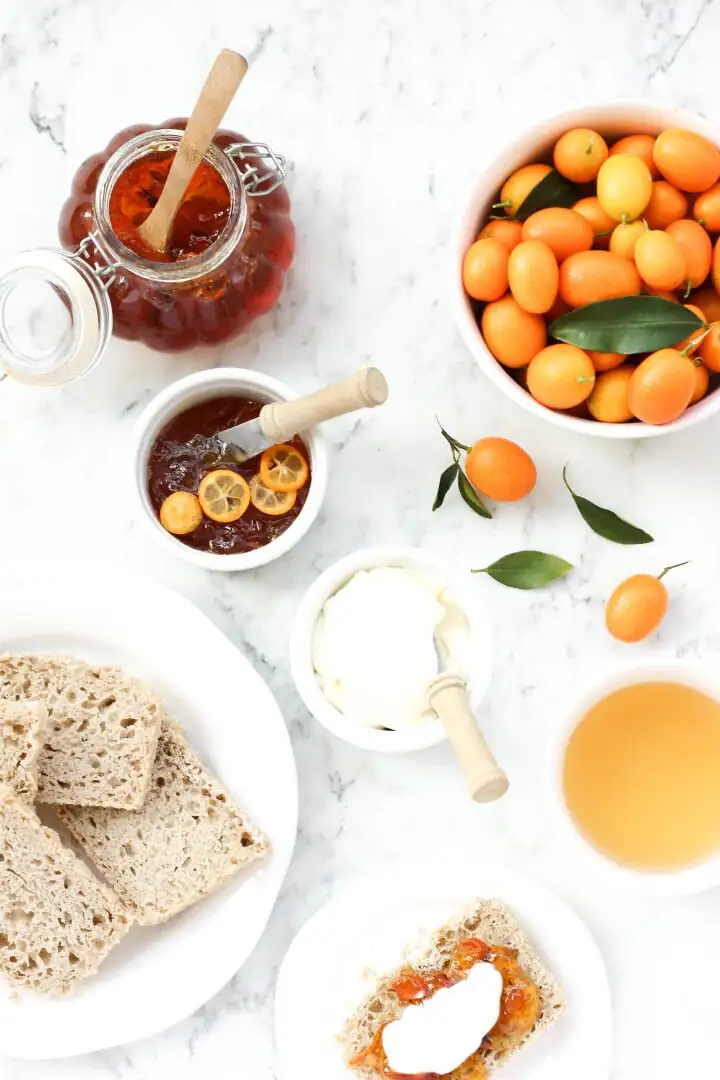
- Prep: Weigh 1 lb (450 g) kumquats. Halve or slice thinly, removing seeds.
- Pot: Add fruit and 1–1¼ cups sugar (70–100% fruit weight to taste), plus 1–1¼ cups water—just enough to swaddle the slices. Optional: 1–2 tbsp Meyer lemon juice for extra sparkle.
- Simmer: Cook over medium, 20–35 minutes, stirring until glossy and lightly thickened. Test a cooled spoonful—it should set softly.
- Jar & chill: Transfer to a clean jar. Keeps 3–4 weeks.
- Flavor twists: Vanilla bean scrapings, a thin slice of fresh ginger, or a whisper of cardamom. Avoid heavy bittering liqueurs if you prefer a bright, peel-sweet profile.
Why it works: Kumquat peel carries natural pectin and sweetness. A modest sugar level keeps the fruit’s sweet skin/tart flesh duet front and center.
20-minute candied kumquats in citrus syrup
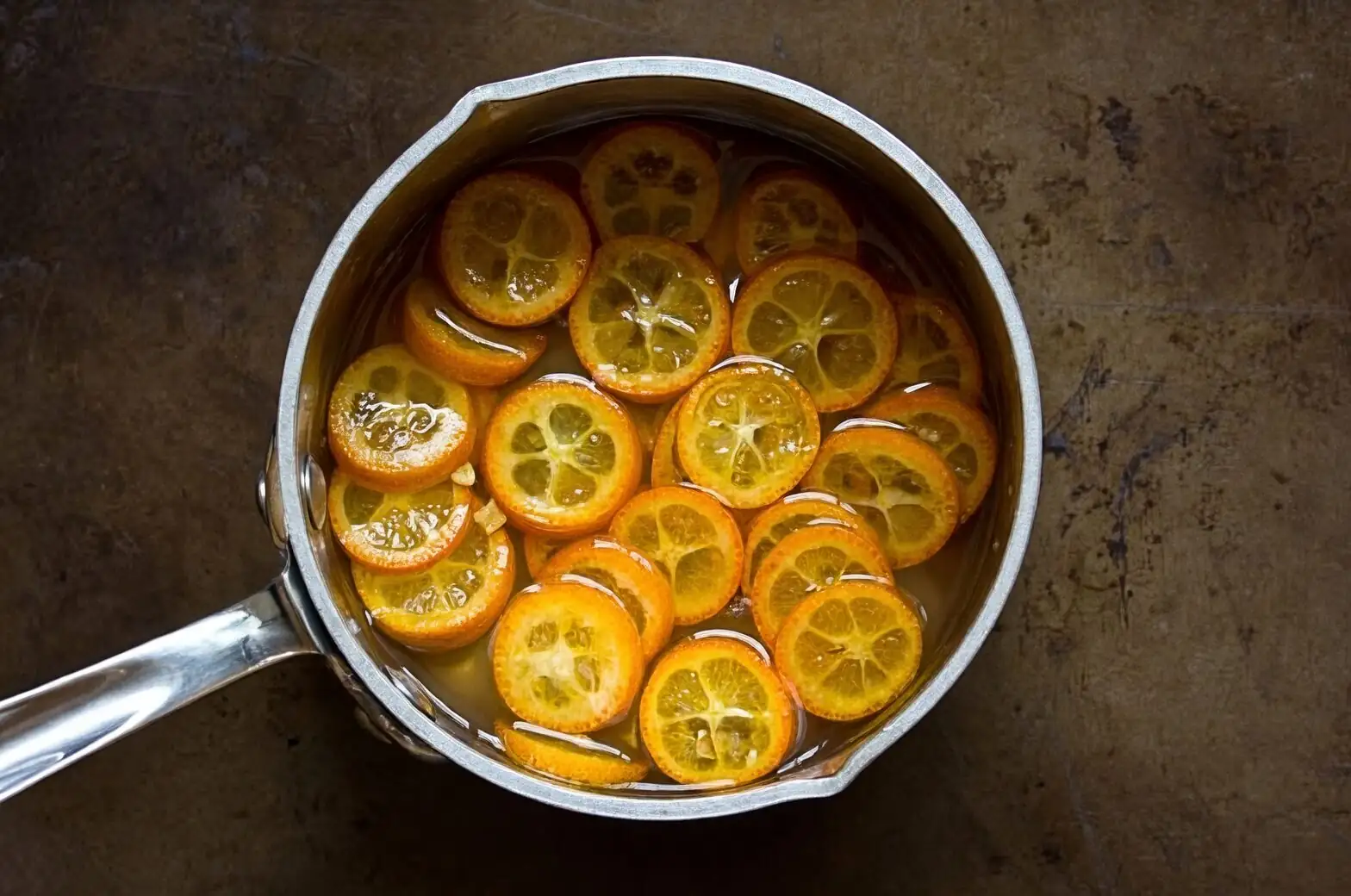
- Optional wax melt: Briefly blanch slices 1 minute, drain, and rinse; this lifts natural wax and any stray seeds.
- Syrup: Simmer 2 cups water with 1–2 cups sugar until dissolved.
- Candy: Add 1 lb sliced, deseeded kumquats; simmer gently until translucent, 15–45 minutes depending on thickness.
- Store: Fruit and syrup together in a glass jar. Keeps 3–4 weeks.
- Gorgeous add-ins: Vanilla bean, crushed ginger, a cinnamon stick, or one star anise pod.
Serve over vanilla ice cream, ricotta pancakes, cheesecake, or spooned onto a cheese/charcuterie board. Don’t waste the syrup—it’s cocktail gold.
Honey-macerated kumquats (tea-and-toast magic)
- Pack a clean jar three-quarters full with thinly sliced, deseeded kumquats.
- Cover completely with runny honey; add a small pinch of salt to brighten.
- Refrigerate 2–7 days, shaking gently. Keeps about a month refrigerated.
- Use: Stir into hot tea, drizzle on yogurt, or swipe onto buttered toast.
Honey pulls juices from the fruit, creating a silken, peel-fragrant elixir.
Quick-pickled kumquats (tangy-sweet pop)
- Pack slices in a heatproof jar with a few peppercorns and a strip of orange peel.
- Heat 1 cup rice vinegar, ½ cup water, ⅓ cup sugar, 1 tsp salt until dissolved.
- Pour hot over fruit, cool, then chill at least 2 hours. Keeps ~2 weeks.
- Serve: With roast pork, fatty fish, or grain bowls; chop into relishes.
Bonus: Kumquat shrub for spritzes
- Massage 1 cup sliced kumquats with 1 cup sugar; rest 12–24 hours chilled.
- Strain the syrup; stir in 1 cup apple cider vinegar. Refrigerate.
- Mix 1 oz shrub with sparkling water or gin. Bright, peel-aromatic, and ultra-refreshing.
Flavor pairing notes that respect the peel-tart duet
Lean into the peel’s gentle sweetness and perfume; let the tart pulp lift fat, salt, and bitter.
- Dairy & desserts
- Fresh cheeses: burrata, ricotta, chèvre
- Custards and creams: panna cotta, crème fraîche, mascarpone
- Chocolate: dark (70%), cocoa nibs, white chocolate for contrast
- Baked: olive oil cakes, almond tortes, poppy seed loaves
- Savory mains
- Fatty cuts: duck, pork belly, roasted chicken thighs
- Seafood: scallops, mackerel, shrimp with chili and garlic
- Bitter/savory greens: radicchio, endive, kale
- Grains & legumes: farro, wild rice, lentils with herbs
- Aromatics & spices
- Ginger, cinnamon, star anise, cardamom
- Rosemary, thyme, basil, mint
- Chili flakes, Sichuan pepper for a tingling echo
- Drinks
- Tea: green, jasmine, or oolong with honey-macerated slices
- Spirits: gin, vodka, or a restrained amaro; use bitter aperitifs sparingly so peel-sweetness shines
- Zero-proof: kumquat shrub + soda; kumquat syrup + tonic + crushed basil
From tree to table: tiny care cues that improve flavor
A happy plant means tastier fruit and fewer drops.
- Light: Bright light to full sun; a sunny east or south window is ideal. In very hot spells, give midday shade to protect leaves and young fruit from scorch.
- Water: Keep the potting mix evenly moist in growth and fruiting—avoid dramatic dry/soak swings that trigger fruit drop. Never let the pot sit in water.
- Winter: Keep above 7°C/45°F; protect from drafts and cold, wet soil. Indoors, a little extra humidity helps the fruit look (and taste) its best.
Culture note: why kumquats glow at Lunar New Year
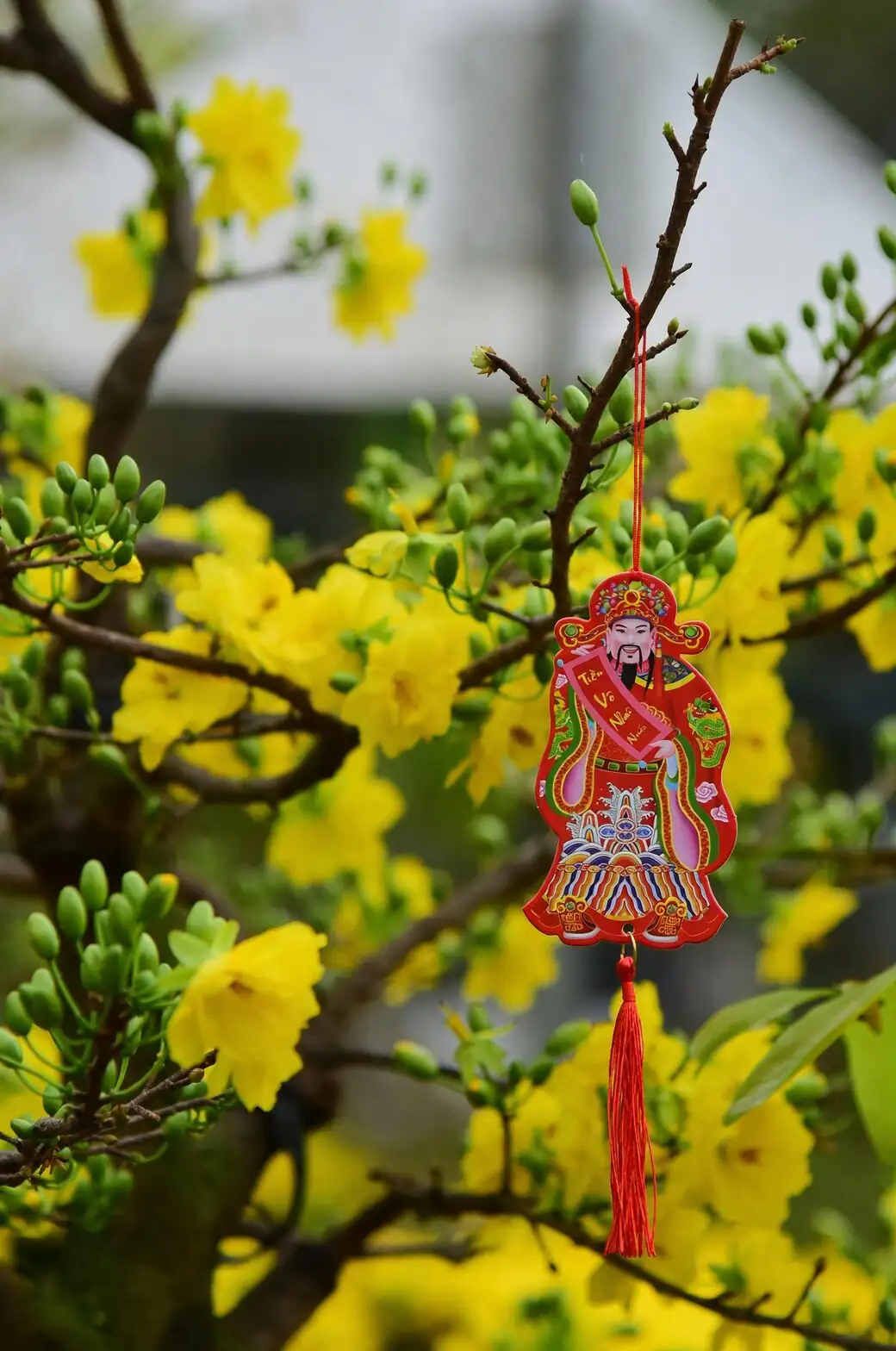
Clusters of golden fruits symbolize prosperity and good fortune in many Chinese households, which is why potted kumquats star in seasonal markets and doorways. Think of this less as a Western “flower language” and more as a long-standing cultural motif: gold-colored abundance welcoming wealth into the home—beautiful, edible décor with meaning.
Troubleshooting taste (keep the peel sweet)
- Peel seems bitter? Your fruit may be under-ripe. Let it fully color on the tree. For preserves, a quick blanch can mellow any edge.
- Too tart overall? Slice and toss with a pinch of sugar and salt; rest 10 minutes. Or fold into honey or syrup-based preparations.
- Texture off? Choose firm, glossy fruits and store cold. Overripe kumquats soften quickly.
Five-minute serving sparks
- Warm olives with thyme, chili, and kumquat rings.
- Shaved Brussels sprouts with pecorino, kumquat, and toasted hazelnuts.
- Yogurt bowl with candied kumquats, pistachios, and sesame.
- Roast chicken pan sauce deglazed with kumquat syrup and white wine.
- G&T with muddled kumquats and a rosemary sprig.
Safety side note: The fruits are edible and generally non-toxic for households, but citrus oils can irritate sensitive skin, and curious pets that chew lots of peel or leaves may get mild stomach upset.
With a potted Citrus japonica, you’re holding an instant pantry: snackable sunshine on the branch, a jar of quick marmalade for toast, a syrup for late-night spritzes, and bright rings to wake up dinner. Peel and pulp together—that’s the kumquat’s genius.