

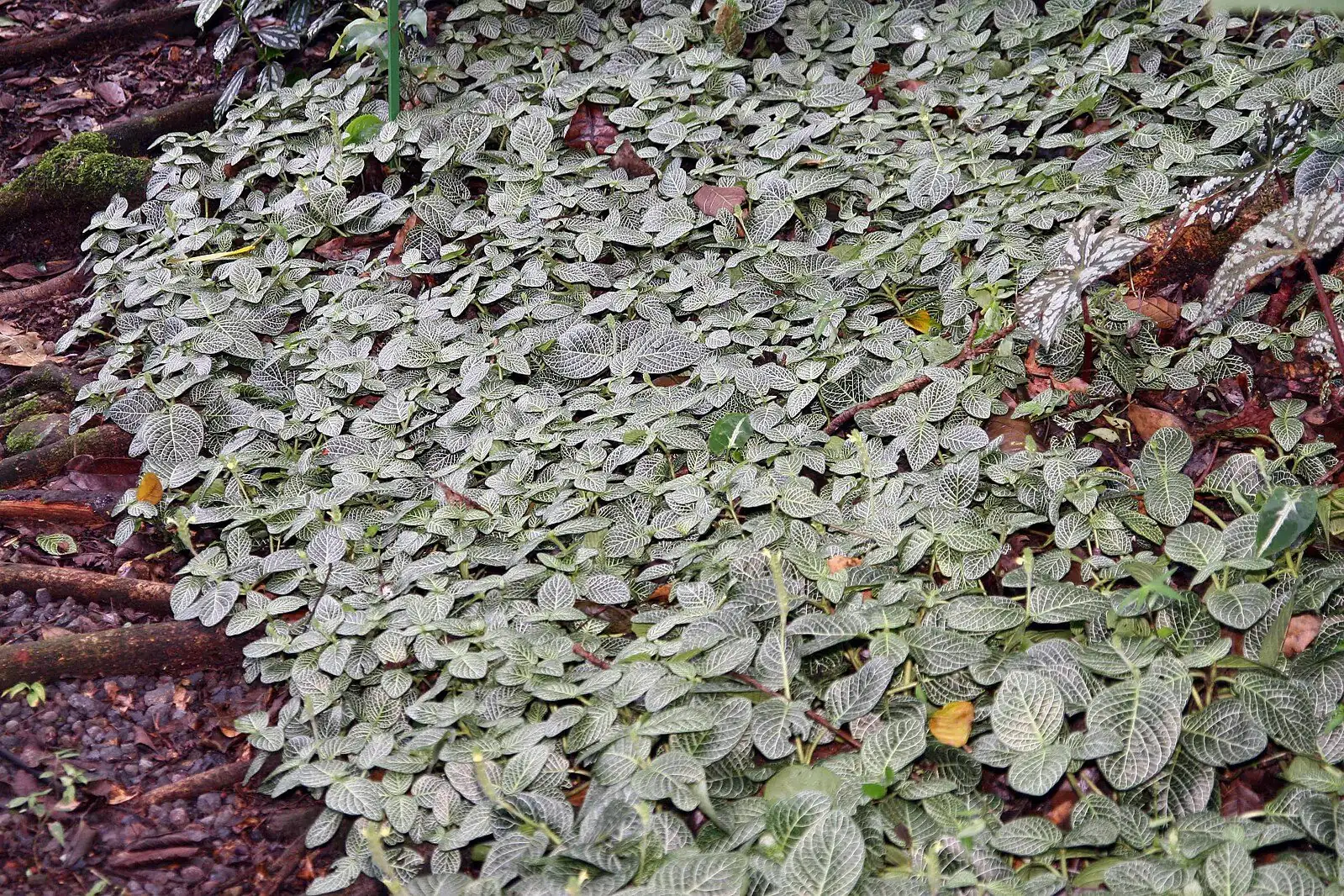
Imagine a carpet of tiny, jeweled leaves creeping over the warm, breathing soil of the Peruvian rainforest. Sunlight filters through layers of canopy like soft green gauze. On the floor, Fittonia verschaffeltii—better known as the nerve plant or mosaic plant—spreads low and wide, stitching the forest in living lace. Today, this same species glows inside glass terrariums and on misty windowsills, its veins bright as drawn maps. How did a shy understory creeper become a modern indoor icon? Let’s follow its journey.
Born in the understory: a rainforest origin story
Native to Peru’s tropical rainforests, Fittonia verschaffeltii evolved to thrive where the forest’s grand architecture turns harsh sunlight into a gentle, dappled glow. On the ground below:
- Light is filtered and brief—perfect for a plant adapted to bright, indirect light and partial shade.
- Air is warm and humid year-round, with leaf litter keeping roots evenly moist but never waterlogged.
- The soil is rich in organic matter from fallen leaves and branches, a natural “duff” that cradles tender roots.
This is precisely why Fittonia loves our bright rooms, terrariums, and shelves—as long as they mimic the rainforest’s steadiness: warm temperatures, high humidity, and gentle, filtered light.
How creeping conquered the forest floor
Look closely and you’ll see Fittonia’s strategy written in its shape.
- Low and spreading: Stems creep and trail, hugging the ground to avoid desiccation and wind. Nodes root readily where they touch moist substrate, letting the plant knit dense mats that claim territory under the canopy.
- Thin, tender leaves: Broad and soft to capture as much low light as possible. The cost is delicacy; the reward is fast response to changing light.
- Netted veins: Those dramatic white, pink, or red veins aren’t just decorative. The bold reticulation supports efficient transport across thin blades, helping each leaf sip precious flecks of understory sun.
In a forest where openings come and go—when a branch falls or a sunfleck drifts—Fittonia’s creeping habit lets it quickly anchor new ground and thicken with ease. Indoors, that same habit makes it a natural for terrariums and as a lush, trailing accent in small pots.
From Wardian cases to modern shelves: a human history
Fittonia carries a whiff of Victorian glasshouse romance. The genus name honors the 19th-century Fitton sisters—Elizabeth and Sarah Mary—whose botanical writings helped popularize plants in an era obsessed with Wardian cases (the first terrariums). Its combination of compact size, humidity-loving temperament, and intricate patterning made it a darling of collectors then and now.
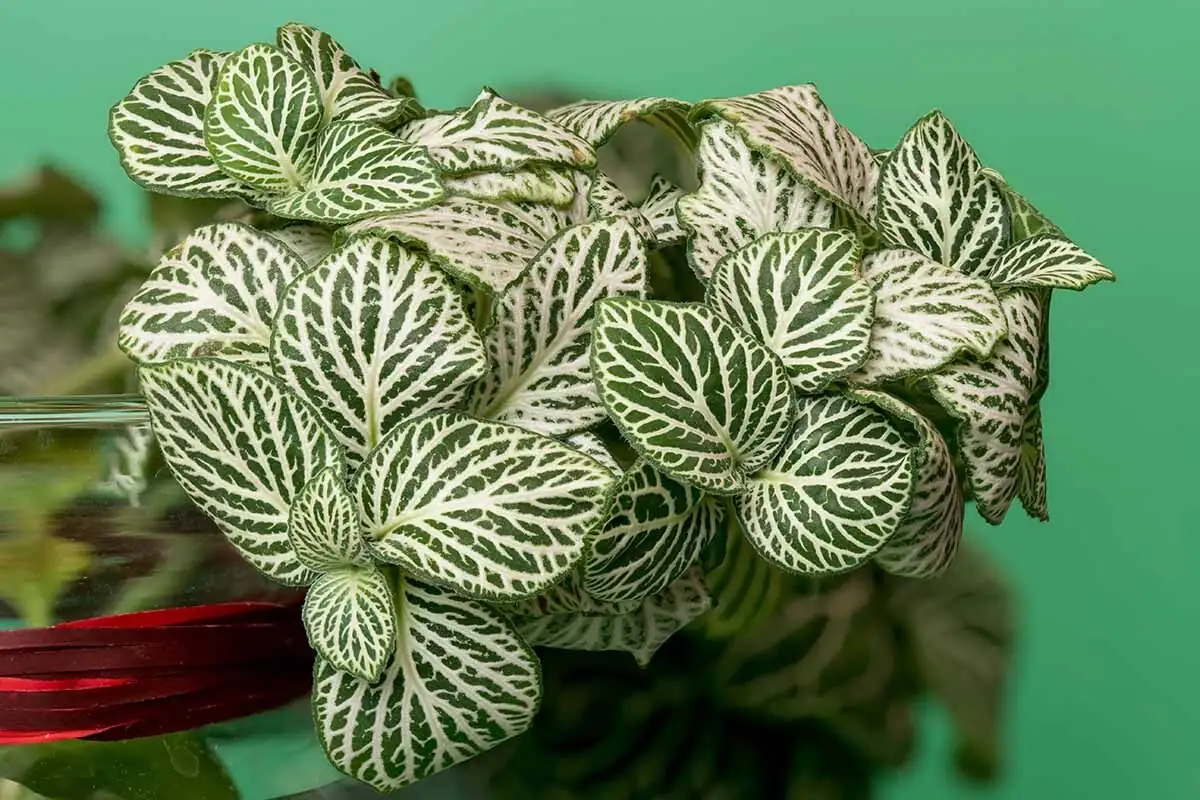
Over time, horticulturists selected forms with different vein colors and leaf sizes. In garden centers today, you’ll often see cultivars grouped by vein tone:
- Argyroneura-type selections with silver to white netting
- Verschaffeltii-type selections with pink to rich red veins
And the beloved trade names keep it fun: look for compact whites and silvers (often sold as “Mini White” or “White Anne”), bright pinks (“Pink Angel,” “Frankie”), and bold reds (“Red Anne,” “Ruby Lime”). Whatever the label, they share the same rainforest temperament—warmth, humidity, and gentle light.
What it looks like up close
- Habit and size: 10–20 cm (4–8 in) tall, typically spreading 20–30 cm (8–12 in) or more. Stems root at nodes, forming a cushiony mat.
- Foliage: Soft, thin blades with high-contrast veining in white, pink, or red. Leaves bruise easily—handle like silk.
- Flowers: Small, modest blooms appear from late spring into early autumn. They’re charming, but the foliage steals the show.
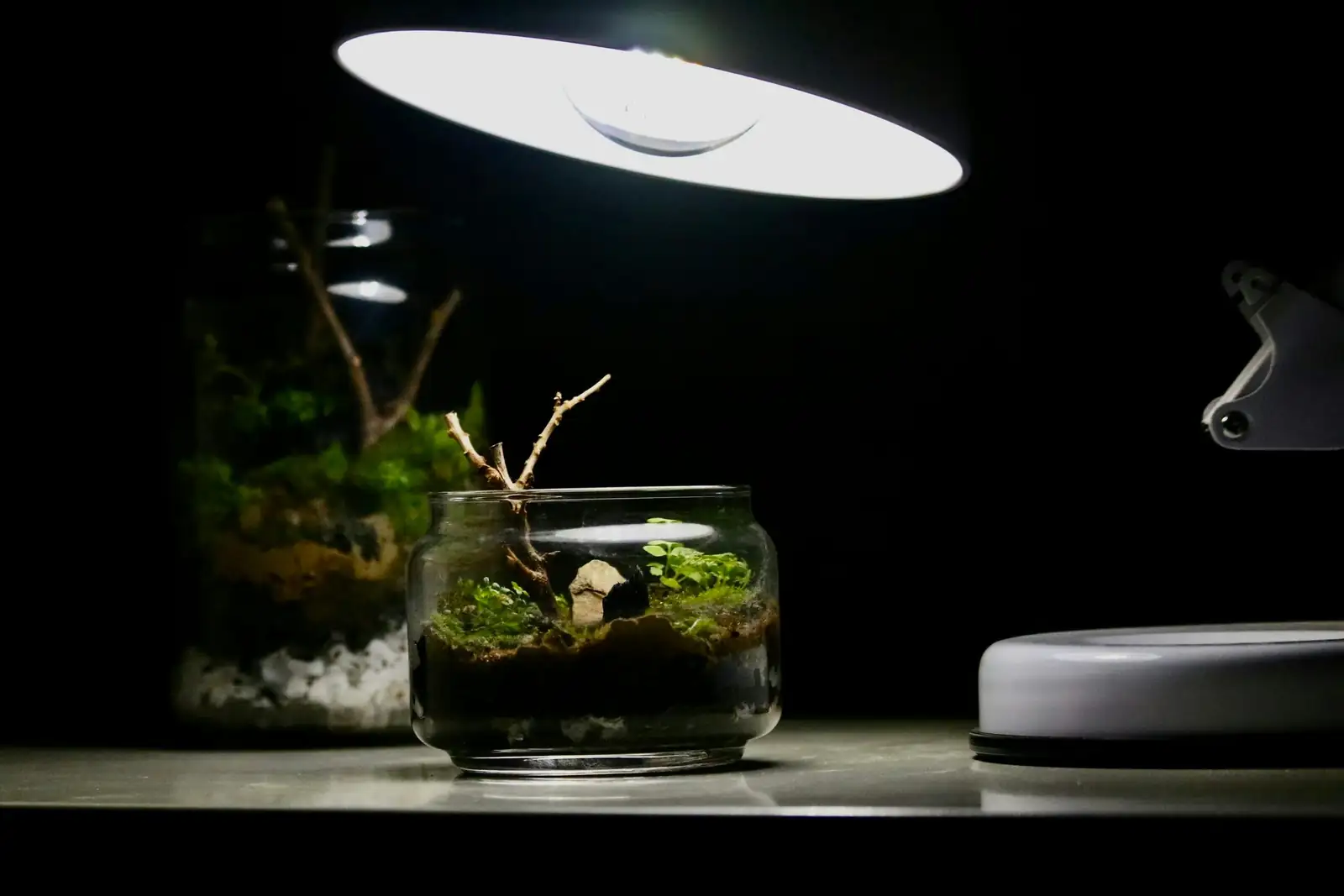
Why terrariums adore Fittonia (and the feeling is mutual)
- Naturally scaled for glass: compact, low, and eager to carpet.
- Humidity-lover: thrives at 50–70%+ humidity, which terrariums deliver in spades.
- Drama and forgiveness: infamous for “fainting” when dry—leaves flop theatrically—but revive quickly after a drink. In a stable terrarium, that drama rarely occurs.
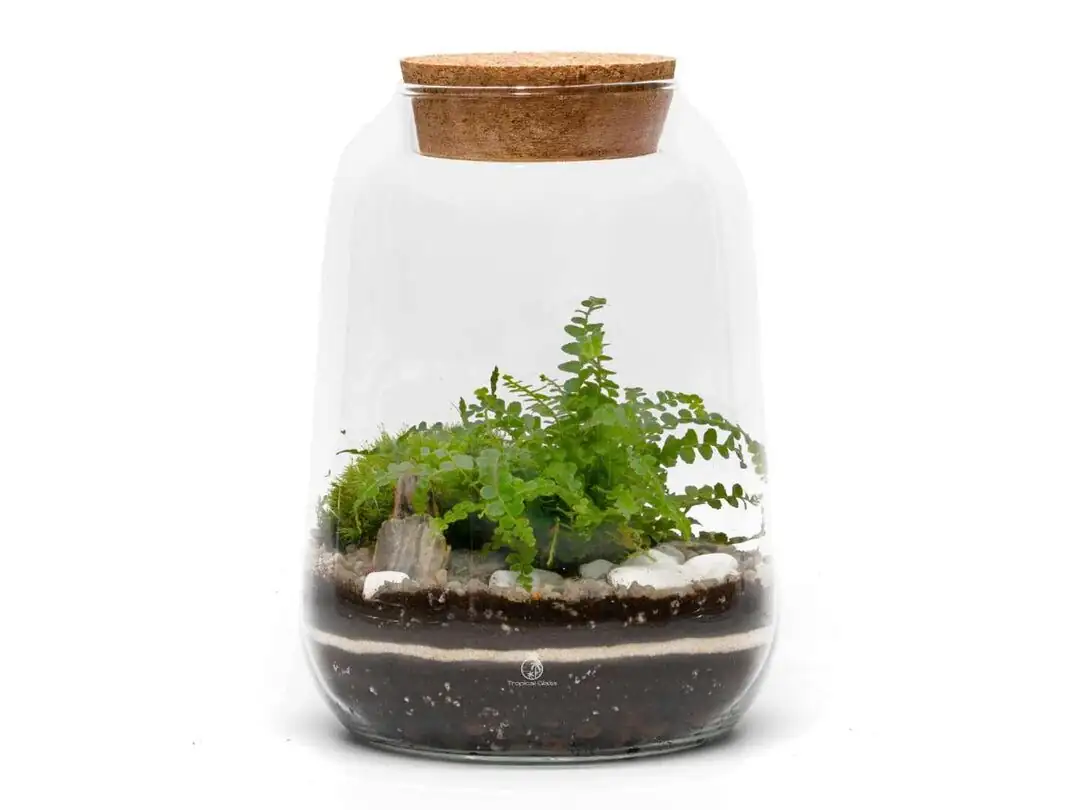
Design tip: Pair Fittonia with mosses, ferns, and miniature aroids under bright, indirect light. Give it a breathable, humus-rich substrate and prune the tips regularly to keep the carpet plush.
Bringing a slice of Peru home: care made clear
- Light: Bright, indirect light to partial shade. A sheer-curtained window is ideal. Avoid harsh direct sun that can scorch leaves.
- Temperature: Best at 18–25°C (64–77°F). Keep above 16°C (61°F) in winter; cold drafts can trigger leaf drop.
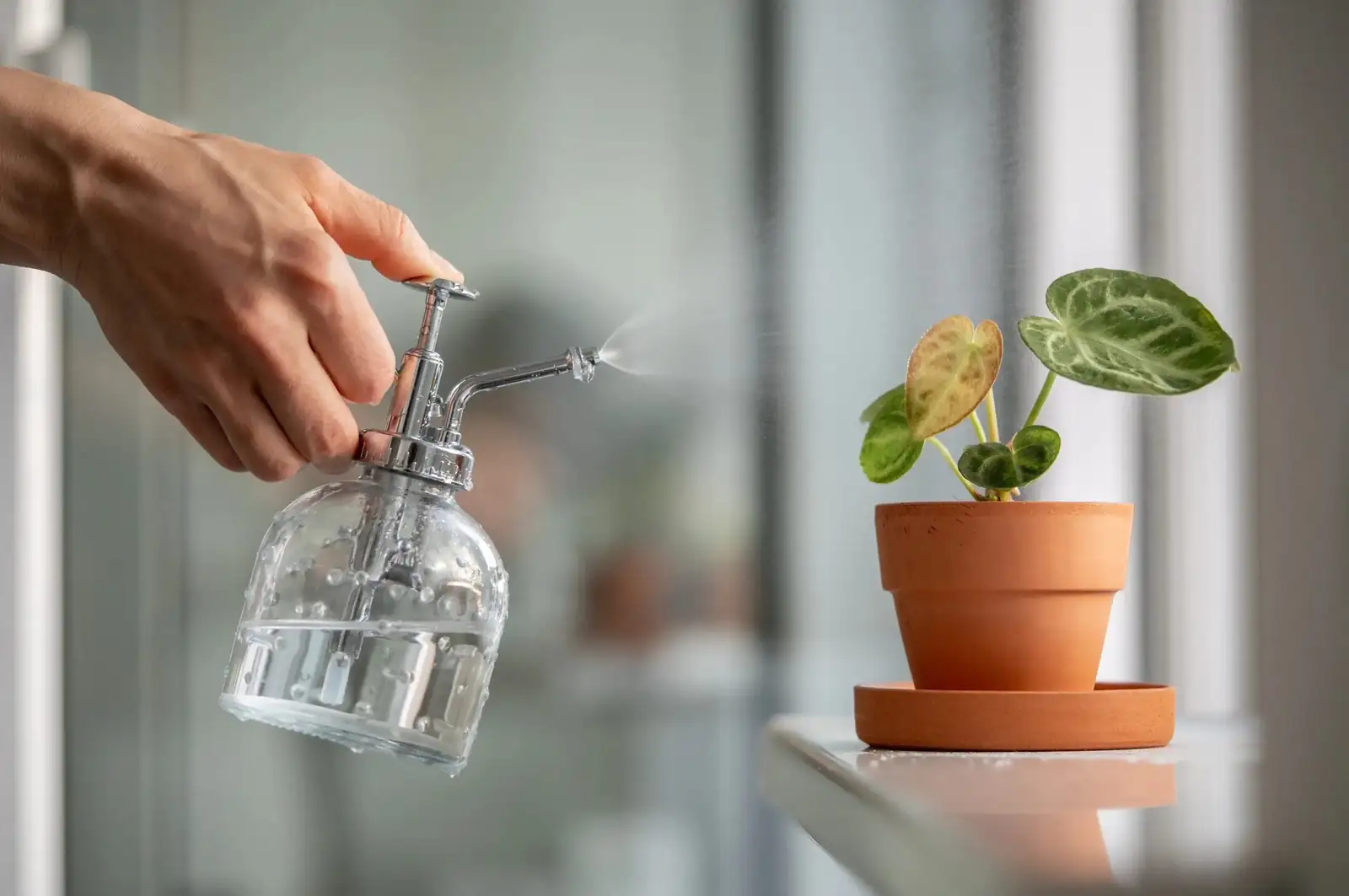
- Humidity: Aim for 50–70%+. Use a pebble tray, humidifier, or terrarium. Mist the air around the plant when dry, but don’t leave water sitting on leaves overnight.
- Watering: Keep the mix evenly moist. Do not let it fully dry out, but avoid soggy soil. In winter, water a bit less—never to dryness—and do it at midday in a warm room.
- Soil: Rich, humus-heavy, well-drained mix. A peat- or leaf-mold–based blend with perlite or coarse sand works beautifully.
- Feeding: In spring and summer, feed every two weeks with a diluted, balanced fertilizer (such as 20-20-20). Start once you see new growth.
- Pruning: Pinch tips often for a bushy look. Remove yellowing leaves promptly. Many growers “restart” older plants after about two years by re-rooting fresh cuttings.
- Propagation: Very easy. Take 10 cm (4 in) tip cuttings with 3–4 nodes, remove lower leaves, and insert into moist peat-based mix or sand. Keep near 20°C (68°F); roots form in 2–3 weeks. You can also divide rooted runners.
- Repotting: Refresh annually in spring. Commonly grown in 12–15 cm (4.7–5.9 in) pots; several young plants per pot give that lush, carpeted effect.
- Hardiness and placement: Frost-tender; best outdoors only in USDA Zones 11–12. Elsewhere, grow indoors away from AC/heater vents and drafts.
Pet-friendly note: Generally considered non-toxic to cats and dogs, though a nibble can still upset sensitive stomachs.
Troubleshooting: quick reads of leaf language
- Leaves curling or wilting: Usually dryness or low humidity. Water thoroughly and boost humidity; recovery can be dramatic and fast.
- Yellowing, soft leaves: Likely overwatering and low airflow. Improve drainage and let excess moisture escape.
- Pests: Scale, spider mites, and aphids may appear—mites especially in dry air. Rinse foliage, raise humidity, and use insecticidal soap or horticultural oil as needed.
- Leggy growth: Not enough light or too infrequent pinching. Move to brighter, indirect light and tip-prune.
A year in the life
- Spring–summer: Active growth. Keep evenly moist, feed lightly but regularly, and pinch for shape. Expect tiny flowers late spring through early autumn.
- Autumn: If summered outdoors in a protected, shaded spot, bring inside before nights dip. Keep conditions steady.
- Winter: Slightly reduce watering (never to dryness), water at midday, and hold temperatures above 16°C (61°F).
Cultivars to meet and love
- White-veined classics: crisp, map-like foliage that brightens shade (“White Anne,” “Mini White”).
- Pink-veined charmers: playful splashes that glow under soft light (“Pink Angel,” “Frankie”).
- Red-veined standouts: dramatic, high-contrast carpets (“Red Anne,” “Ruby Lime”).
Tip: Names vary by nursery; choose by vein color, leaf size, and overall fullness.
Symbolism: what the “nerve” lines suggest
Fittonia is sometimes associated with Virgo and said to symbolize rationality and wisdom—apt for leaves that look like anatomical diagrams or city grids. This symbolism is modern and horticultural in spirit, not an ancient legend: those visible veins invite us to think about systems—circulation, order, pattern—and the beauty of structure in living things. In a study or on a desk, it’s a quiet emblem of clear thinking.
From rainforest to glass garden
Fittonia verschaffeltii has traveled from Peru’s shaded floor to our brightest indoor corners by leaning into what it does best: creeping steadily, drinking humidity, and turning veins into art. Give it warmth, gentleness, and a little mist, and it will repay you with a living tapestry—one that echoes the rainforest every time the leaves unfurl.


