

If you’ve ever watched a China Doll Plant (Radermachera sinica) pout after a room move, you know she’s particular. The good news? Propagating her isn’t! With steady warmth, bright filtered light, and a smart humidity setup, semi-mature tip cuttings root predictably in about 5–6 weeks. Below you’ll find day-by-day timelines, two rooting methods (peat/sand vs. decorative stones for semi-hydro displays), and exactly how to dose nutrients once your baby plant is living in stones.
Known also as China Doll, Chinese Trumpet Tree, Emerald Tree, and Serpent Tree, this glossy, tiered beauty rewards precision with lush, compact growth. Let’s get you a new generation of “happiness trees.”
The game plan at a glance
- Best season: Late spring through summer.
- Cutting type: Semi-mature tip cuttings, 12–20 cm (4.7–8 in).
- Prep: Remove lower leaves; keep 2–4 small top leaves (trim large ones by half).
- Root-zone temperature: 22–26°C (72–79°F) is the sweet spot.
- Light: Bright, indirect—no harsh midday sun.
- Humidity: High for rooting (domed), with gentle airflow.
- Media options:
- Fastest, highest strike rate: 1:1 peat (or coco) and coarse sand/perlite.
- Display-forward option: Decorative stones (semi-hydro/water culture).
- Typical rooting time: About 35–40 days.
- Semi-hydro nutrition: Top up water weekly; add a hydroponic nutrient solution about monthly.
Choose and prepare your cuttings (Day 0)
- Select healthy, semi-mature shoots (not soft new growth, not fully woody). Morning harvest is ideal.
- Take 12–20 cm tips with at least 3–4 nodes.
- Make the basal cut just below a node with a sterile blade; immediately bag or wrap to prevent wilting.
- Strip lower leaves; keep 2–4 at the top. Halve large leaflets to reduce transpiration without halting photosynthesis.
- Optional but helpful: Dip the base in a mild rooting hormone (IBA/NAA, low concentration). Tap off the excess.
- Label each cutting with date and method.
Pro tip: Work clean. Wipe tools and pots with 70% isopropyl alcohol; use fresh medium. China Doll is drama-averse when it comes to rot.
—
Method A — Rooting in peat/sand (your high-success workhorse)
This is the go-to for dependable, even rooting.
Materials
- Small nursery pots or plug trays with drainage
- Mix: 1:1 peat (or coco coir) and coarse sand/perlite
- Clear humidity dome/prop box (with adjustable vents)
- Spray bottle, thermometer/hygrometer, and optionally a heat mat to hold 22–26°C
Setup
- Pre-moisten the mix until evenly damp but not soggy; squeeze a handful—no drips.
- Insert cuttings so at least one node is buried.
- Firm gently so the stem won’t wobble.
- Dome the tray; place in bright, filtered light.
Day-by-day timeline (Week 0–6)
- Days 1–3:
- Keep 22–26°C, bright indirect light.
- Dome vents mostly closed; target 85–95% RH.
- No direct sun on the dome (prevents overheating).
- Days 4–7:
- Briefly crack vents for 15–30 minutes daily to refresh air.
- Keep the medium just moist; mist the dome, not the leaves.
- Expect leaves to stay firm; minor flagging at day’s end can be normal.
- Days 8–14:
- Open vents to 25–50% for 1–2 hours/day.
- Begin the “tug test” around Day 12: a faint resistance suggests callusing/early roots.
- Maintain even moisture; avoid wet feet.
- Days 15–21:
- First fine roots often appear now.
- Vent 50% for several hours daily; keep temperatures steady.
- If any leaf yellows, remove it to reduce fungal risk.
- Days 22–28:
- Most viable cuttings show definite resistance.
- Gently lift one sacrificial cutting to check: 1–2 cm roots = success.
- Start hardening: vent half-open most of the day; close at night if your room is dry.
- Days 29–35:
- Roots should reach 2–4 cm. Now you can gradually wean off the dome over 3–4 days.
- Keep light bright but not harsh; don’t change locations abruptly.
- Days 35–40:
- Transplant to a loose, well-draining potting mix (quality potting soil + leaf mold/compost + coarse sand or perlite).
- Resume a gentle feeding rhythm in the growing season (about monthly with a balanced fertilizer at diluted strength).
- Keep moisture even; do not let the root ball dry out completely.
Why this works: The airy, sterile texture plus high humidity and a warm, stable root zone mirror this species’ preference for bright, warm, consistently moist conditions—minus the rot risks of heavier soils.
—
Method B — Rooting and growing in decorative stones (semi-hydro)
This is both practical and pretty. You’ll display your new China Doll in clean stones, then maintain with low-effort top-ups. Rooting can be slightly slower than peat/sand, but it’s very doable with care.
Two routes you can take
- Route 1 (easier for beginners): Start your cutting in plain water, then move to stones once roots are 2–3 cm long.
- Route 2 (direct semi-hydro): Set the cutting straight into clean decorative stones with a shallow water reservoir.
Both routes want the same environment: 22–26°C, bright filtered light, and a loose humidity dome to prevent desiccation early on.
Materials
- Glass or plastic container (opaque sides reduce algae, but clear lets you monitor roots)
- Smooth decorative stones (thoroughly cleaned/boiled and cooled)
- Humidity dome or a loose clear bag
- Hydroponic nutrient solution (balanced, complete)
- Turkey baster or syringe for easy water changes/top-ups
Setup: Direct in stones (Route 2)
- Fill the container 1/3 with stones.
- Place the cutting so the basal node sits 1–2 cm above the container base.
- Add more stones to support the stem upright.
- Add water to create a reservoir 1–2 cm deep—just enough so the lowest stones sit in water and wick moisture upward to the cutting’s base. Do not drown the stem.
- Dome loosely for humidity; avoid direct sun.
Day-by-day in stones (Week 0–6)
- Days 1–3:
- 22–26°C; bright, indirect light.
- Dome on; keep condensation light (briefly air if foggy).
- Pure water only at first; change if it clouds.
- Days 4–7:
- Refresh the water once mid-week.
- Keep the waterline shallow (1–2 cm). The base should be in the moist zone, not submerged.
- Days 8–14:
- First callus forms; tiny roots may begin.
- If the cutting looks turgid and healthy by Day 10, you can add a teeny nutrient hint on Day 14: 1/8-strength hydroponic feed. Otherwise continue plain water.
- Days 15–21:
- Weekly water refresh; rinse stones if biofilm appears.
- Continue 1/8-strength nutrients once; keep reservoir small.
- Gentle tug resistance indicates root nubs.
- Days 22–28:
- Roots should reach 1–2+ cm.
- Shift to 1/4-strength nutrient solution once during this period.
- Maintain the shallow reservoir; avoid flooding the stem.
- Days 29–35:
- Establishing roots. Keep light bright but filtered.
- If growth looks pale, improve light (still indirect) rather than increasing feed.
- Days 35–40:
- You can now run this as an ongoing semi-hydro display:
- Keep a shallow reservoir and top up water about weekly.
- Add a hydroponic nutrient solution about monthly.
- Rinse stones and refresh thoroughly if salts or algae build up.
Notes for Route 1 (water first, then stones): Root in plain water near bright filtered light at 22–26°C. Change water weekly. Once roots are 2–3 cm, transfer into stones with a 1–2 cm reservoir. Start at 1/8-strength feed after transplant; move to monthly 1/4-strength maintenance once the cutting resumes growth.
—
Fine-tuning nutrients for semi-hydro
- Frequency: Add hydroponic nutrient solution about once a month for established plants. Between feedings, top up plain water as it evaporates.
- Strength: Use a balanced, complete formula at 1/8–1/4 label strength for China Doll’s modest needs. If you track TDS/EC, keep it gentle.
- pH: Slightly acidic is ideal (around 5.8–6.3 helps micronutrient uptake).
- Flushes: If you notice salt crust on stones or a sticky film, rinse stones and container, and reset with fresh water.
- Seasonal note: Feed during active growth; pause during extreme summer heat spells and in winter when growth slows.
—
Light, heat, and humidity cues (for both methods)
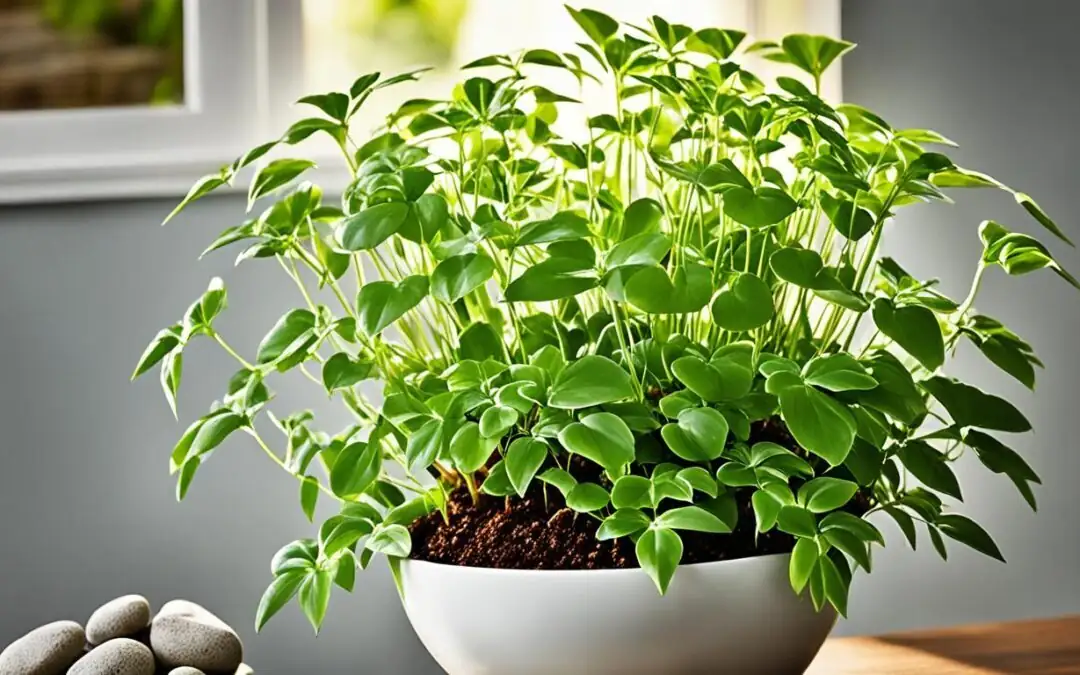
- Light: Bright, indirect is perfect; protect from harsh midday sun. Think airy east light or filtered south exposures.
- Temperature: Aim for 22–26°C while rooting; the plant grows well in 20–30°C. Avoid chills—below about 12°C indoors can cause leaf drop; below 5°C risks serious injury.
- Humidity: Rooting appreciates high humidity under a dome, but always pair humidity with airflow. Once rooted, the plant is fine in typical indoor air, though it does best at roughly 60%+ RH.
—
Troubleshooting your timeline
- Base turning black or mushy:
- Too wet or too cold. Lift the stem slightly higher in stones; refresh medium; keep the root zone warm and well-oxygenated.
- Leaves crisping or curling:
- Air too dry or light too strong. Increase humidity under the dome and pull back from direct rays.
- No roots after 30 days:
- Check temperature (must be consistently warm), refresh the medium/stones, improve brightness (still indirect). Try a fresh cutting if the stem looks tired.
- Algae in stones:
- Rinse stones; switch to an opaque container or reduce light to the reservoir.
- Sudden leaf drop after potting-on:
- China Doll is change-sensitive. Keep conditions steady, light bright and filtered, and moisture even. It typically rebounds once settled.
Pests to watch: Scale and whiteflies can show up, especially in warm, still rooms. Inspect undersides, isolate if needed, and treat early with horticultural oil or insecticidal soap.
—
Aftercare: From first roots to a tidy mini tree
- In potting mix:
- Use a loose, well-draining blend (quality potting soil + leaf mold/compost + coarse sand/perlite).
- Water to keep evenly moist during growth; never let the entire root ball go bone-dry.
- Feed about monthly in season with a balanced fertilizer at diluted strength; stop in winter.
- In stones (semi-hydro/water culture):
- Top up water about weekly, adjusting to evaporation.
- Add hydroponic nutrient solution about monthly.
- Keep bright, filtered light and warm, steady temps.
- Shape early:
- Pinch new tips regularly to build that signature layered, bushy canopy.
—
Quick FAQs (propagation-focused)
- When exactly should I take cuttings?
- Late spring to summer, when growth is active and warmth is reliable.
- How long until roots form?
- Commonly 5–6 weeks (around 35–40 days) in warm, bright conditions.
- Can I grow from seed?
- Yes. Sow in spring; germination often occurs in about 2–3 weeks at 18–21°C.
- Is it pet-safe?
- Generally regarded as non-toxic to people and pets. Still, keep all houseplants out of nibbling range.
—
A note on “happiness” symbolism (花语)
In many markets, Radermachera sinica is sold as the “Happiness Tree” (幸福树). The symbolism is modern and aspirational rather than rooted in old folklore: a well-kept, ever-green “mini tree” standing for prosperity, diligence, and calm focus—perfect for a study or office. In short, the message is simple: keep conditions steady and your China Doll thrives—may your home life follow suit.
—
With a warm 22–26°C root zone, bright filtered light, a humidity dome you manage like a pro, and your choice of peat/sand (for speed) or decorative stones (for style), Radermachera sinica is wonderfully cooperative. Set the stage, follow the timeline, and in about six weeks you’ll have fresh, glossy tiers to prove it.