

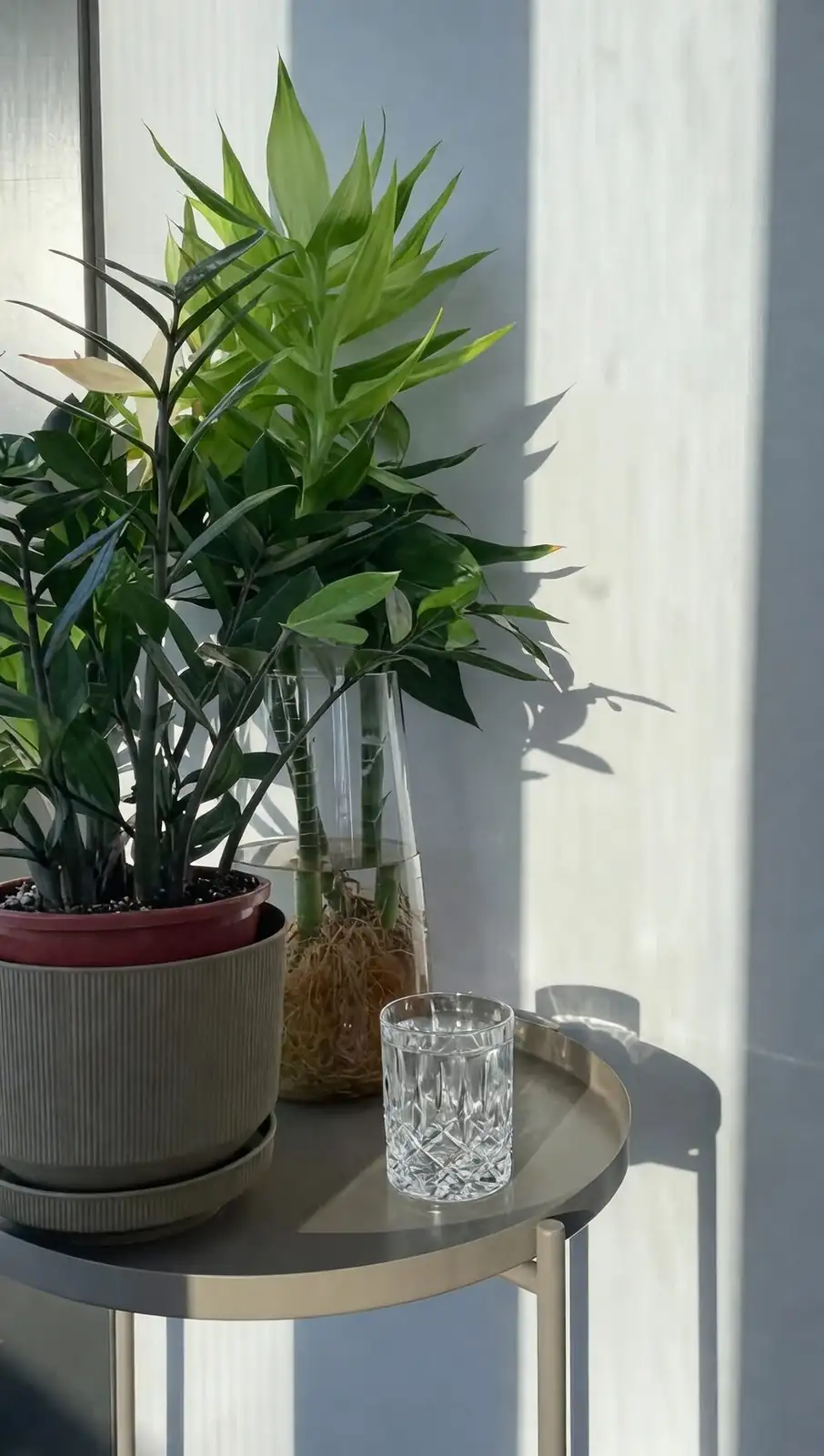
Want a foolproof way to turn one Dracaena sanderiana (lucky bamboo) into many? This is your pro-level, step-by-step on both tip cuttings and stem-section cuttings, rooted in either clean water or a light mix. We’ll obsess over sterile tools, dial in 25–30°C warmth, master humidity, time water changes, add charcoal like a seasoned grower—and map out week-by-week milestones so you’ll know exactly what “normal” looks like.
Before we dive in: lucky bamboo isn’t bamboo at all. It’s a warm-loving Dracaena from West Africa that thrives in bright, indirect light and takes pruning like a champ. That’s why propagation is so satisfying: it re-sprouts from nodes, roots readily, and makes elegant new plants for desks, gifts, or architectural arrangements.
Tools, prep, and hygiene (your success insurance)
- Sharp, clean pruners or a knife (sterilize with 70% isopropyl alcohol or a flame, then let cool)
- Clean vases or small pots with drainage
- Dechlorinated water (let tap water stand 24 hours, or use filtered)
- Activated charcoal (aquarium grade) or a pinch of clean hardwood ash
- For mix rooting: washed sand or a light, well-drained houseplant mix with some perlite
- Optional: heat mat set to 25–30°C (77–86°F), clear humidity bags or a domed tray, plant labels, stakes, and rinsed pebbles
- Cleaning routine: scrub containers and pebbles; a 10% bleach dip followed by a thorough rinse keeps rot and algae at bay
Pro tip: Set up your rooting station away from direct sun and cold drafts. Warmth, hygiene, and patience do the heavy lifting.
Choose and make your cuttings
Tip cuttings (great for water or mix)
- Select a healthy cane and cut just below the leaf line.
- Aim for 20–25 cm (8–10 in) with at least one node in the lower section.
- Strip off lower leaves so no foliage sits under water or buried in mix.
Why pros love it: You get a handsome, leafy cutting that often roots in about 3 weeks at the right temperature.
Stem-section cuttings (multiply fast)
- Use mature canes and cut into 10–15 cm (4–6 in) sections, each with 1–2 nodes.
- Mark the “top” of each section before cutting; polarity matters (roots form more readily from the lower node).
- If you’re unsure about orientation, lay sections horizontally on mix or keep them just partially submerged in water so nodes can decide for you.
Don’t forget the mother plant: leave a good stump—around 15 cm (6 in) above the base. It will typically re-sprout from nodes and fill back in.
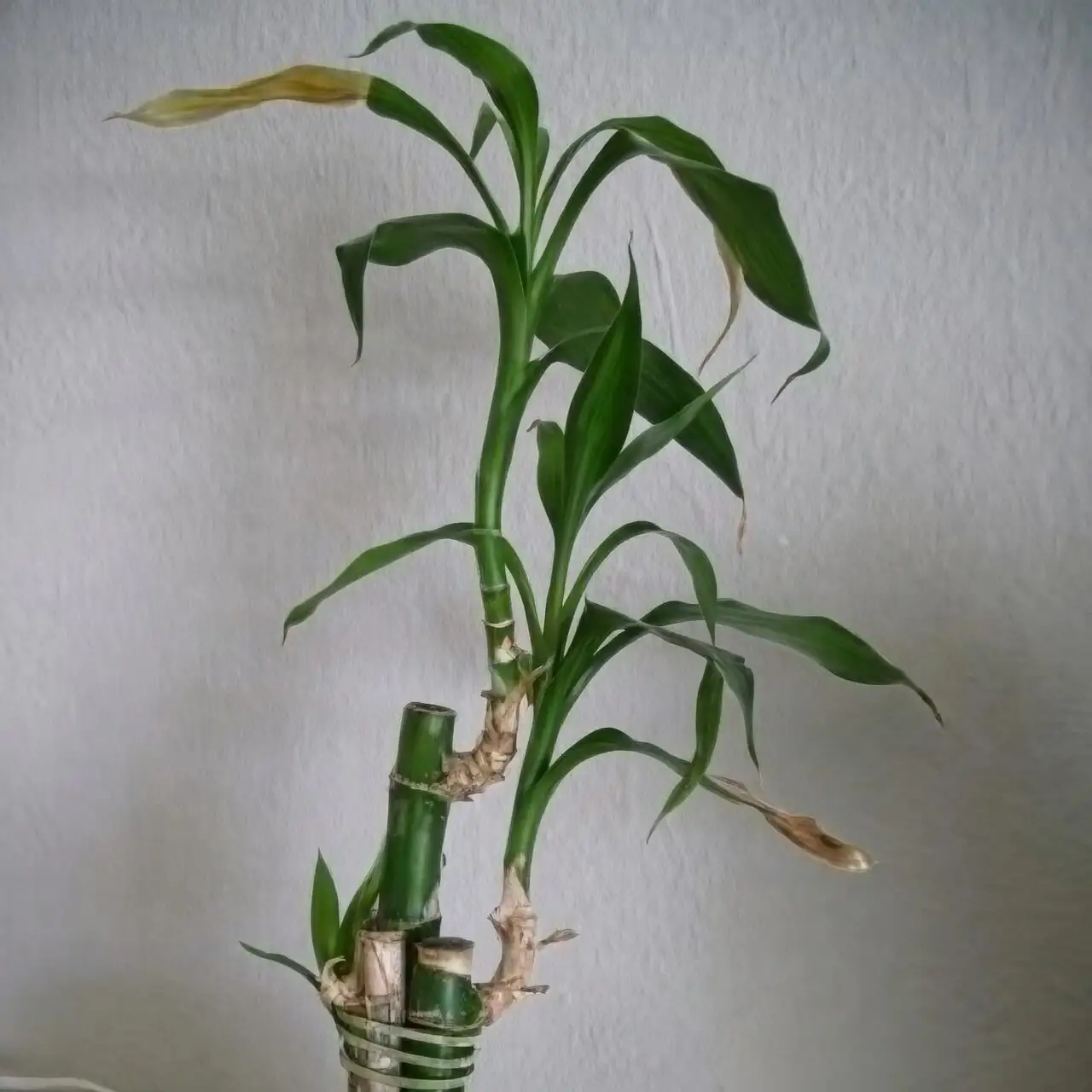
Rooting in water: the clean‑vase method
- Fill a spotless vase with dechlorinated water. Optional: add a tiny pinch of activated charcoal (it helps adsorb impurities but doesn’t replace water changes).
- Submerge 2–5 cm (about 1–2 in) of stem so at least one node is under water; keep leaves high and dry.
- Place in bright, indirect light—think 50–70% filtered light (an east window or south window with a sheer).
- Keep it warm: 25–30°C (77–86°F) is the sweet spot for quick rooting.
- Humidity 50%+ is ideal; in hot, dry conditions, mist leaves lightly 2–3 times a day.
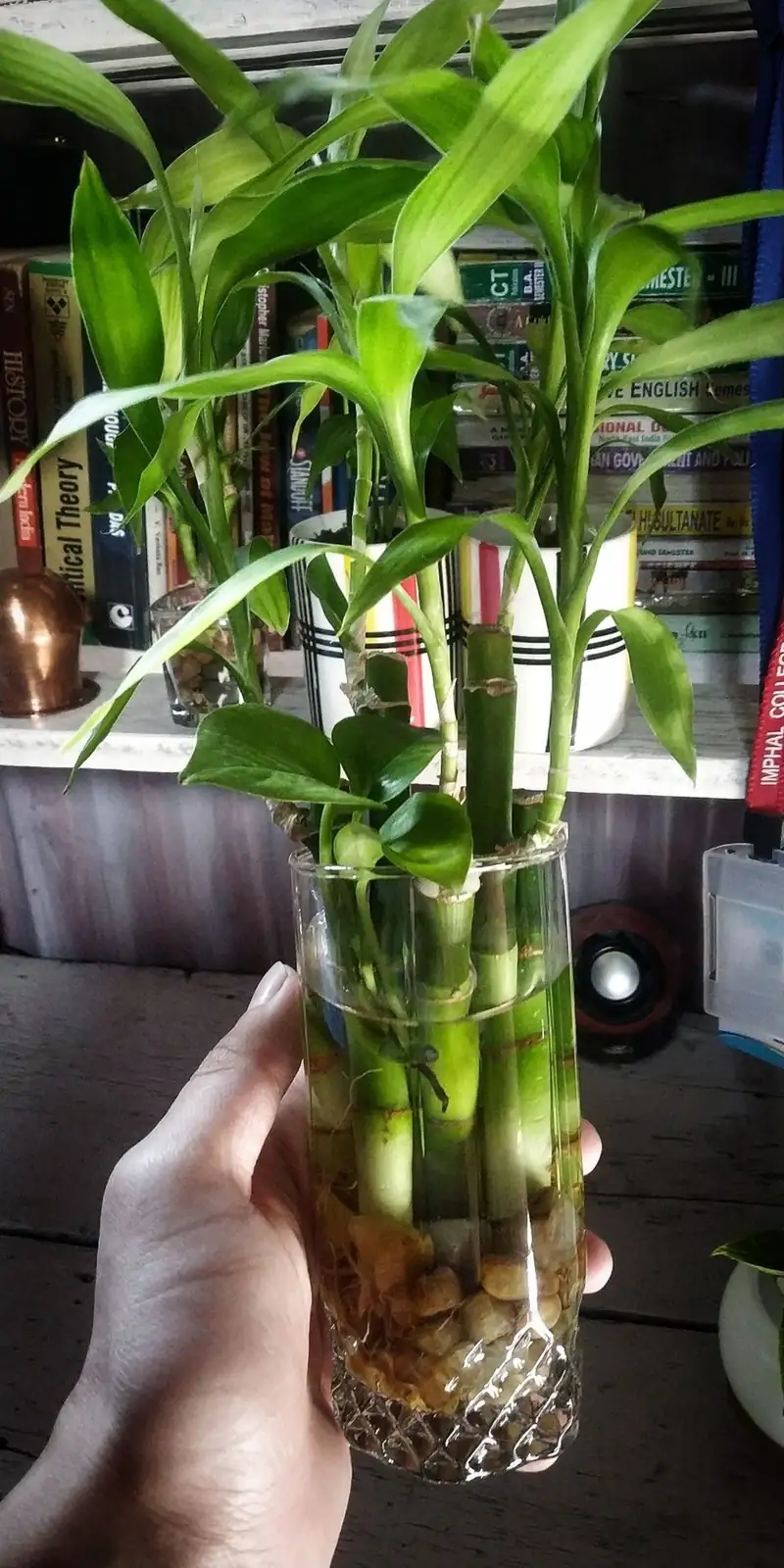
Water-change cadence:
- Fresh cuttings: change every 3–4 days, rinse the vase, and swish off any slime.
- Once rooted: change about weekly. Trim off any mushy roots during changes.
Pebbles optional: If you like the look, rinse well and keep your hygiene routine tight to discourage algae.
Rooting in mix: the fast‑callus method
- Medium: moist washed sand or a light houseplant mix with added perlite for airflow.
- Dust the cut end lightly with powdered charcoal or clean wood ash (optional but time-tested to discourage rot). Rooting hormone is optional; D. sanderiana usually doesn’t need it.
- Insert the lower node just below the surface. Firm the mix to eliminate big air gaps.
- Create a humid microclimate: a clear bag or dome works—vent daily for fresh air.
- Keep at 25–30°C and in bright, indirect light. Water just enough to keep the mix evenly moist, never soggy.
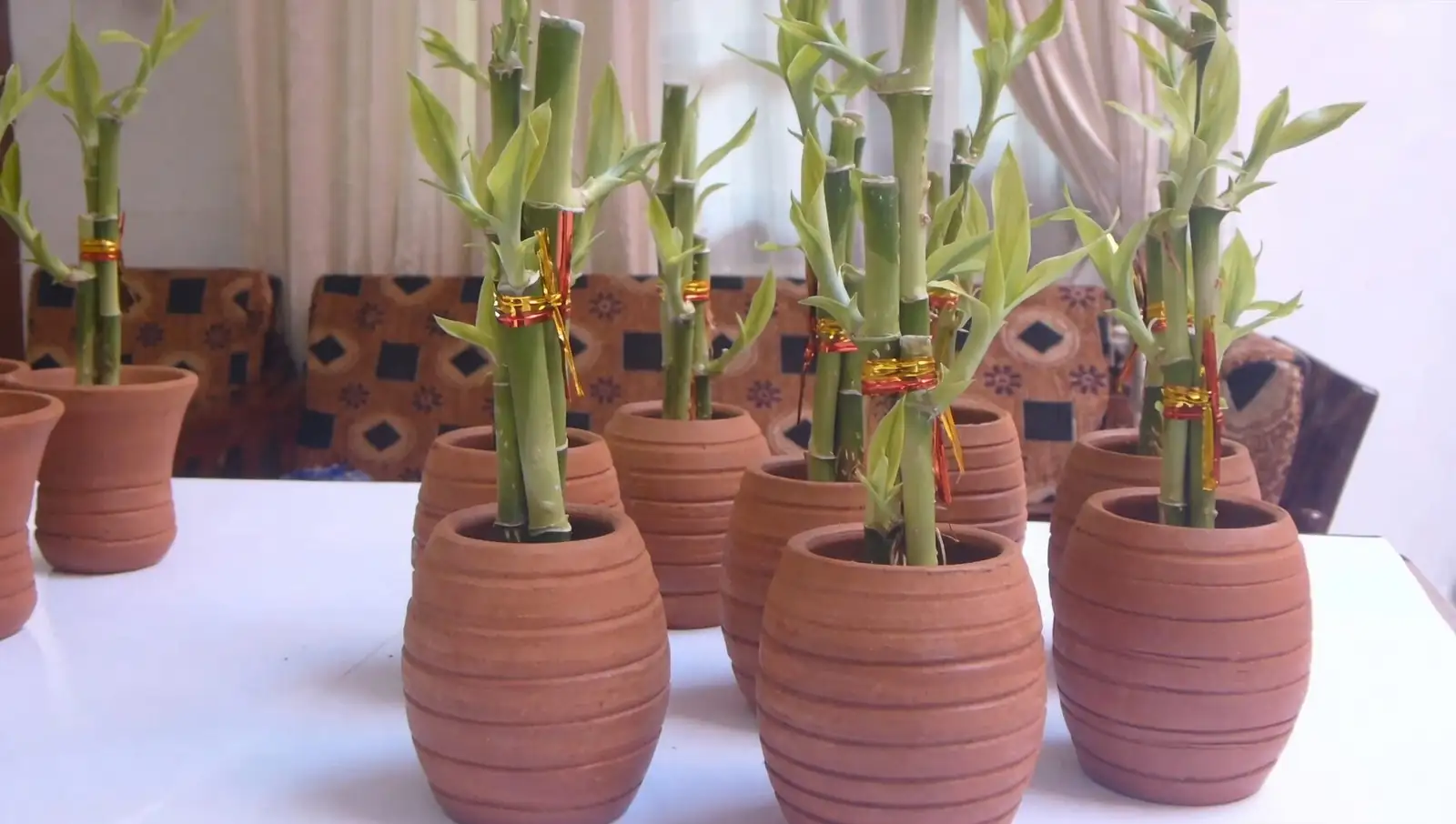
Humidity hacks that actually work
- Clear-bag “tent”: support it with stakes so plastic doesn’t touch leaves; open daily to vent.
- Pebble tray: place pots above water, not in it.
- Group cuttings together to share a humid boundary layer.
- Bright bathroom windowsill (no harsh sun) can be perfect.
- Avoid AC vents and drafts. If air is hot and dry, mist leaves 2–3 times daily; don’t keep the cane itself wet for long.
Charcoal tricks to keep rot at bay
- Dust the fresh cut face with powdered hardwood charcoal or clean wood ash before placing in water or mix.
- Drop a tiny pinch of activated charcoal in vase water, or tuck some into a mesh tea bag in the pebble layer.
- Remember: charcoal helps adsorb odors and tannins but does not sterilize water—your regular water-change routine still rules.
- Skip BBQ briquettes (binders and additives can harm plants).
The week‑by‑week timeline (what to expect)
This timeline assumes warm temps (25–30°C) and good hygiene.
Water propagation
- Days 0–3: Cut end dries slightly and begins to callus. Keep water pristine.
- Week 1: Nodes swell subtly; tiny white root nubs may appear.
- Week 2: Root nubs elongate; you may see 0.5–1 cm roots. Change water every 3–4 days.
- Week 3: Roots reach 2–3 cm; a new bud may break at an upper node.
- Week 4: Roots often 3–5+ cm. Choose: pot in mix now or keep as a water-grown plant. Once rooted, shift to weekly water changes.
Mix propagation
- Days 0–3: Callusing; cane feels firm. Keep mix evenly moist, not wet.
- Week 1: Node swelling at or just below the surface.
- Week 2: Gentle tug test: slight resistance indicates root initials.
- Week 3: Stronger resistance; often a new shoot peeks at the node.
- Week 4: New leaf unfurls; begin easing off the humidity dome over several days.
Note: Lucky bamboo typically roots in about 20–25 days under these conditions. Cooler rooms or dim light slow the schedule.
Transplanting and aftercare
- When water roots reach about 2.5 cm (1 in), you can:
- Pot in a well-drained houseplant mix and keep evenly moist, or
- Keep growing in water (clean container, weekly changes, roots submerged).
- Light: bright, indirect. Avoid harsh midday sun that can scorch leaves.
- Feeding: go light during active growth—either a dilute, balanced fertilizer about every 2 months, or a very weak foliage feed about every 2 weeks. In water culture, be especially sparing to prevent algae and rot.
- Shaping: once established, don’t hesitate to prune again; Dracaena sanderiana re-sprouts from nodes and stays tidy with periodic cuts.
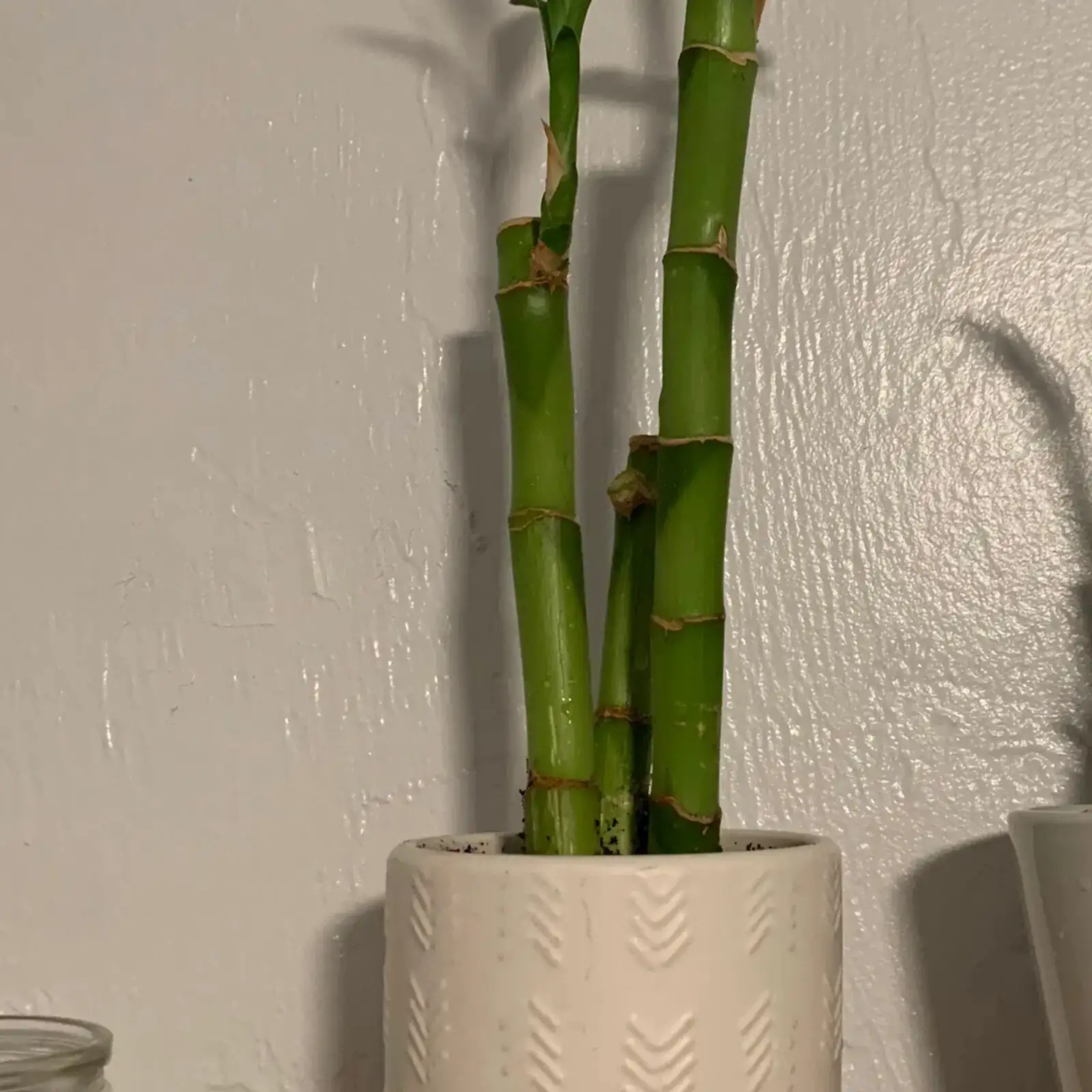
Troubleshooting like a pro
- Mushy cane or foul smell
- Action: Recut to healthy, firm tissue with sterile tools; refresh water; add a tiny pinch of charcoal; keep warmer; avoid deep submersion.
- Yellowing lower leaves
- Action: Normal on older leaves, but check light and water hygiene. Brighten light (filtered), refresh water, and maintain warmth.
- Algae bloom in vase
- Action: Shade the vase, clean thoroughly, change water more often, and reduce nutrients.
- No roots after 5–6 weeks
- Action: Increase warmth to 25–30°C, improve light (still indirect), refresh the cut end, and restart with stricter hygiene.
- Brown, crispy tips while rooting
- Action: Raise humidity; mist in hot, dry conditions; avoid direct sun or cold drafts.
Common pests: scale, thrips, or aphids can appear on established plants. Treat early with insecticidal soap or horticultural oil, and isolate if needed.
Pet note: Like other dracaenas, it’s toxic to cats and dogs if chewed. Place out of reach.
Light, temperature, and placement essentials
- Light: bright, indirect (about 50–70% filtered). East windows are ideal; use sheers on strong south light.
- Temperature: thrives at 18–30°C (64–86°F); rooting is fastest at 25–30°C. Protect from cold—keep above 10°C (50°F).
- Placement: desks, living rooms, reception areas, bright bathrooms—anywhere out of harsh direct sun and away from AC drafts.
A note on “lucky” symbolism
Lucky bamboo’s popularity soared with feng shui décor and gifting. Its “language” speaks to prosperity, harmony, and longevity—meanings rooted in cultural tradition rather than botany. Whether or not you buy into the mystique, the symbolism adds a thoughtful layer to gifting—and the plant’s easy propagation lets you share “good fortune” you grew yourself.
—
With sterile tools, warm roots, and clean water or airy mix, Dracaena sanderiana rarely says no. Follow the hygiene, hit 25–30°C, work the humidity and water-change rhythm, and use a pinch of charcoal wisdom—you’ll see roots in weeks and fresh shoots soon after.