

The Captivating Tale of the Dragon Tree: A Botanical Marvel
Imagine wandering through the subtropical landscapes of the Canary Islands, where the air is tinged with mystery and ancient legends. Here stands the Dracaena draco, more commonly known as the Dragon Tree—a living testament to nature’s artistry and the power of myth.
An Ancient Wonder: Origins and Appearance
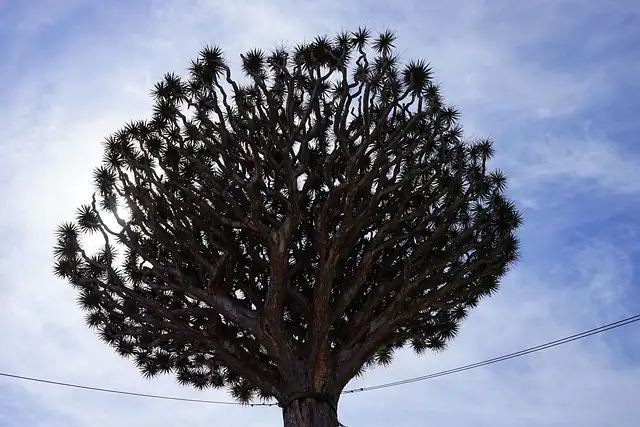
The Dragon Tree is native to the Canary Islands, Cape Verde, Madeira, and parts of western Morocco. Its striking appearance—a thick, gray trunk reminiscent of elephant skin and a canopy that unfurls like an umbrella—has captivated explorers, botanists, and storytellers for centuries. Its sword-shaped, blue-green leaves crown the branches, adding a dramatic flair to this slow-growing marvel.
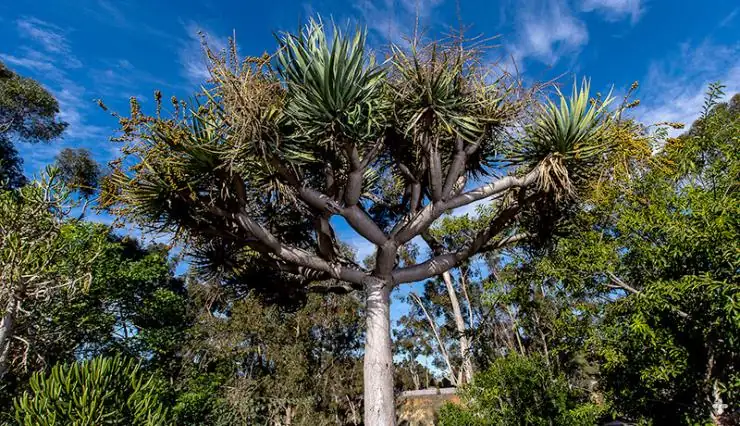
Despite its slow pace, the Dragon Tree can reach impressive heights of 20 to 25 feet, with some specimens towering at nearly 60 feet under ideal conditions. These giants can spread their canopies up to 30 feet wide, providing a majestic sight that commands attention in any landscape.
The Mythical Connection: Hercules and the Dragon’s Blood
The allure of the Dragon Tree extends beyond its physical presence. Its legendary status is cemented by the story of Hercules and the dragon Ladon. According to myth, the blood of this slain beast seeped into the earth, giving rise to the Dragon Tree. This tale is echoed in the tree’s most captivating feature: the deep red resin known as “dragon’s blood” that oozes from its bark when it’s wounded.
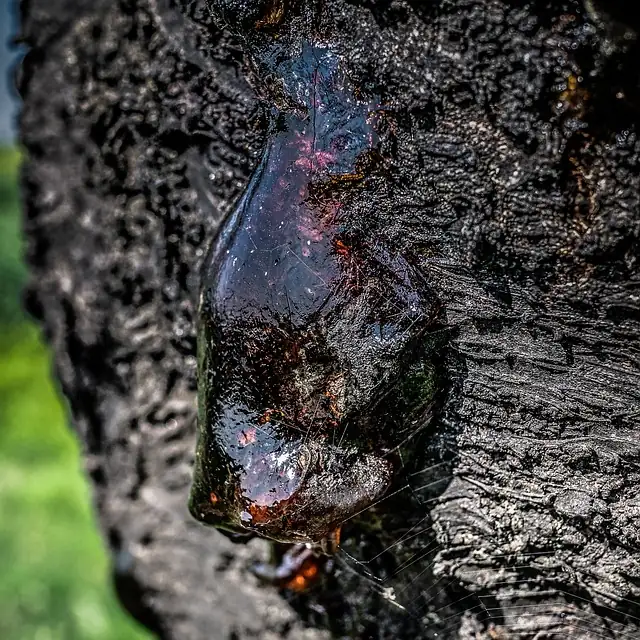
Throughout history, this resin has been prized for its supposed magical properties. The Romans and Greeks used it as a dye and medicine, while medieval alchemists believed it could grant immortality. Today, “dragon’s blood” continues to enchant, finding new life as an ingredient in skincare products and still holding its place in the realm of alchemical legend.
A Symbol of Strength and Longevity
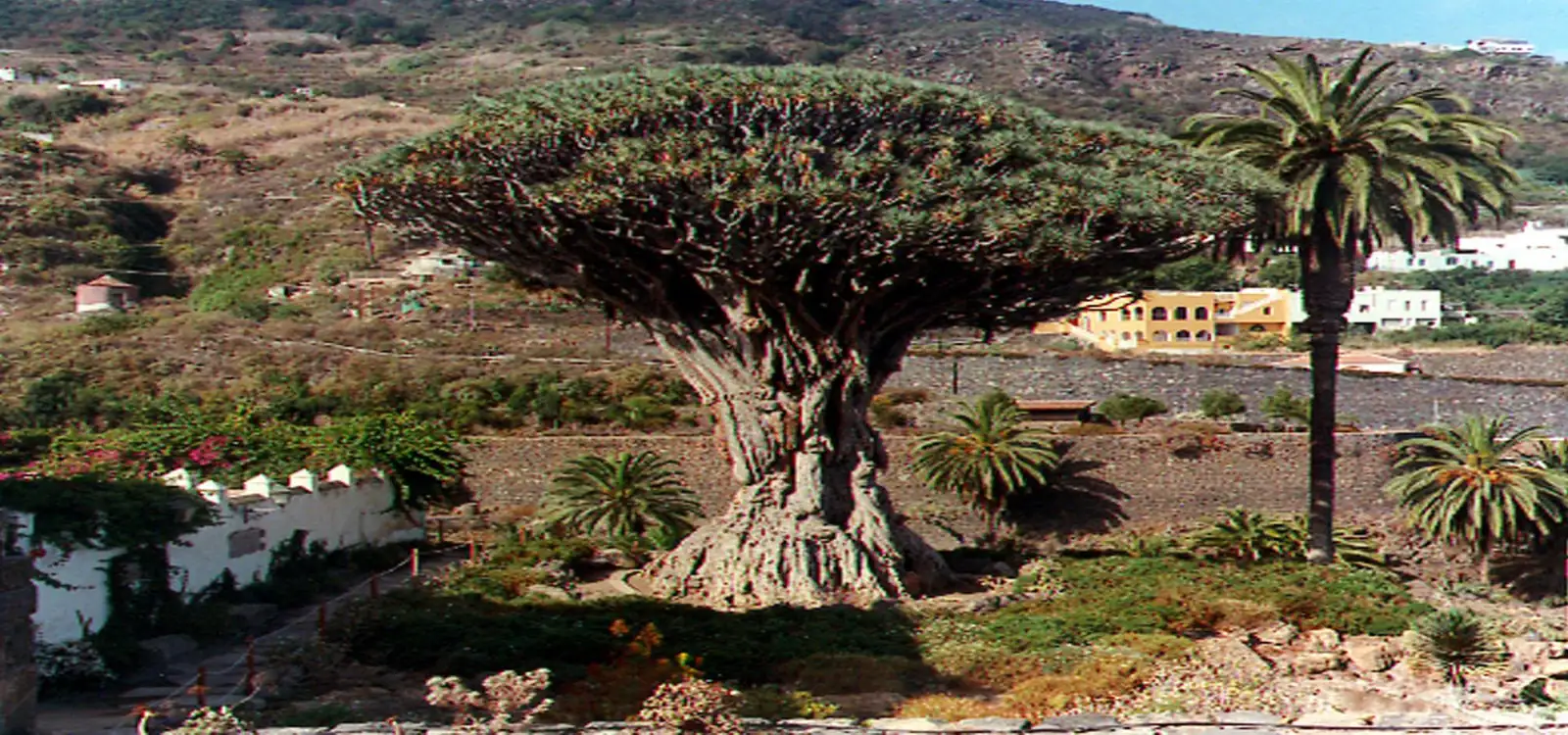
In the regions where it thrives, the Dragon Tree is a symbol of resilience and longevity. Some specimens, such as the famous Drago Milenario in Tenerife, are believed to be over 600 years old. These ancient trees stand as living relics, their gnarled branches and weathered bark telling stories of bygone eras.
Beyond their mythical allure, Dragon Trees are practical wonders. They are drought-tolerant, capable of capturing moisture from fog—an adaptation that suits their dry island habitats perfectly. They are also salt-tolerant, often gracing coastal landscapes where their striking form stands resilient against sea breezes.
Cultivating a Legend
Bringing a piece of this legendary landscape into your home or garden involves understanding its needs. Dragon Trees prefer bright, indirect light and are best kept in well-draining soil. While they are more cold-tolerant than many dracaenas, they still require protection from frost. Indoors, they thrive as bold, sculptural specimens that add a touch of drama to any room.

Care for a Dragon Tree is relatively straightforward once established. Watering should be done only when the top layer of soil dries out, and care must be taken to avoid overwatering—a common trap for the uninitiated. These trees require minimal pruning, with simple maintenance like removing dead leaves or tidying brown tips.
Final Thoughts: A Living Legacy
The Dragon Tree, with its mix of beauty, mythology, and practicality, is a botanical masterpiece that bridges the gap between nature and legend. Whether you’re captivated by its mythical origins or drawn to its practical appeal, the Dragon Tree offers a living link to ancient stories and the enduring wonders of our natural world. As you care for this plant, you become part of its centuries-old tale—a legacy of strength, mystery, and timeless beauty.


