

The Alpine Aster: From Mountain Heights to Global Gardens
Imagine a flower that can withstand the harsh winds and chilly nights of the world’s highest mountain ranges, yet grace your garden with the delicate charm of a starry bloom. This is the Alpine Aster (Aster alpinus L.), a resilient and captivating perennial that has traveled from its rugged birthplace to gardens worldwide.
A Star Born in the Heights
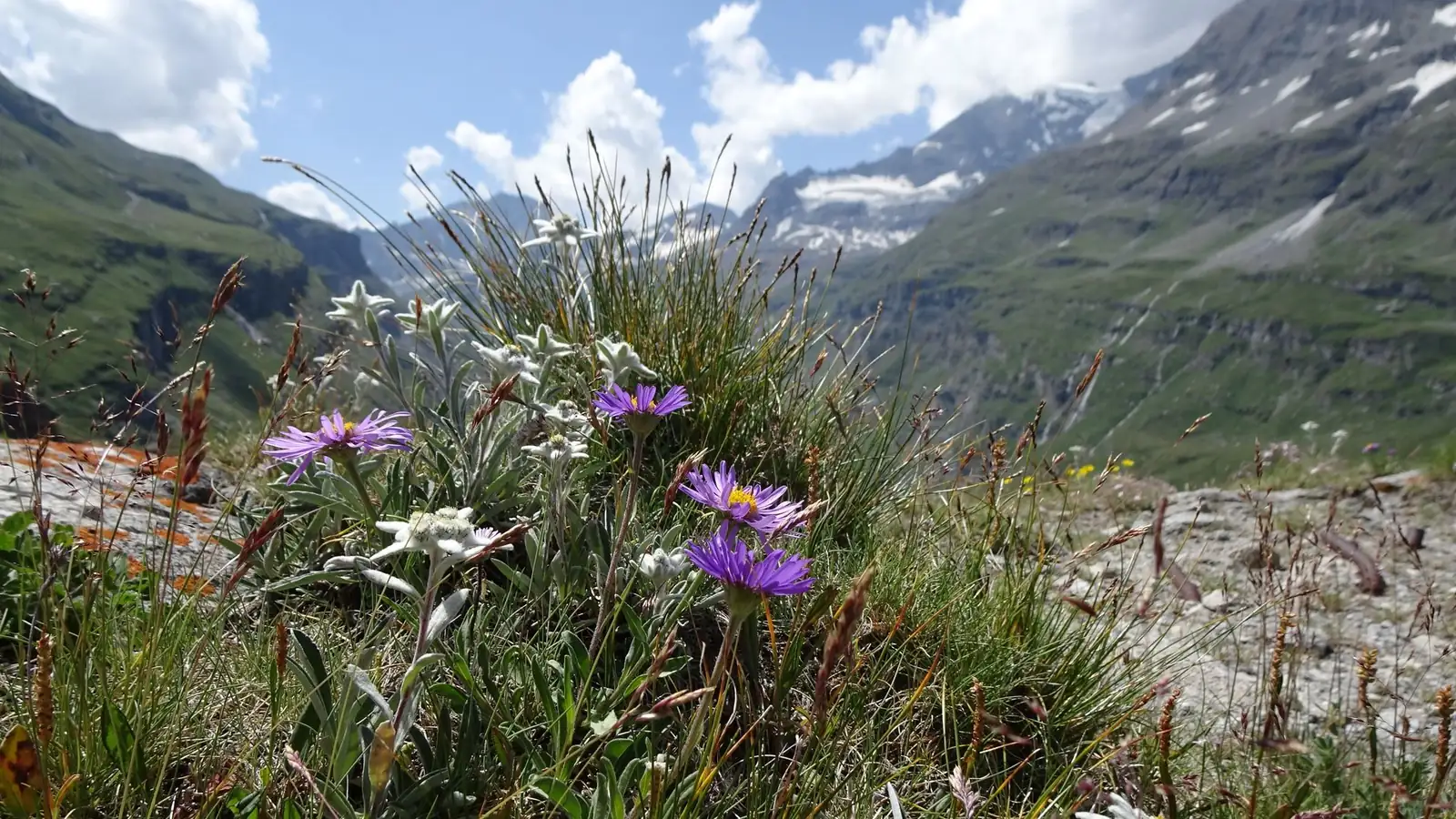
The Alpine Aster is a true child of the mountains, native to the towering ranges of Europe and Asia, including the majestic Alps and the remote Carpathians. Its tenacity allows it to thrive in the rocky terrains of Western Europe, the Urals, and even the colder reaches of North America, from Canada to Alaska. Known also as the Blue Alpine Daisy or Dwarf Aster, this remarkable plant is a testament to nature’s adaptability, growing even at dizzying altitudes above 4,600 meters (15,000 feet).
A Colorful Journey
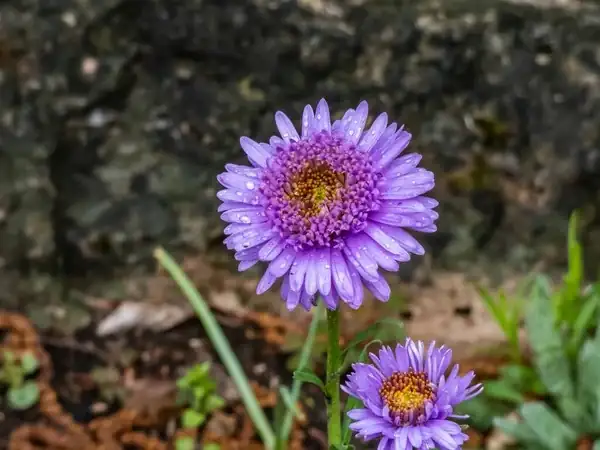
This plant’s journey from alpine wilderness to widespread garden favorite is a story of beauty and resilience. The Alpine Aster’s daisy-like flowers, with their blue-violet to purple petals encircling a bright golden-yellow center, make them a striking choice for anyone looking to add a touch of wild elegance to their garden. Occasionally, they even surprise with hues of pink, adding an unexpected twist to their palette.
Behind the Starry Name
In the language of flowers, asters are symbols of love, patience, and longevity. The name “aster” comes from the Greek word for “star,” aptly describing the flower’s radiant, star-like appearance. Throughout history, asters have played roles in myth and ritual, believed to ward off evil in ancient Greek traditions and celebrated in the “Michaelmas daisy” lore tied to early autumn festivals. However, the Alpine Aster uniquely stands out by blooming from late spring into mid-summer, heralding a season of growth and renewal rather than the closing of the year.
From Rock Gardens to Front Borders
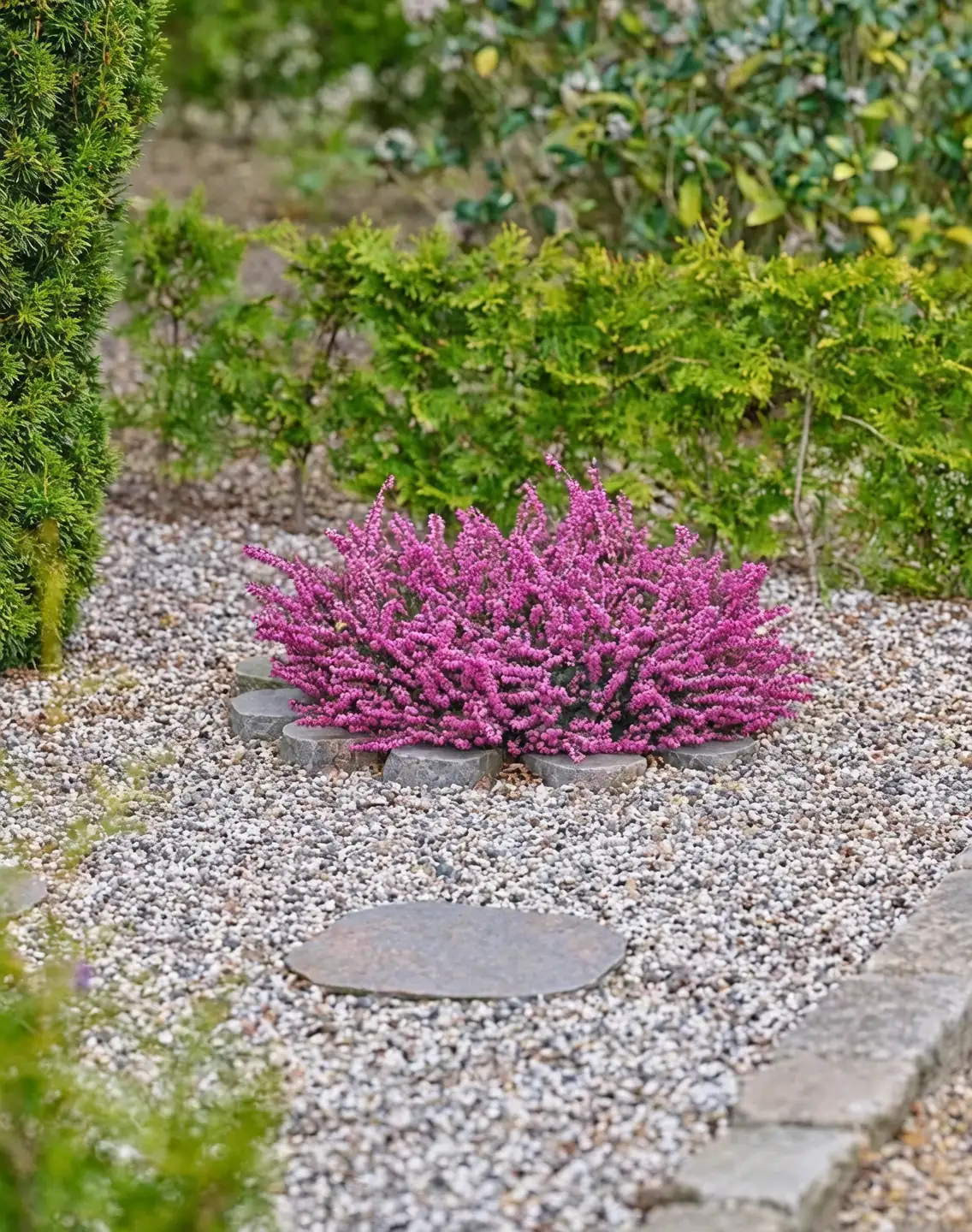
Cultivating Alpine Asters is like inviting a mountain breeze into your home. Their compact clumps, typically about 15–30 cm (6–12 inches) tall, are perfect for rock gardens, alpine beds, and sunny borders. They thrive in full sunlight, bringing reliable color without the need for constant care. With their preference for well-draining, rocky soils and resistance to drought, they are ideal for xeriscaping and container gardening.
Care and Cultivation
Alpine Asters are as easygoing as they are beautiful. They require little maintenance beyond ensuring they have good drainage and plenty of sun. While they can manage in poorer soil, a light top-dressing of compost in spring can gently boost their performance. Regular deadheading encourages more blooms and keeps your garden lively throughout the summer.
A Garden’s Best Friend
Not only do Alpine Asters beautify gardens, but they also support local ecosystems. Their flowers attract bees, butterflies, and even birds, making them a natural choice for pollinator-friendly gardening. And despite their hardy nature, they are generally non-toxic to both humans and pets, making them a safe choice for family gardens.
A Botanical Marvel
The Alpine Aster has received accolades such as the Royal Horticultural Society’s Award of Garden Merit, a testament to its dependable performance and ornamental value. With cultivars like ‘Beechwood’ and ‘Dark Beauty’, there is a variety to suit every gardener’s taste.
Whether you’re a seasoned horticulturist or a novice looking to add a touch of nature’s resilience to your space, the Alpine Aster is a plant that promises not just beauty, but a piece of the mountains themselves. Let these starry blooms transform your garden into a haven of alpine splendor.


