

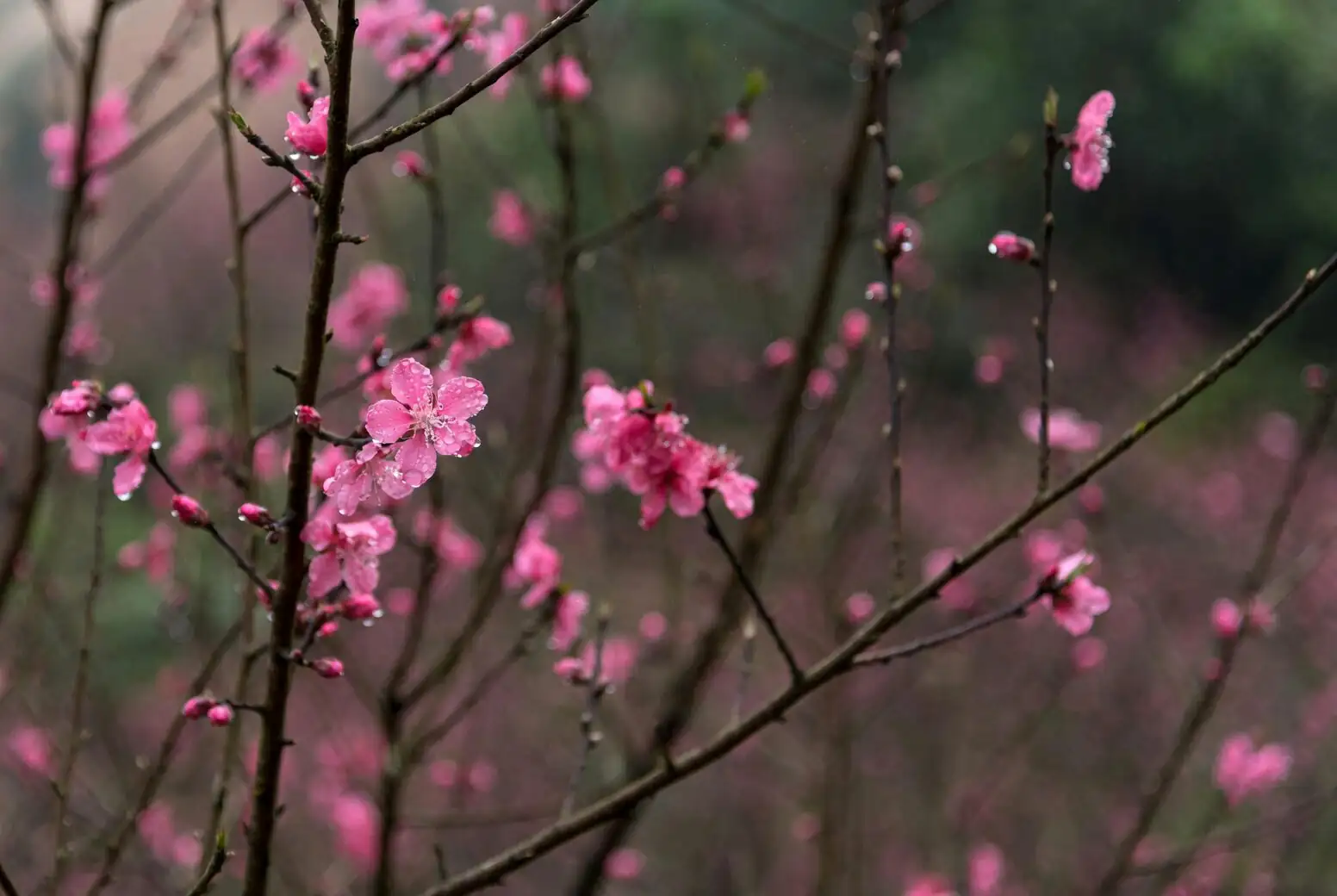
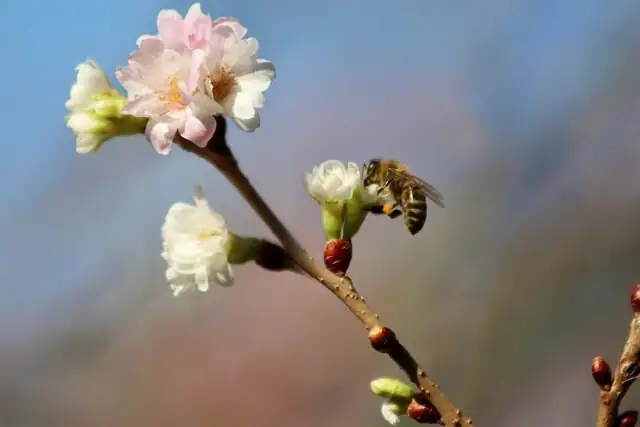
The year is still wearing winter’s gray coat, and then—on bare, lacquered twigs—perfume. Prunus mume, the Japanese apricot (also known as ume or mume), opens its first blossoms when most plants are still buttoned up against the cold. That early fragrance doesn’t just announce spring; it carries a long cultural story from China and the Korean Peninsula across the sea to Japan’s temple courtyards and tea gardens, and from there into the imaginations of poets, painters, and festival-goers for centuries.
Where the scent begins: roots in China and the Korean Peninsula
Long before it adorned tea houses and shrine paths, Prunus mume was a mountain child of East Asia—originating in China and the Korean Peninsula. It was valued early on for two intertwined gifts:
- Ornamental beauty: Small, intensely fragrant flowers opening from winter into early spring, often on bare branches that show off every bud.
- Useful fruit: In East Asia, the tart drupes were preserved, infused, and celebrated—an extra thread that helped the plant weave itself into everyday life.
From Chinese literati painting and poetry celebrating “mei” (plum blossom) as a companion in cold seasons to Korean scholars admiring “maehwa” for its integrity, the plant became a thinking person’s flower—quiet in color at times, but thunderous in meaning.
Crossing the sea to Japan: from courtly verses to temple and tea
By the Nara and early Heian periods, the blossom had made its way to Japan, where it quickly captured the court’s attention. In early poetry anthologies like the Man’yōshū, the plum often eclipsed cherry as the darling of seasonal verse. Later, as cherries came to dominate spring pageantry, ume settled into a distinguished niche:
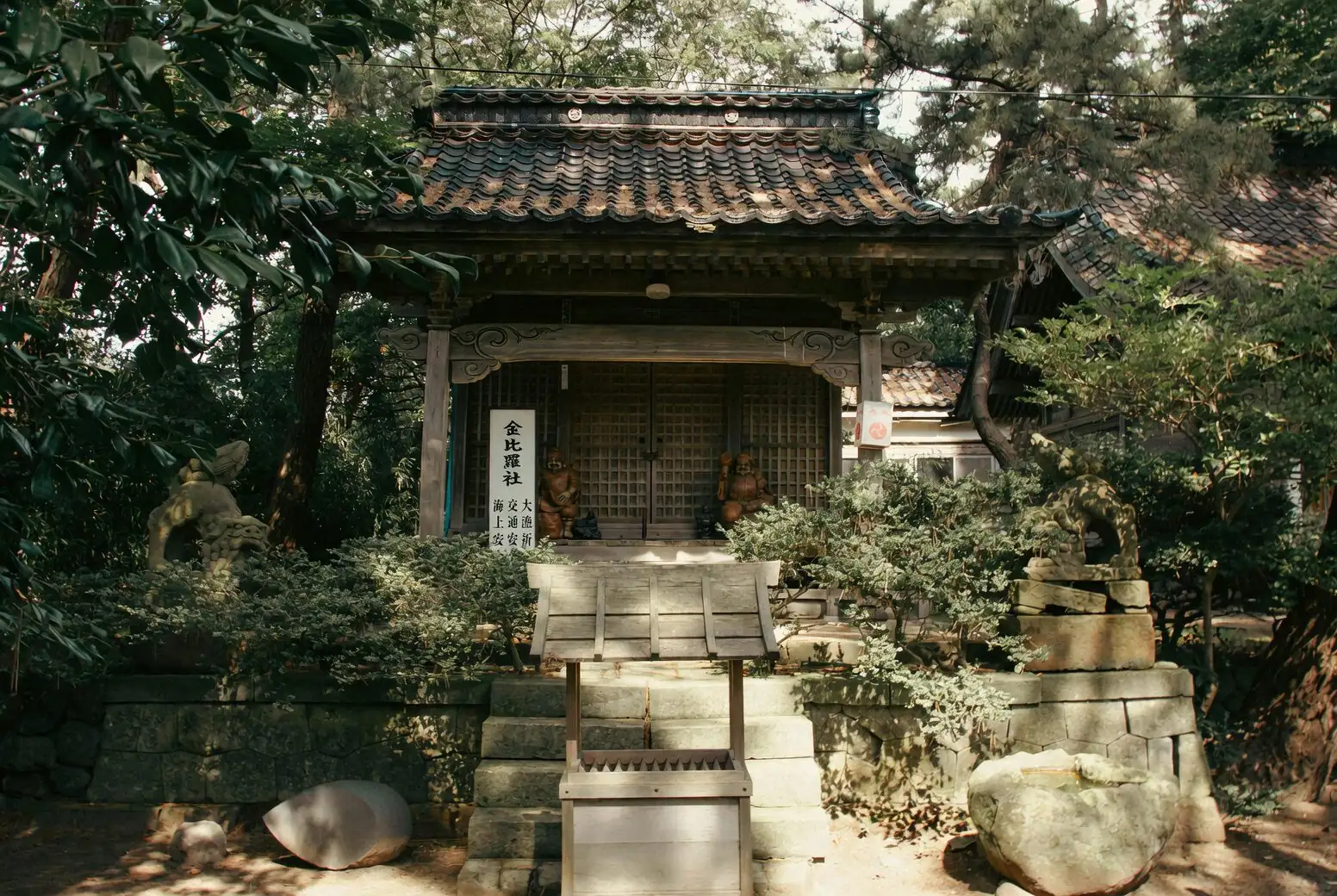
- Temple and shrine plantings: Tenjin shrines, associated with the scholar-statesman Sugawara no Michizane, famously feature plum groves. The Dazaifu Tenmangū shrine’s legendary “flying plum” (Tobi-ume) embodies the flower’s loyalty.
- Tea gardens (roji): One well-placed ume near a tea house can scent an entire gathering. Its winter-into-spring timing made it ideal for signaling renewal in the tea calendar.
- Edo-period arts: Woodblock prints immortalized famous plum-viewing sites—arched trunks, cloudlike blossom masses, and visitors wrapped in winter layers, smiling under the boughs.
Festivals that mark the turning of the year
Winter-to-early-spring festivals knit communities to the flower’s fleeting season.
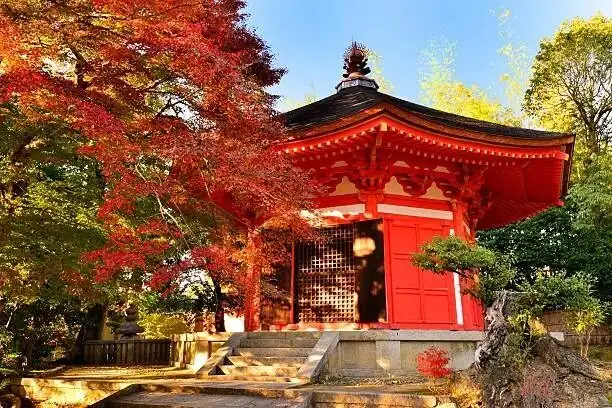
China
- Plum blossom hills and public gardens fill with visitors as early as midwinter in milder regions. Cut branches are traditional indoor accents around the Lunar New Year, perfuming rooms and symbolizing auspicious new beginnings.
- City parks—from Nanjing to Wuhan—host plum exhibitions where cultivars range from snow-white singles to double, rose-red rosettes.
Korea
- In Korea, “maehwa” festivals light up the tail-end of winter, particularly in southern regions where orchards wake early. The season pairs blossom-viewing with tastings of preserved fruit syrups and infusions that bridge winter and spring.
Japan
- Ume matsuri unfold in gardens and shrines across the archipelago. Kairakuen in Mito becomes a living catalog of colors and forms; Kitano Tenmangū in Kyoto holds the Baikasai (Plum Blossom Festival), where tea is served under blooming trees. The charm isn’t spectacle alone—it’s the breath of warmth in cold air.
A family resemblance—and striking individuality
Botanically, Prunus mume sits in the rose family (Rosaceae) and the genus Prunus, kin to cherries, plums, and apricots. It tends to form an elegant, woody framework as a shrub or small tree—sturdy enough for winter, graceful enough for poetry.
Horticulture has teased out a dazzling array of cultivars:
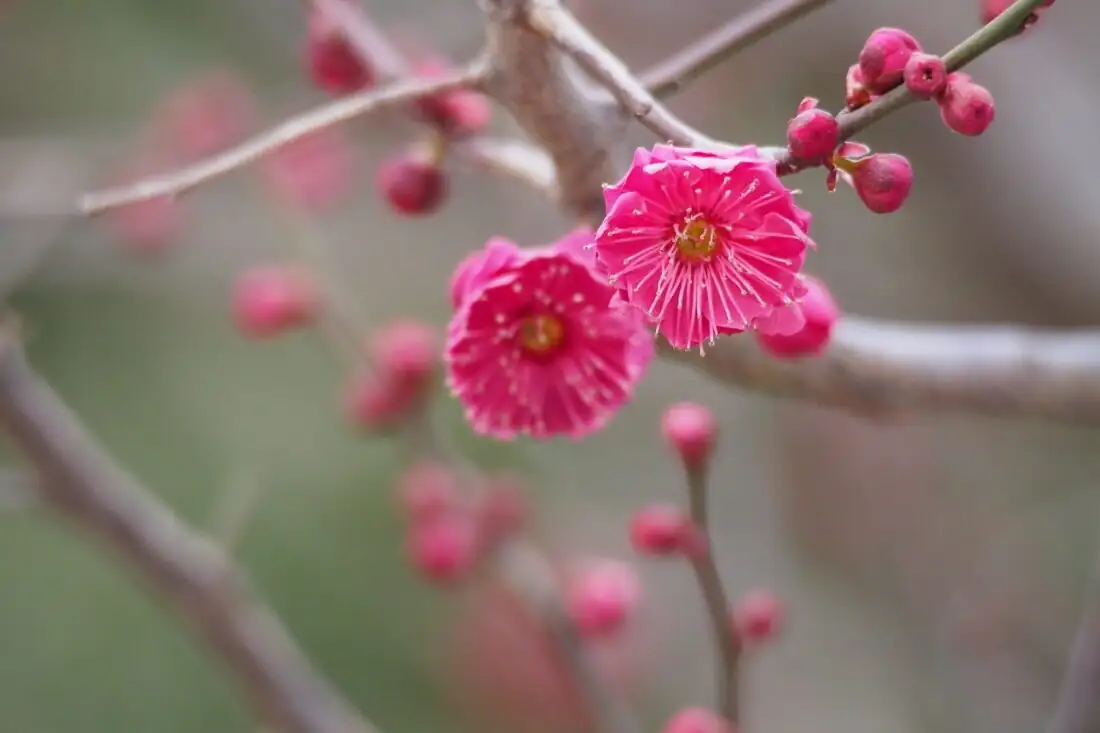
- Color range: White, blush, shell pink, deep rose, and red.
- Flower form: Singles that feel airy and spare, doubles that look like miniature roses.
- Iconic selections: Deep-pink ‘Kobai’ extends color into gray months; white forms like ‘Shirokaga’ glow in low light; novelty selections such as ‘Omoi-no-mama’ can sport different blossom colors on the same tree.
The diversity reflects centuries of selection in China, on the Korean Peninsula, and in Japan, then further refined by regional gardeners, temple keepers, and tea masters who chose plants as much for fragrance and timing as for color.
How the plant traveled—and stayed
As East Asian migrants, scholars, and gardeners moved, so did Prunus mume. By the 19th century it appeared in Western plant lists, and it remains a keynote in Japanese-style gardens worldwide. In North America and Europe, it’s still a connoisseur’s choice: an early, fragrant season-opener that rewards attention to siting and pruning. You’ll often find it near gateways, courts, or tea pavilions—places meant to greet the nose before the eye.
Growing notes for today’s gardener
Think of ume as a winter perfumer with a sun-loving, drainage-demanding temperament.
- Light: Full sun is best—at least 6 hours daily. In winter, give the brightest light you can for strong bud opening.
- Temperature: Cool to mild (about 8–20°C / 46–68°F). Many cultivars tolerate down to around -10°C (14°F) outdoors. Prolonged indoor heat above ~30°C (86°F) can trigger leaf drop. For a potted plant on display, a cool indoor spot around 8–10°C (46–50°F) makes flowers last.
- Soil and water: Fertile but very free-draining soil is crucial. Water thoroughly, then let the surface begin to dry before watering again in spring growth. Never let pots sit in saucers of water—this species dislikes waterlogged roots.
- Seasonal rhythm for bloom:
- Late spring to early summer: Slightly ease watering and reduce feeding from late June to encourage flower-bud formation.
- Summer to autumn: Keep moisture steady (not soggy) to protect bud set and prevent leaf drop.
- Winter: Water sparingly but don’t let the rootball dry out.
- Pruning (critical for next year’s display): Right after flowering, shorten the spent one-year shoots hard, typically back to about 1–2 cm (leaving 2–3 buds). In summer, thin excess water-sprouts, and pinch overly vigorous shoots after 5–6 leaves. Before winter, shorten overly long uprights to balance the canopy.
- Containers and bonsai: Commonly shown in 20–25 cm (8–10 in) pots; often kept under 50 cm (20 in) tall for an intimate, sculptural look. Ideal for bonsai because it shoots readily and responds beautifully to training.
- Indoor display tip: Bring a potted plant or a cut branch indoors at first bloom, place it bright and cool, and the whole room becomes a tea house.
Pests and cautions:
- Watch for powdery mildew and aphids; improve airflow and treat early if needed.
- Avoid stress that invites wood-boring beetles; keep the plant vigorous and well-sited.
- Like many Prunus, the seeds/kernels can contain cyanogenic compounds—keep pits away from children and pets.
What the blossom meant—and means
People often ask: what is the “flower language” of ume? In East Asia, its meanings arose not from a Victorian code but from lived seasons and literati culture. Plum blossom blooms in cold, so it came to stand for endurance, hope, and a steadfast spirit—the fortitude to be first when the weather still bites. In Chinese art it joins pine and bamboo as the “Three Friends of Winter,” models of resilience. In Korea, the scholar’s “maehwa” hinted at integrity under pressure. In Japan, before cherries claimed the main stage, ume signaled cultured refinement at the court—and still carries the quiet elegance of tea.
So if we must translate its “language,” it speaks of resilience, yes—but also of timing, discretion, and the courage to begin.
A brief timeline of scent and spread
- China and the Korean Peninsula: Cultivated for well over a thousand years; praised in poetry, painting, and winter gardens.
- Japan: Adopted early; celebrated in court poetry and later in temple grounds, tea gardens, and Edo-period prints. Legends like Dazaifu’s “flying plum” entwine the blossom with scholarship and loyalty.
- Global gardening: Introduced to Western horticulture in the 19th century; today a signature of Japanese-style and temple-inspired plantings from Seattle to Paris, often showcased as deep-winter color and fragrance.
Why this winter flower became a cultural mainstay
- It arrives when we need it most: against bare wood and cold air, its fragrance feels like a promise kept.
- It balances intellect and senses: beloved by scholars and tea masters, but also by anyone who follows a scent along a garden path.
- It adapts to how people live: a courtyard tree, a potted jewel, a single cut branch in a vase—each form delivers the same seasonal message.
If you plant one Japanese apricot in your life, give it all the sun you can, keep its feet dry but not thirsty, and prune right after bloom. Come late winter, step outside and breathe in: before the world turns green, you’ll already be in spring.