

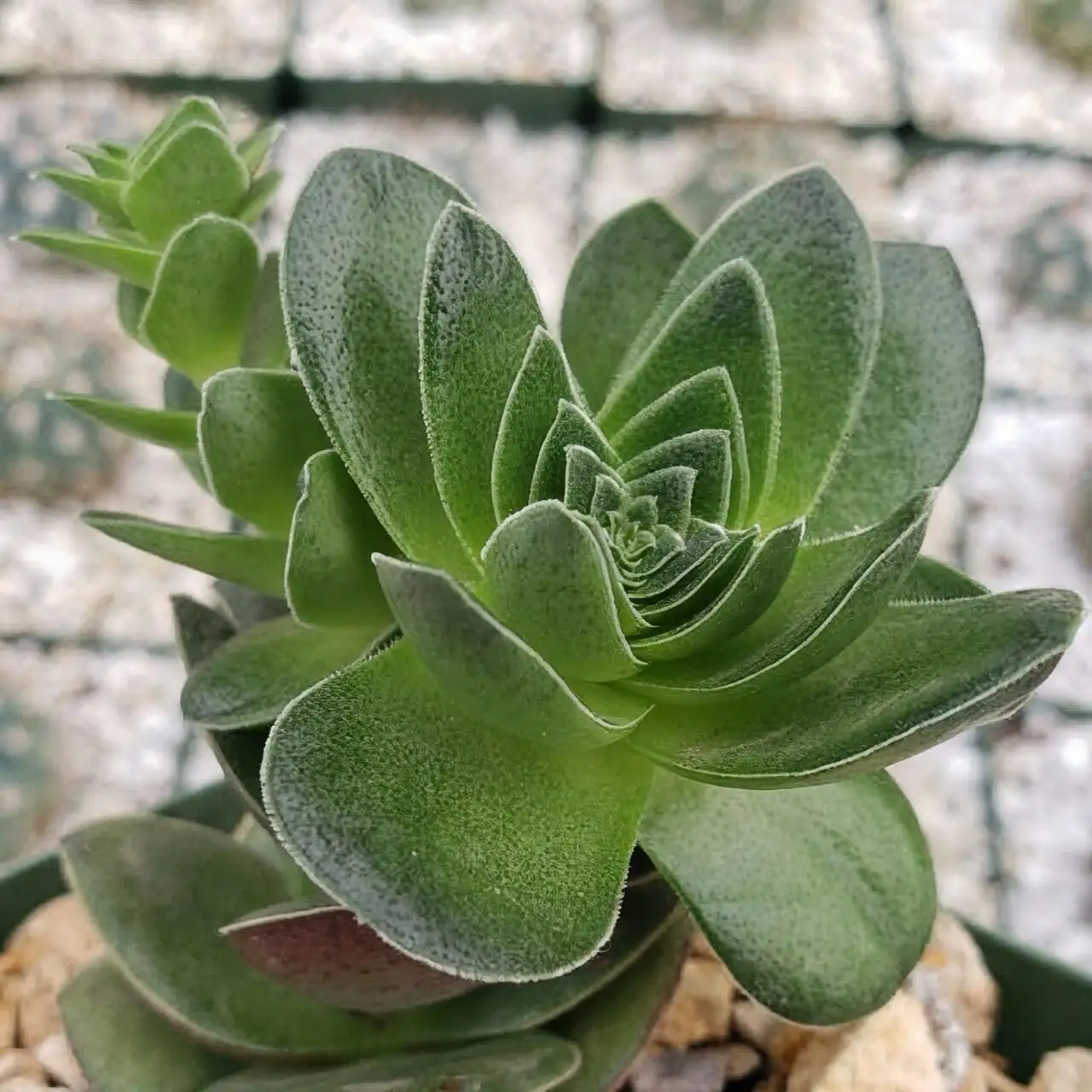
Think of Campfire Crassula as a little fire that you stoke—light is your fuel, cool nights are your bellows, and airflow is the chimney that keeps everything clean and bright. Get those three right, and those tight, stacked leaves will shift from gray‑green to ember orange and, finally, a vivid scarlet. Get them wrong, and you’ll see stretch, scorch, or rot. Here’s your playbook for lighting the flame without burning the plant.
The Red Formula: Light × Cool Nights × Airflow
- Light: Bright light to full sun is non‑negotiable for color. Indoors, think “brightest window you own.” Outdoors, full sun after a patient acclimation is ideal, with light afternoon shade in extreme heat.
- Cool nights: A noticeable day–night temperature drop brings the anthocyanin “blush” that turns leaves red. Aim for bright days with cooler, well‑ventilated nights.
- Airflow: Dry, moving air keeps leaves firm, color crisp, and rot at bay—especially when nights are cool and watering is light.
Light: From Green to Ember to Flame (Without Scorch)
What “bright enough” looks like
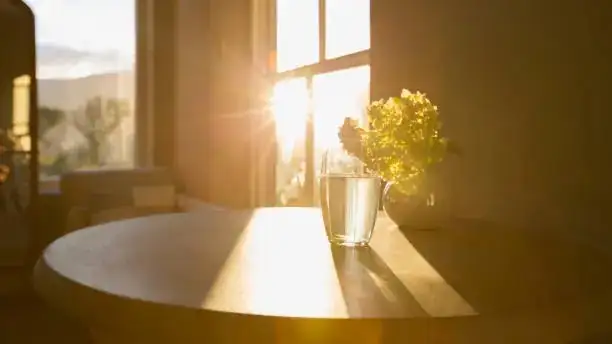
- Indoors:
- South or east-facing windows are best; west works with careful monitoring.
- Target very bright light or several hours of direct sun. As a guide, 15,000–40,000 lux (or 200–400 μmol·m⁻²·s⁻¹ PPFD) for much of the day keeps color; brief higher peaks are fine if acclimated.
- Under LED grow lights: 12–14 hours daily at a moderate intensity (roughly 200–400 PPFD). Keep fixtures about 20–30 cm (8–12 in) away and adjust to prevent bleaching.
- Outdoors:
- Goal: 4–6+ hours of direct sun after acclimation. Morning sun + dappled afternoon light is a gentle, color-boosting combo.
- In heatwaves, give light afternoon shade to avoid sunburn (a 30% shade cloth works well).
Two-week sun acclimation plan (zero scorch, all color)
- Days 1–3: Bright shade or an east window with only early sun.
- Days 4–7: Add 1–2 hours of direct morning sun; keep afternoons bright but indirect.
- Days 8–10: Move to 3–4 hours of direct sun; watch for leaf edge paling (early stress).
- Days 11–14: Step up to half-day sun or all-day bright light. In hot climates, protect from intense midday rays.
- Always: Rotate the pot weekly so all sides color evenly.
Read the leaves like a dial
- Not enough light: Stems elongate, leaves widen and stay gray‑green; stacking loosens.
- Hitting the sweet spot: Margins pink up first, then the whole leaf turns orange‑red to scarlet.
- Too intense, too fast: Silvery patches or crisping on the sun‑facing side (sunburn). Pull back to filtered light and resume acclimation more slowly.
Temperature: The Cool-Night Trigger
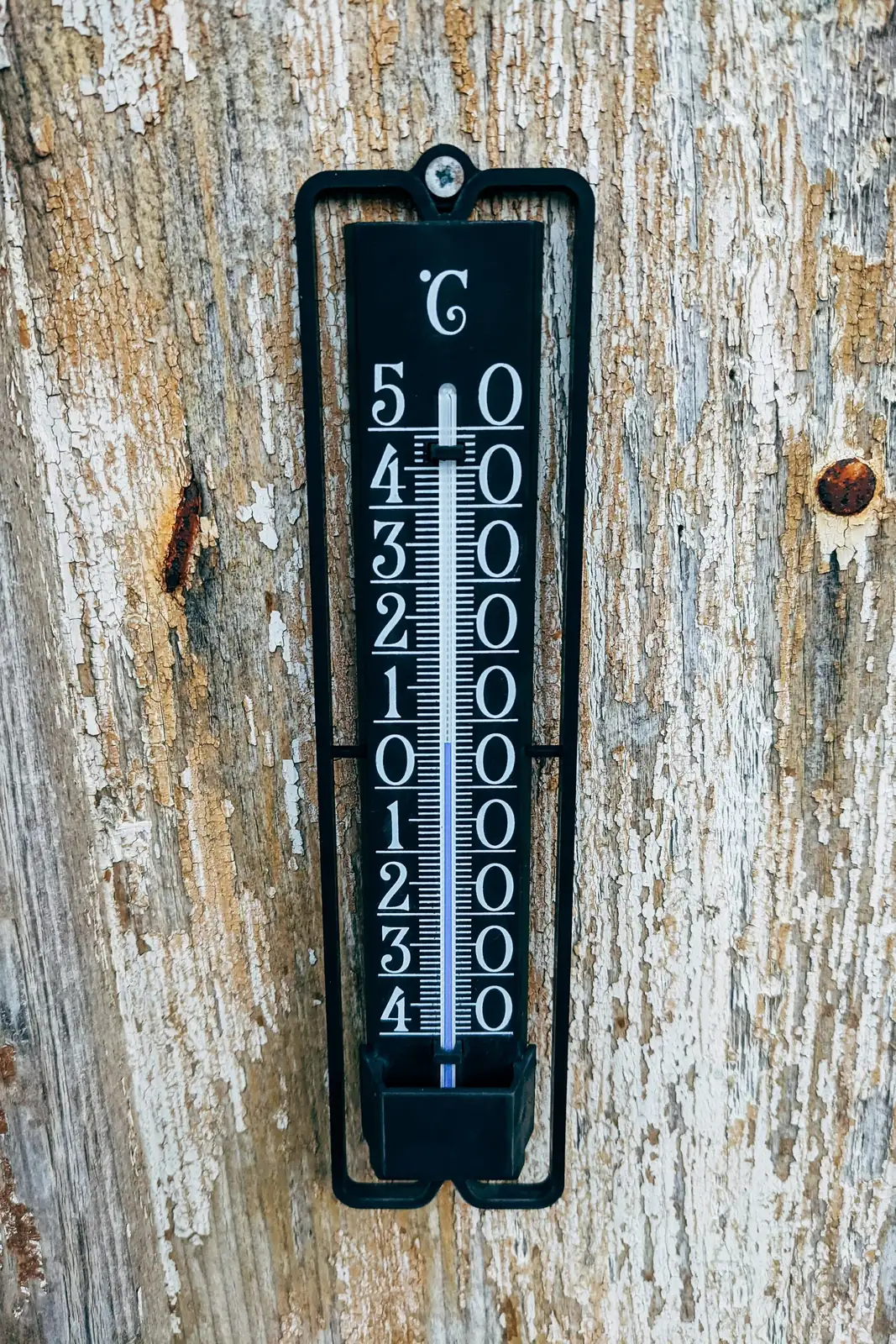
- Best growth: Days around 18–24°C (64–75°F).
- For color: Maintain bright days and cooler nights with a drop of about 6–12°C (10–22°F).
- Safe night floor: Keep nights above 8°C (46°F). If temperatures dip toward 5°C (41°F), keep the potting mix dry and pause watering to reduce rot risk.
- Practical tactics:
- Indoors: Crack a window in a safe spot at night or place the plant near a cool pane (still above 8°C). Avoid humid kitchens/bathrooms.
- Balcony/windowsill: Fall and winter offer prime color—cool nights, brilliant days, and natural breezes.
Airflow: Your Anti-Rot, Anti-Sunburn Ally
- Space plants so leaves don’t press against neighbors or walls.
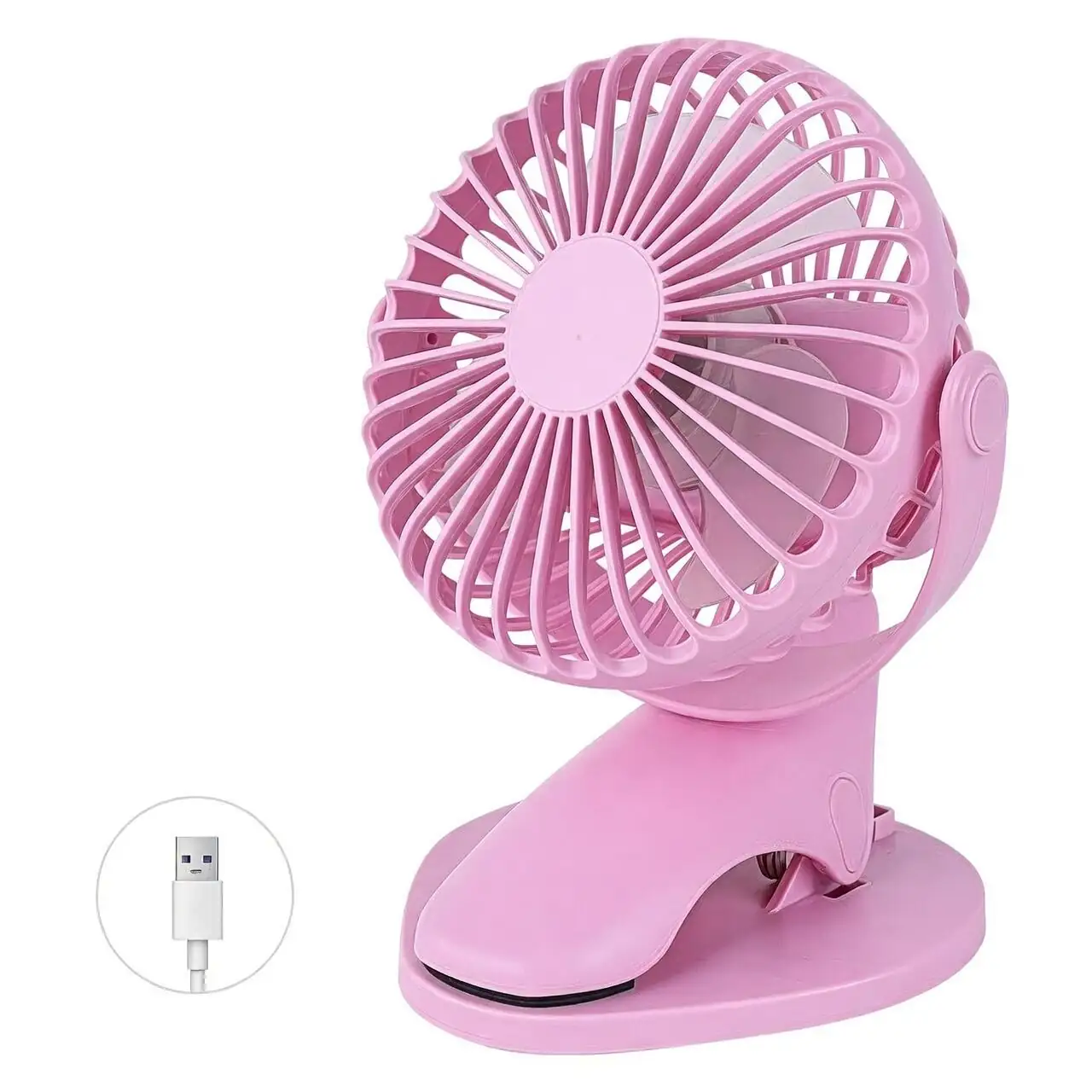
- Use a small clip-on fan on a gentle setting, aimed to create a soft, constant movement around the foliage.
- Water early in the day so any splashes dry quickly; avoid persistently damp leaves.
- Avoid stuffy corners—poor ventilation + cool, wet conditions invite leaf spots and rot.
Watering and Feeding to Support Red Without Stress Cracks
- Water rhythm: Drench and dry.
- Spring (active growth): Often about weekly if the mix dries fast.
- Summer: Many plants slow down; water every 2–3 weeks if the mix is drying; even less during heatwaves unless growth is clearly active.
- Autumn: Lightly when dry (often weekly in bright, mild conditions)—this is peak color season.
- Winter: Very bright but keep mostly dry. If temps approach 5°C (41°F), stop watering.
- Mix and pot: Use a very free‑draining succulent mix with coarse sand, grit, or perlite in a pot with drainage holes. Never let it sit in a saucer of water.
- Fertilizer: Monthly, low-strength feed during active growth with a balanced-to-bloom-leaning, lower‑nitrogen formula (e.g., something near 15‑15‑30). Do not feed in cold, low‑light winter.
Indoor vs. Outdoor Color Playbooks
Indoor “window flame” plan
- Place at a south/east window; add a fan for gentle airflow.
- Grow lights in winter: 12–14 hours/day over the brightest window to stack intensity without heat.
- Night chill: Move slightly closer to a cool window at night (still above 8°C).
- Keep the mix on the dry side, especially in winter.
Outdoor “balcony blaze” plan
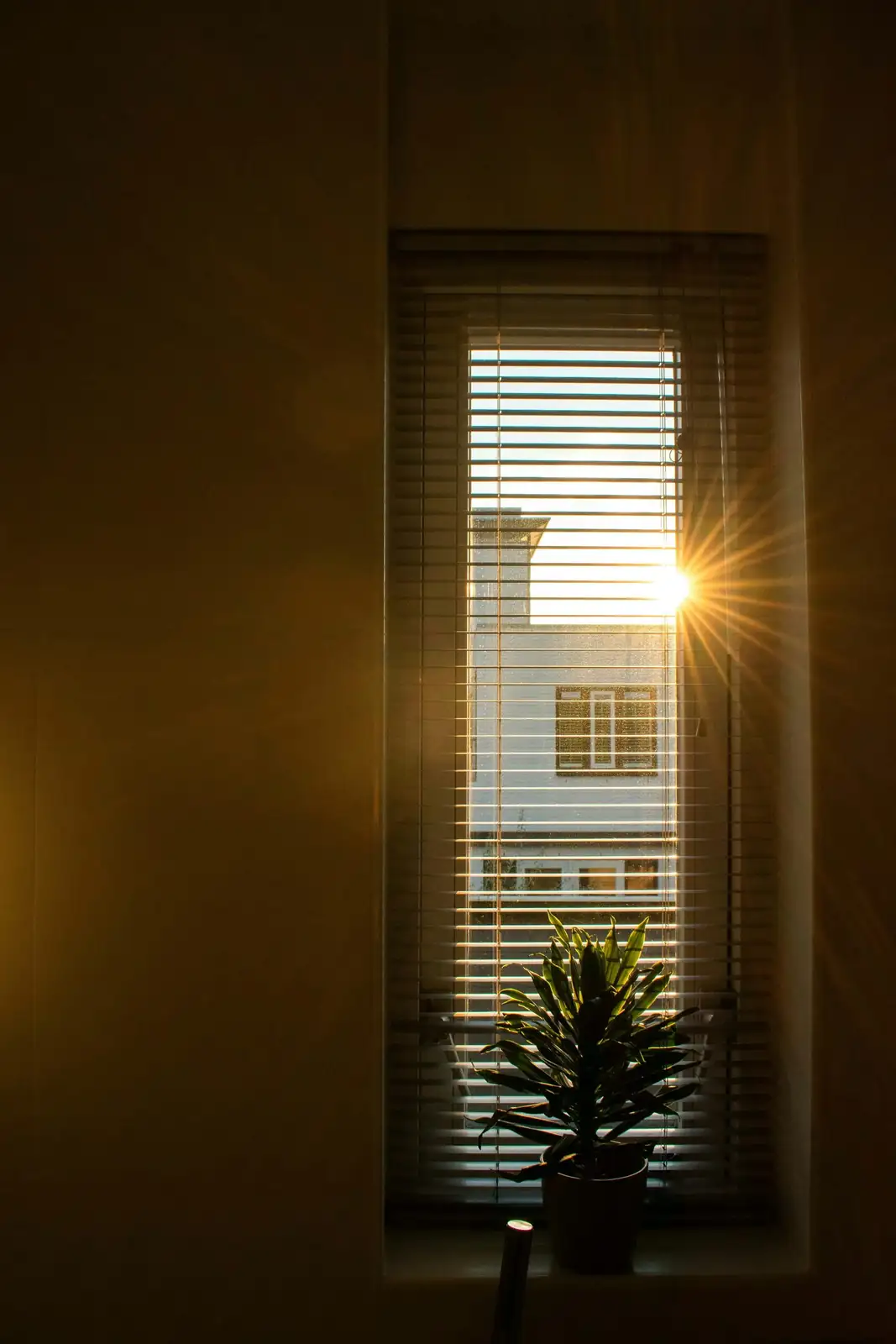
- After a 2–3 week acclimation, give strong morning sun and filtered afternoon light.
- In mid-summer heat, use 30% shade cloth noon–3 pm.
- Autumn/winter outdoors (mild climates): This is the star season—cool nights + bright days = peak scarlet. If frost threatens, move undercover, keep dry, and resume sun once safe.
Troubleshooting: Fast Fixes
- Plant stays green: Increase light gradually; ensure a day–night temperature drop; keep air moving; avoid overfeeding nitrogen.
- Leaves turn black and soft: Classic rot from excess moisture or poor drainage. Move to stronger light with airflow, remove rot, and let the mix dry completely before resuming careful watering.
- Pale patches after a sunny day: Sunburn. Shift to filtered light, then re‑acclimate more slowly.
- Leaf spots in cool weather: Improve ventilation, keep foliage dry, and remove affected leaves.
Grower’s Quick Specs
- Names: Campfire Crassula, Campfire Plant, Red Pagoda (Crassula capitella ‘Campfire’), family Crassulaceae.
- Habit and size: Dense, low, branching succulent; 10–30 cm (4–12 in) tall, 20–60 cm (8–24 in) wide over time. Older stems may creep or trail.
- Color change: Gray‑green in warm seasons/milder light; orange‑red to scarlet in cool, bright conditions with bigger day–night swings.
- Flowers: Small, star-shaped, white to pale pink clusters on mature plants, most commonly in autumn.
- Placement: Bright windowsill, sunny balcony, or beside a floor-to-ceiling window with airflow.
- Climate: Frost tender; roughly USDA 10–11 for year-round outdoors. Keep above 8°C (46°F).
Buying and Setup
- Choose compact plants with thick, tightly stacked, opposite leaves and firm stems. Avoid mushy bases, blackened roots, and visible pests.
- After purchase: Bright light with airflow; keep out of humid corners; if outdoors, don’t let rain soak the pot.
Pruning, Repotting, and Propagation
- Repot: Annually in early spring into a freer‑draining mix; tidy dead basal leaves and shorten long roots.
- Pinch and shape: Trim leggy stems; replant cut tips to fill out the pot.
- Propagate: Tip cuttings 3–6 cm (1.2–2.4 in), let callus, then insert into gritty mix. Keep warm and bright (18–22°C / 64–72°F). Rooting typically in 14–21 days.
Pests and Plant Health
- Watch for whitefly and scale. Wipe off early, then use insecticidal soap or horticultural oil as needed (follow label directions).
- Disease notes: Rust or leaf spot can appear if airflow is poor or foliage stays damp. Remove affected leaves and improve ventilation.
Safety
- Not consistently documented as toxic. Treat as “do not eat”; keep away from pets and children to avoid stomach upset.
Seasonal Color Calendar
- Spring: Repot, tidy, take cuttings. Light intensifies; water lightly after drying; start monthly feeding.
- Summer: Strong light; acclimate thoughtfully; in extreme heat, add light afternoon shade; water sparser if growth slows.
- Fall: Prime time for color and possible blooms; keep bright, cool nights, and good airflow; water lightly when dry.
- Winter: Keep very bright and above 8°C (46°F); reduce watering sharply and keep on the dry side—stop altogether if near/below 5°C (41°F).
Symbolism and the “Flower Language” Angle
- Themes: Prosperity, passion, and boldness—fitting for a plant that ignites into scarlet in cool, bright seasons.
- Where it comes from: These meanings aren’t from a single historic tradition; they’re modern associations from houseplant culture and the plant’s fiery winter display. Think of it as color psychology meeting seasonal drama—less folklore, more feeling.
Ready to light the flame? Give your Campfire Crassula the brightest seat in the house, invite in cool, breezy nights, and let the mix dry between drinks. In a few weeks, those stacked leaves should glow like embers—and with your careful ramp-up, not a hint of sunburn.