


Tradescantia pallida, also known by its vibrant alias the “Purple Heart,” has taken the plant world by storm, weaving its way from the sun-soaked locales of northeast Mexico into the hearts and homes of plant enthusiasts across the globe. This striking plant with its bold, purple foliage and easygoing nature has a captivating history and an array of qualities that make it a beloved choice for both novice gardeners and seasoned horticulturists alike.
A Journey from the Tropics
Imagine the lush, vibrant landscapes of northeast Mexico, stretching from Tamaulipas to the Yucatan Peninsula. Here, under the warm embrace of the tropical sun, Tradescantia pallida found its roots. Originally described as Setcreasea pallida in 1911 by the botanist Joseph Nelson Rose, it later found a new identity under the Tradescantia genus in 1975, thanks to the work of David Hunt. This change in taxonomy reflects not just a shift in scientific understanding, but also the plant’s versatility and adaptability—a theme that runs deep in its history.
The Purple Heart’s Rise to Fame
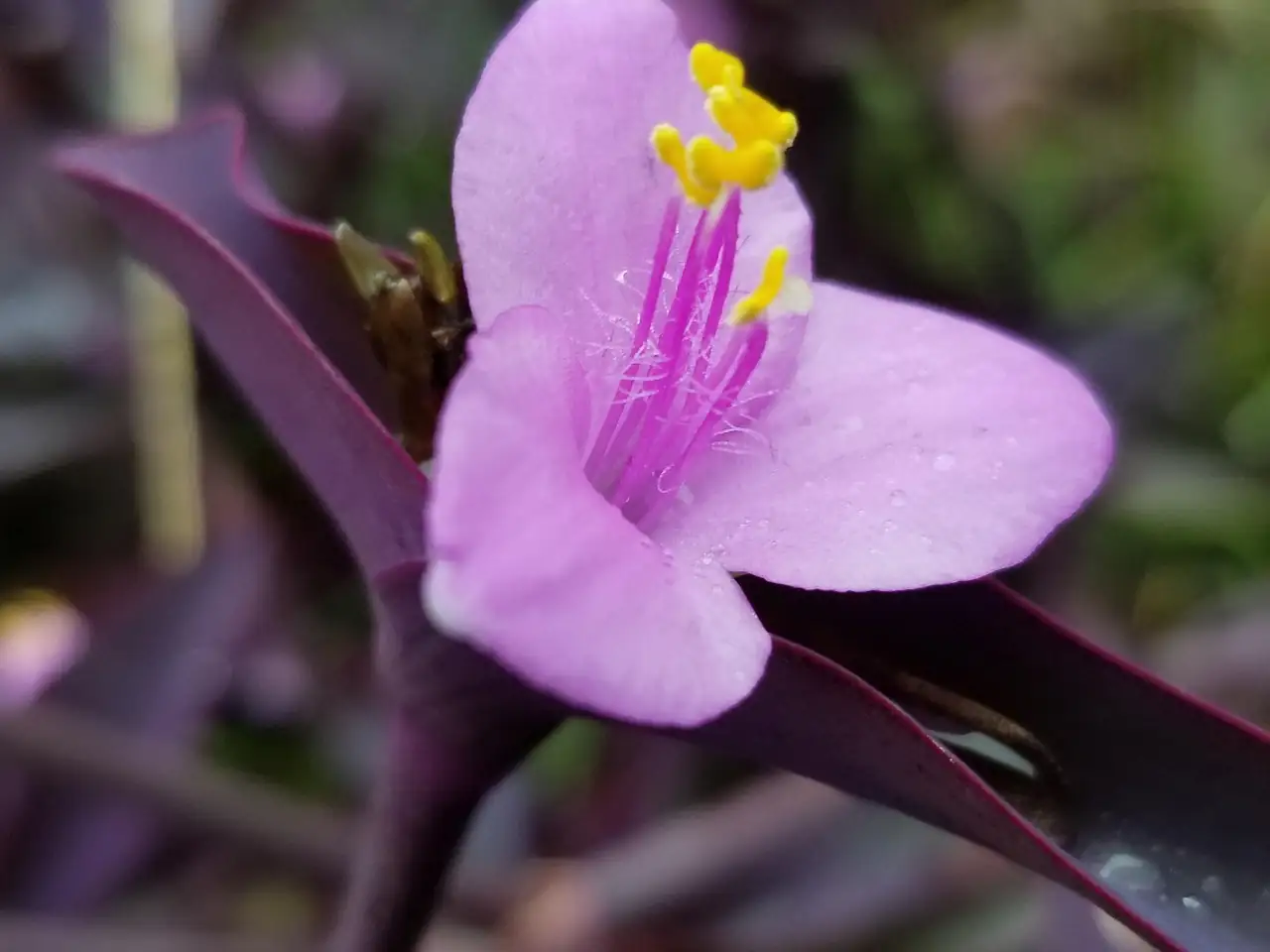
How did this tropical beauty become a household staple around the world? The answer lies in its irresistible charm and resilience. Tradescantia pallida is a perennial with a trailing habit, making it perfect for ground cover, borders, and spilling over the edges of containers or hanging baskets. Its sword-like leaves, drenched in deep purple hues, are a sight to behold and offer a modern, bold aesthetic to any space.
The plant’s flowers, though small and fleeting, add a touch of delicate beauty. These three-petaled pink to pale purple blooms open in the morning and fade by midday, a gentle reminder to appreciate the fleeting moments of beauty in our own lives. This very nature of its blooms has led to its association with living in the moment, admiration, and enduring love.
From Gardens to Living Rooms
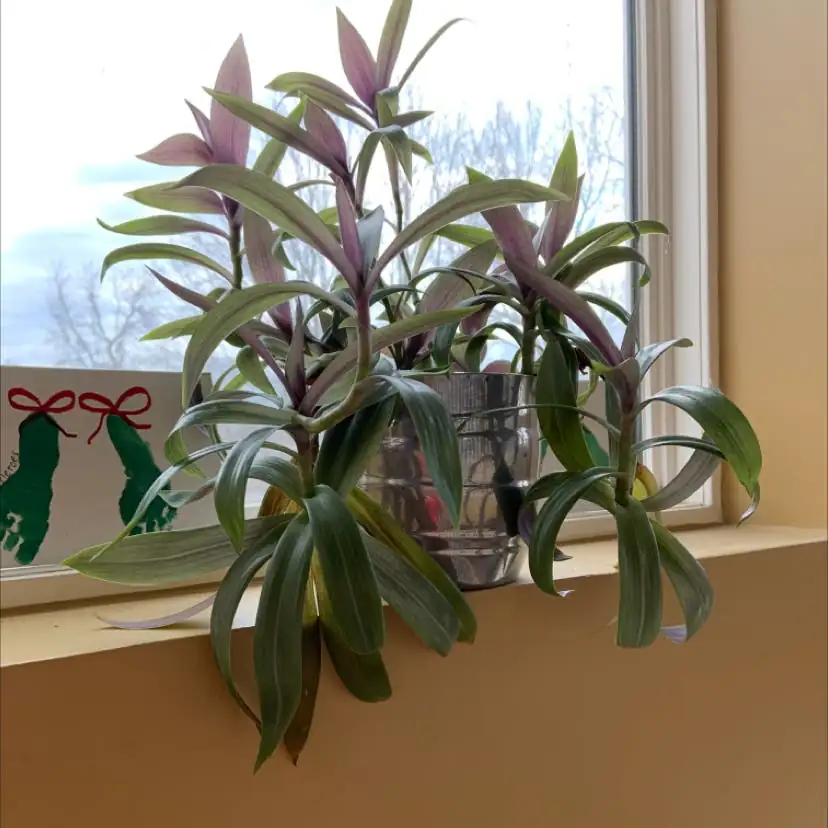
Tradescantia pallida’s transition from wild plant to beloved houseplant is a testament to its hardy nature and adaptability. It thrives in bright light, which intensifies its purple color—a visual delight for those who place it in sunny spots. Even in less ideal conditions, such as shaded corners, it perseveres, albeit with greener foliage.
Caring for a Purple Heart is akin to nurturing a friendship—it requires attention and understanding but rewards with vibrant growth and beauty. It tolerates drought, thrives with regular watering, and appreciates a feeding during its active growing season. Its stems, while fragile, readily root where they touch the soil, making propagation a breeze. Just snip a 3–6 inch cutting, plant it, and watch as it takes root and flourishes.
A Plant with Purpose

Beyond its ornamental appeal, Tradescantia pallida has carved a niche in scientific and environmental circles. It’s known for its role in the “micronucleus assay” due to its sensitivity to mutagens, making it an important tool in environmental science. Additionally, it is frequently mentioned in discussions on indoor air purification, though the results depend on various conditions.
Navigating Challenges
Like all relationships, the journey with Tradescantia pallida isn’t without its challenges. It can attract pests such as aphids and spider mites, especially indoors. However, these issues are often easily managed, allowing the plant to bounce back quickly.
It’s mildly toxic to pets and people, which is essential to note for households with curious children and pets. Handling with care and positioning out of reach can prevent unwanted incidents.
Why We Love It
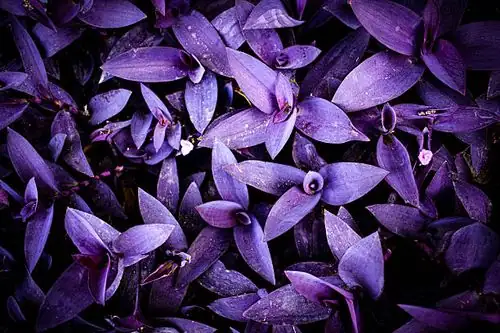
So, why has Tradescantia pallida become such a beloved plant worldwide? Perhaps it’s the way its deep purple leaves bring a touch of the exotic to everyday life, or how its easygoing nature makes it a welcoming companion for those new to the world of plants. Or maybe it’s the subtle life lessons it imparts—reminding us to appreciate fleeting beauty, adapt to change, and thrive wherever life plants us. Whatever the reason, one thing is clear: the Purple Heart is here to stay, continuing its legacy of beauty, resilience, and enchantment in homes and gardens around the world.


