

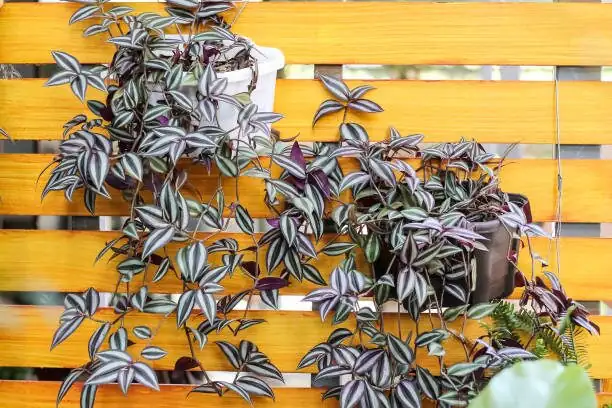
Picture a plant that hops continents not by seed or shovel, but by the smallest snippet of stem. Tradescantia zebrina—beloved today as the Inch Plant—began in Mexico (often cited as Mexico and parts of Central America) and now tumbles from balconies and bookshelves across the world. Its passport? A handful of nodes and a glass of water. Its story is part horticultural happenstance, part human enthusiasm—and, more recently, a thoughtful shift toward kinder names.
From its native range to the world
- Native story: Tradescantia zebrina is indigenous to Mexico (frequently noted as Mexico and parts of Central America).
- Wanderlust: In frost-free regions it has widely naturalized; it’s often reported from warm parts of the southern United States and many tropical-to-subtropical locales worldwide.
- Why it travels so well: Trailing, creeping stems root instantly where nodes touch moist soil. A single cutting can become a carpet; a few cuttings can become a hanging waterfall.
Anatomy of a born wanderer
- Habit: Fast-growing, trailing-to-creeping stems that cascade and readily root at the nodes.
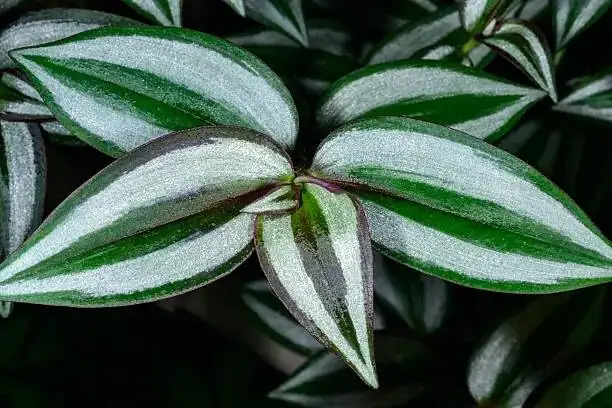
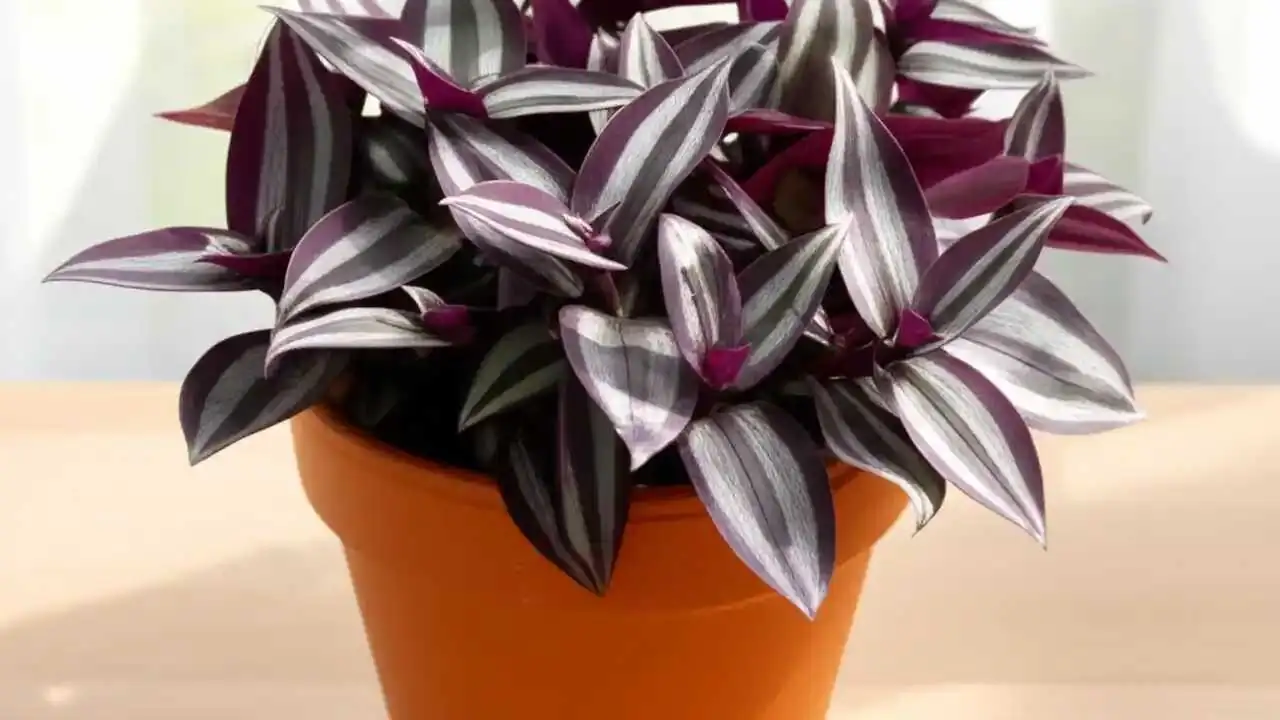
- Foliage: Bold silver and green striping with rich purple undersides; new growth usually shows stronger purple for a lively tricolor effect.
- Flowers: Tiny, three-petaled blooms in pink to lavender appear sporadically, especially with bright light.
- Indoors, it shines in hanging baskets or high shelves where the spill-over habit really performs.
A “pass-along” legend: how cuttings fueled its rise
Long before social media “propagation stations,” this plant spread hand-to-hand. Gardeners trimmed a few tips, popped them into water or a loose potting mix, and traded extras like cookies at a community bake sale.
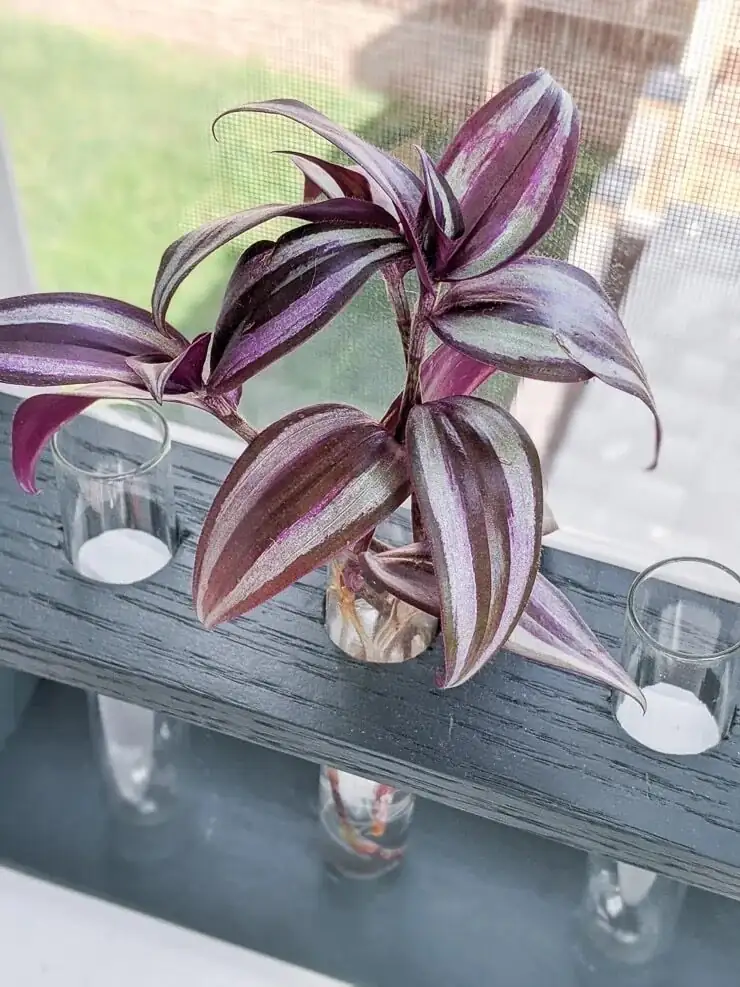
- Why it’s so easy:
- Nodes often root in about 7–10 days.
- Short 7–12 cm (3–5 in) cuttings are plenty; just keep 1–2 nodes in contact with water or moist mix.
- Plant several rooted tips together for instant fullness (3–5 cuttings in a 15–20 cm/6–8 in pot makes a lush start).
A note on names—and why many growers now say “Inch Plant”
This species has collected a suitcase of common names over time: Inch Plant, Silver Inch Plant, Wandering Dude, Zebra Plant (Tradescantia), and older names that many people now avoid. The once-common “Wandering Jew” is widely considered offensive today; in response, garden communities and nurseries increasingly choose neutral, welcoming names. “Inch Plant” has become a friendly favorite, while “Wandering Dude” also appears in modern usage. The shift reflects a simple idea: beautiful plants deserve inclusive, respectful language.
Growing it beautifully at home
Think bright, filtered light, a breathable pot, and trims like a good haircut—little and often.
Light
- Best: Bright, indirect light or gentle morning sun.
- Avoid: Harsh midday sun in summer (scorch, yellowing).
- Too little light: Duller color and lanky, stretched stems.
Water and soil
- Water thoroughly, let excess drain, then wait until the top 2–3 cm (about 1 in) is dry before watering again.
- Spring–autumn: Keep lightly and evenly moist, not soggy.
- Winter: Water less; keep just slightly moist.
- Soil: Loose, fertile, fast-draining mix—about 3:1 general potting mix to perlite or coarse sand. Always use drainage.
Temperature and humidity
- Ideal range: 18–22°C (64–72°F); generally fine between about 12–24°C (54–75°F).
- Keep above 10°C (50°F); damage can occur below ~5°C (41°F). Protect from cold drafts.
- Humidity: Prefers moderate humidity (~50%+), but adapts well to average homes. In dry air, tips may brown; occasional misting or a humidity tray can help if airflow is good.
Pruning and shaping
- Pinch or snip tips regularly to trigger branching for a fuller cascade.
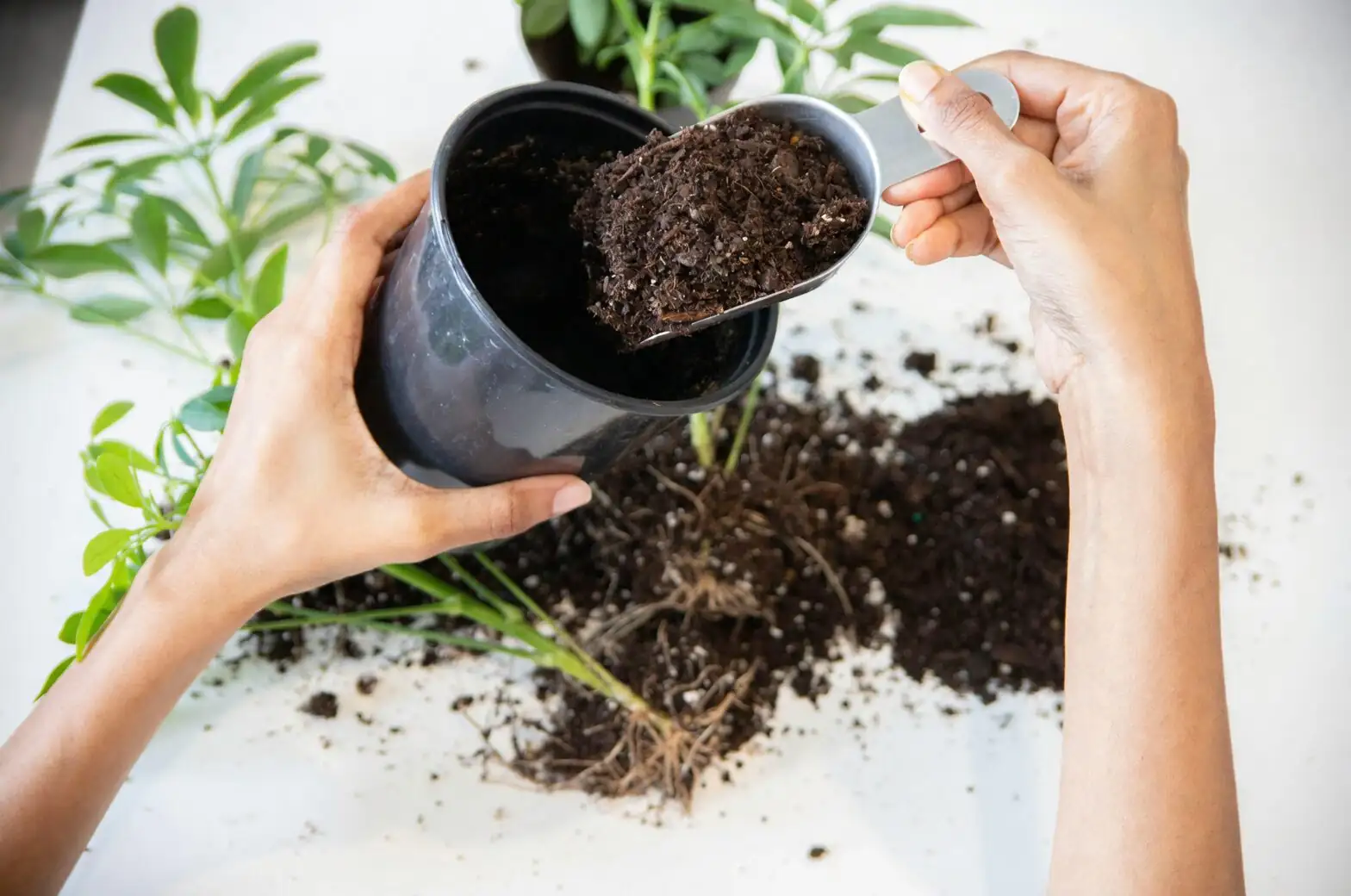
- If it gets bare at the base, cut stems back hard and re-root the healthiest tips to refresh the pot. Many growers do a major “replant” every 1–2 years indoors.
Feeding
- During active growth (spring to early autumn): either feed lightly every 2 weeks with a diluted balanced liquid fertilizer or about once a month at label strength.
- Avoid overdoing nitrogen (it can wash out the color). A bloom-leaning feed a few times in season can encourage flowers.
Quick specs
- Size: Typically about 15 cm (6 in) tall in a container, trailing 30–90 cm (12–35 in). A single pot often looks best when started with multiple cuttings for density.
Color, flowers, and that “fresh haircut” glow
- Richest stripes and purple tones appear with bright, filtered light.
- In low light, leaves turn greener and stems stretch.
- Overfeeding—especially with high nitrogen—can soften growth and fade variegation.
- Flowers are small, three-petaled, pink to lavender, and pop up intermittently year-round indoors with good light (more often spring–summer).
Outdoors—and a note on responsibility
- Hardiness: Frost-tender; best outdoors year-round in USDA Zones 10–12.
- In warm, frost-free climates, it can spread and naturalize. Manage plantings and dispose of trimmings responsibly so it doesn’t escape cultivation.
Troubleshooting: keep it picture-perfect
- Leggy, not flowering: Usually too little light. Move to a brighter spot and pinch tips once stems reach ~20 cm (8 in).
- Bare base and yellowing older leaves: Normal with age—time for a trim and re-rooting of the best tips.
- Brown tips: Often dry air or underwatering. Adjust humidity and watering rhythm.
- Pests: Spider mites, mealybugs, aphids, and scale may appear—especially in dry indoor air. Rinse the plant, then treat with insecticidal soap or horticultural oil; repeat as needed.
- Diseases: Overwatering and poor airflow can cause stem rot or leaf spots. Improve drainage and ventilation; remove affected growth.
Propagation playbook (so easy it feels like a magic trick)
- Snip 7–12 cm (3–5 in) tips (or 15–20 cm/6–8 in pieces for longer strands).
- Remove lower leaves; place at least 1–2 nodes in water or moist mix/perlite.
- Roots form in about 7–10 days.
- Pot several rooted cuttings together for a lush, ready-made cascade.
- Pinch early and often to encourage bushiness.
Safety
- The sap can irritate sensitive skin—gloves help when pruning.
- If chewed, it may cause mild mouth or stomach upset in pets or children. Best kept out of reach.
Symbolism and the modern “flower language”
The Inch Plant is often linked with resilience, adaptability, and hope—fitting for a plant that rebounds after a hard cut and thrives from the simplest snippet. Unlike Victorian “flower language” tied to formal bouquets, today’s meanings arise from observation and culture: a quick-rooting, forgiving plant naturally becomes a symbol of second chances and fresh starts. As naming norms evolve toward inclusivity, its symbolism broadens too—beauty that travels well, and kindness that travels with it.
Fun facts to share on your next plant swap
- It roots wherever a node meets moist soil—no green thumb required.
- Silver striping and purple tones intensify in bright, filtered light.
- In warm regions, it can escape cultivation—so compost or discard trimmings responsibly.
In the end, Tradescantia zebrina’s journey from Mexico to windowsills worldwide isn’t just botanical—it’s human. We trimmed it, traded it, and taught it to tumble from baskets in every shade of purple. And as we choose warmer, more welcoming names like Inch Plant, we’re shaping its story just as surely as we shape its cascading stems.