

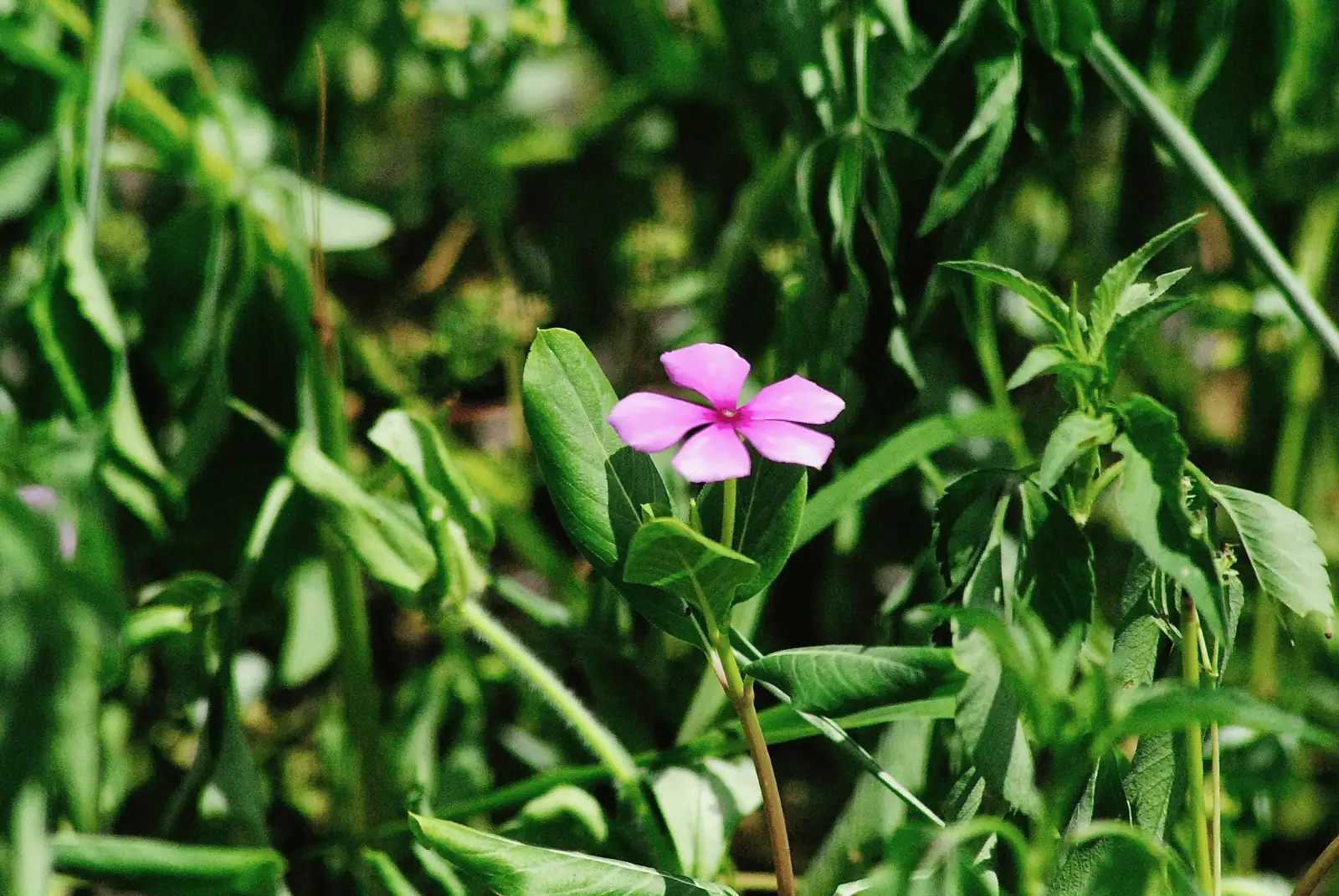
Uncovering the Story of Catharanthus roseus: A Global Journey from Madagascar
When you think of a plant that’s both a garden beauty and a medical marvel, the Madagascar periwinkle, Catharanthus roseus, stands out like a jewel. This sun-loving perennial doesn’t just brighten up landscapes with its vibrant pinwheel blooms; it’s also a key player in modern medicine. But how did this plant, native to the island of Madagascar, make its mark across the globe? Let’s dig into its fascinating history, origins, and the journey that turned it into a botanical superstar.
A Glimpse into Madagascar: The Birthplace of the Periwinkle
Madagascar is a wonderland of biodiversity, home to many unique species, and among them is the Madagascar periwinkle. Nestled in this island’s warm, seasonally dry tropical climate, the plant thrives in well-draining soils. Its origin here isn’t just incidental—Madagascar’s natural environment has shaped the Catharanthus roseus into the resilient plant we admire today.
In its native habitat, this plant displays glossy, deep-green leaves and charming five-petaled flowers. The colors range from delicate whites to rich pinks and reds, often with a contrasting eye that draws the gaze. But the beauty of these flowers is only a part of their story.
The Global Journey: From Local Wonder to Worldwide Fame
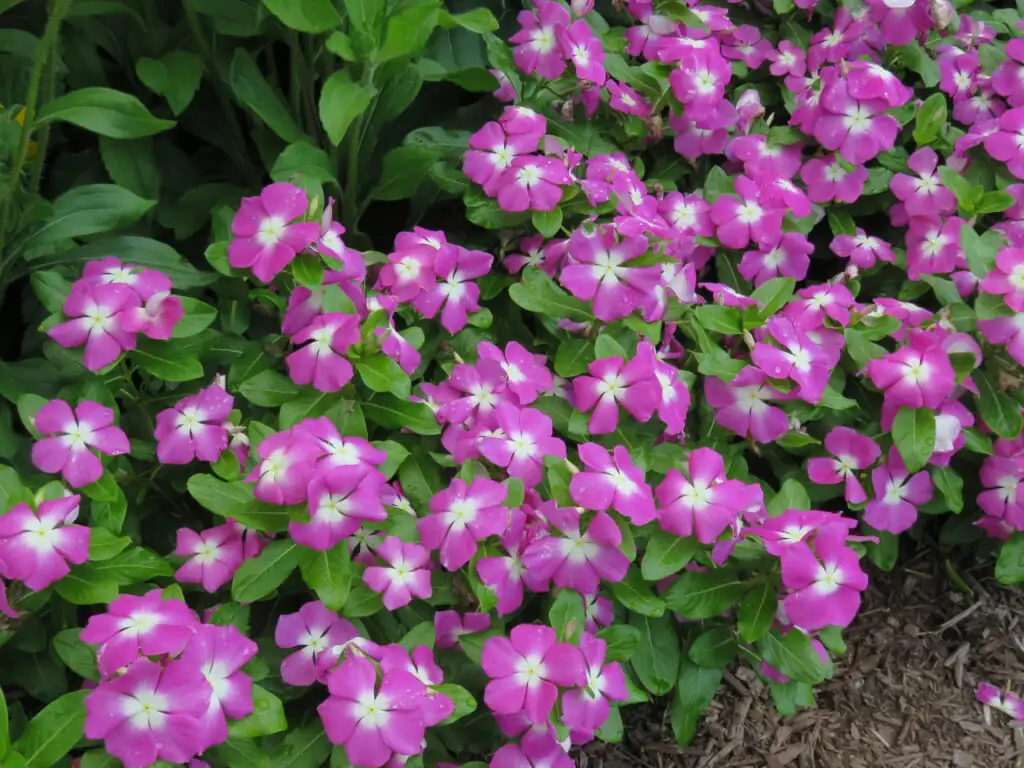
The journey of the Madagascar periwinkle from local marvel to a global presence is nothing short of extraordinary. Historically, the plant was valued in traditional medicine for various purposes. However, its real claim to fame began in the mid-20th century, when its medicinal properties caught the attention of researchers. They discovered that the plant produces powerful alkaloids—vincristine and vinblastine—crucial in cancer treatment today. This discovery propelled the humble periwinkle into the spotlight of pharmaceutical research, making it a cornerstone in the fight against cancer.
But how did the plant traverse from its native Madagascar to gardens worldwide? As botanists and horticulturists recognized its ornamental value, the plant was introduced to various regions, adapting well to different environments. Now, it’s a common sight from sunny garden beds to hanging baskets, adored for its vivid blooms and tough nature.
Cultivation and Care: A Gardener’s Delight
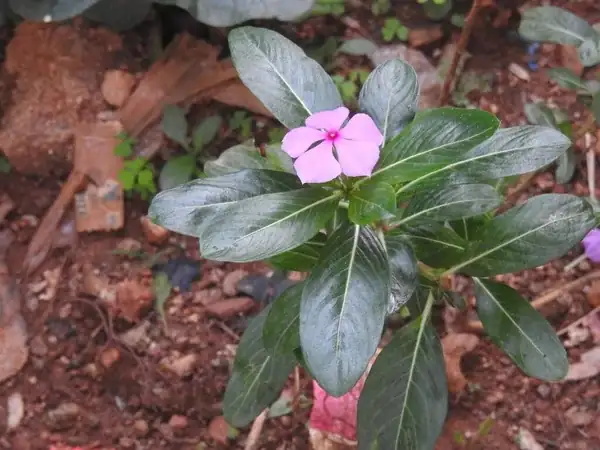
Caring for a Madagascar periwinkle is like having a little piece of Madagascar in your backyard. The plant is a sun-lover, thriving in full sunlight. It prefers warm temperatures, making it a perennial in frost-free zones and an annual elsewhere. Its preference for well-draining soil means it’s crucial to avoid waterlogged conditions—think of it as a beach-loving friend that dislikes soggy socks.
If you’re considering adding this beauty to your garden, start with a compact, well-branched plant full of buds. Ensure your soil drains well, and you’ll be rewarded with a long blooming season, often stretching from spring through fall.
The Language of Flowers: Symbolism and Meaning
In the world of flowers, the Madagascar periwinkle symbolizes resilience and lasting friendship, fitting for a plant that blooms through heat and adversity. Its enduring nature and medical significance have imbued it with meanings of hope and perseverance—qualities that resonate with both gardeners and patients relying on its therapeutic properties.
Challenges and Care Tips
Despite its hardy nature, the periwinkle can face issues like aphids and spider mites, especially indoors in dry conditions. Keeping a vigilant eye and ensuring good airflow can mitigate these challenges. Remember to water moderately, letting the soil dry between sessions to prevent root rot.
A Plant of Both Beauty and Benefit
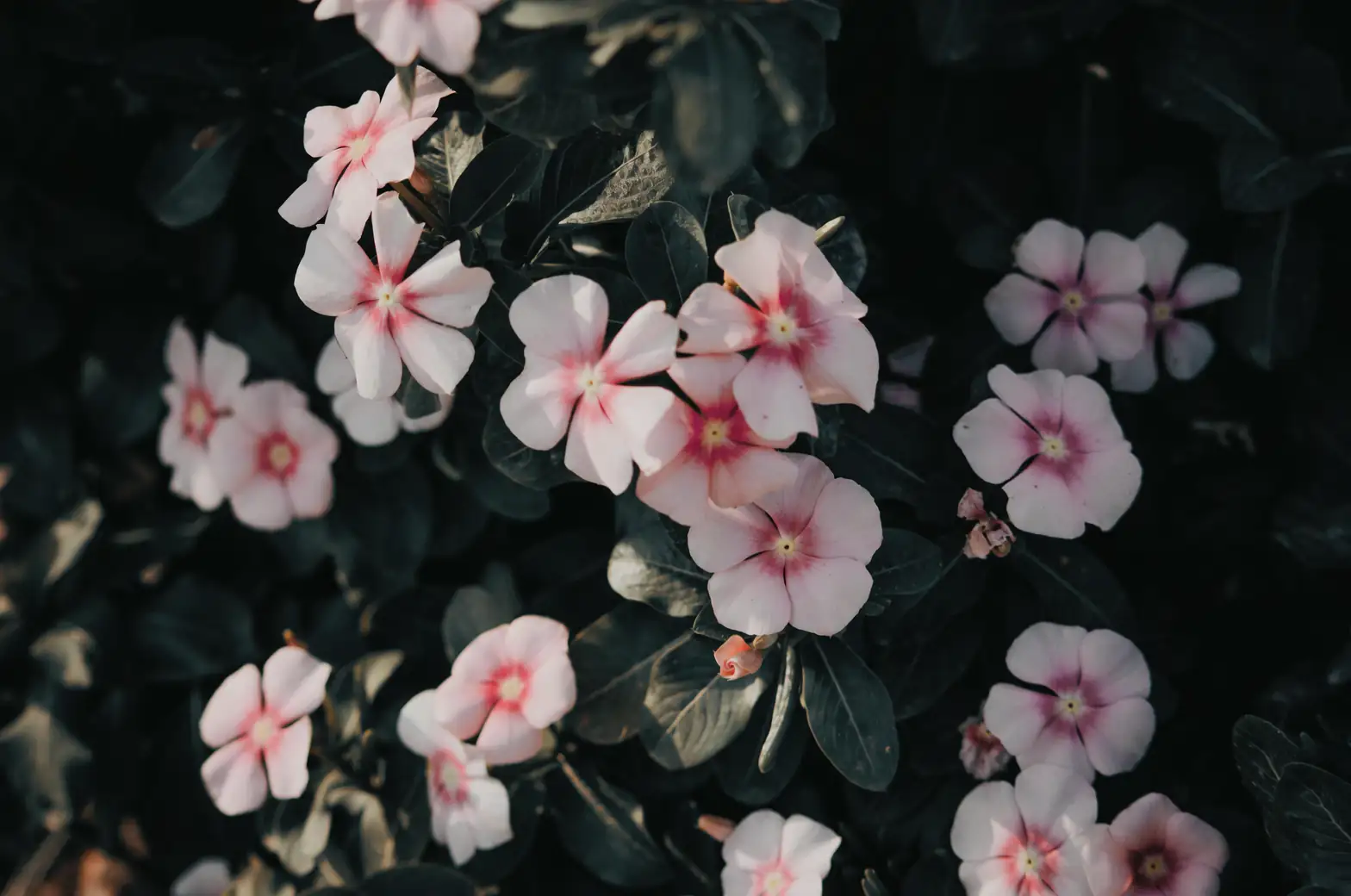
As the Madagascar periwinkle continues to grace gardens and advance medicine, it reminds us of nature’s incredible capacity to heal and inspire. Whether you’re enjoying its vibrant colors in a flower bed or appreciating its role in healthcare, Catharanthus roseus truly is a global treasure. So next time you see those cheerful blooms, think of its journey from a distant island to a place in your heart and garden.


