

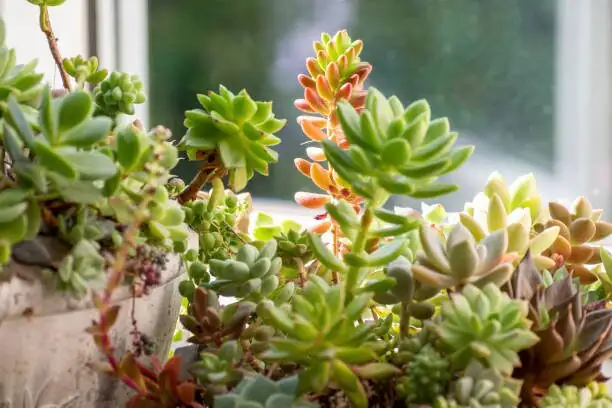
Imagine a plant that carries its own canteen. Succulents—those plump-leaved, water-hoarding wonders—turned thirst into an evolutionary superpower, then turned that superpower into worldwide fame. Their story arcs from sun-blasted hills in South Africa, rock cracks in Mexico, and red soils in Madagascar to glasshouse galleries in Europe and, today, the cheerful chorus of pots on windowsills across the globe.
Born of Thirst: Where Succulents Evolved
Succulents aren’t a single lineage with one Latin name—they’re a lifestyle chosen by thousands of species across many plant families. Whenever climates became stingy with rain, evolution answered with thick leaves, stems, or roots that could store water.
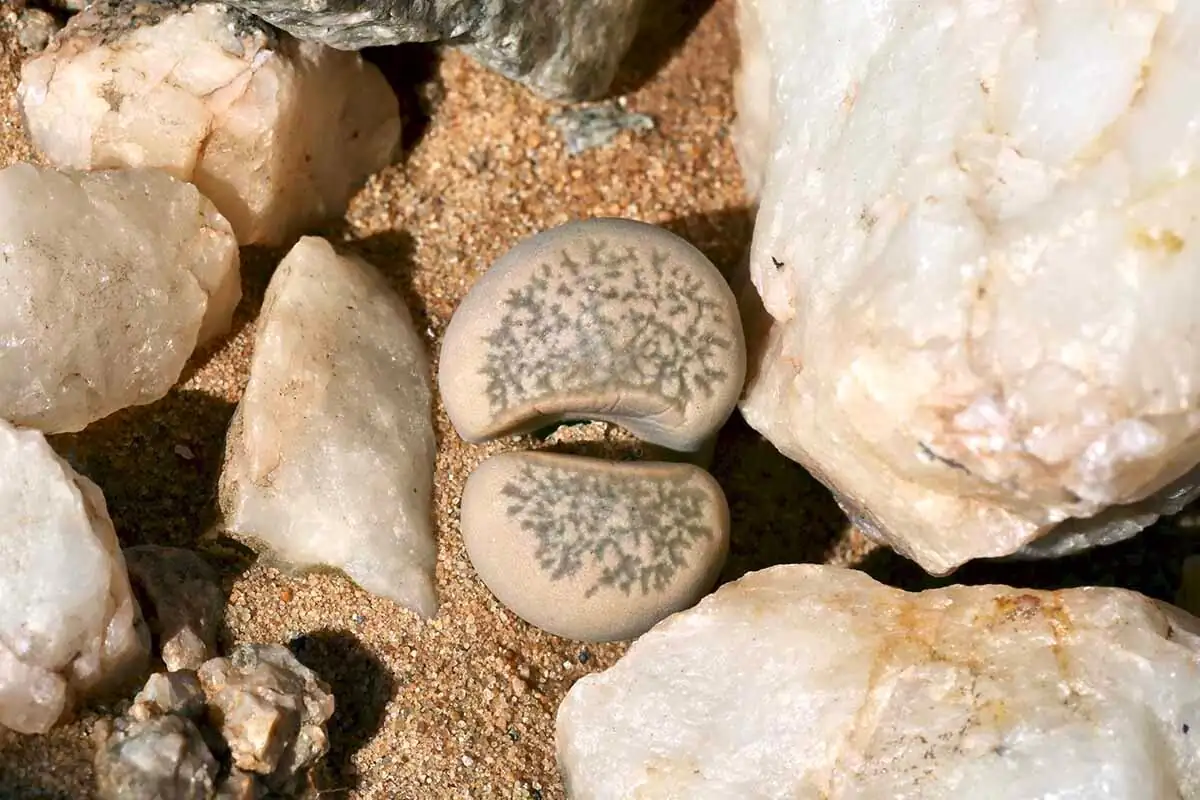
- South Africa and Namibia: The Succulent Karoo is a global hotspot, a living gallery of rosettes, cushions, and living “stones.”
- East Africa and Madagascar: Think pachycauls and spiny silhouettes—Madagascar’s Pachypodiums are icons of arid adaptation.
- North and Central America (especially Mexico): A megacenter for cacti and many other succulents, from tiny globes to towering columns.
- Across the Americas and Africa: Drylands, fog-fed coasts, alpine outcrops, and sandy flats—succulents pop up wherever water is sporadic.
Anatomy of a Survivor
- Built-in reservoirs: Leaves, stems, or roots act like tanks—some tissues hold up to 90–95% water.
- Smart shapes: Rosettes, columns, bead-like chains, or almost-spherical leaves reduce surface area and evaporation.
- Desert colors: Greens can blush to silvery blue, red, purple, or bronze with bright light, cool nights, or mild drought.
- Night breathers: Many use CAM photosynthesis—stomata open at night to save water by day.
- Defensive style: Spines, thorns, waxy skins, and woolly coats keep thirsty animals (and harsh sun) at bay.
From Deserts to Drawing Rooms: Europe Falls for Succulents
As global exploration accelerated, unusual desert plants became botanical celebrities. Cacti arrived in Europe after early contact with the Americas, and by the 18th century, plant-hunting expeditions shipped crates of new succulents to eager collectors. In the 19th and 20th centuries, botanical gardens and horticultural societies fanned the flames of succulent culture, honing techniques for growing and sharing these drought-smart plants.
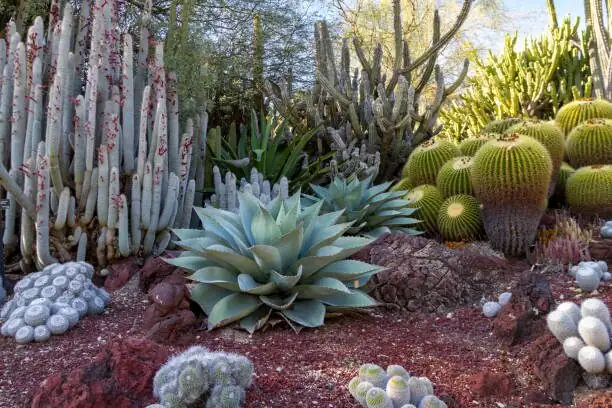
One emblem of that era’s fascination stands in Southern California: The Huntington’s Desert Garden began assembling cacti and other succulents in 1907 and now showcases thousands of species from arid regions worldwide. Collections like this helped transform succulents from curiosities into living textbooks of adaptation—and eventually, into household names.
The Modern Craze: From Show Bench to Windowsill
The last decade turned succulents into social-media darlings and water-wise landscaping staples. They’re resilient, sculptural, and forgiving of busy schedules—catnip for urban gardeners. Commercial cultivation has scaled up, too, with thriving production hubs in places like Taiwan and China’s Yunnan and Fujian provinces, making once-rare species widely accessible. Just remember: the best trend is an ethical one—choose nursery-propagated plants and support growers who value conservation.
How to Keep a Desert Native Happy at Home
Think bright light, brief drinks, and breezy roots. Get those right, and you’re 80% there.
Light
- Aim for 4–6 hours of strong light daily. Many types love direct sun; others (like some Haworthia) prefer bright, indirect light.
- Acclimate gradually to full sun to prevent sunburn, especially when moving outdoors.
Watering
- Use “soak and dry”: water thoroughly, then wait until the mix is bone-dry before watering again.
- Season matters: many grow most in spring and fall; they’ll drink more then. In winter, reduce sharply.
- In hot spells, some may appreciate more frequent watering—but only when the soil is completely dry. When in doubt, wait.
Soil
- Fast-draining, gritty mixes prevent the cardinal sin: soggy roots.
- Try approximately 10–20% organic matter (like peat or a substitute), ~20% coarse sand, and ~60–80% mineral grit (pumice, perlite, lava rock, diatomaceous earth, akadama).
Temperature and Humidity
- Sweet spot: roughly 15–27°C (59–81°F), with many happy up to about 29°C (85°F).
- Above ~35°C (95°F), provide airflow and soften midday sun. Protect most succulents from frost.
- Average indoor humidity is fine; stagnant, damp air raises rot risk.
Feeding and Growth Rhythm
- Light monthly feeding in active growth with a balanced, water-soluble fertilizer at half strength.
- Pause or reduce feeding during dormancy or low-light winters.
Repotting and Pruning
- Repot when roots fill the pot or the soil breaks down; size up just 2.5–5 cm (1–2 in).
- Trim in spring to shape, remove dead leaves, and take cuttings.
Propagation (the joyful part)
- Many succulents root easily from leaves, stem cuttings, offsets (“pups”), or seed.
- Let cut surfaces callus before setting on/in gritty soil.
Safety, Pests, and Pitfalls
- Mealybugs and scale are the usual suspects; isolate, swab with alcohol, or treat as needed.
- Overwatering causes most serious problems—especially root rot.
- Toxicity varies: many Euphorbia species bleed irritating latex; keep unknown plants away from pets and children.
Bloom Cameos and Seasonal Notes
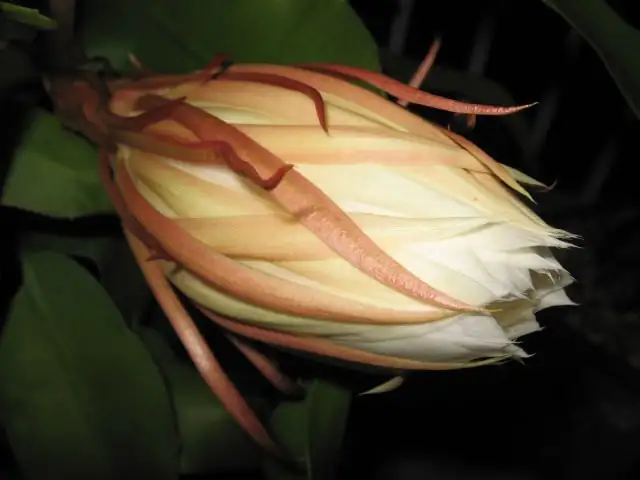
- Flowers range from starry sprays (Crassulaceae) to dramatic, sometimes night-only cactus blooms that can vanish by morning.
- Many bloom in spring and summer; others surprise off-season depending on species and climate.
Seasonal cheat sheet:
- Spring/Fall: prime growth—regular soak-and-dry cycles, light feeding.
- Summer: some slow down; give midday shade in extreme heat and watch watering.
- Winter: go easy on water, stop fertilizing, and protect from cold.
FAQs
- Why is my succulent getting leggy? It’s begging for more light. Move it brighter (gradually), rotate the pot, and consider trimming and re-rooting the top.
- How often should I water? There’s no calendar—only when the mix is completely dry, then soak thoroughly.
- Can succulents live indoors? Absolutely. Park them at your brightest window or add a grow light. For lower light, try shade-tolerant kinds such as some Haworthia.
- Why did my plant change color? Strong light and cool nights often pull reds, purples, and bronzes to the surface, especially from fall to early spring.
Meaning and Mythology: The “Language” of Succulents
Victorian flower language never standardized a single meaning for the wildly diverse succulents, and many modern “花语” claims are marketing poetry more than tradition. Still, the symbolism resonates:
- Resilience and perseverance: storing water to outlast drought is a powerful metaphor for grit.
- Protection and good fortune: in feng shui-style beliefs, tough skins and spines can symbolize guardianship.
If you gift a succulent, it’s a quiet wish for steady strength and thriving under pressure—less fleeting than a bouquet, more like a promise.
A Quick Field Guide to Big Succulent Families
- Cactaceae (Americas): From button-sized Mammillaria to towering columnar giants; famous for spines and spectacular blooms.
- Crassulaceae (global, with many in Africa and Mexico): Echeveria, Crassula, Sedum—rosettes and clusters in painterly colors.
- Euphorbiaceae (Africa-heavy, but worldwide): Spiny look-alikes of cacti with milky, irritating sap.
- Asphodelaceae: Aloes and Haworthias—leaf succulents ranging from sun-loving aloes to shade-tolerant desk companions.
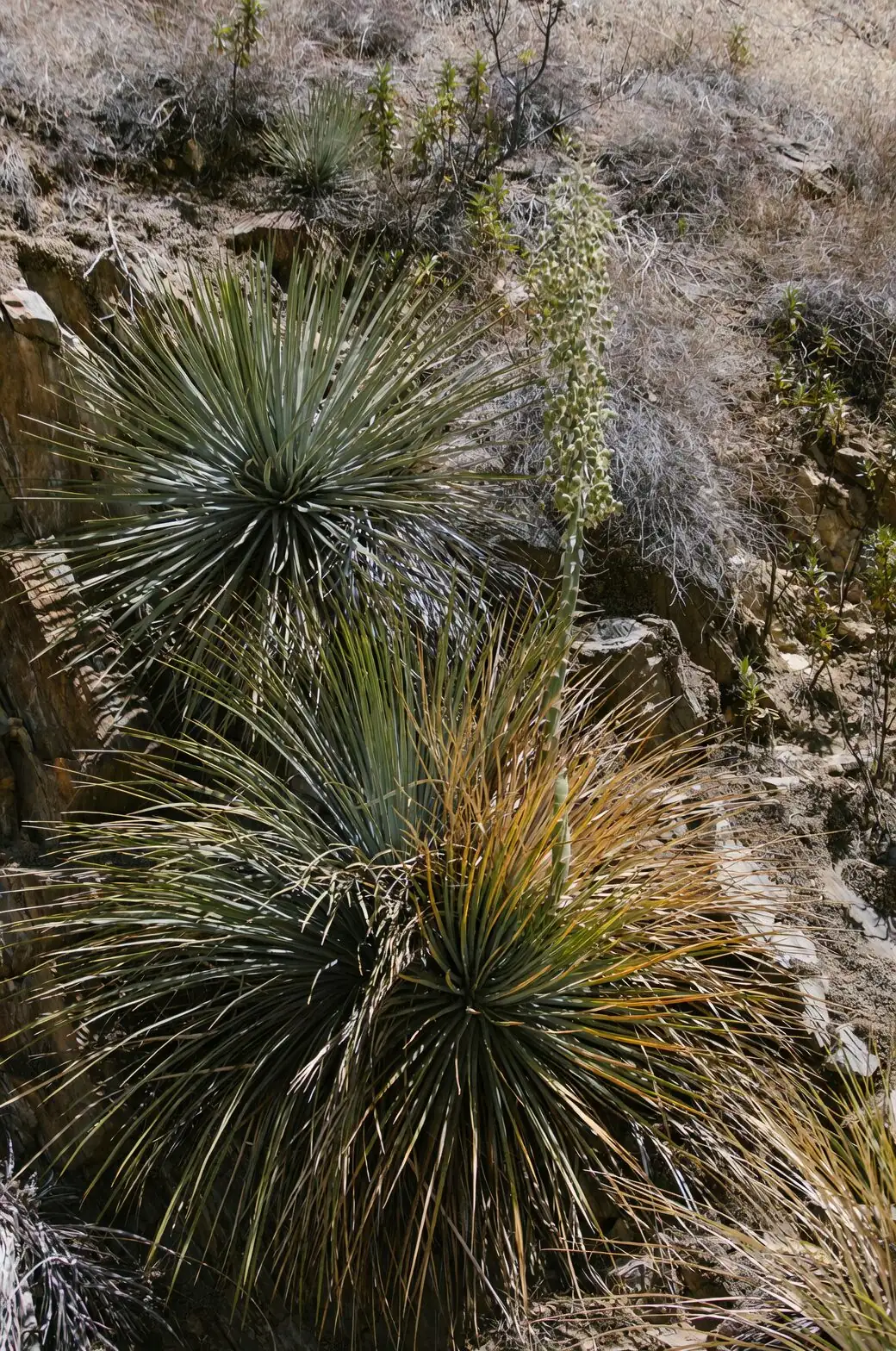
- Asparagaceae: Agaves and kin—architectural, often rosetted powerhouses for dry gardens.
Edible and Useful Cameos
- Opuntia (prickly pear): pads and fruits eaten in many cuisines.
- Dragon fruit (Hylocereus/Selenicereus): a climbing cactus with luminous night blooms.
- Aloe: famed for topical uses and xeric landscaping.
Conservation and Ethics
The global appetite for succulents can pressure wild populations. Do your part:
- Buy nursery-propagated plants from reputable growers.
- Support botanical gardens and conservation groups that safeguard habitat and heritage collections.
- Share cuttings—succulents are community builders by nature.
Fun Facts to Drop at Your Next Plant Swap
- More than 10,000 succulent species span over 100 plant families—“succulent” describes a lifestyle, not a family tree.
- Many open their leaf pores at night (CAM photosynthesis) to save water.
- Some cactus flowers are so fleeting they open at dusk and fade by dawn.
- South Africa’s Succulent Karoo is one of the world’s richest succulent hotspots.
From parched plains to parlor pots, succulents have stayed true to their origin story: they thrive by preparing for lean times. That’s why they feel so right at home with us—little green reminders that good design and quiet reserves can carry you through almost anything.