


Discover the Fascinating Journey of the Wishbone Flower: From Tropical Origins to Global Gardens
Imagine a flower that not only brings a splash of vibrant color to shaded gardens but also hides a charming secret within its blossoms—a tiny wishbone! This is the story of the Wishbone Flower, Torenia fournieri, a delightful plant that has captivated gardeners worldwide with its cheerful blooms and intriguing history.
A Journey from the Tropics
Hailing from the warm and humid regions of Asia, including Vietnam, southern China, and tropical Indochina, the Wishbone Flower has also made its presence known in tropical Africa. Its journey across the globe began in the 19th century when French botanist Gustave Adolphe Louis Huleu first discovered it in Vietnam. Since then, it has been cultivated as an ornamental plant and has found a home in gardens across North America, Europe, Australia, and beyond.
The Wishbone’s Secret
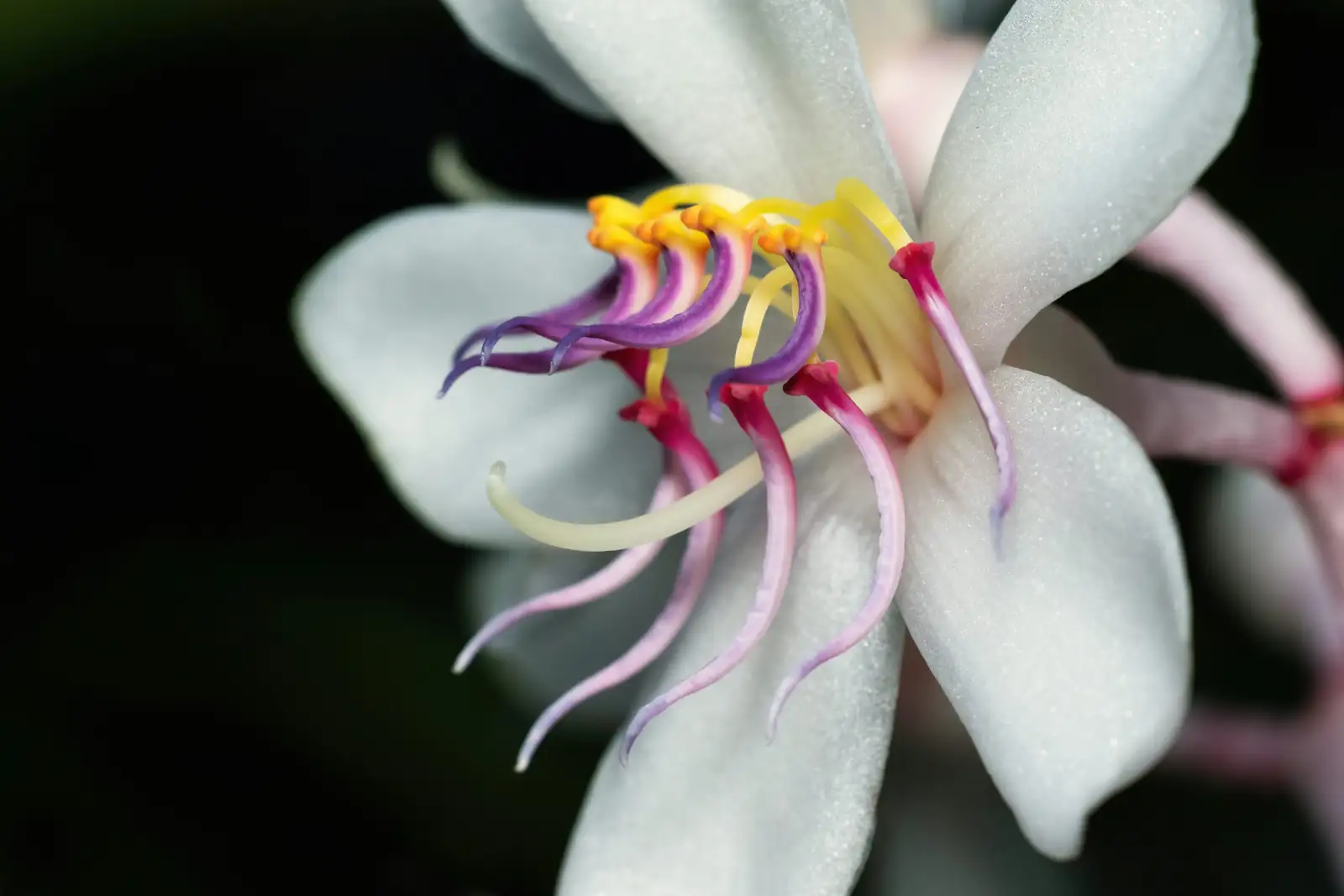
What makes the Wishbone Flower truly special is the unique feature hidden within its tubular blossoms. Inside each flower, the stamens curve together, resembling a tiny wishbone—a feature that not only inspired its common name but also adds an element of whimsy and luck to its symbolism. This charming detail encourages many garden enthusiasts to believe that the flower brings happiness, charm, and a bit of luck to those who plant it.
Vibrant and Versatile Blooms
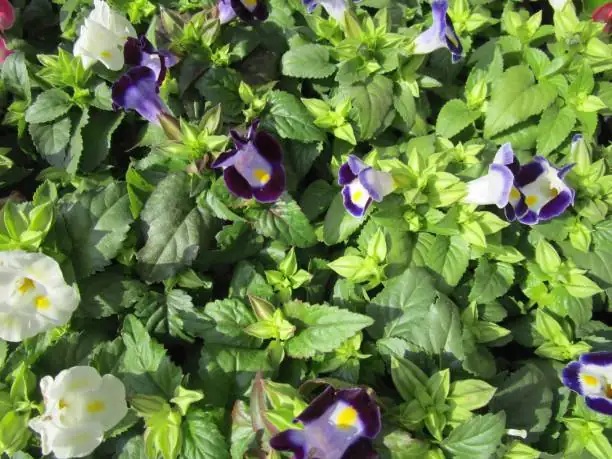
The Wishbone Flower is a master of disguise, with its trumpet-shaped blooms available in a stunning palette of jewel-like colors—ranging from blues and purples to pinks, magentas, yellows, and whites. These colors often feature contrasting throats with bright yellow markings, making them pop against their lush green backdrop. The flowers’ two-lipped appearance, with three larger lower lobes and two smaller upper ones, adds to their visual appeal.
Perfect for Shady Retreats
Unlike many sun-loving annuals, Torenia fournieri thrives in the shade, making it a perfect candidate for brightening up north- or east-facing gardens, shaded borders, and hanging baskets. It prefers the cooler morning sun and a respite from the hot afternoon rays, making it a staple for gardeners looking to add color to otherwise dim corners.
Easy on the Eyes, Simple to Grow
Gardeners of all skill levels find the Wishbone Flower to be a delightfully low-maintenance choice. Its self-cleaning nature means there’s no need for tedious deadheading, and it enjoys consistently moist soil without being waterlogged. Simply water when the top inch of soil feels dry and use a balanced fertilizer every few weeks during the growing season to keep these blooms at their best.
A Pollinator’s Paradise
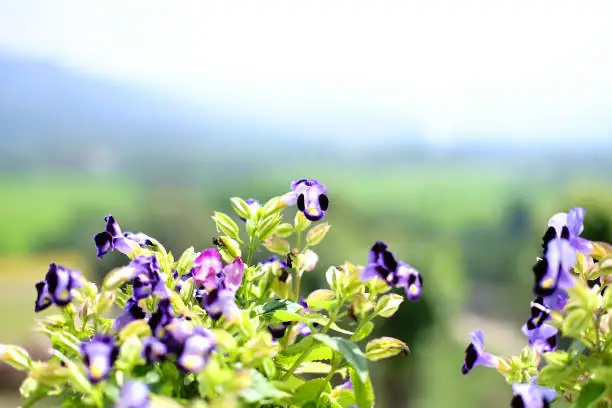
Not just a treat for the eyes, Torenia fournieri also serves as a buffet for pollinators like bees, butterflies, and hummingbirds. Its nectar-rich flowers draw these beneficial creatures, ensuring your garden is buzzing with life throughout the summer months.
From Seeds to Blooms
Growing the Wishbone Flower from seeds is a rewarding experience. Start seeds indoors about 8–10 weeks before the last frost, pressing them onto the soil surface as they need light to germinate. Within 7–15 days, you’ll witness the first signs of life, ready to be transplanted outdoors once the threat of frost has passed.
A Modern Marvel
Today, modern hybrids of Torenia fournieri have been bred for improved heat, humidity, and drought tolerance, making them robust performers in a wide range of garden settings. Whether you’re a seasoned gardener or just starting, the Wishbone Flower offers a burst of color and a touch of magic to any garden space.
In the world of gardening, few plants offer the combination of beauty, ease, and charm that Torenia fournieri does. Whether you’re drawn to its vibrant colors, its shade-loving nature, or the delightful wishbone hiding inside, this remarkable plant promises to bring joy and enchantment to your garden for months on end. So why not add a bit of magic to your garden this season with the enchanting Wishbone Flower?


